Over the past decade or so, the number of naturally aspirated V8s has quietly dwindled. With the proliferation of turbocharged four- and six-cylinder engines, the naturally aspirated V8 is increasingly becoming a collectible asset. A limited set of high-revving, fire-breathing V8s have begun to be appreciated and, in turn, are being snapped up by enthusiasts left and right.
If you think this is the same old “V8s are dying” eulogy, you’d be wrong. This is a more narrow, interesting argument: According to auction data, very few engines, already built in limited numbers, are appreciating. In turn, they are capturing a premium in the swap market and are being stockpiled by builders before they dry up completely. Let’s talk about what engines they are, from brands like BMW, fordAnd so on, and why money is flowing towards them, and how to recognize one before anyone else.
last generation
Every enthusiast engine eventually gets the “last of its kind” label, and the naturally aspirated performance V8 is going through the same thing right now. These analog beauties have a larger displacement, are higher-revving, and rely entirely on air flow rather than turbochargers or battery packs. To some extent, the change has to do with emissions and regulations, but the market has also completely shifted in what is desired and required from a performance engine.
When redline was the whole point

Forced induction allows an engine that may not have enough displacement to accelerate the car faster. The cost is that there is a lag between induction and power transfer to the wheels. On the other hand, with the N/A V8, you get all the power almost immediately in a linear manner instead of hitting the torque plateau in the turbo. Some of the most revving V8s are: BMW’s S65, found in M models, which redlines at 8,300 rpm, Ford’s flat-plane Voodoo at 8,250, and Ferrari’s 458 engine that screams at 9,000 rpm. Natural aspirated aside, it’s really that scream and engine note that people look for in this type of engine.
What Killed the Naturally Aspirated V8?
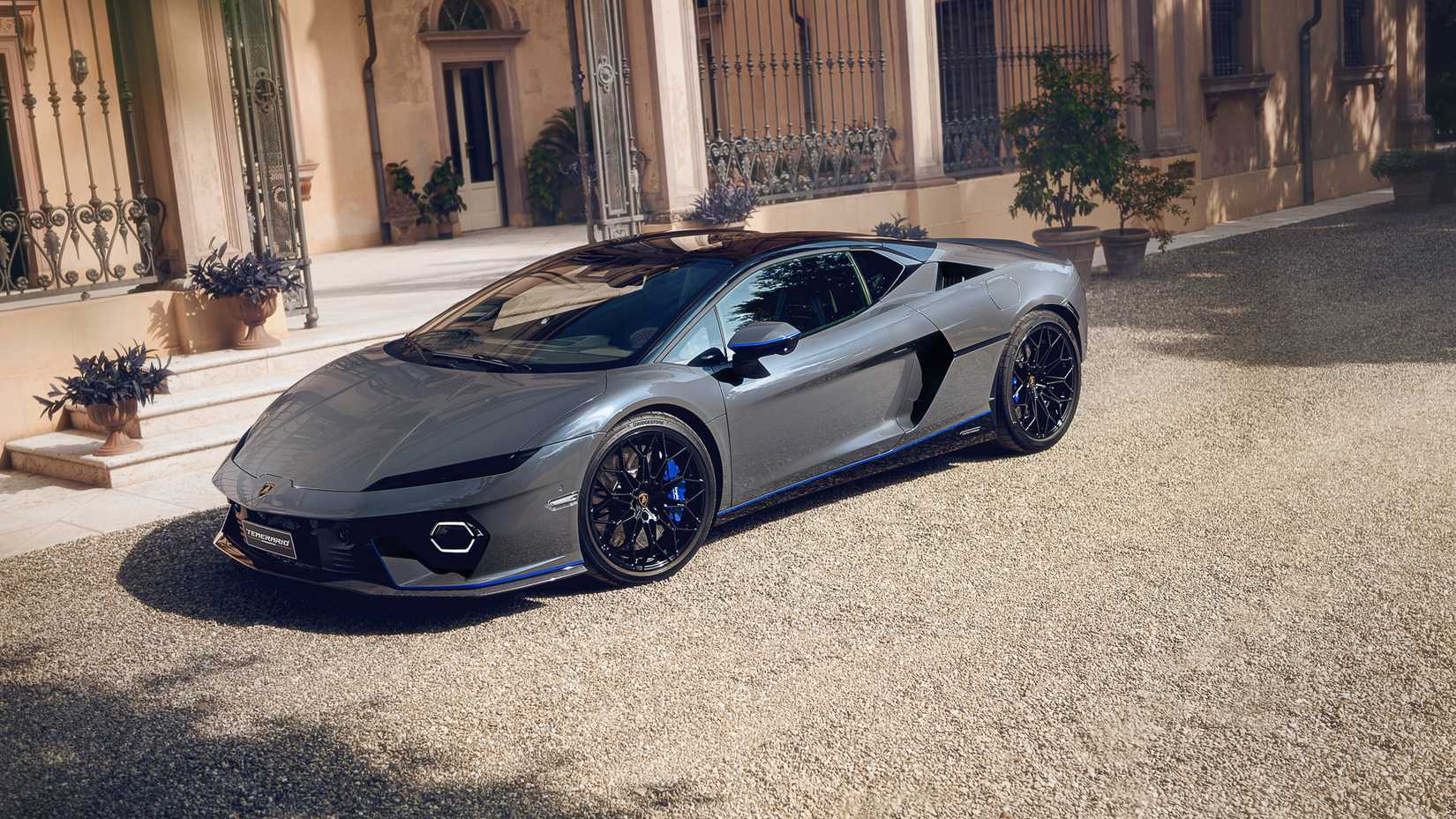
N/A The V8 didn’t die overnight. It was slowly and systematically dismantled by industry-wide forces. The first is an obvious reduction in size with a smaller, boosted engine that gets bigger numbers and better fuel economy. The second is the clear major pivot that the industry has made to electrification. Even brands like Lamborghini are putting hybrids in their supercars, even though they still sport naturally aspirated V12 engines. This, in itself, is a clear sign of the times.
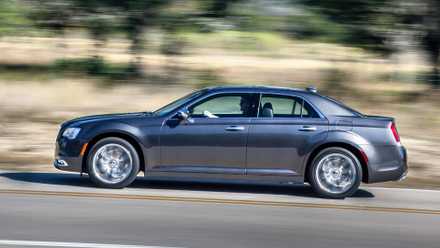

Bulletproof V8 sedan owner drives 300K miles per day
Looking for a reliable V8 sedan? This long-term sedan regularly clocks over 300,000 miles while being a daily driver.
cool hoarder

Have you ever heard the saying, “Follow the money?” It may be a saying, but there is a lot of truth behind it. The auction block and parts list follow where the money is and where it should be, with regards to the NA V8’s performance. These engines are literally being stored not only within the cars they are housed in, but also as bare blocks, to give potential buyers the opportunity to replace them if they wish. Here’s the actual roster being submitted and the numbers behind it.
Engine makers are buying more
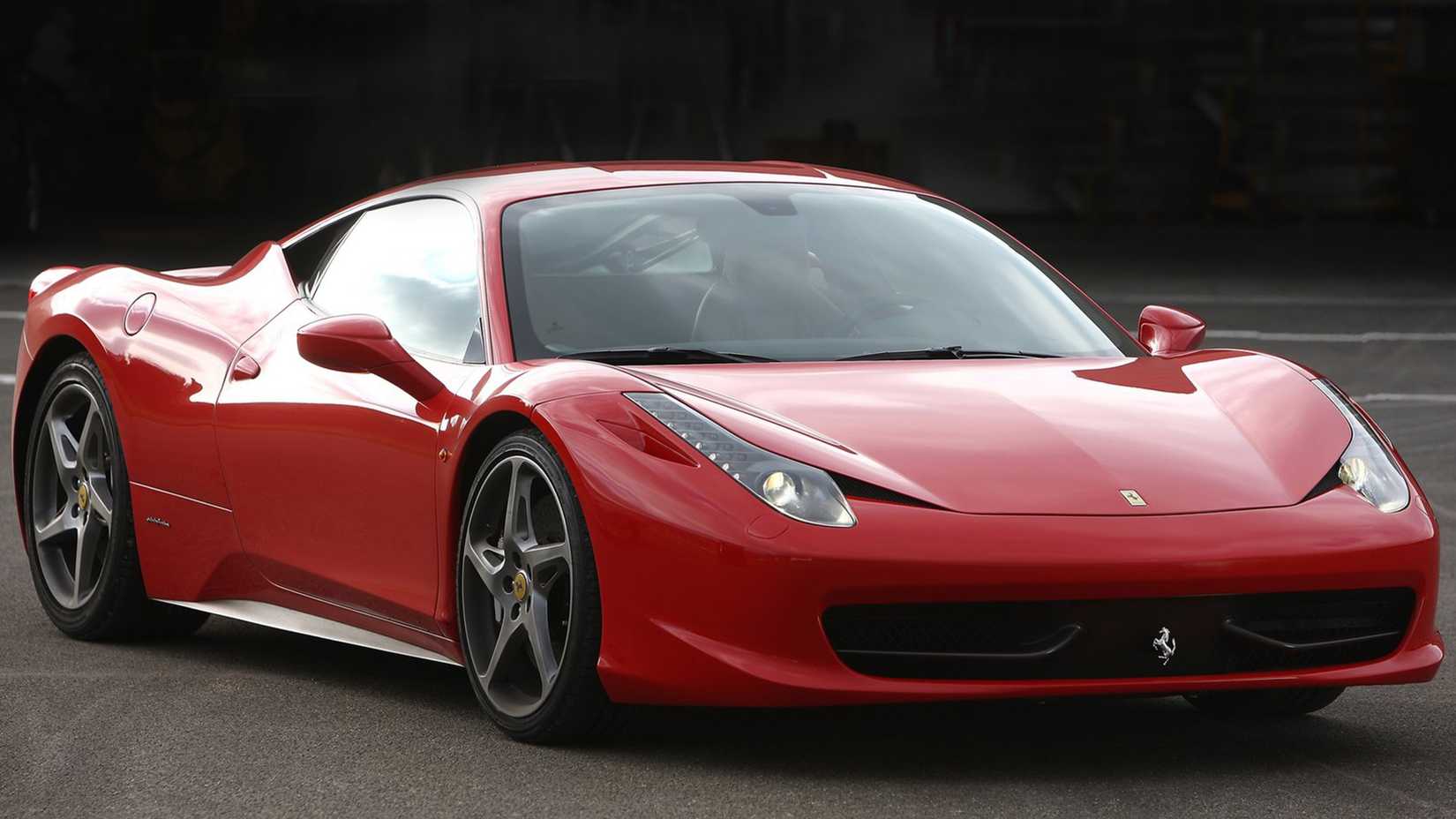
There are five engines in this conversation that really prove the point. It’s not just one country’s V8 either; This concerns German, Japanese (like Lexus), Italian and American-made V8s across the board. Every single one of them is a real, naturally aspirated V8 with limited production. For most of these, they were also the final production runs of their engine family.
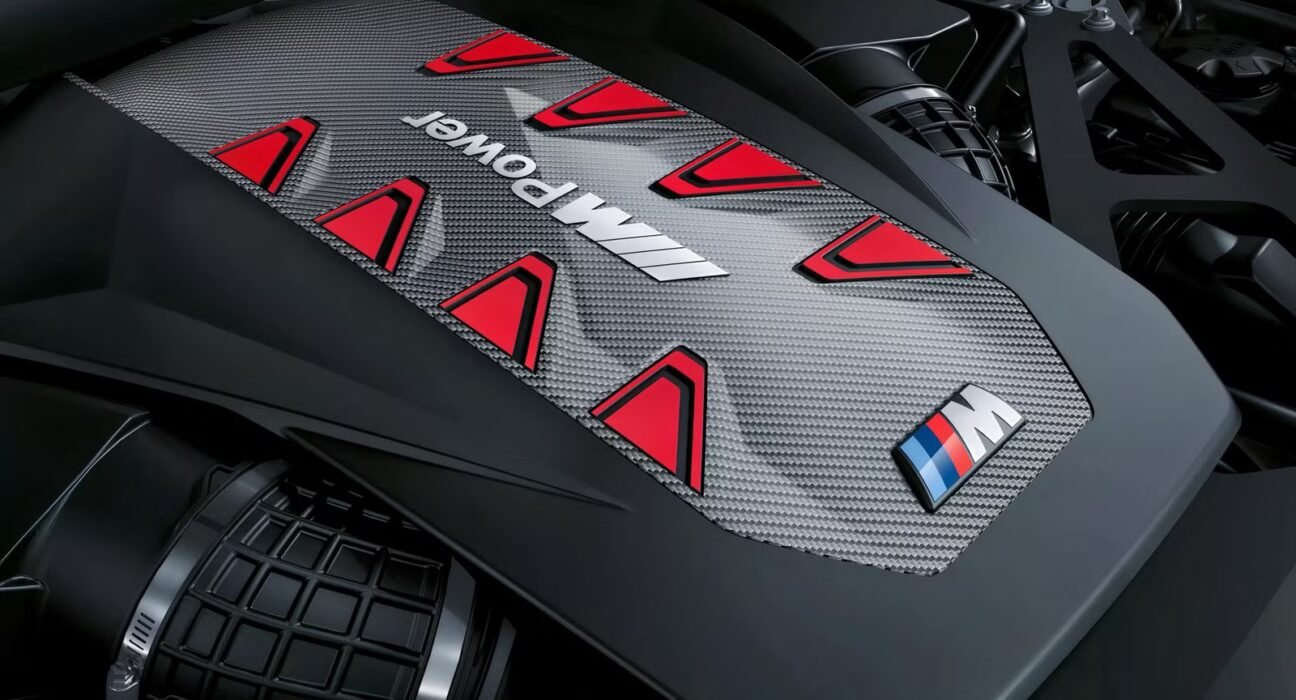
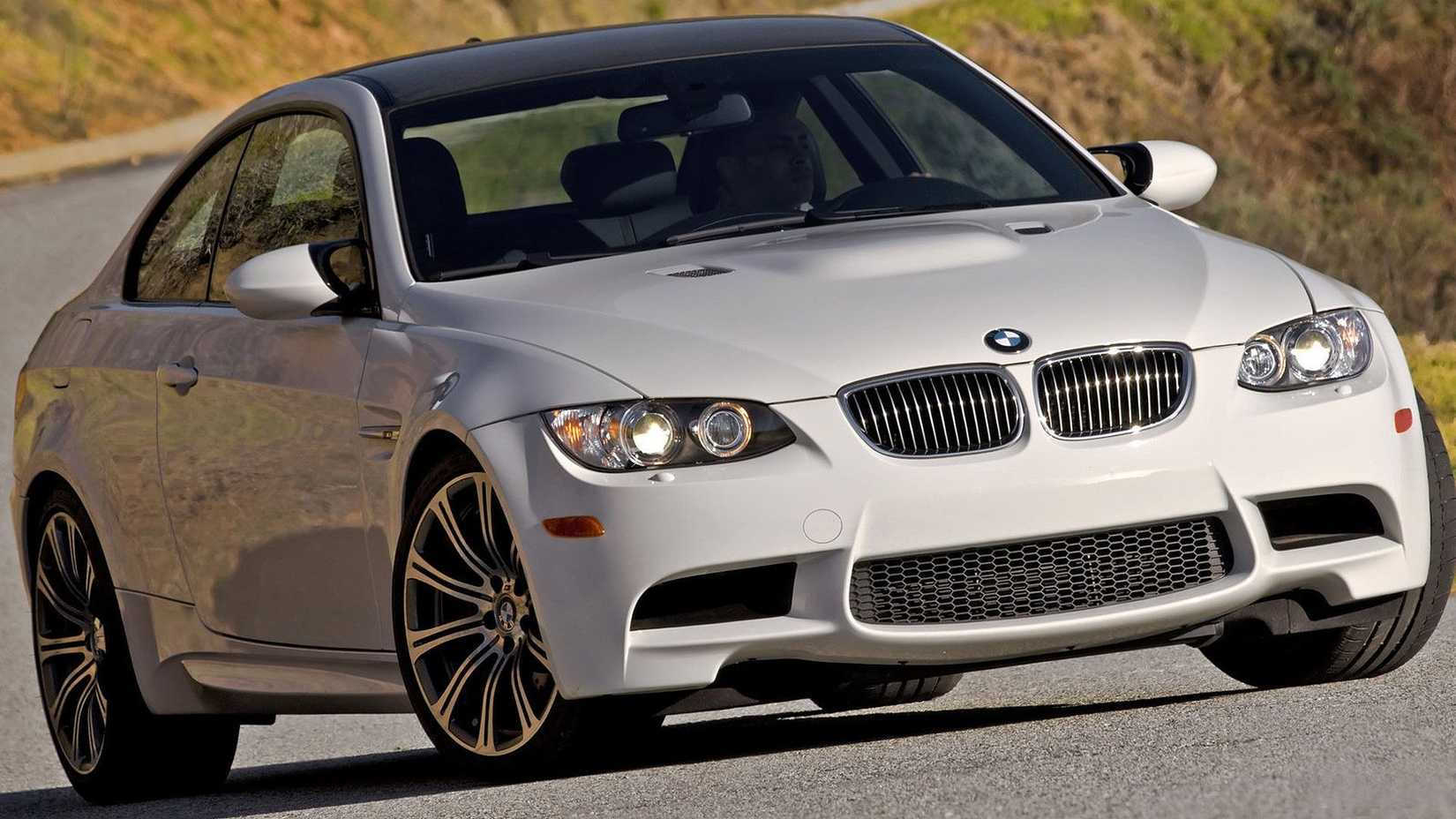
- BMW S65 (E92 M3): 4.0L, 8,300 rpm redline.
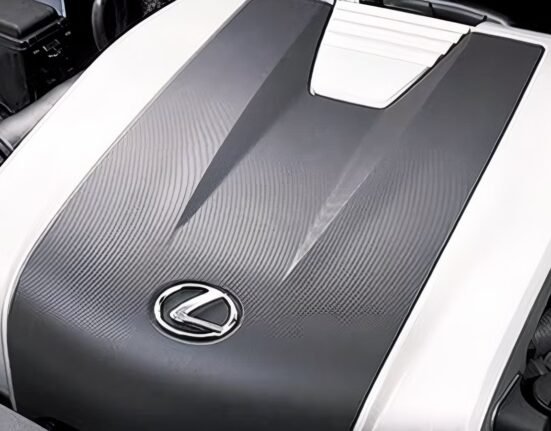
- Lexus 2UR-GSE (LC 500): 5.0 liter, 471 hp at 7,100 rpm
- Ferrari F136 (458 Italia): 4.5L, flat-plane crank, 9,000 rpm redline.
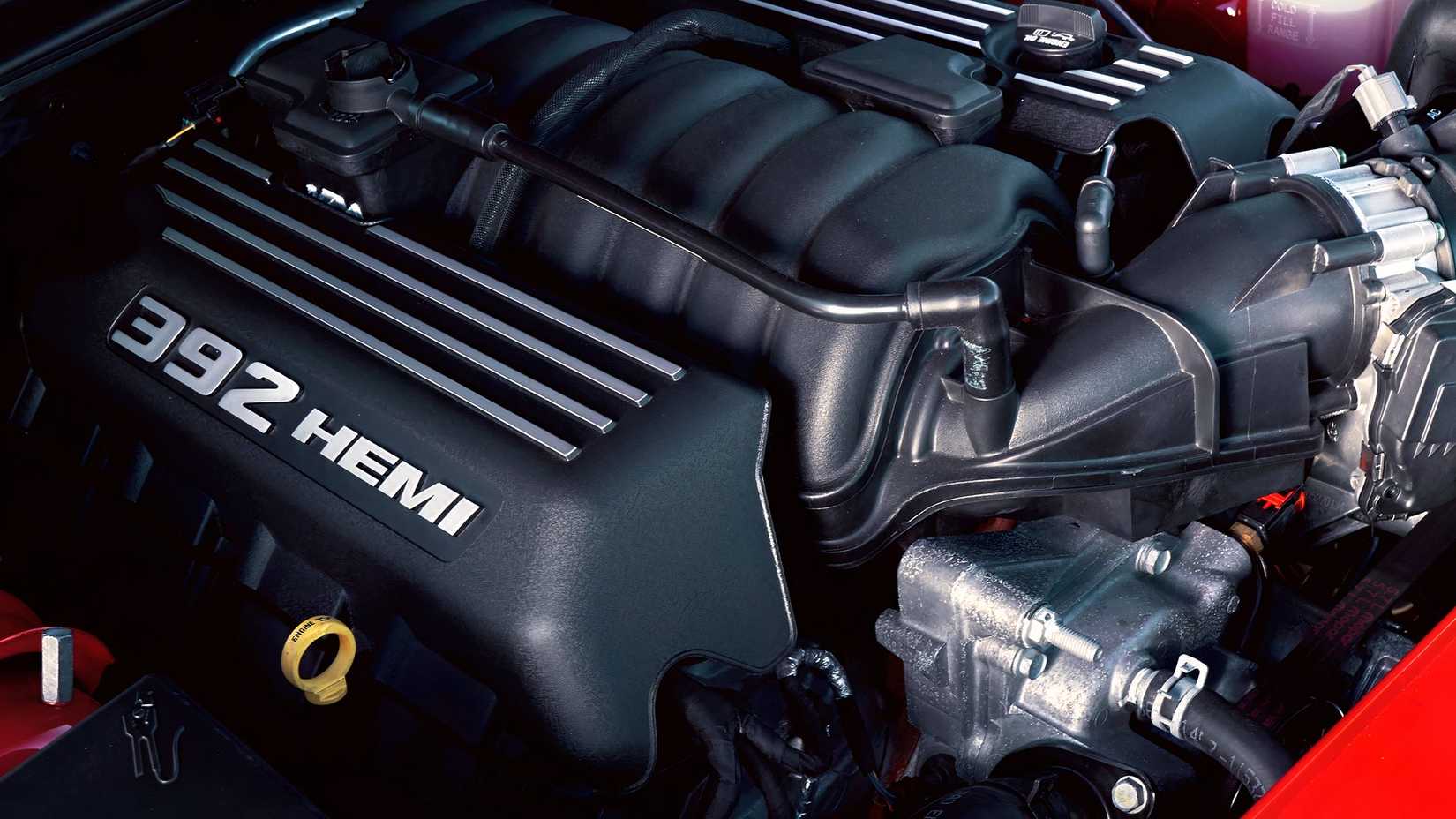
- Dodge 392 Hemi: 6.4L, 475 hp, 470 lb-ft.
- Ford Voodoo (Shelby GT350): 5.2L flat-plane, 526 hp, 8,250 rpm.
What bring a trailer comps actually show
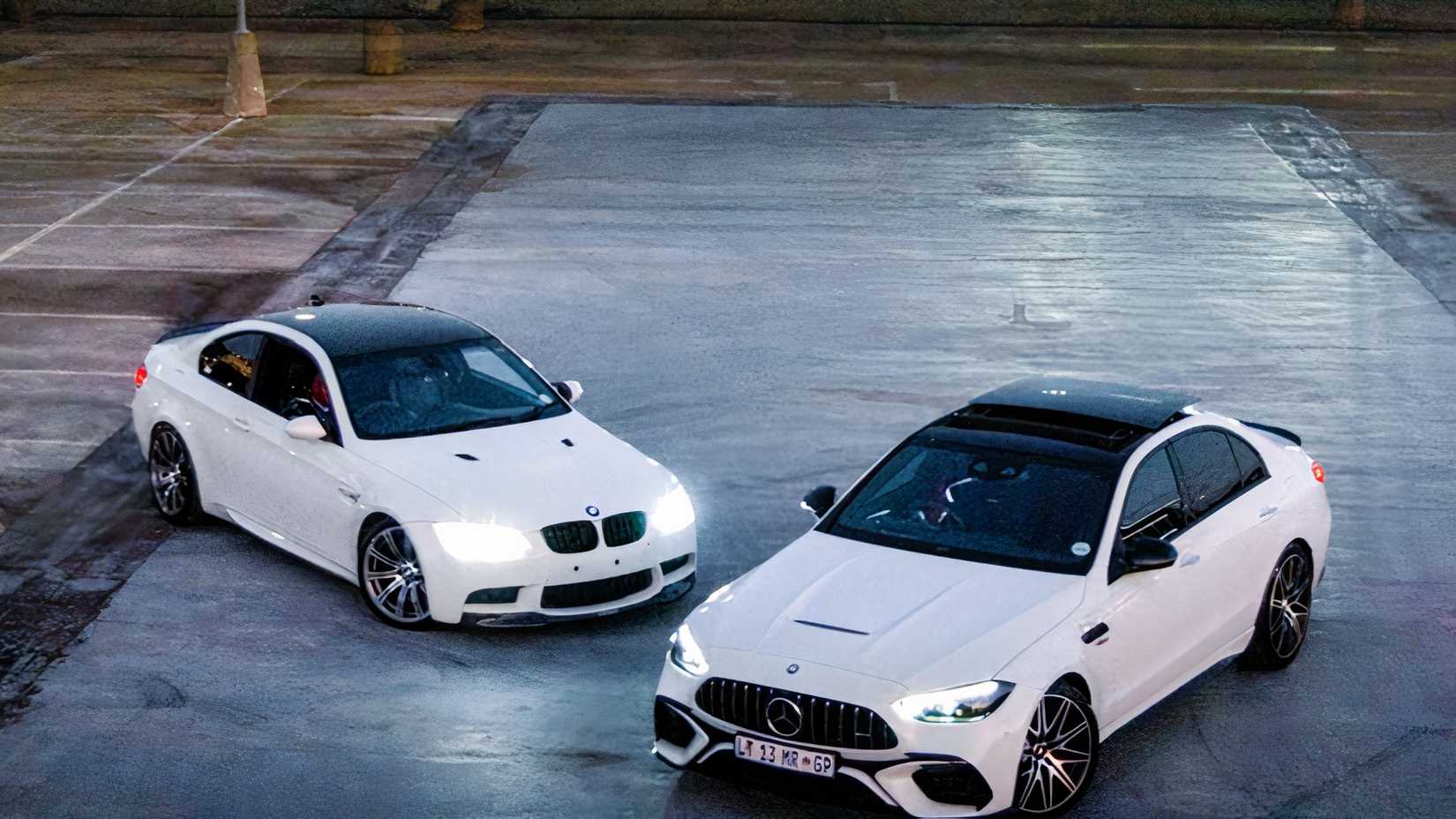
As stated earlier, following the money into the auction venue is where this whole thing starts to become a reality. The most obvious case of this is the BMW S65 engine. Most recently, there was a 725-mile E92 M3 Competition Spec that sold for $212,000 in April 2026. This completely obliterated the E9X’s high of $133,000. Standard transmission competition cars have jumped 10 to 15 percent within an 18-month period. Again, this boom is not limited to cars. Ford introduced the Voodoo as a crate engine. It completely sold out, and you can probably get a GT350 right now bring a trailer.
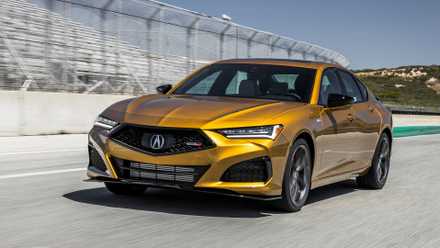
This is why the V-6 engine refuses to die in a world of downsizing
While larger engines are in the works, the V-6 continues to make its way into the modern era of efficient vehicles.
Why are prices increasing now?
Figuratively speaking, this is something of a “last call” on engines of this type. The appreciation in this side of the market is based on the fact that supply is decreasing and demand is increasing. When you include “last of its kind” into the equation, you end up with constant upward pressure in this space instead of a spike and downward spiral.
“The last of its kind,” engine-by-engine price

Each engine has a different story to tell depending on the price. The Ferrari 458 is clearly in the crossover category, and while other brands like Maserati didn’t necessarily use the 458, their move away from the NA Ferrari V8 is a clear indication of that market. The 458 now trades in the low to mid $200,000s. On the other hand, the new price of the Lexus LC 500 is around $100,000. You can still technically buy these from dealers, giving you a chance to get your hands on one before it’s gone. Maybe even give you an appreciated property.
If you think about it, the entire swaps market was built almost exclusively on LS. If you’re a time-tested enthusiast, you’ve probably joked with your friends about something as ridiculous as the Honda CR-V “LS Swap.” The successor to this now obsolete engine is something like the Voodoo, S65, or 392 HEMI.
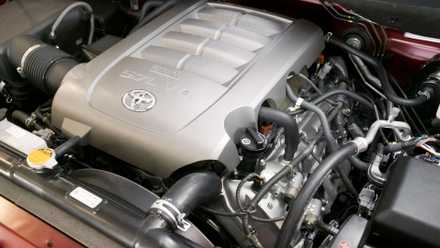
Pickup truck engines owners trust over 300,000 miles
This Toyota V8 engine is known for its proven durability and long-term reliability on and off the road. This is why it is trusted so much.
collector’s window

Realistically, this sense of urgency has nothing to do with Washington tightening its grip on emissions. By 2026, federal emissions are actually projected to decline for the first time in decades. EPA Repealed its federal greenhouse-gas standards for vehicles, one of the largest deregulation actions in its history. Amidst the outcry from consumers, here’s why this rollback really is Dodge revives 392 HEMI for 2026. Now, high-output V8s still cannot be sold in states like California, which enforce “CARB rules.” Other automakers are moving away from these engines by choice and moving toward electrification. Most of these engines went out of production a long time ago, but some are either still in production and making their final stops (Lexus 2UR-GSE) or they are discontinued in some states, such as the 392 HEMI.
- Lexus 2UR-GSE/LC 500: Production will end in August 2026
- BMW S65: 2013 ended
- Ferrari F136: 2015 ended
- Ford Voodoo: 2020 is over
- Dodge 392: back for 2026
How to find the next winner
The five engines we’ve already talked about have clear, established roles. Where the kicker lies is finding out who will be next in line. There are three rules you can use to identify the next naturally aspirated V8 you should consider getting. First, anything that could be considered the “swan song” of a production vehicle. Second, an engine whose performance cannot be easily simulated by forced induction or electrification. This engine sports either a flat plane crank or something that revs well over 7,000 rpm. Finally, a model that has a limited production run with a dedicated owner base.
Terms, miles, and payment paperwork
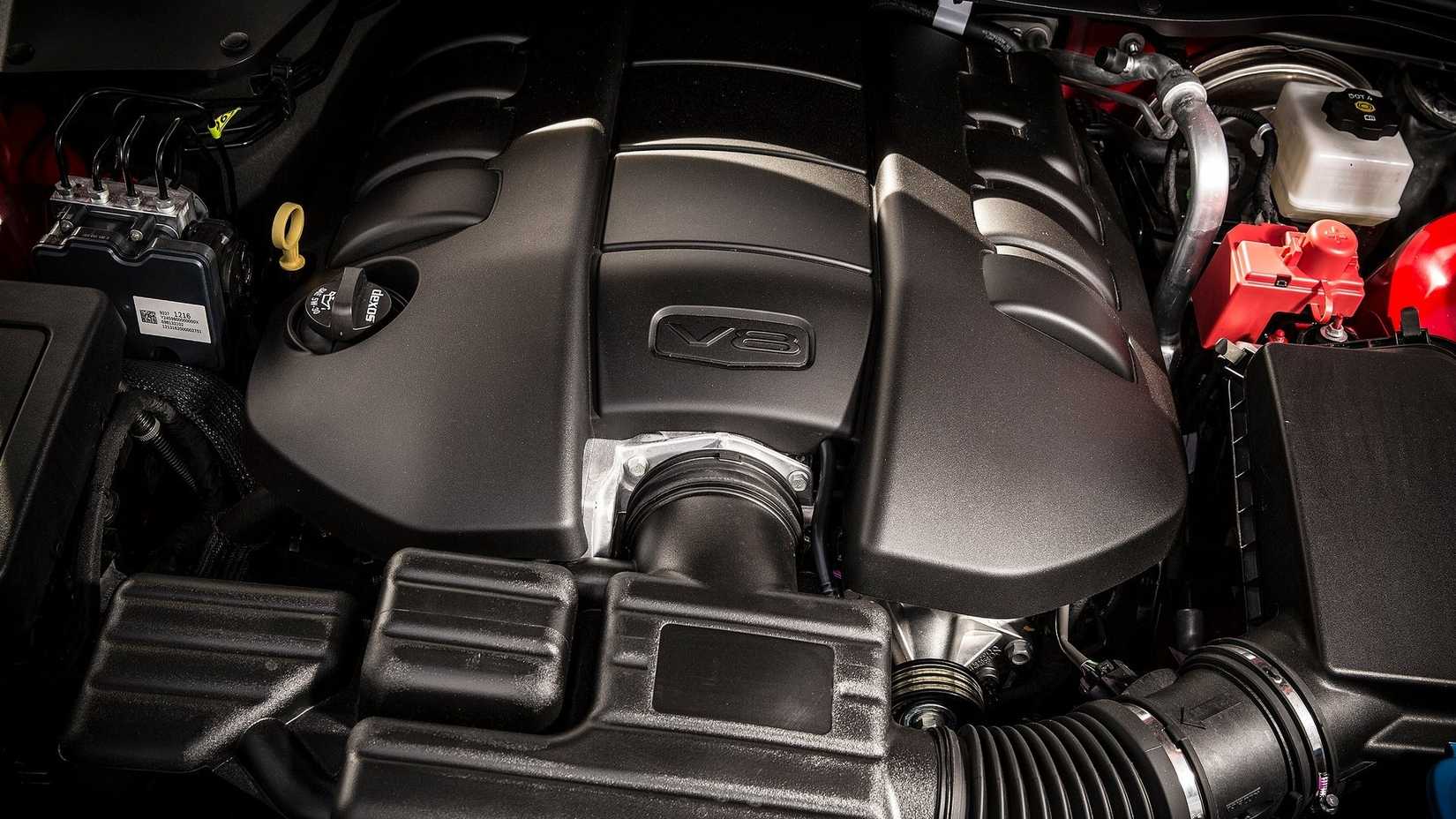
Once you buy an engine with all these features, run, don’t walk, to buy it. Next, finding the right car that has said engine is a discipline in itself. Low mileage and originality command the highest premiums, but documentation of engine maintenance is more valuable than anything else, especially Engines with faulty wiring. For example, the Ford Voodoo absorbs oil like gasoline. Ferrari needs a second mortgage to service it. Low-mileage engines, original (one-off) variants, complete service history and unrestored examples command the right premium.
Source: Ferrari, Lexus, BMW, Ford, EPA, KBB