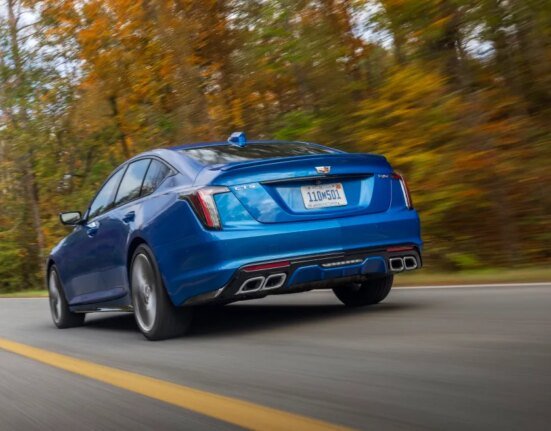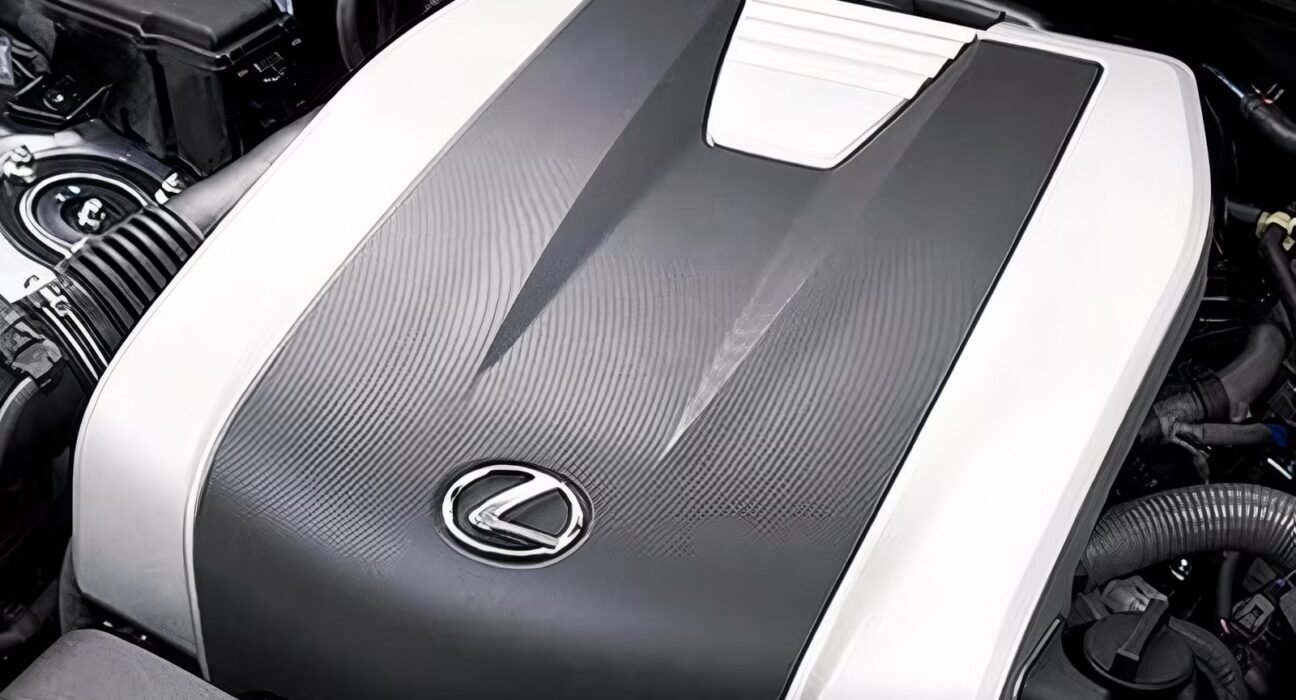
2026 JD Power Vehicle Dependability Study (VDS) DropA massive reality check was conducted on the luxury car segment, and the results are a definite testament to the old-school engineering philosophy. While rival premium brands attempted to tighten fuel standards over the past decade by swapping displacement for complex, highly strung little turbochargers, Lexus quietly stuck to its guns.
The strategy was successful. The compact Lexus IS sedan was named the most reliable model overall in the 2026 study. Additionally, Lexus took the top spot among premium brands for the fourth consecutive year, recording 151 problems per 100 vehicles (PP100), an impressive feat compared to the industry standard 204 PP100. The mechanical underpinning of this historic triumph is a classic, naturally aspirated V6 powerplant that stands as the ultimate mechanical antidote to the industry’s downward reliability trend.
Why is the luxury segment collapsing?
industry recession
The macro view of the 2026 VDS reflects a turbulent era for automotive quality. Long-term vehicle dependency has declined for three years, with the industry average climbing to a troubling 204 PP100, an increase of two PP100 year-on-year. While buggy over-the-air (OTA) software updates and glitchy touchscreen infotainment systems were responsible for about half of the reported headaches, the performance of the premium segment was significantly worse than mass-market vehicles, with the quality gap between luxury and mainstream vehicles widening to 17 PP100.
downsizing illusion

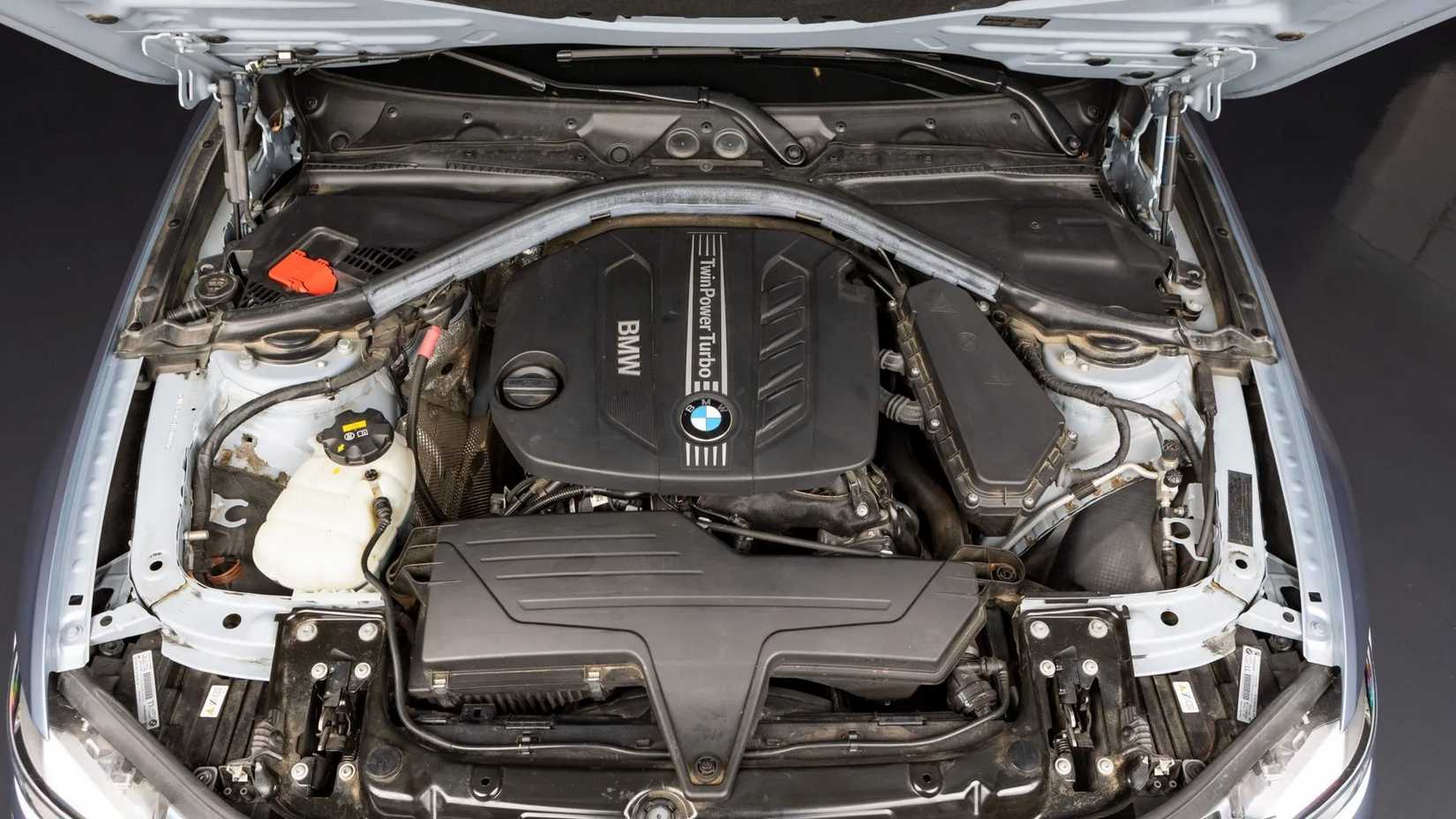
Behind the software glitches lies a deeper mechanical crisis: the downsizing illusion. To satisfy regulatory spec sheets, luxury automakers replaced large, free-breathing engines with highly pressurized, small-displacement turbocharged powerplants. This change forced smaller engines to work twice as hard to push the heavier premium chassis, causing unprecedented thermal stress and mechanical stress in daily driving, thus resulting in lower reliability scores and more problems per 100 units.
Anatomy of 2GR-FKS
Over-engineered vitals
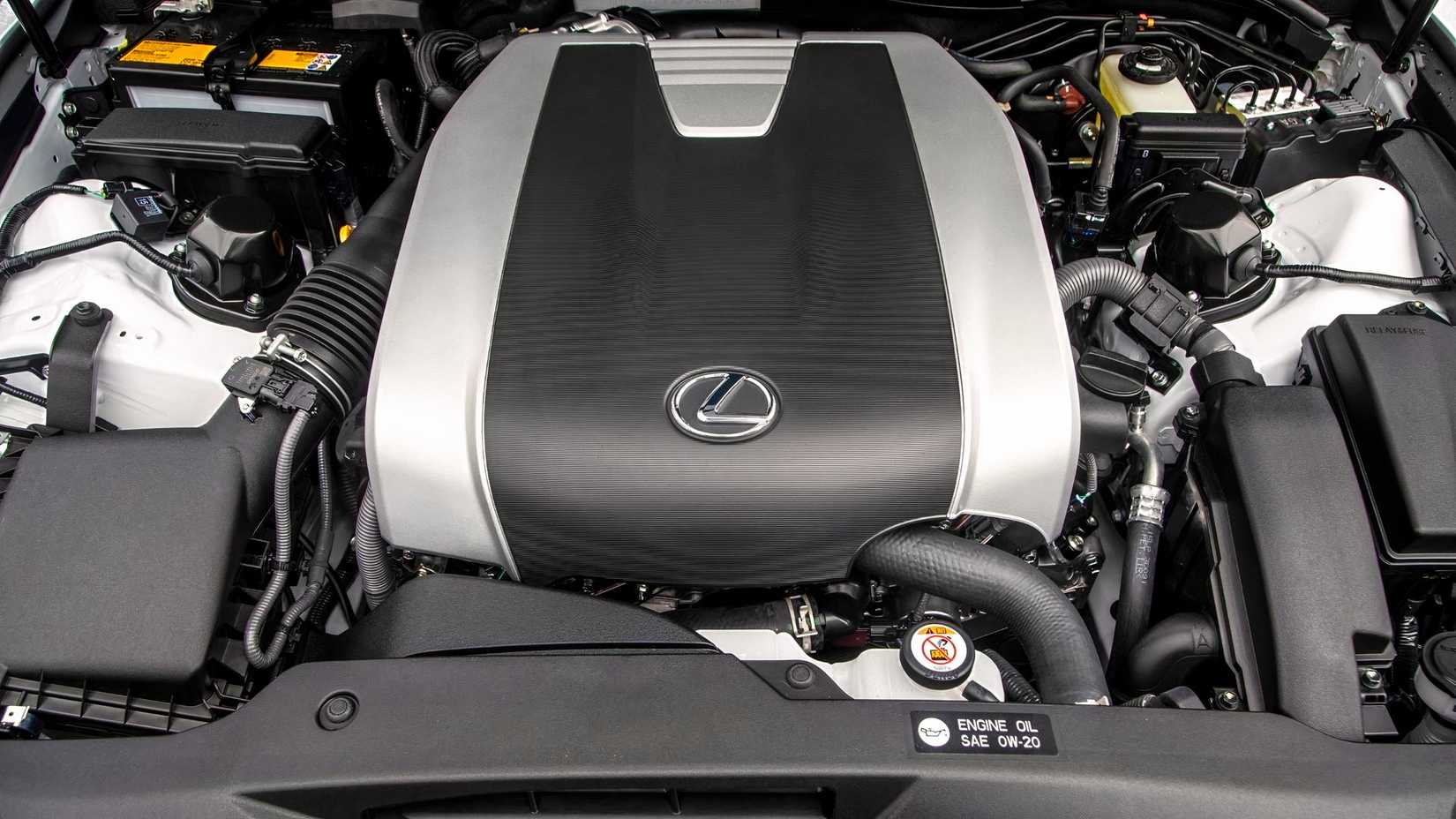
The real hero behind the chart-topping reliability of the Lexus IS is its powerhouse: Toyota’s famous 3.5-liter naturally aspirated 2GR-FKS V6, which has been in use for more than a decade. Operated by a completely different set of rules than its competitors, this engine produces a highly competitive 311 horsepower and 280 pound-feet of torque. The V6 unit has earned its reputation for reliability due to its balanced 11.8:1 compression ratio, D-4S dual port-and-direct injection and conservative thermal tolerances. As one of the last non-turbocharged V6s in the luxury segment, the 2GR-FKS proves that a luxury vehicle does not need forced induction to deliver immediate, linear performance.
2GR-FKS Specifications
|
production year |
since 2014 |
|---|---|
|
displacement, cc |
3456 |
|
cylinder block |
Aluminum V6 |
|
block chief |
aluminum 24v |
|
fuel system |
joint injection |
|
Power output, HP |
311 |
|
Torque output, pound-feet |
280 |
|
cylinder bore, mm |
94 |
|
piston stroke, mm |
83 |
|
compression ratio |
11.8 |
|
fuel type |
petrol |
|
fuel consumption – City – Highway – Joint |
20 mpg 28 mpg 22-23 mpg |
proven reliability
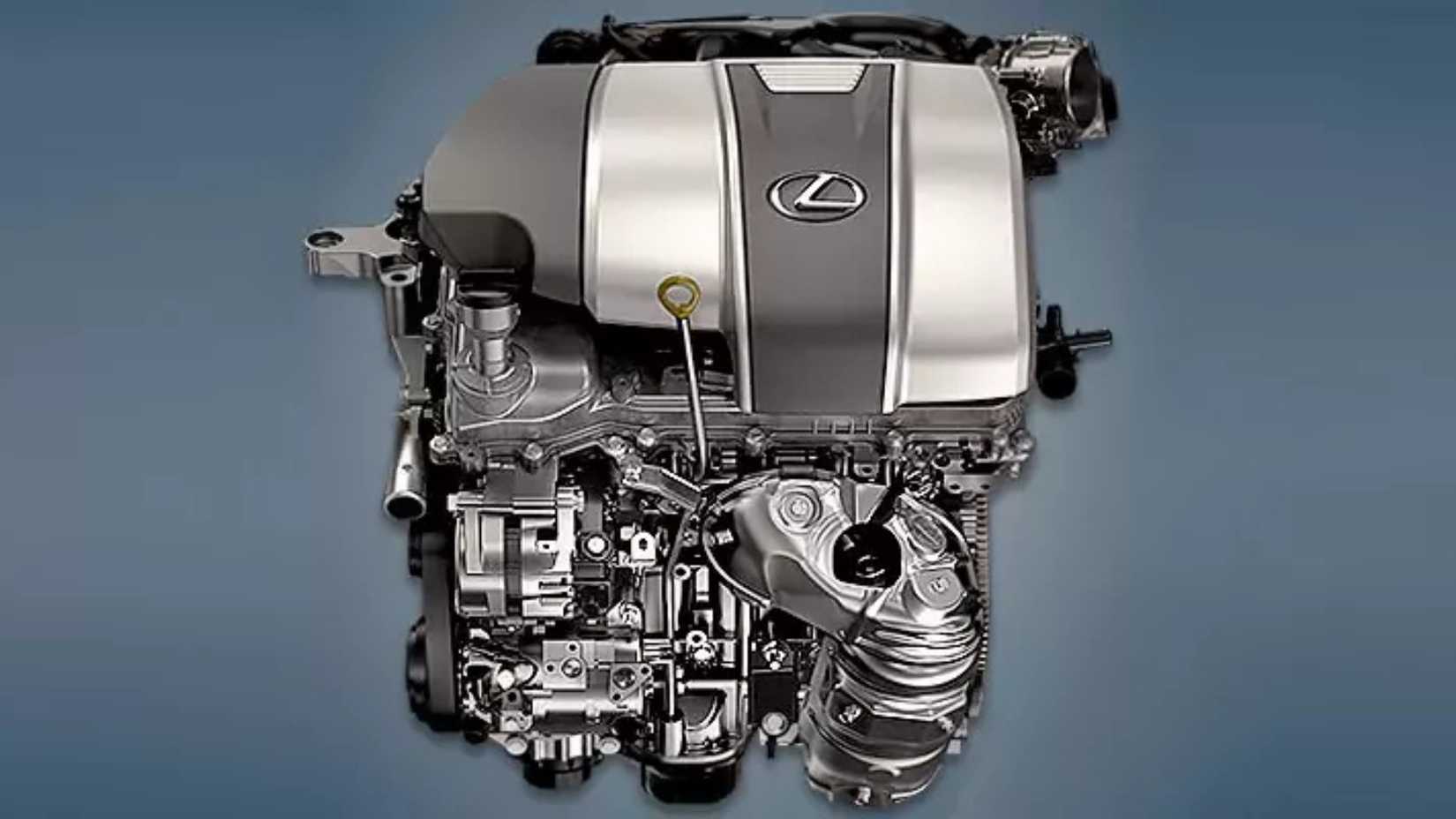
Unlike the experimental, rapidly iterative powertrains of its European and domestic rivals, the 2GR engine family has been carefully refined for more than a decade. Built on an all-aluminum block with a forged steel crankshaft, forged connecting rods and a strong triple-timing-chain system, this architecture avoids the common fatal flaws of modern engines. It’s a formula that delivers 200,000 to 250,000+ miles on original internal parts with regular basic maintenance, as documented by owners.
Strategic Contrast: Lexus Conservatism Vs. turbo trend
“Unstressed” advantages over high-strung four-cylinders
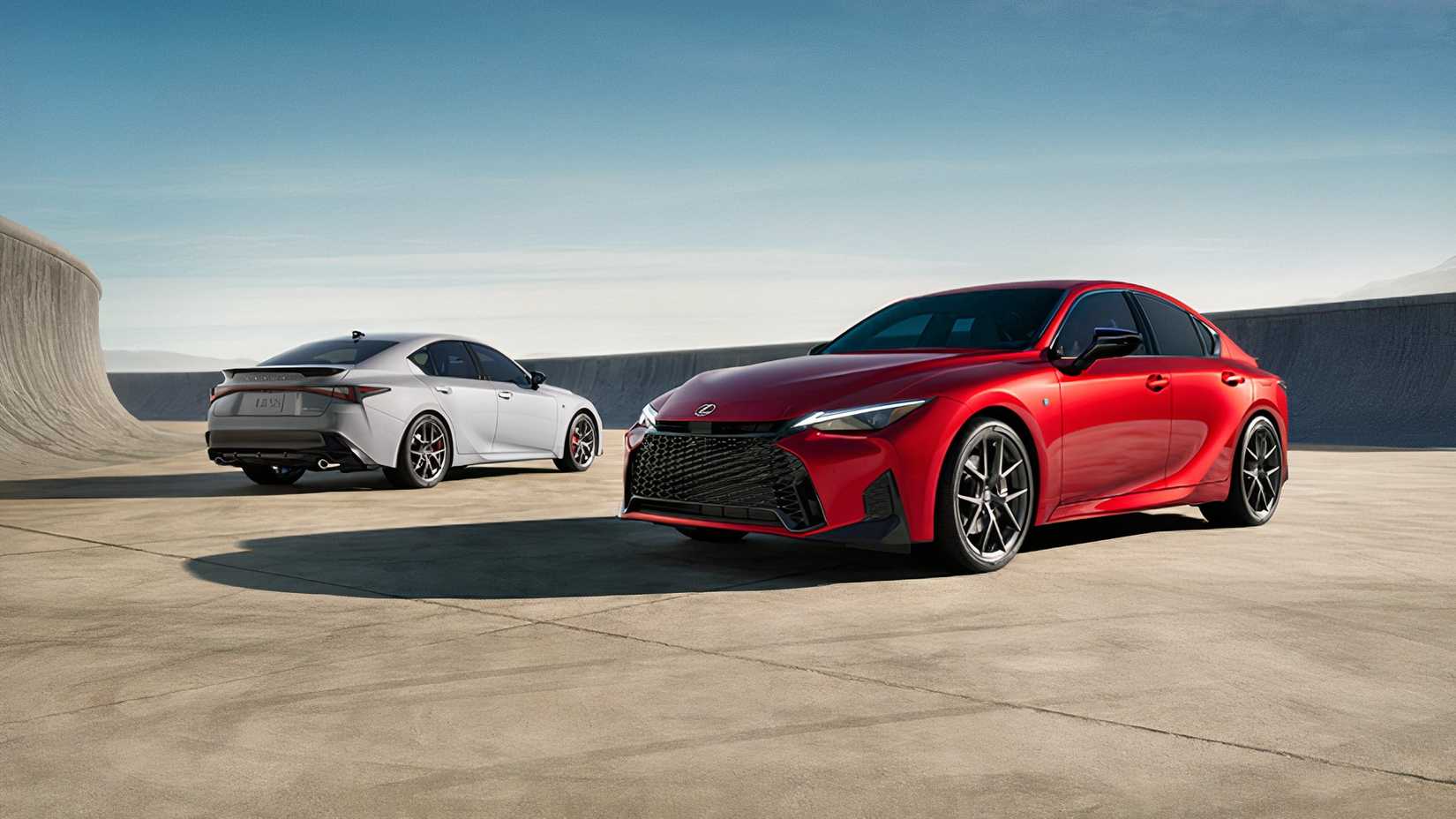
When you compare a relaxed 3.5-liter V6 trying to pull a 3,800-pound luxury vehicle with a heavily boosted 2.0-liter inline-four, the laws of physics favor displacement over forced induction. The 2GR-FKS operates well within its mechanical comfort zone, significantly reducing component fatigue, gasket degradation and timing chain stretch over long-term ownership.
The ticking time bomb of out-of-warranty forced induction
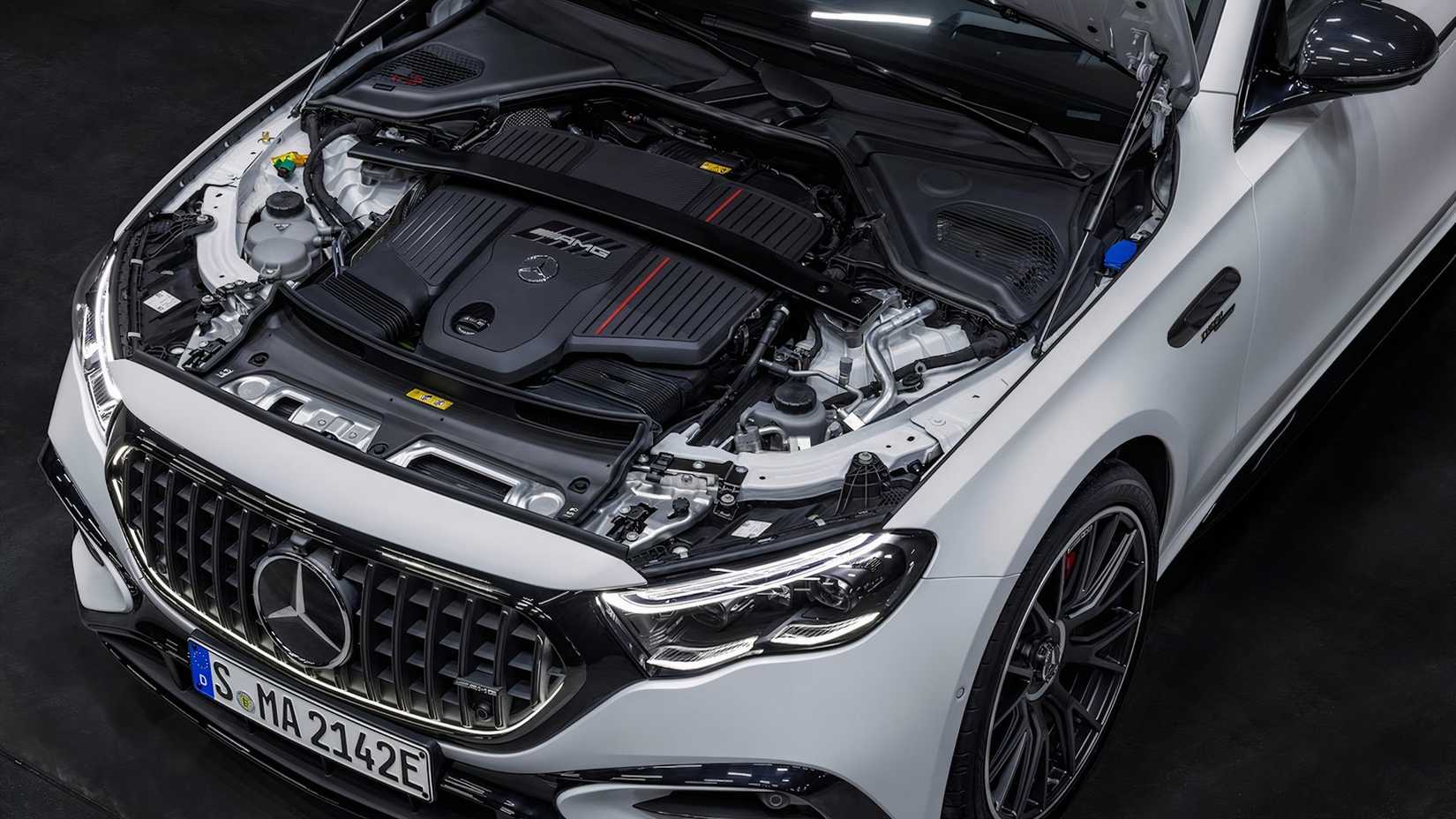
Modern luxury buyers are increasingly discovering that turbos out of warranty are financial landmines. The intense heat generated by the turbocharger cooks plastic fittings, hardens oil seals and corrodes engine bay wiring. Lexus willingly accepts minor fuel economy losses on paper in order to offer long-term buyers a drivetrain free of delicate components like wastegates, complicated intercooler plumbing, and inevitable, expensive turbo replacement.
mechanical longevity appeal
Validating the purist in a spec-sheet obsessed market
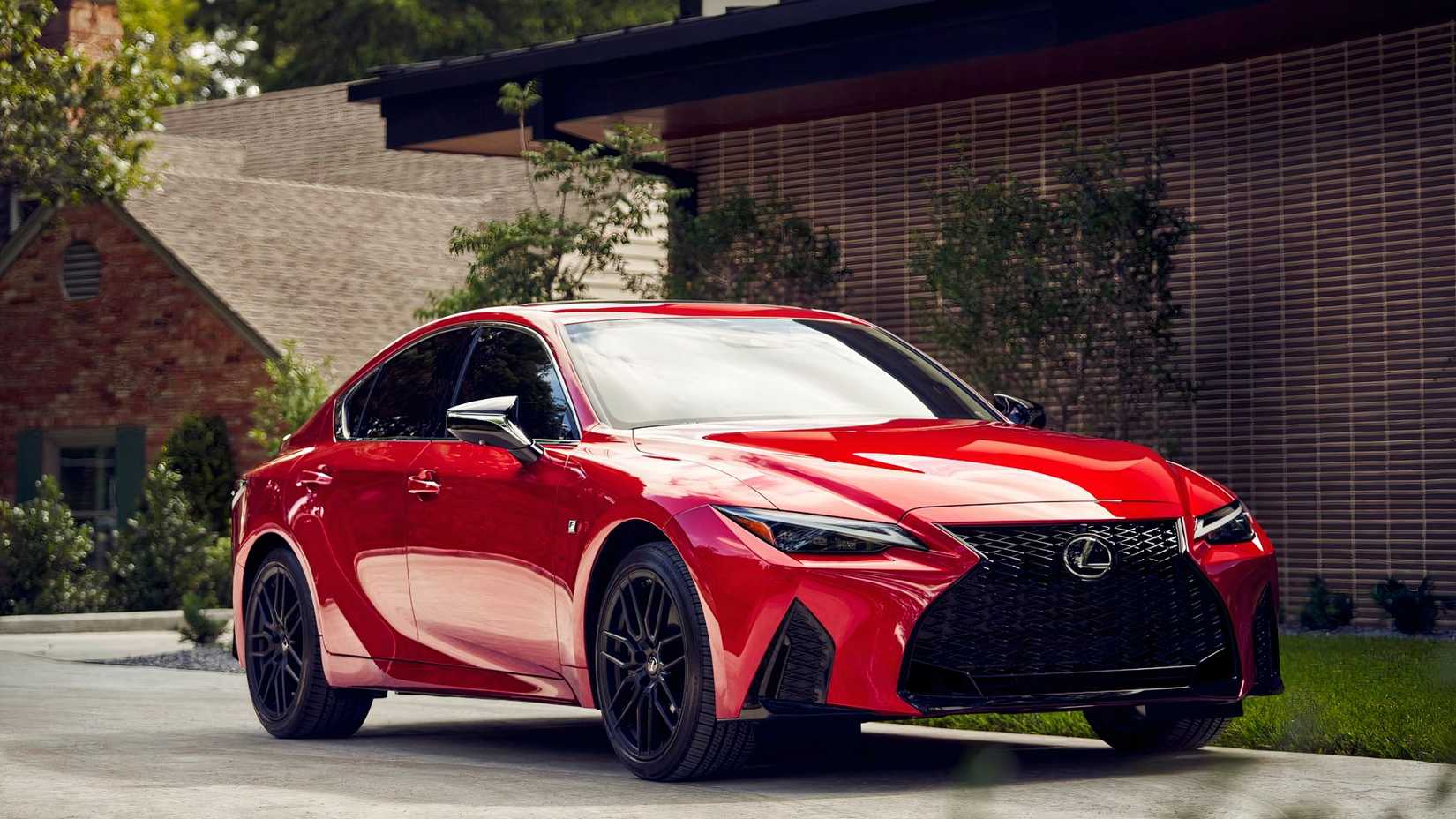
The 2026 dependability metrics validate an audience that automotive marketers often ignore: mechanical purists. In a market obsessed with gimmicky screens and peak torque numbers that exist only on a dyno graph, long-term owners care about physical flexibility. The linear power delivery and throttle response of this V6 provides a driving authenticity that cannot be replicated by a smaller turbo engine.
Serviceability and fading maze under the hood
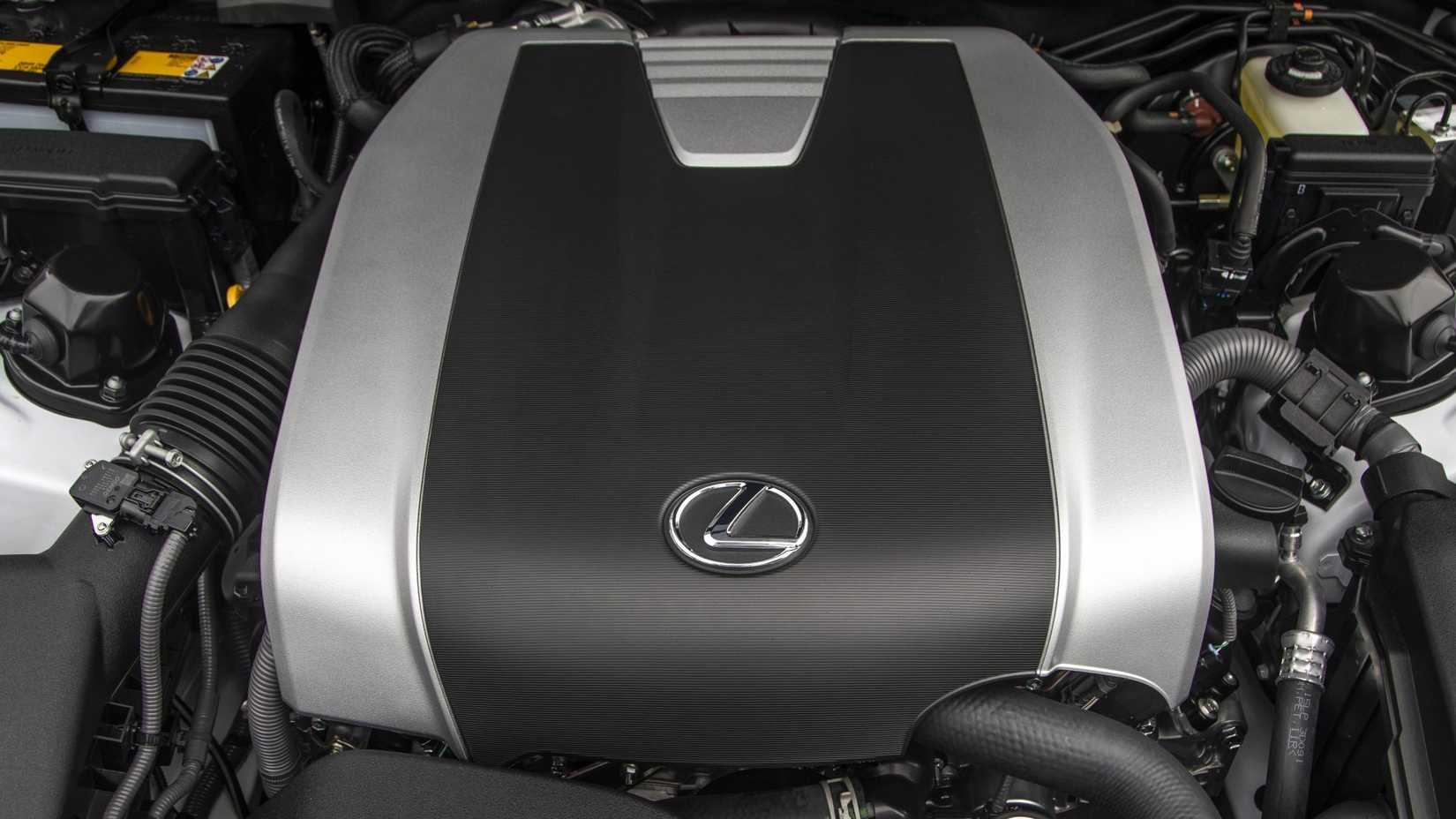
Open the hood of a modern turbocharged premium sedan, and you’ll find a dizzying maze of vacuum lines, secondary radiators, and delicate sensors. The Lexus IS 350 retains a clean, spacious engine bay layout. This mechanical transparency makes the vehicle easier to diagnose, makes service cheaper, and establishes it as a future DIY-friendly classic.
Nothing highlights the engineering contrast between the Lexus 2GR-FKS and its turbocharged European or domestic rivals like a timing chain service breakdown. In modern automotive service bays, the timing chain is no longer a “lifetime” part by default. For many highly powerful turbocharged engines, this has become a high-revenue maintenance milestone. This is how the Service Bay Showdown unfolds when comparing the Lexus 3.5-liter V6 to the B48 2.0-liter turbo inline-four that powers the current BMW 330i.
|
Service and engineering factors |
Lexus IS 350 (2GR-FKS 3.5L NA V6) |
BMW 330i (B48 2.0T I4) |
|---|---|---|
|
engine architecture |
Naturally Aspirated 3.5-Liter V6 |
Turbocharged 2.0-liter inline-4 |
|
time series space |
Front Side (Traditional/Accessible) |
Rear-mounted (pressed against the firewall) |
|
service of process |
Remove the radiator and front cover; The engine remains in the car. |
The entire engine must be removed or the transmission must be dropped to access the rear. |
|
primary failure risk |
Extremely rare (usually requiring severe, long-term oil neglect). |
Estimated mid-life wear (turbo heat bakes and cracks plastic chain guides). |
|
typical lifespan |
“Lifetime” (regularly clears 200,000+ miles/320,000+ km). |
Inspection/replacement is often required around 100,000 miles (160,000 km). |
|
labor time required |
8 to 12 hours |
18 to 24+ hours |
|
Estimated Cost (USD) |
$1,500 – $2,200 |
$3,500 – $5,000+ |
The price difference is not the cost of the steel chain; There is hard work required to reach it. Lexus engineers kept the timing system accessible at the front of the engine bay. BMW prioritized perfect 50:50 weight distribution and tight packaging, moving the timing assembly to the rear of the high-heat, high-pressure engine block, where service required extensive teardown.
2026 JD Power The Vehicle Dependability Study serves as a stark reminder that true luxury is defined by the longevity of engineering, not fleeting technology or short-lived complexity. As the automotive world moves rapidly toward hybridization and full electrification, the 2GR-FKS V6 stands as a monument to the pinnacle of internal combustion refinement. Lexus IS It outperformed its flashy, high-tech rivals only because its creators refused to overcomplicate the art of engineering.
Sources: Lexus, JD Power, iCars, RepairPal