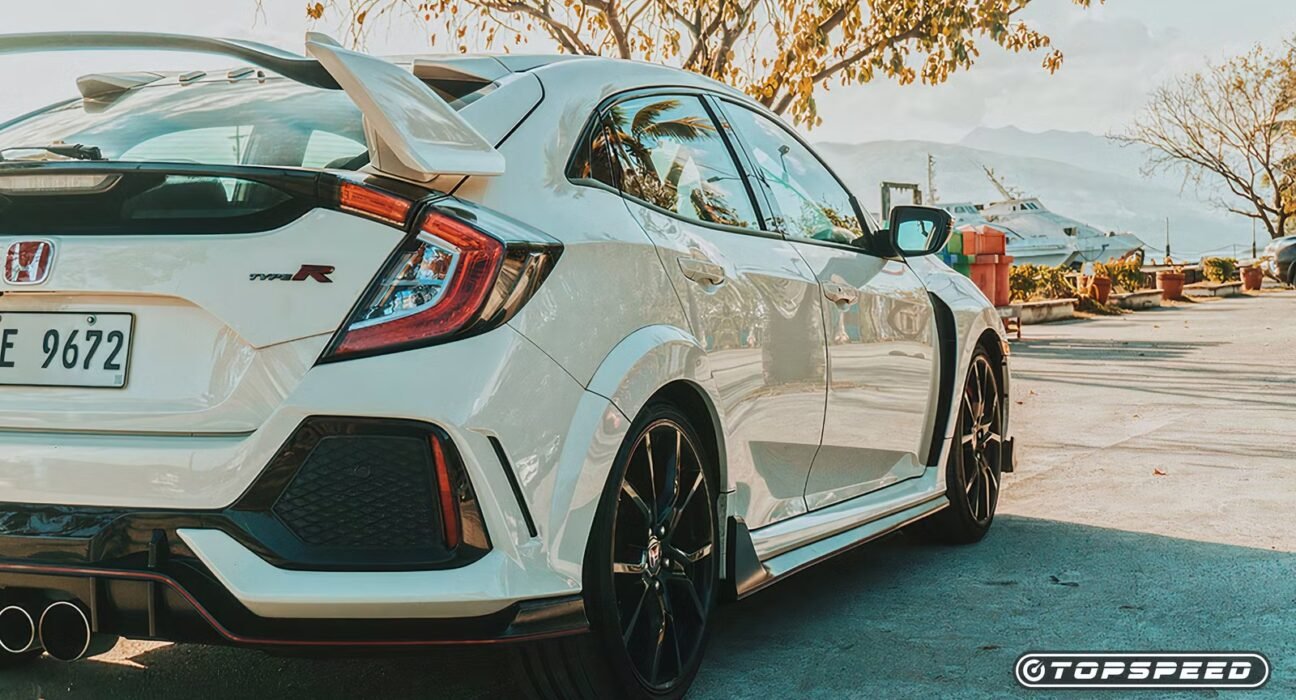
A new op-ed published by The Drive on July 20, 2026 positions dealer markup and used car price inflation as a potential threat to enthusiast car culture – and the numbers behind the argument are hard to dismiss. Entry-level performance cars that once served as affordable on-ramps to the hobby have quietly fallen out of reach for young buyers, with used prices on models like the Mazda MX-5 Miata, Subaru WRX and Ford Mustang climbing well above their pre-pandemic baseline.
The concern is not abstract. The 2019 Miata that traded for around $22,000 in 2021 is now worth closer to $28,000 on the used market – an increase of about 27 percent over a car that hasn’t been mechanically changed. The WRX, Civic Si, and base Mustang tell similar stories. For a 22-year-old trying to buy his first enthusiast car, this difference is not an integer error. It’s the difference between getting involved in a hobby and abandoning it altogether.
Used car shortages and dealer markups are both exacerbating the problem
Two forces are working together against entry-level buyers, and it makes sense to separate them. The used car shortage — caused by pandemic production shutdowns and the subsequent chip shortage — has reduced the supply of older model used vehicles across the board. When inventory tightens, prices go up, and even enthusiast-friendly models are no exception. Both the WRX and Civic Si were produced in limited quantities compared to mainstream sedans, which felt intensely squeezed.
Dealer markups on new cars added another layer of pressure. During the 2021-2023 supply shortage, it became routine for dealers to add $3,000 to $10,000 in market adjustments above MSRP on high-demand models. A new Mustang GT or BRZ that costs $32,000 often sells for $38,000 or more. This increased the transaction price baseline, resulting in increased used car values when the same vehicles re-entered the market. Both Kelley Blue Book and CarAge have tracked this dynamic, noting that above-MSRP transaction prices distort used car floors years after the original sale.
Who has more responsibility – the vehicle manufacturer or the dealer?

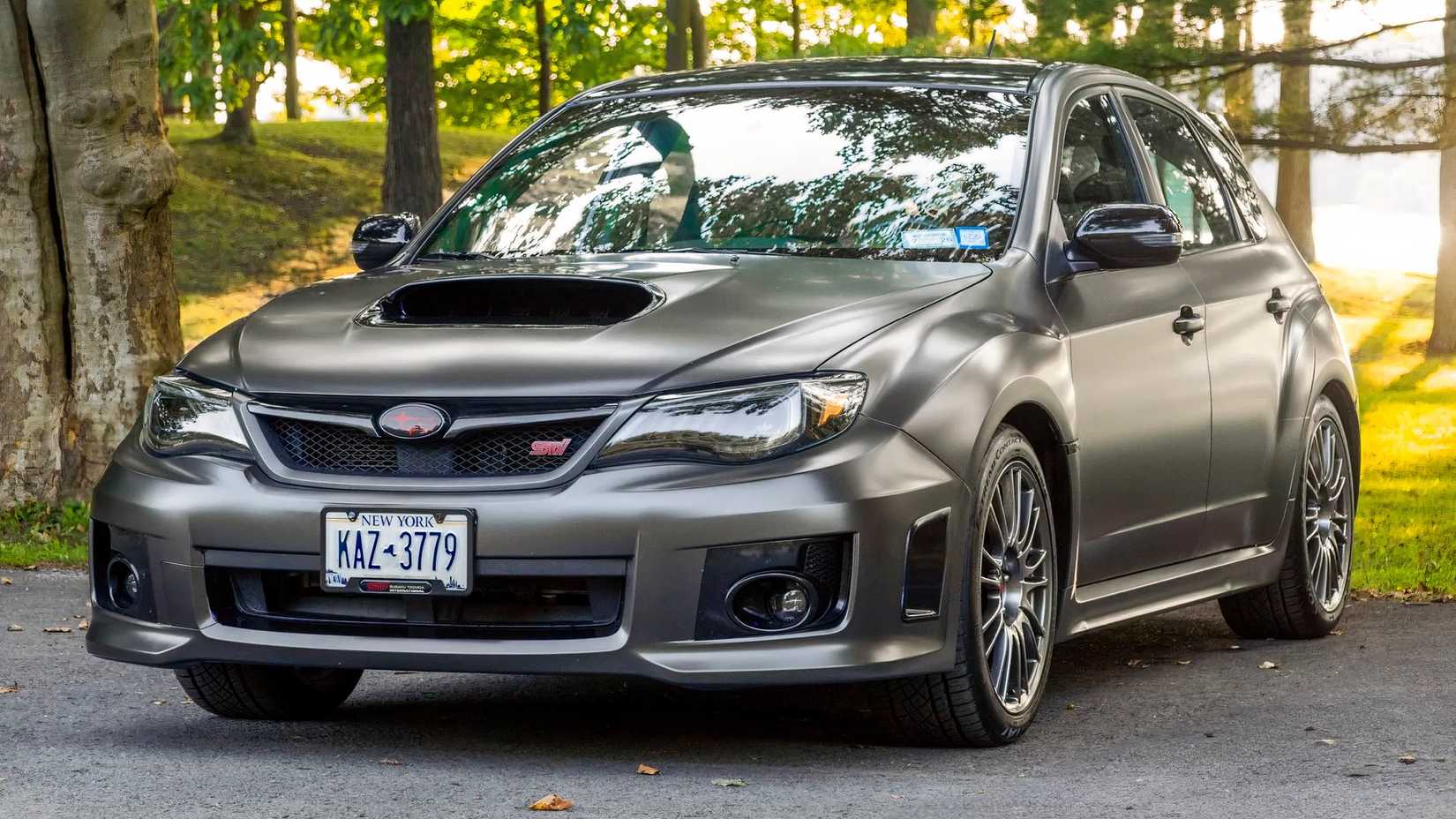
The honest answer is both, but for different reasons. Automakers set production volumes, and for years the industry has deliberately constrained production on enthusiast models to protect resale values and maintain a sense of exclusivity. Fewer WRXs being built means fewer WRXs are available for use. This is a structural choice, not an accident.
Dealers, operating as independent franchises, react to market conditions – but the markup culture that caught on during supply shortages doesn’t fully retreat when inventory returns to normal. Consumer Reports continues to find specific models selling above MSRP even as dealer lots refilled. The result is a market where the new car price level is artificially high and the used market belatedly reflects that elevation. Young buyers, who are more likely to purchase for the sake of purchase and who have less ability to leverage negotiations, suffer the most.
What this means for the future of car culture
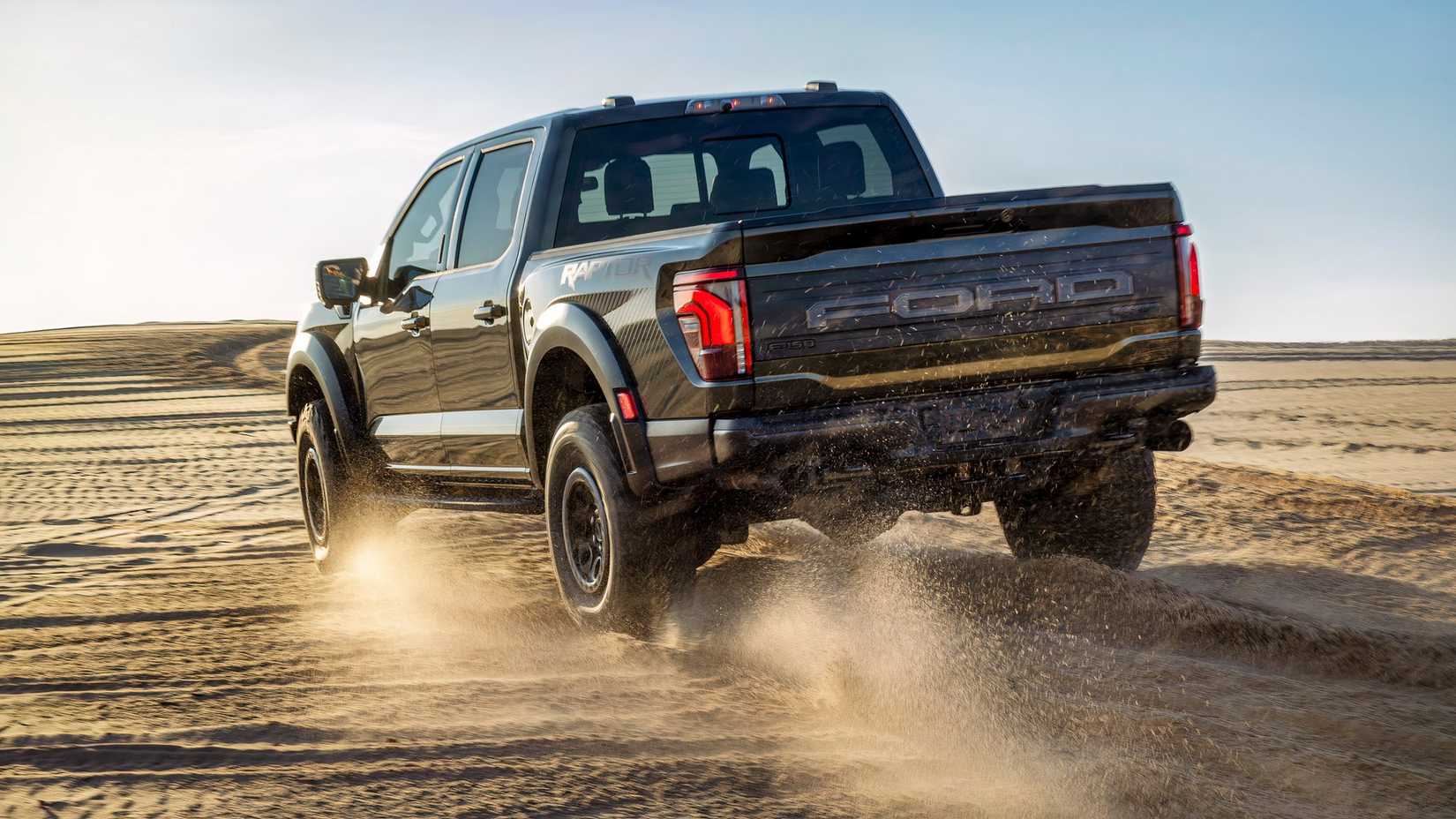
The generational stakes are real. Enthusiast car culture has always been self-fulfilling – a teenager buys a beat-up Civic hatchback, learns to wrench on it, upgrades to a WRX, and eventually becomes the guy at the car show with a built-in STI. That pipeline depends on affordable entry points. When those entry points move up into the market, the pipeline narrows.
The outline of the drive – that short-sighted profiteering is undermining the long-term health of the hobby – echoes a concern that comes up repeatedly in enthusiast communities. Subaru’s own sales momentum, as noted in recent industry coverage, is partly driven by a change in the culture around the brand. But that culture is only sustainable if new buyers can afford to participate. A $30,000 used WRX is not a starter car. Neither is a $28,000 used Miata. If the next generation of enthusiasts can’t get in the door, the car shows, mod shops, and marques that depend on sentimental ownership all eventually feel it. The data shows that this is not a hypothetical – it is already happening.