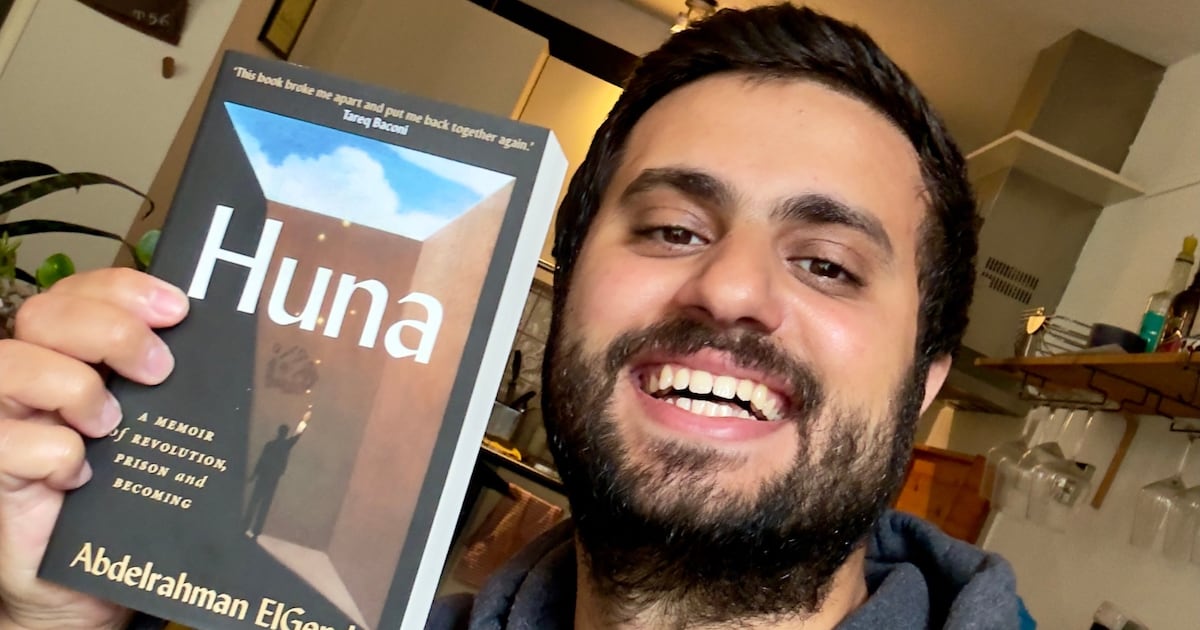
Two writers of Arab heritage have landed top prizes at this year’s National Book Awards in the US, with Egyptian author Abdelrahman ElGendy taking the non-fiction prize and Palestinian-American novelist Hannah Lillith Assadi winning in the fiction category.
ElGendy won forHuna: A Memoir of Revolution, Prison, and Becoming, while Assadi was recognised for her novel Paradiso 17.
The awards come amid heightened attention to Arab voices in American literary circles, with five writers of Arab heritage appearing among this year’s 25 finalists.
The other three were Palestinian-American poet Fady Joudah,
The other three were Palestinian-American poet Fady Joudah, Cuban-Palestinian poet Carolina Ebeid and Syrian writer Samar Yazbek.
ElGendy, 35, who is currently living in exile in Europe, was denied a US visitor visa despite being invited to attend theceremony in New York.
In an essay published in The New Yorker before the ceremony, ElGendy described his frustration at being unable to return to the country where he had studied, built a literary career and completed his memoir. His application was placed in administrative processing before being rejected, without an explanation. The State Department provided no details.
ElGendy was arrested in 2013, aged 18, after
ElGendy was arrested in 2013, aged 18, after Egypt’s military-backed overthrow of president Mohamed Morsi. Huna, which means “here” in Arabic, recounts his experience of political upheaval, incarceration and the difficult process of rebuilding a life after prison.
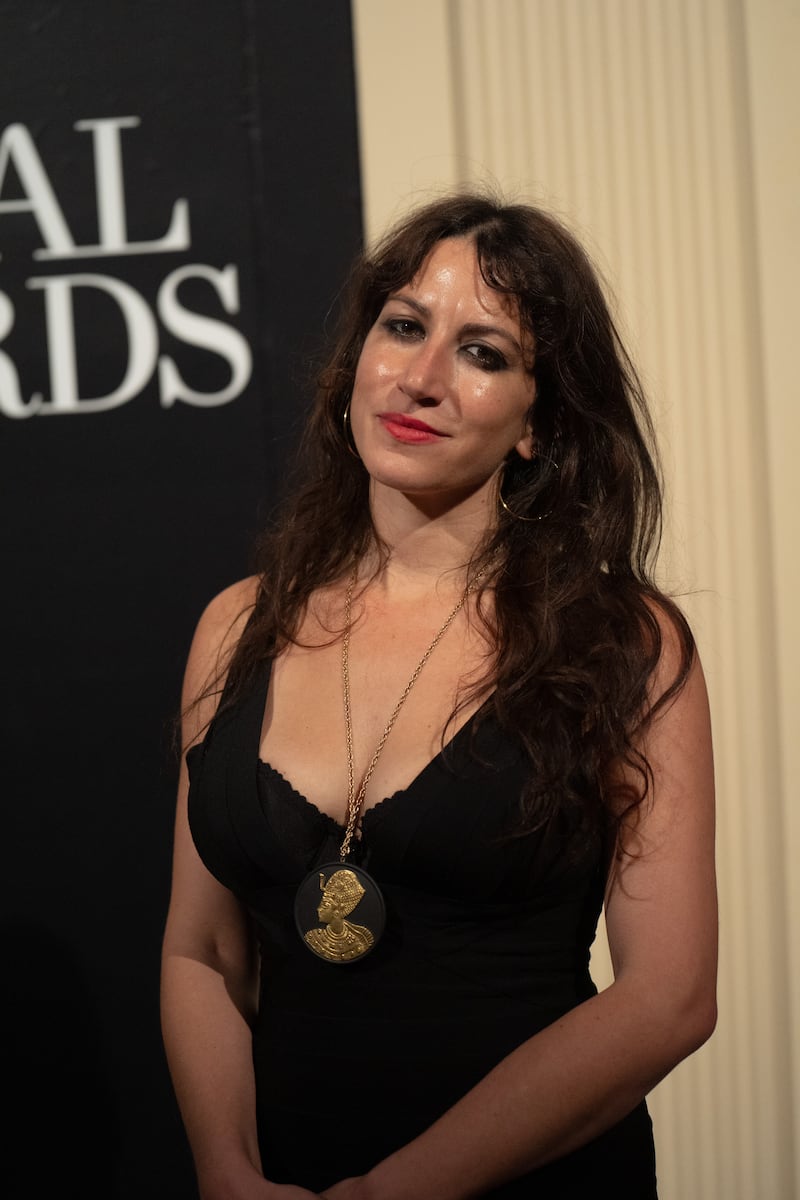
Assadi’s winning novel, meanwhile, is an intergenerational story of Palestinian exile and the search for belonging.
Paradiso 17 follows Sufien, who is born in Palestine shortly before the 1948 Nakba. Forced to leave his childhood home, he spends the rest of his life searching for a place to belong, eventually settling in Arizona.