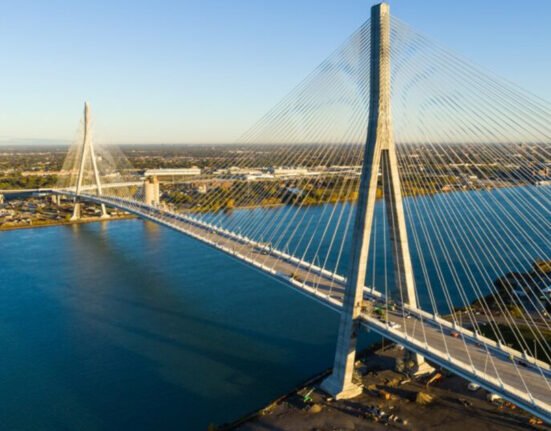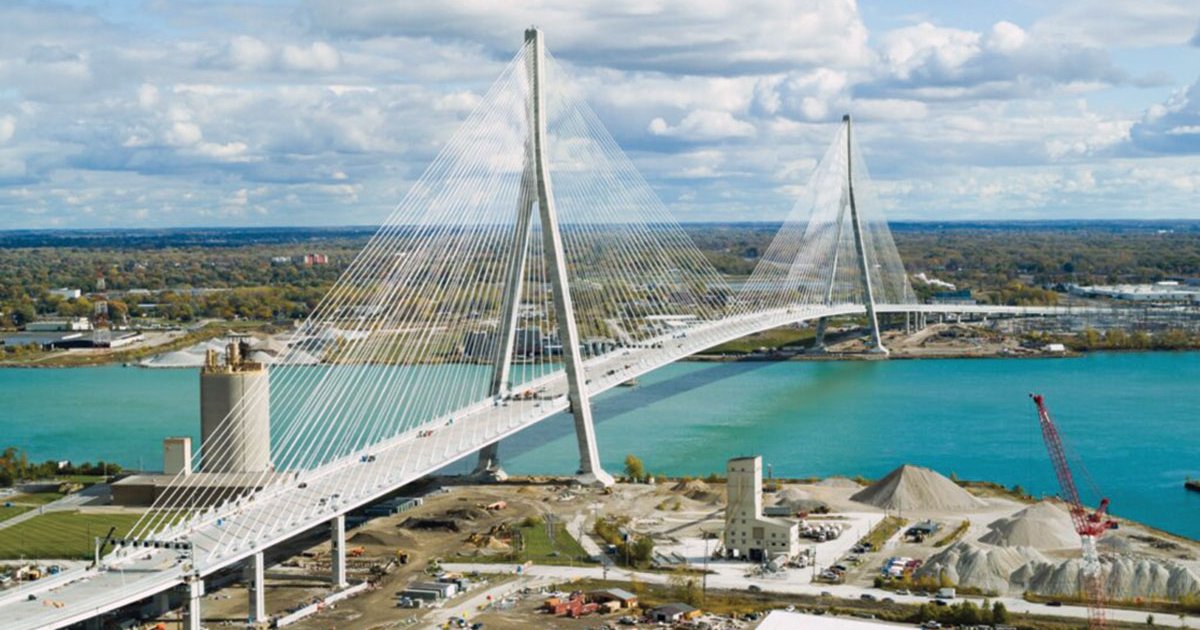
The new deal will direct 50% of the operating profits from the new Gordie Howe International Bridge to a US-run regional development fund for 15 years.
key takeaways:
- Canadian Prime Minister Mark Carney defended sharing 50% of the Gordie Howe Bridge’s operating profits with a US-run fund for 15 years.
- Canadian taxpayers funded the C$6.4 billion project, while Carney said the benefits could be negative or marginal if traffic increased.
- After 15 years, Canada would retain profits until the construction loan was repaid, then split the proceeds with Michigan under the original agreement.
Canadian Prime Minister Mark Carney defended his decision to give the US a share of the profits from a new bridge between Ontario and Michigan, saying there would be little or no income to split in the first place and arguing that the project would help the economies of both countries.
Speaking at a news conference in southwestern Ontario, the prime minister was asked about a Bloomberg News report that the U.S. share of toll profits from the Gordie Howe International Bridge will be calculated before Canada pays interest on the debt incurred for its construction.
Carney suggested in a tv interview The US share of the earnings from last weekend will begin only after payments on that debt have been made. But he amended his position on July 16, saying, “They are net revenues after operating costs – so it’s management of toll booths, maintenance, snow removal and a range of other operating costs.”
The prime minister’s agreement with the Trump administration on the bridge has been a source of controversy in Canada because the country’s taxpayers paid the entire C$6.4 billion ($4.6 billion) construction cost.
The original agreement allowed Canada to collect all operating profits from the bridge until its costs were repaid. It will now be divided for the first 15 years after US Commerce Secretary Howard Lutnick intervened to prevent the bridge from opening in June.
Carney said on July 16 that the benefits of the bridge would be small for some time. “In fact, we expect them to be negative as traffic increases. Moderate to negative in the first few years,” he said.
“All of the money going to the U.S. government will be reinvested in economic development, regional economic development in the region – the U.S. side of the region, obviously – which is cyclical. It reinforces more traffic, more traffic, higher revenue, more investment.”
The new deal will direct 50% of operating profits into a US-run regional development fund for 15 years. After that, Carney said Canada would receive profits again until the bridge was paid for. Once that happens, the cash will be split with the state of Michigan.
“The underlying agreement we have with Michigan will remain the same. And so there will be no toll sharing until all the debt is paid off,” he said.
The text of the agreement between Canada and the Trump administration on the bridge has not been made public.