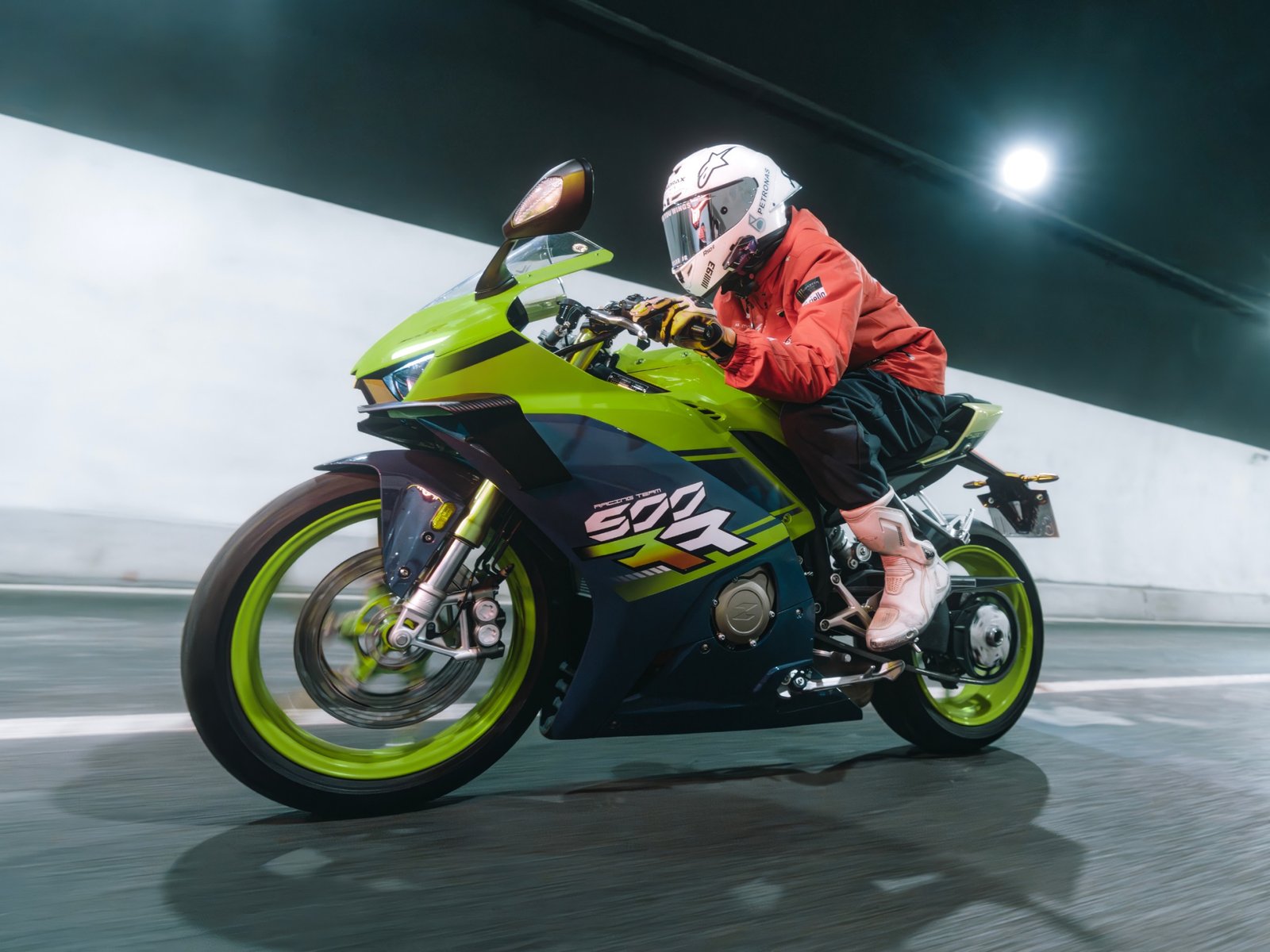
Over the years, small supersport motorcycles with four-cylinder engines have gradually disappeared from the market, replaced by more efficient and economical twin-cylinder solutions. The new ZXMoto 500RR comes with a different idea: bringing back a formula that many riders still associate with excitement, higher revs and a more emotional riding experience.
Expected to arrive in Portugal in September 2026, the ZXMoto 500RR doesn’t follow the traditional prescription of today’s entry-level sport motorcycles. Despite the 500 designation, it is not ranked alongside traditional A2-compliant twins. Its 470 cc inline-four engine, DOHC cylinder head and 16 valves boast 84 hp and 46 Nm of torque at 11,500 rpm, placing it in a more performance-focused category.
The most obvious comparison is the Kawasaki Ninja ZX-4RR. Kawasaki revived the idea of a compact four-cylinder supersport by focusing on high-revving performance, distinctive engine character and an emotional connection that many modern twin-cylinder bikes struggle to replicate. The ZXMoto follows a similar philosophy but brings more displacement and higher claimed power output, making it an interesting challenge.
However, the 500RR’s rivals are not limited to small-displacement machines. The Honda CBR650R represents another interpretation of the middleweight sportbike concept. With its 649cc inline-four engine and approximately 95 hp, the Honda remains a benchmark for refinement, reliability and everyday usability. ZXMoto’s challenge will be to prove that it can deliver a comparable experience while offering a different market proposition.
Despite using a twin-cylinder CP2 engine, the Yamaha R7 also deserves a place in this conversation. This proves that performance isn’t just defined by horsepower figures. With approximately 73 hp, the R7 became popular due to its handling, light weight and attractive character. ZXMoto takes a different path, focusing on engine configuration and sheer power, but it has to prove that the whole package offers the same level of excitement.
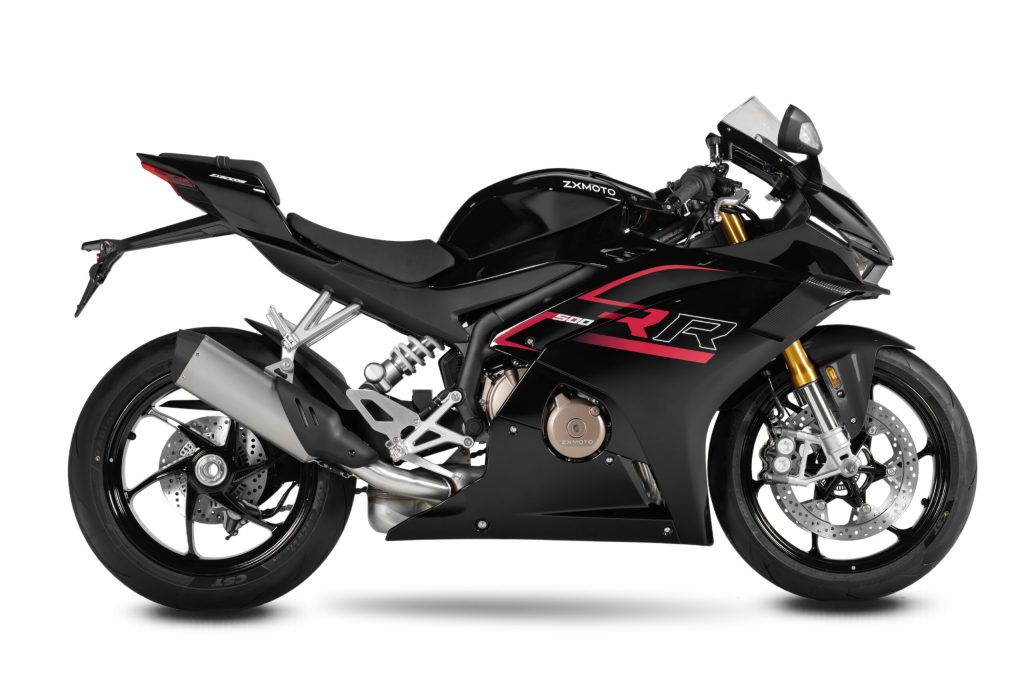
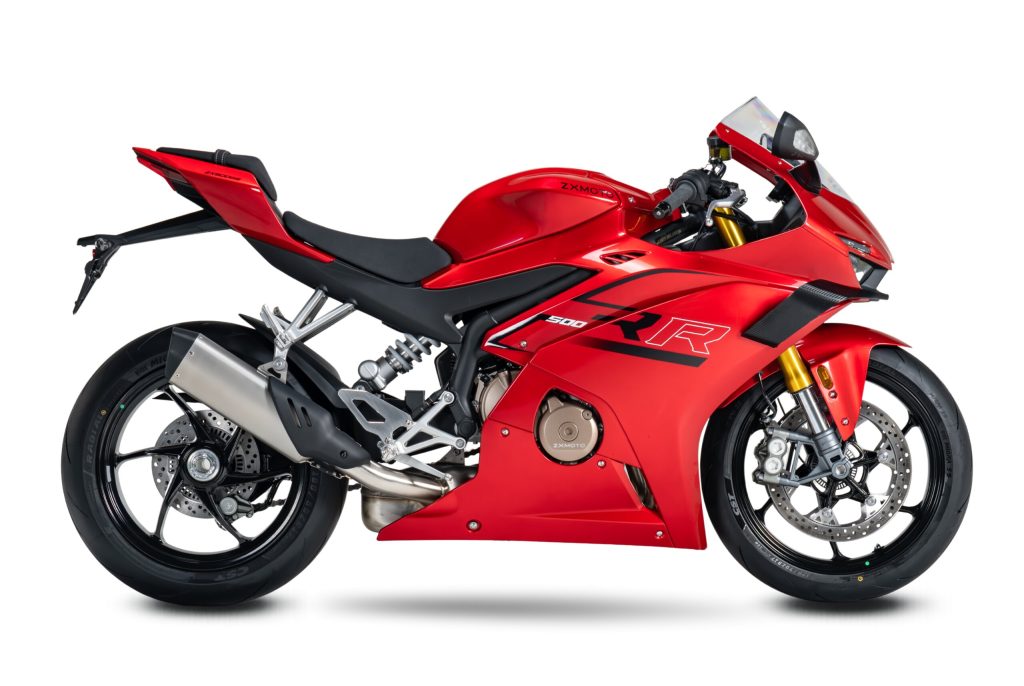
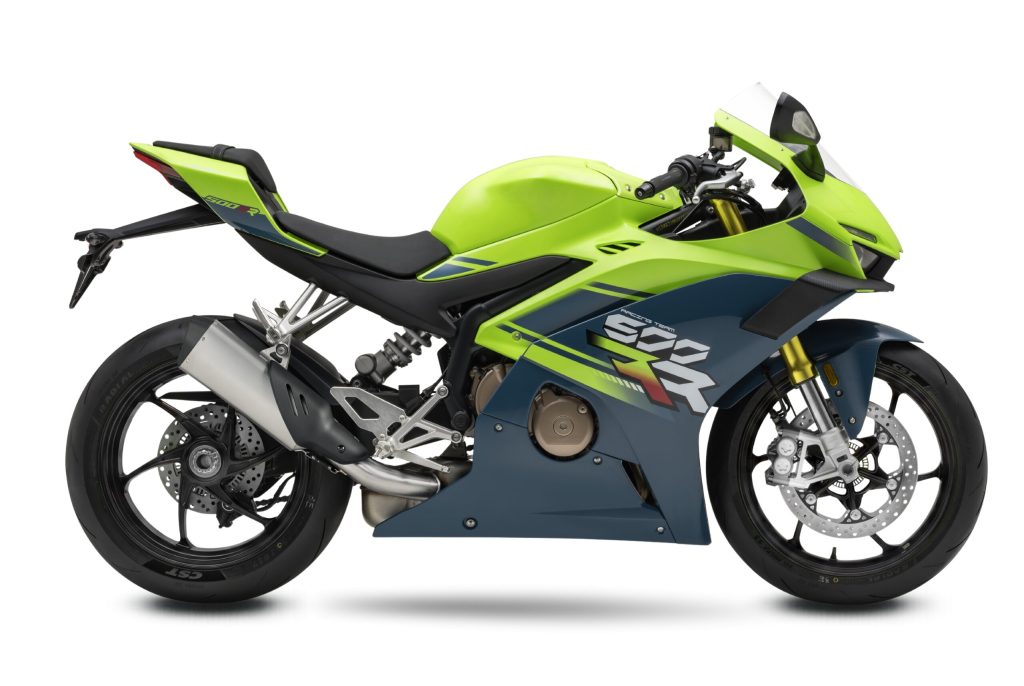
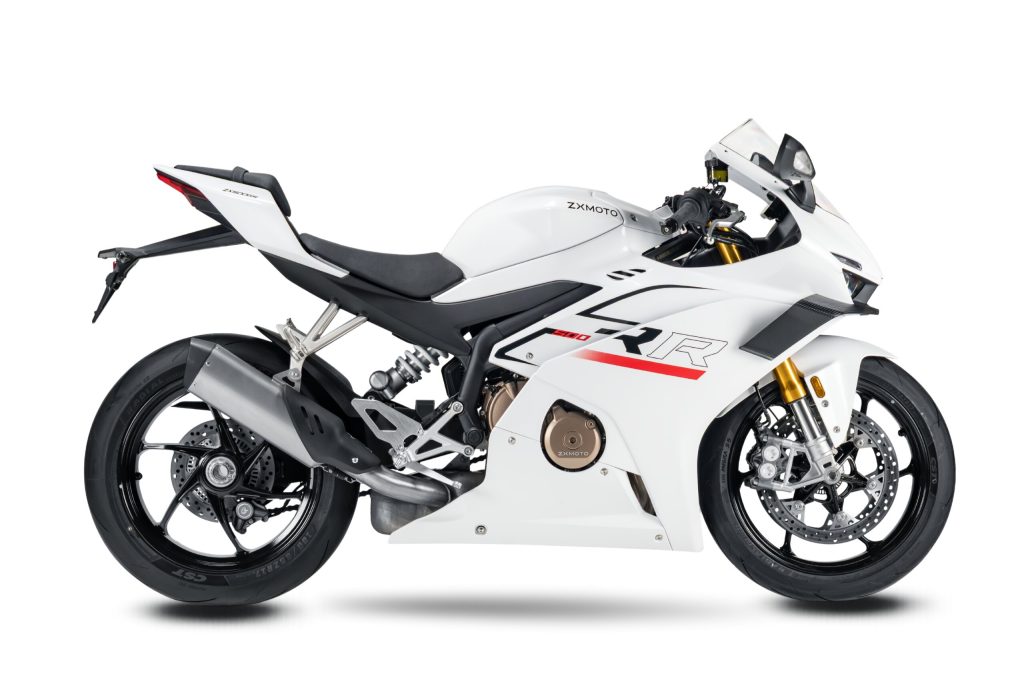
The segment has become even more competitive with the arrival of new Chinese manufacturers. The CFMOTO 675SR-R and Zontes 703RR show that the Chinese brand is no longer just focusing on affordable entry-level motorcycles. With three-cylinder engines and outputs close to or above 100 hp, they are targeting higher segments. However, both are above the ZXMoto 500RR in terms of displacement and positioning, giving the 500RR a unique position in the market.
The Aprilia RS 660 and Triumph Daytona 660 also show how the supersport category is evolving. Both combine strong performance with everyday utility, proving that riders still want sporty motorcycles that aren’t limited to the racetrack. While they are in the more premium and powerful category, they define the direction modern sportbikes are going.
The biggest challenge for the ZXMoto 500RR is not the specification sheet. It is building trust and emotional appeal in a segment historically dominated by brands like Kawasaki, Honda and Yamaha. Its inline-four engine is its strongest argument, especially at a time when this configuration has become increasingly rare.
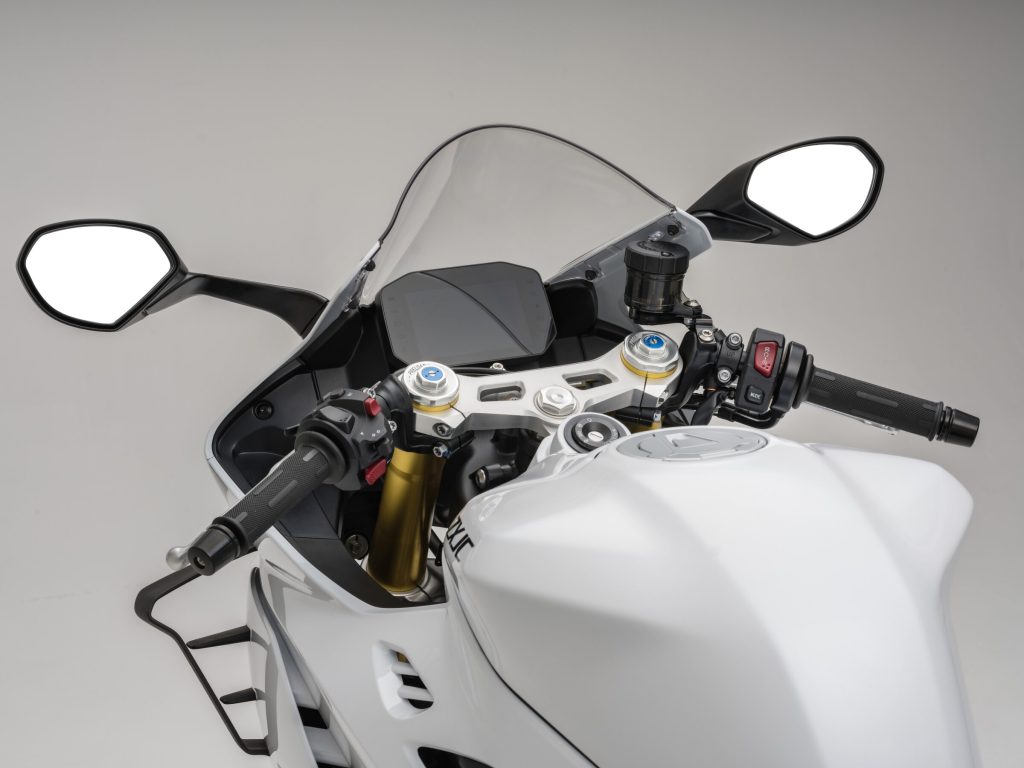
The ZXMoto 820RR should not be considered a direct competitor in this comparison. With higher displacement and different performance targets, it belongs to the second category. The 500RR has a different mission: to bring back the excitement of compact four-cylinder sportbikes and prove that there is still room for a powerful, emotional and accessible supersport motorcycle.
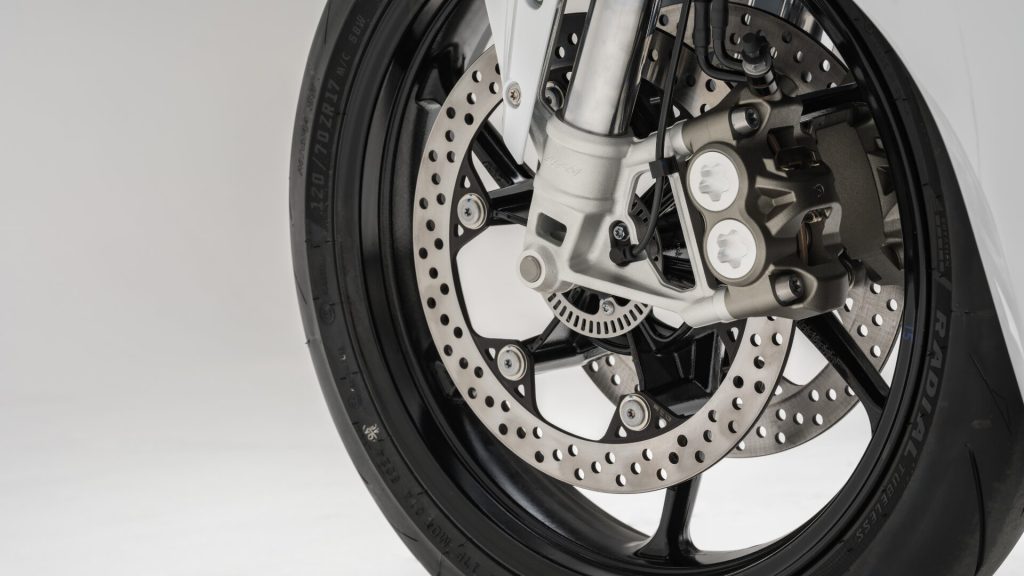
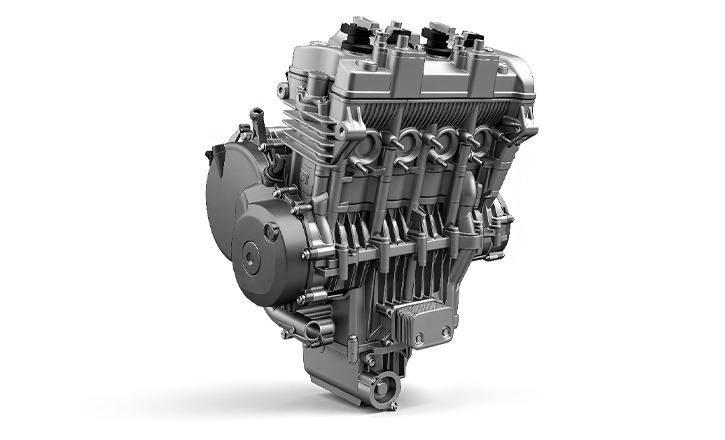
The motorcycle market continues to grow, but the allure of high-revving engines remains strong. The ZXMoto 500RR comes with a forgotten recipe and raises an important question: might this formula be able to bring new excitement back to the middleweight sportbike segment?
Images: ZXMoto
Don’t miss a second with the new app where you can watch live timing of MotoGP, Formula 1, NASCAR, IndyCar and much more: just press – Here (Free for all users)