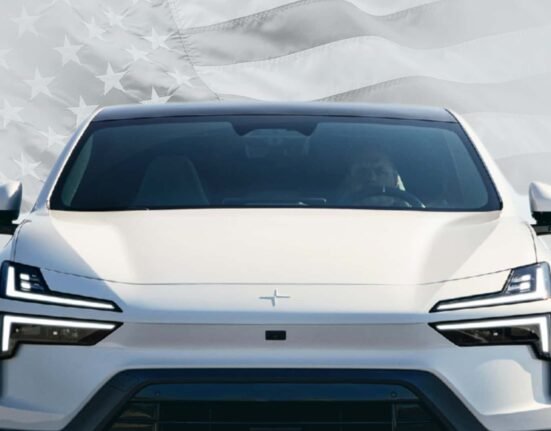
The US federal government is interfering in the automotive industry, the free market, and capitalism. Ironically, the current administration claims it is for the latter two items on that list. But on Thursday, the U.S. government essentially killed an automotive brand in America by forcing Polestar to stop selling new cars.
Pandora’s box is constantly being opened with no end in sight. The precedent being set is dangerous and there is no end in sight at this point.
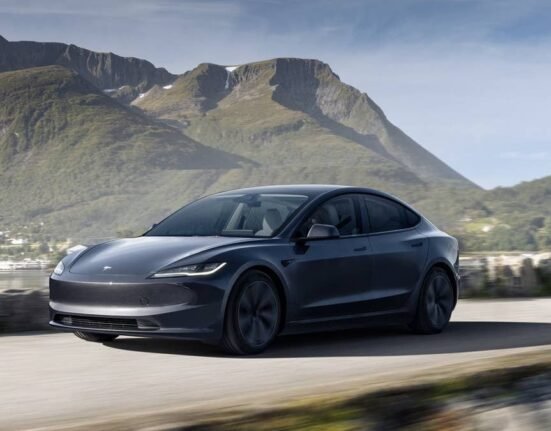
The US Commerce Department’s Bureau of Industry and Security denied Polestar authorization under existing connected vehicle rules to sell cars in the US through model year 2027. This is because Polestar is a subsidiary of Geely, a Chinese automaker.
Ironically, Polestar’s sister brand, also owned by Geely, Volvo, was granted authorization in May. Why Volvo was granted authorization and not Polestar is unclear. A Volvo spokesperson said, “We have no knowledge of Polestar’s authorization approval process.” drive.
But Polestar clearly didn’t see this situation coming. The automaker announced a reboot plan in February that will bring several new products to the US as the company grows its lineup.
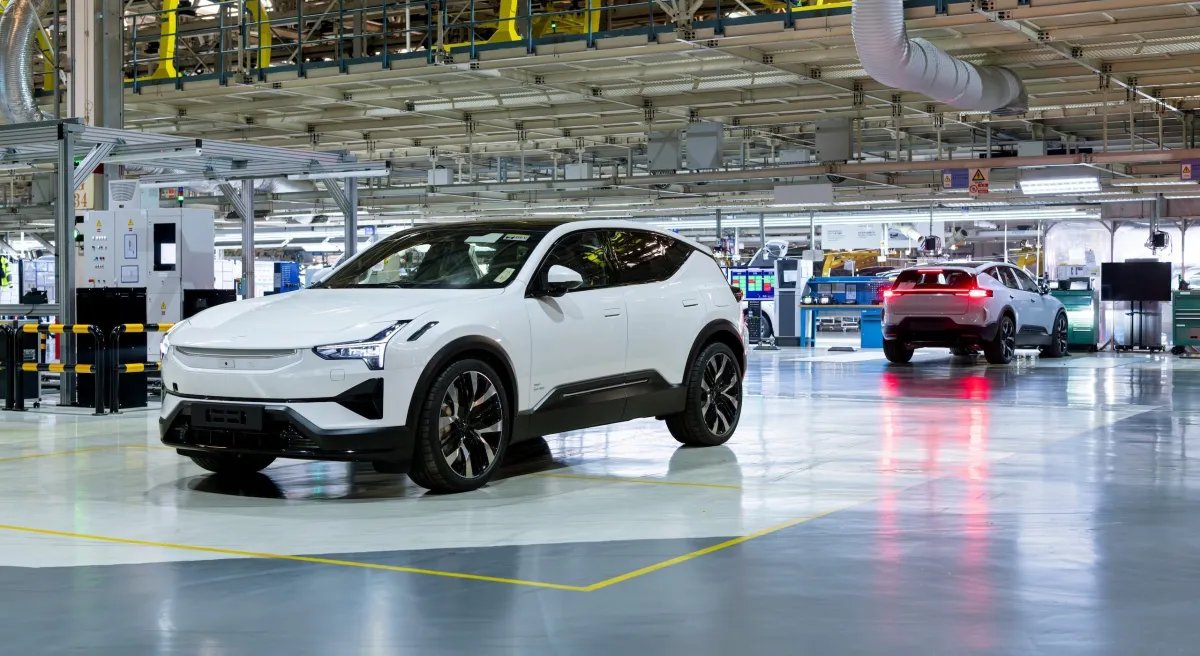
Global production of the Polestar 3 was specifically shifted from Chengdu, China to Volvo’s Ridgeville, South Carolina plant to avoid the Trump administration’s tariffs. The Polestar 3 is currently rolling off a South Carolina assembly line alongside its platform partner, the Volvo EX90.
Despite the model being sold outside the US market, the production future of the Polestar 3 is now in limbo. “It is too early to speculate on this. We have just received this information from the US authorities and need to work with Volvo Cars to determine what our options are. Polestar benefits from the flexibility of our asset-light business model, which is a major strength given the current situation,” a Polestar spokesperson said. drive.
After this Volvo spokesperson said drive“It is too early to speculate about any potential impact this may have on Volvo Cars. In late September 2025, Volvo Cars announced new investments at our state-of-the-art plant in Charleston to bring two additional Volvo vehicles into production before 2030. These investments remain in place.”
The killing of Polestar by US government forces is an eye-opening moment, especially for consumers who are in favor of free markets and capitalism. But this is just the latest, rather big moment in the continuing saga.
China’s BYD has taken the world by storm and made headlines with its EVs. The automaker already believes it will happen Reach 16% market share in Europe By 2030. It is making rounds of the US in both Canada and Mexico, but the federal government is blocking BYD and other Chinese automakers from entering the US market.
That artificial wall is what keeps other automaker CEOs sleeping at night. Ford CEO Jim Farley went to china and came back scared. Western automotive companies are aware of China’s cost advantages and the advanced technology that will surround cars sold in the US today. The words Farley used were “existential threat.”
It’s not just cars. Hyundai has committed to invest $26 billion in the US between 2025 and 2028. The money will localize the automaker’s supply chain to try to mitigate the impact of the Trump administration’s tariffs. Despite the investment, Hyundai was Indifferent stance adopted by Trump administration and was not exempt from tariffs. That was only a month after the hundreds Federal agents raid Hyundai’s Metaplant in Georgia.
Ford makes Maverick pickup trucks in Mexico, while some Super Duty comes from Canada. Ram builds its heavy-duty trucks in Mexico. Toyota makes several models in Kentucky, including the (now) RAV4, Lexus ES and Camry. The auto industry is global in a way that Henry Ford only imagined in the 1920s.
But regardless of whether an automaker is investing in America, or whether its vehicles are competitive (or world-beating), the federal government is choosing now and today, without apparent logic, who is in business and who is not.
Got a story idea or tip? Drop us a line at tips@thedrive.com