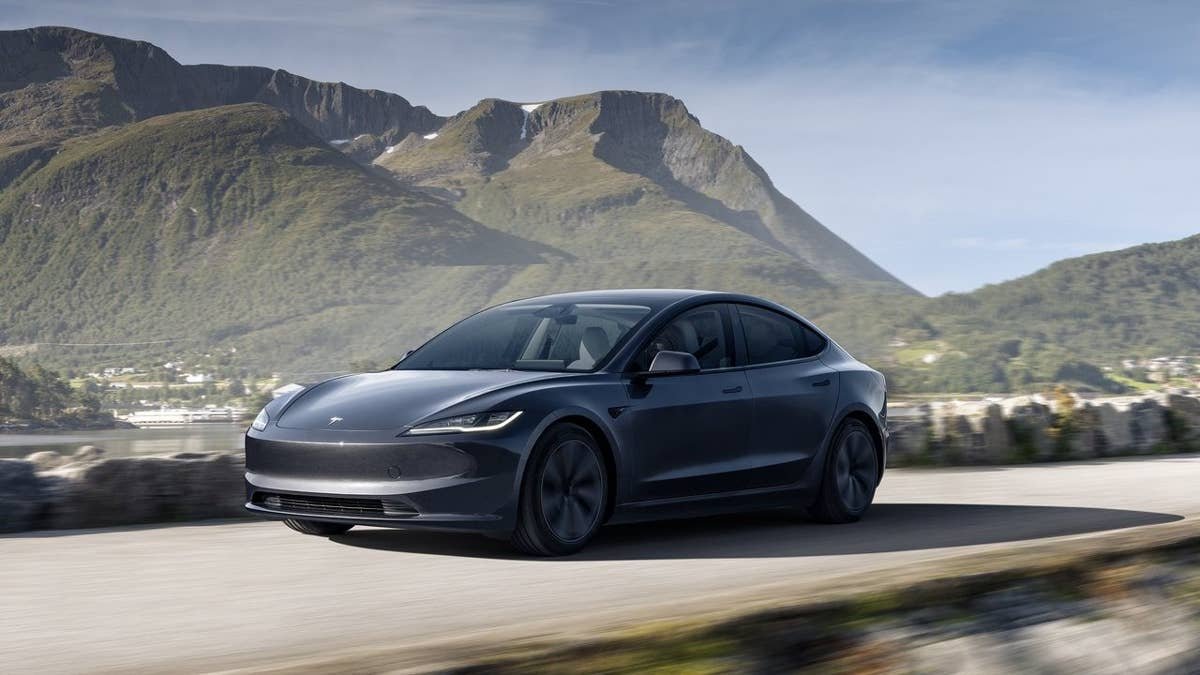
In 2024, Tesla was asked to recall about 20,000 Model 3 and Y EVs. As it turned out, his headlights were almost twice as bright as the legal limit. NHTSA asked Tesla to turn off the wick, and in return Tesla filed a petition arguing that the change would be “irrelevant” to the safety of road users.
Two years later, here are the results of that appeal: The National Highway Traffic Safety Administration has ruled that Tesla still has to reduce the brightness of its headlights in the recalled population. The recall range covers Model 3 and Y EV cars manufactured between 2017 and 2023.
The headlights were too bright in specific areas, which NHTSA says were located “away from the road” and outside the “natural sight line of the driver or other road users,” both horizontally and vertically. Tesla began its own series of tests to determine whether NHTSA’s recall request was valid, surprisingly finding that excessive brightness would not be distracting to road users. Tesla also argued that a recall on this basis would be irrelevant as it has not received any complaints regarding the issue.
More recently, a AAA survey found that most drivers view headlight glare as a problem. Six out of ten drivers in the study said the glare from headlights of other cars creates a problem when driving at night. About 75% said the problem has gotten worse over the past decade, a time frame largely consistent with automakers’ transition to LED lights. While the LEDs themselves are not a problem, their brightness appears to be, at least in this study.
NHTSA seems to agree: “The absence of complaints does not mean that vehicle occupants have not experienced any safety issues, nor does it mean that there will not be any safety issues in the future.” The end result is that Tesla will have to notify owners of all vehicles under recall that their vehicles need to be repaired.