- The lifted wagon is available with hybrid power and all-wheel drive.
- Dacia claims that the Striker is one of the most spacious models in the compact segment.
- The flagship variant gets a panoramic sunroof and 19-inch wheels.
Although the Europeans still have it good when it comes to wagons, the stronger versions have almost disappeared. Sure, there’s the new Audi A6 Allroad to rival the Mercedes E-Class All-Terrain, but both luxury estates cost an arm and a leg. With Volkswagen dropping the Alltrack model, Renault’s budget arm is now filling that void in the mainstream sector. Enter the Dacia Striker.
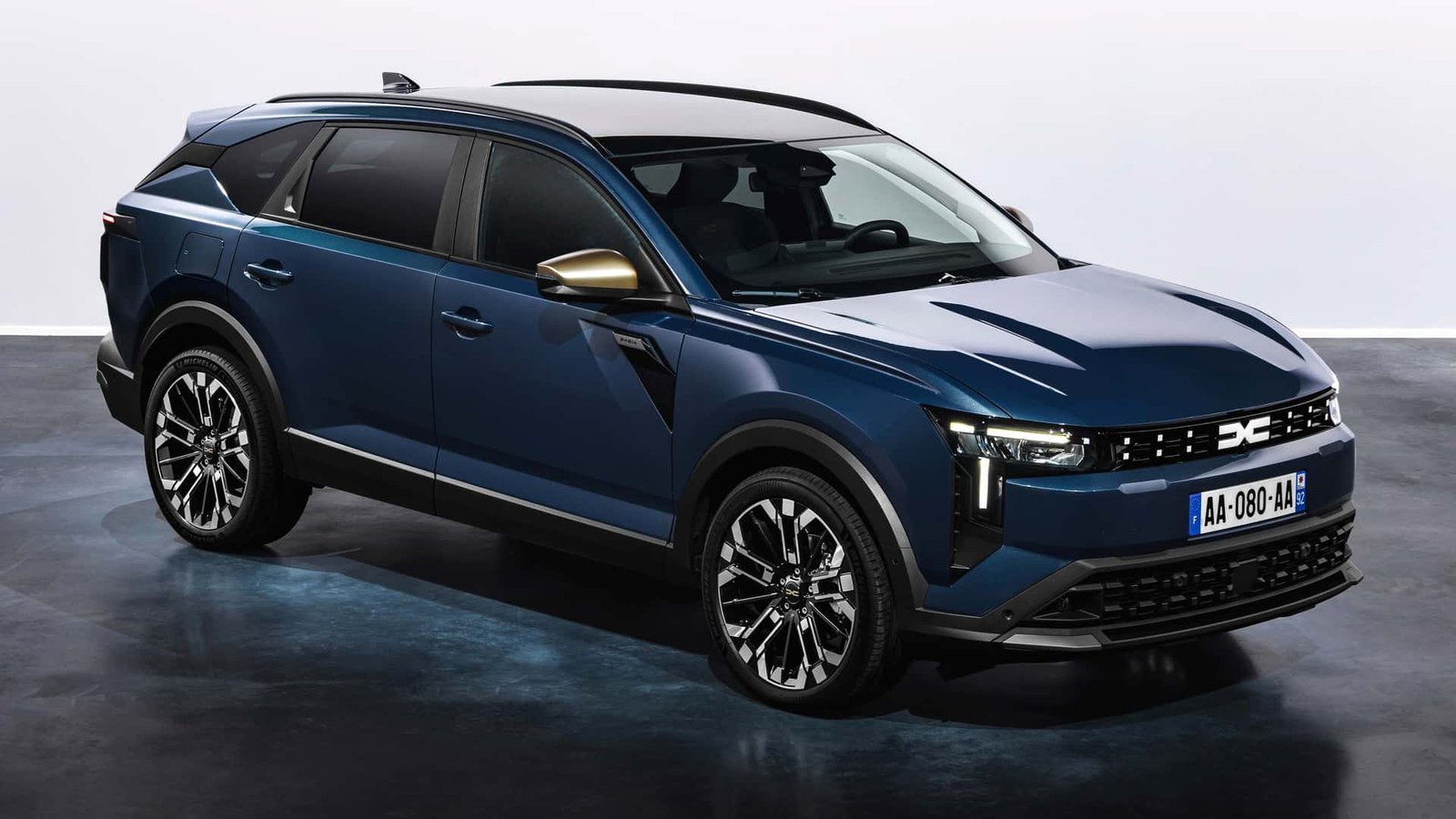
Previewed a few months ago, the newcomer to Europe’s C-segment aims to have it all. It is known as a crossover because it combines the ruggedness of an SUV with the versatility of a wagon and the efficiency of a sedan. It certainly looks the part and shows how far Dacia has come since Renault took over in 1999. The Striker is basically a lower-to-the-ground alternative to the Bigster, targeting buyers who appreciate SUVs but don’t want to sit so high or deal with the extra weight.
It certainly doesn’t look like the Bigster with the lowered suspension, as it has a different silhouette and new T-shaped lights at both the front and rear. We were glad to see that Dacia used traditional rear door handles instead of “hiding” them in the C-pillars, as is the case in SUVs. At 4.62 meters (about 182 inches) long, it fits well into the compact car category and gets plenty of plastic body cladding to reinforce its rugged presence.
Photo by: Dacia
While Dacia may be a value-oriented brand, the Striker comes with a long list of standard and optional equipment. The base model’s 17-inch steel wheels can be replaced with up to 19-inch alloys, while a panoramic glass roof extends to the rear. The interior features a 7-inch digital instrument cluster with a 10.1-inch touchscreen, which has a 3D effect achieved through optical reflections that project images. Like the rest of the company’s lineup, there are still some physical buttons below the center screen, and, thankfully, no frustrating touch-sensitive controls on the steering wheel.
Opening the power tailgate reveals a spacious cargo area with up to 600 liters (21.1 cubic feet) of space. The Striker is the first Dacia to have a three-piece cargo floor with two height settings to better accommodate both small and heavy items. Inside the cabin, practicality is further enhanced by a sliding drawer, removable cup holder and nine anchor points for attaching various accessories.
Although Dacia is considered a low-cost brand, the Romanian brand says it has improved cabin refinement by upgrading the acoustic insulation. The Striker features thicker glass for the windshield and front side windows as well as additional soundproofing materials throughout the cabin. Unlike the company’s other wagon, the Jogger, the new Striker is offered exclusively as a five-seater.
The Renault group is moving away from diesel engines to reduce emissions, so oil-burning engines will not be used in the Dacia Striker as expected. The entry-level version is powered by a turbocharged 1.2-litre three-cylinder gasoline engine that can also run on liquefied petroleum gas (LPG) and has a mild-hybrid system.
Next up is a full-hybrid system built around a naturally aspirated 1.8-litre four-cylinder engine working with two electric motors. The combustion engine produces 109 hp, while an electric motor adds 49 hp, with the other serving as the starter/generator. Dacia also includes a 1.4-kWh battery, a four-speed automatic transmission for the ICE, and two extra gears for the hybrid system, all without a clutch. The company estimates that the Striker will operate in electric mode 80 percent of the time in the city.
For those who want or need all-wheel drive, there is a 4×4 version with a 1.2-litre mild-hybrid engine paired with a rear-mounted electric motor. The ICE delivers 140 hp and 230 Nm (170 lb-ft) to the front axle through a six-speed dual-clutch automatic transmission with paddle shifters. The rear motor contributes 31 hp and 87 Nm (64 lb-ft) through a two-speed transmission and can be turned off when not needed. Combined output is rated at 150 hp.

Photo by: Dacia
The range-topping Striker offers multiple driving modes: Auto, Eco, Snow, Mud/Sand and Off-Road. Hill descent control also comes standard, all in a raised wagon targeting a curb weight of around 1,400 kg (3,086 lb). Naturally, the all-wheel-drive version will weigh more due to the additional hardware.
Dacia models have always been priced sensibly, and the Striker is no exception. Prices in Europe start at under €25,000, although a fully loaded all-wheel-drive version will almost certainly exceed €30,000. Still, its Bigster counterpart is likely to be priced lower when it goes on sale later this year.
128
Source: Dacia
Motor1’s Opinion: The Dacia Striker has all the ingredients to become a true go-to vehicle for buyers who don’t want to pay the premium that comes with a more prestigious badge. It certainly won’t get your pulse racing, but it makes a compelling case as a versatile, spacious family car that stays within a reasonable budget.