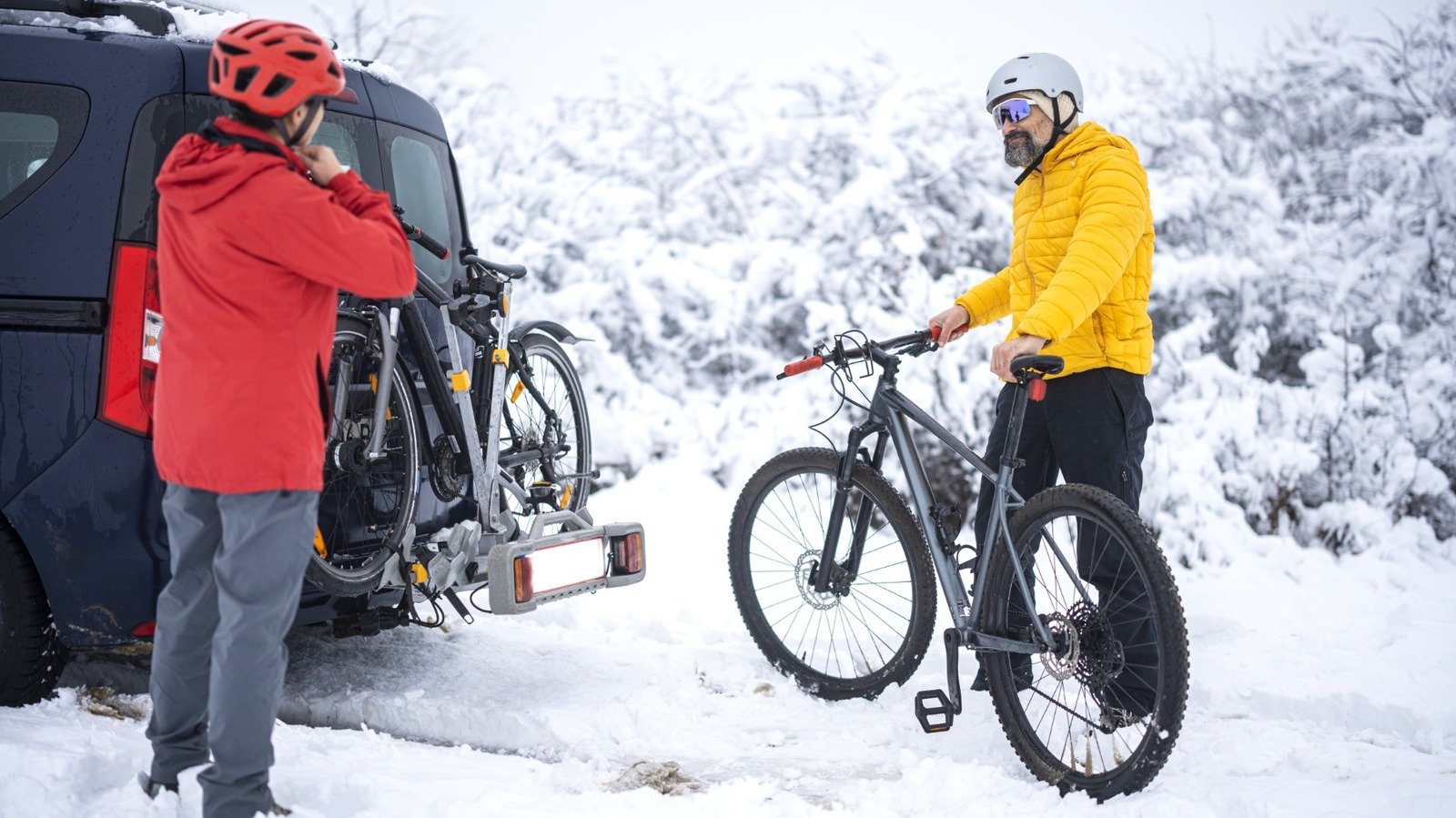
Whether the car-dominated culture of the United States likes to admit it or not, bicycling is fun, and scientifically sound too. After all, humans riding bikes are the most energy-efficient animals on the planet. But you know what isn’t fun or works? Trying to drag a car loaded with bikes around without a proper rack. I’ve done it, and believe me when I say I regret it every time. Whether you’re traveling across the country, taking your bike to a trailhead, or simply taking your bike to the shop for a tune-up, having the right bicycle rack can make your life a lot easier. Bike racks come in three main types: roof mounted, hitch mounted, and trunk mounted. Within those types, there are also variations for certain circumstances and preferences.
However, to find out which type of rack is best suited for your cycling needs, you need to answer a few questions. First of all, what are you actually using it for? If you’re buying a bike rack with the intention of packing your bike on long road trips, you may want something different from someone who removes the bike rack every couple of years when moving apartments. Second, what type of bike and how many are you riding? If you’re planning on collecting five bikes, you’ll have fewer options than someone with only one bicycle. Additionally, what type of car do you have, and have you had any problems? If you drive a truck, a trunk-mounted rack won’t be so useful; And if you drive a 2000 Toyota Corolla, you may have trouble figuring out where to install that hitch-mounted rack you suddenly bought.
Three types of bicycle racks explained
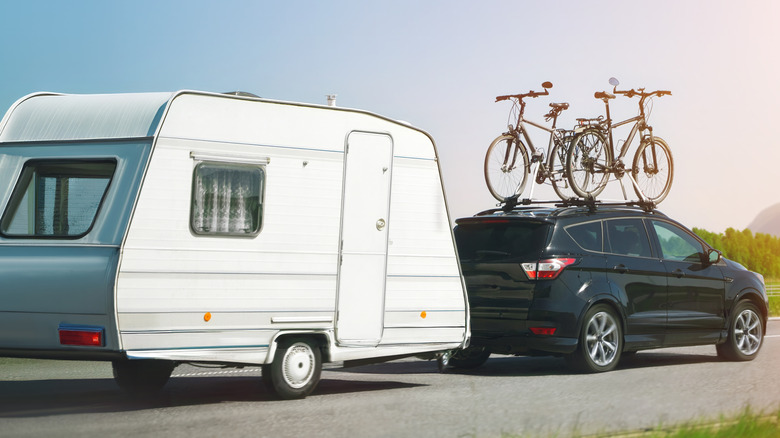
Let’s start with the most visible type of bike rack: roof-mounted racks. These in-your-face racks may make you look a little more bike-obsessed than you really are, but they’re popular for a reason. Of the three types of racks, roof-mounted racks are the most versatile, as they don’t prevent you from using your trunk or hatch. The downside is that loading a bike on these can be difficult because you have to lift the bike above car height. They also produce more drag (and therefore noise) at higher speeds and can cause problems in low-clearance areas.
For the largest weight and bike capacity, the hitch-mounted rack is the option. In my experience, these racks are easy to load, and can often hold up to five bikes. You also get your choice of a platform rack or hanging rack. Platform hitch racks let you mount the bike by its tires, making it easier (and safer) to mount a mountain bike. E-bikes can also be fitted here, assuming the weight capacity of the hitch allows it, as they usually have thicker tires, and e-bikes and regular bikes have similar tires. Meanwhile, a hanging hitch rack lets you secure your bike to the frame, which is secure to most regular road bikes.
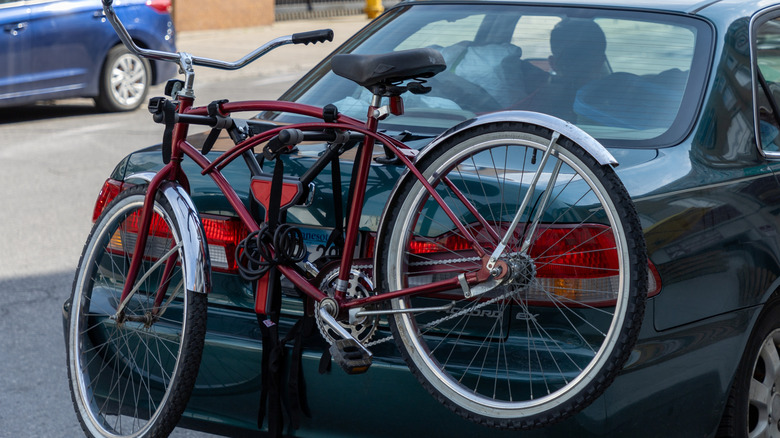
Trunk-mounted bike racks, on the other hand, are typically only used on cars that can’t accommodate a hitch-mounted or roof-mounted rack. However, they are still much better than nothing! They are economical, have small footprint and are easy to set up and take down. However, at the same time, they obscure the view behind you, are less stable on long drives and have smaller capacities. Be sure to secure your handlebars to avoid the front tire hitting your torso.
Important Considerations for Your Bike Rack
It is important to verify that your bike fits all parameters of the rack before purchasing, especially if buying online, without sightings. Regardless of style, most racks will accommodate many styles of bike, but if you’re riding something extravagant, like a fat-tire bike or, perhaps, the world’s longest bicycle, you won’t want to find out the hard way that you still can’t load your favorite bike and take it to your favorite trail, road, ramp, or whatever. So before purchasing, check the dimensions of the rack against the dimensions of your bike and make sure that your bike is not too heavy. The weight capacity of bike racks varies greatly – often between 35 to 60 pounds per bike.
When shopping for hitch-mounted racks, keep in mind that not all of them obstruct access to your cargo area. Some – but certainly not all – of these racks can slide away from the hitch, allowing you to safely open their hatch without getting off your bike and/or removing the rack entirely. This feature is convenient, but it may cost you. One of the best examples of the rack style, the Yakima EXO Swingbase costs a lot, and is also quite heavy. Finally, be sure to carefully read the installation and use instructions for your rack. The only way to ensure that your bike stays secure is to install the rack carefully and properly and then follow the mounting guidelines every time you use it. If an improperly secured bike falls off the rack the only person more worried than you will be the person driving behind you on the freeway.