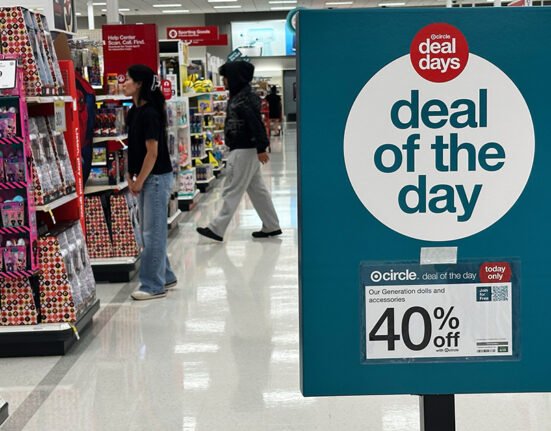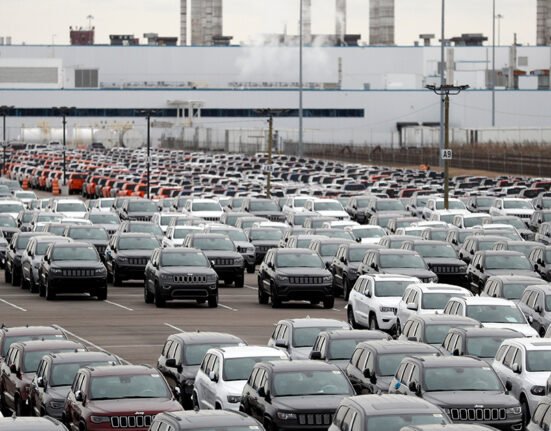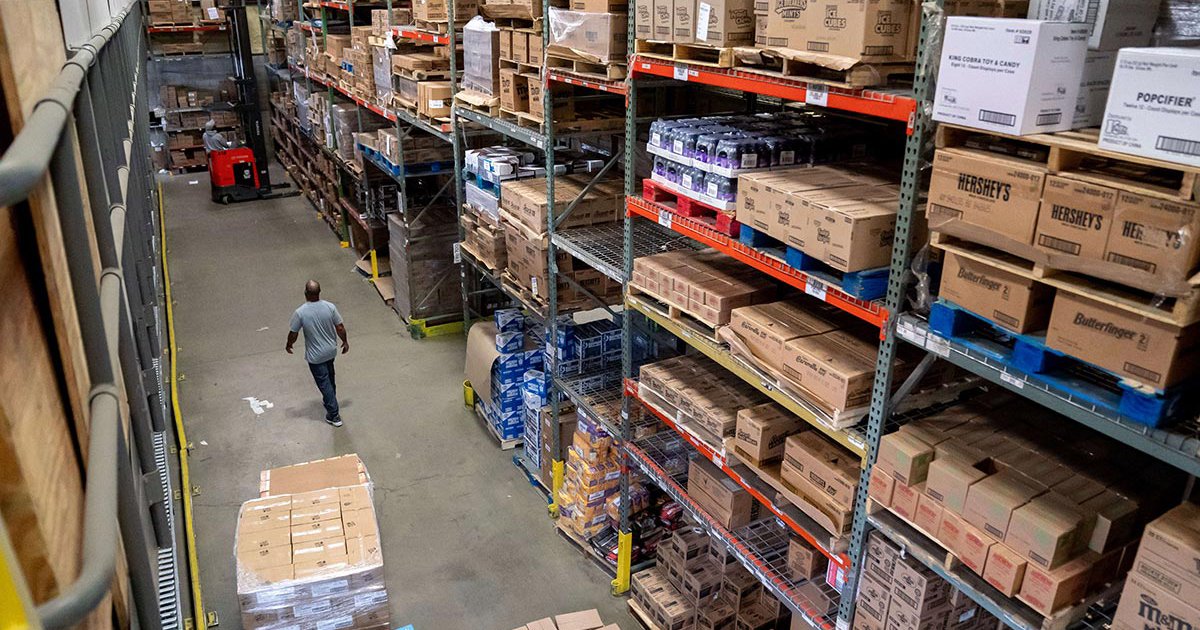
Growth was recorded in transportation and storage in June. (Nathan Howard/Bloomberg)
key takeaways:
- The Institute for Supply Management said on July 6 that its services index fell 0.5 points to 54 in June, reflecting continued expansion at a slow pace.
- Softening of business activity and new orders, easing price pressures and steady demand as well as falling energy costs helped companies expand hiring, boosting the employment index.
- The data showed services growth remains resilient, although hiring trends may remain uneven as separate government data showed overall U.S. payroll gains slowed in June.
The US services sector expanded at a slightly slower pace in June, but companies increased payrolls as cost pressures eased.
According to data released on July 6, the Institute for Supply Management’s services index declined by 0.5 points to 54. Readings above 50 indicate growth, and the figure was in line with economists’ expectations.
Measures of business activity and new orders cooled, though still indicated solid demand. Meanwhile, the ISM’s employment index jumped by the most since 2024 and indicated higher headcount for the first time since February.
Prices continued to rise but at a slower pace. The group’s gauge fell to a four-month low of 67.7.
Oil and gasoline prices have fallen in recent weeks after a war-induced surge due to an interim agreement between the US and Iran. While companies face other cost pressures, such easing – coupled with resilient consumer demand – has provided companies with more room to step up hiring plans.
Steve Miller, chairman of the ISM’s services business survey committee, told reporters that World Cup-related hiring had contributed to the increase in the employment index.
.@ismm Services PMI® Report: Business activity and new orders growth slowed but remained strong in June, providing (some) relief to prices, #employment Returned to expansion and inventory levels leveled off #ISMPMI It was down slightly, at 54%. https://t.co/ej67iXt52C #economy
– Institute of Supply Management (@ism) 6 July 2026
To some extent, reserves, which had increased in May, fell sharply in June. Miller said the decline shows that companies are no longer stockpiling goods to get ahead of war-related supply-chain disruptions. The gauge of order backlog increased.
Miller also said respondents commented less about the prices of petroleum products, but he said tariffs remain an issue. He also said there was an increase in commodities listed as being in short supply in June.
“All of the items in short supply in June are essential items for data center construction,” Miller said.