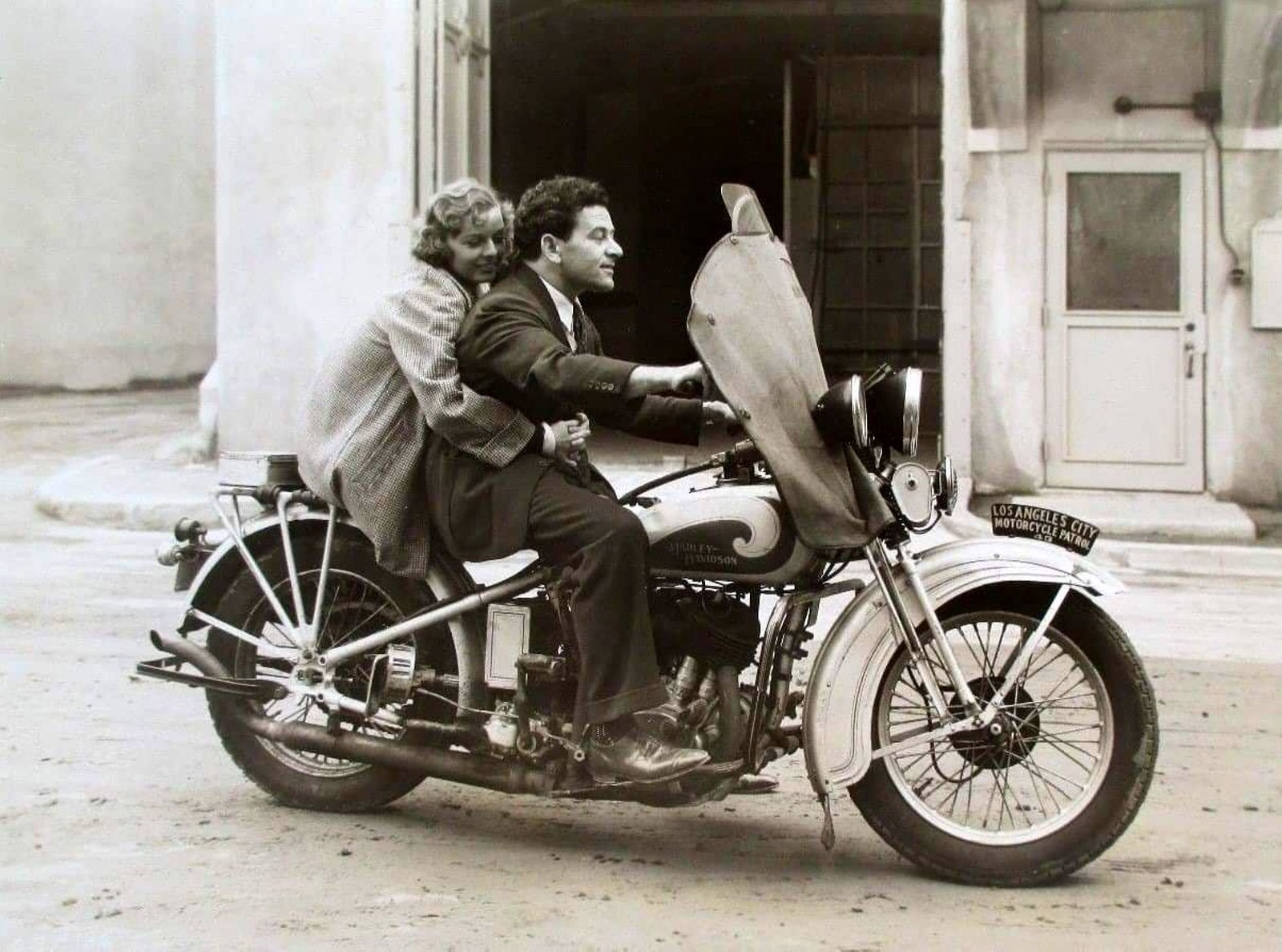
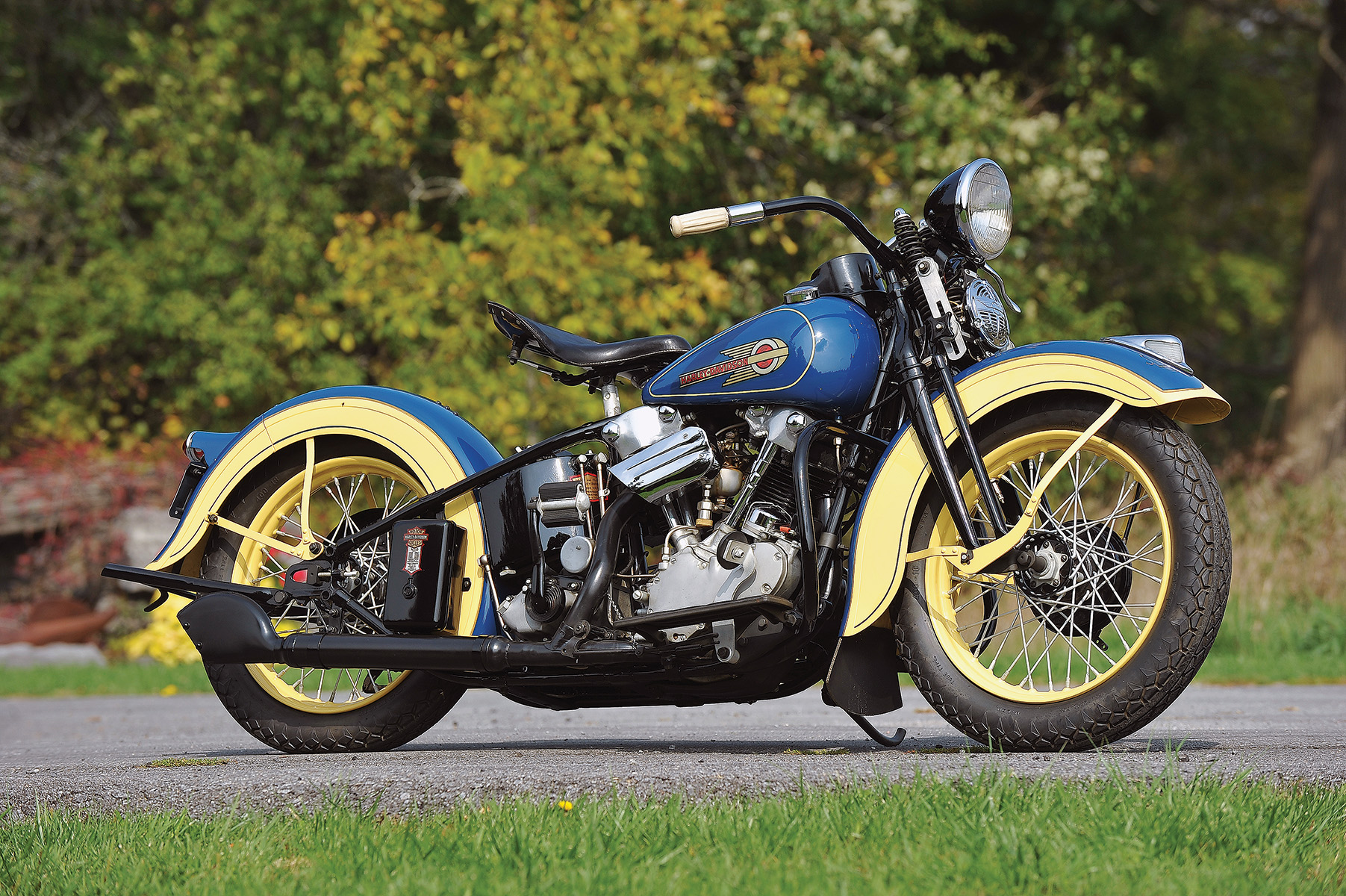
In 1936, Harley-Davidson staked its future on an engine that no one asked for. The country was still coming out of the worst motorcycle sales recession in American history, and the company’s big twins were still running on decades-old flathead technology. At that uncertain moment, Harley introduced the 61 OHV, complete with a new frame, a new fork, and an entirely new overhead-valve V-twin. No one has called it Knucklehead yet. That name was still a decade away. What the riders found, whether they realized it or not, was the engine that would define what a Harley-Davidson would sound like to this day.
Why did Harley need a new engine?
 Credit: Harley Classica
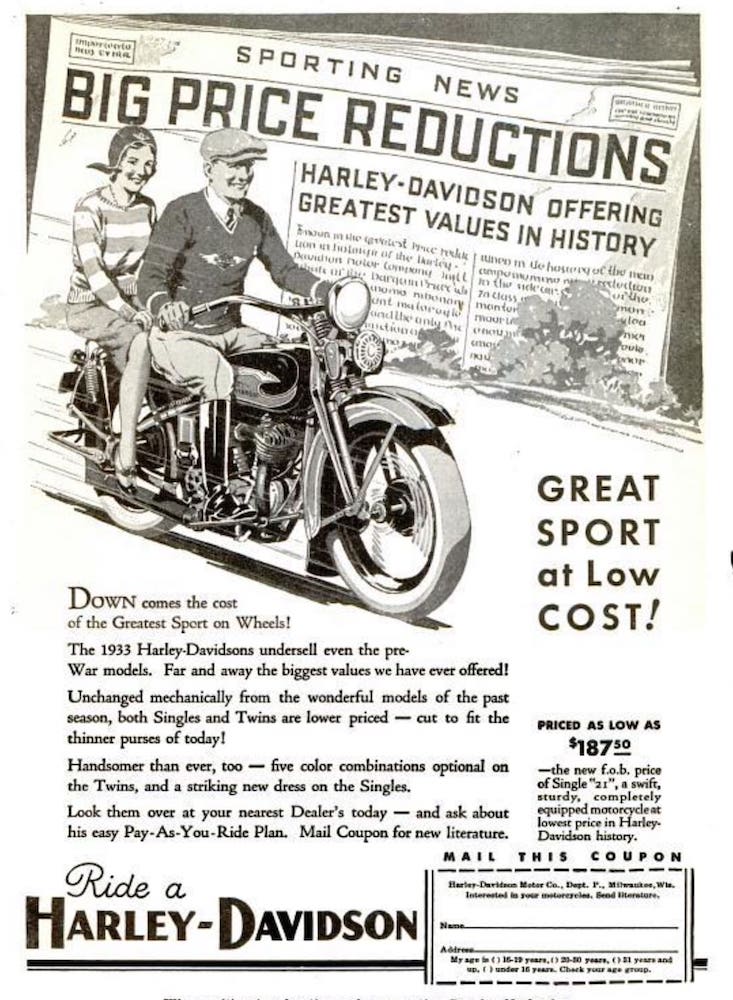
By 1933, the American motorcycle market had fallen to its lowest point on record, and it remained there for years. Harley-Davidson and its longtime rivals were battling over a dwindling pool of Indian buyers, and neither company had much room for a costly mistake. Harley’s big twins ran on flathead engines, a side-valve design with total-loss oiling that allowed the oil to recirculate through the engine rather than burn or drip onto the road.
 Credit: Harley Classica
It worked, more or less, but it was beginning to look outdated next to the overhead-valve singles Harley had already been racing for years. The Indian also did not stand still. So something had to change, and it had to change during the worst economic period in the company’s history.
61 Designing the OHV
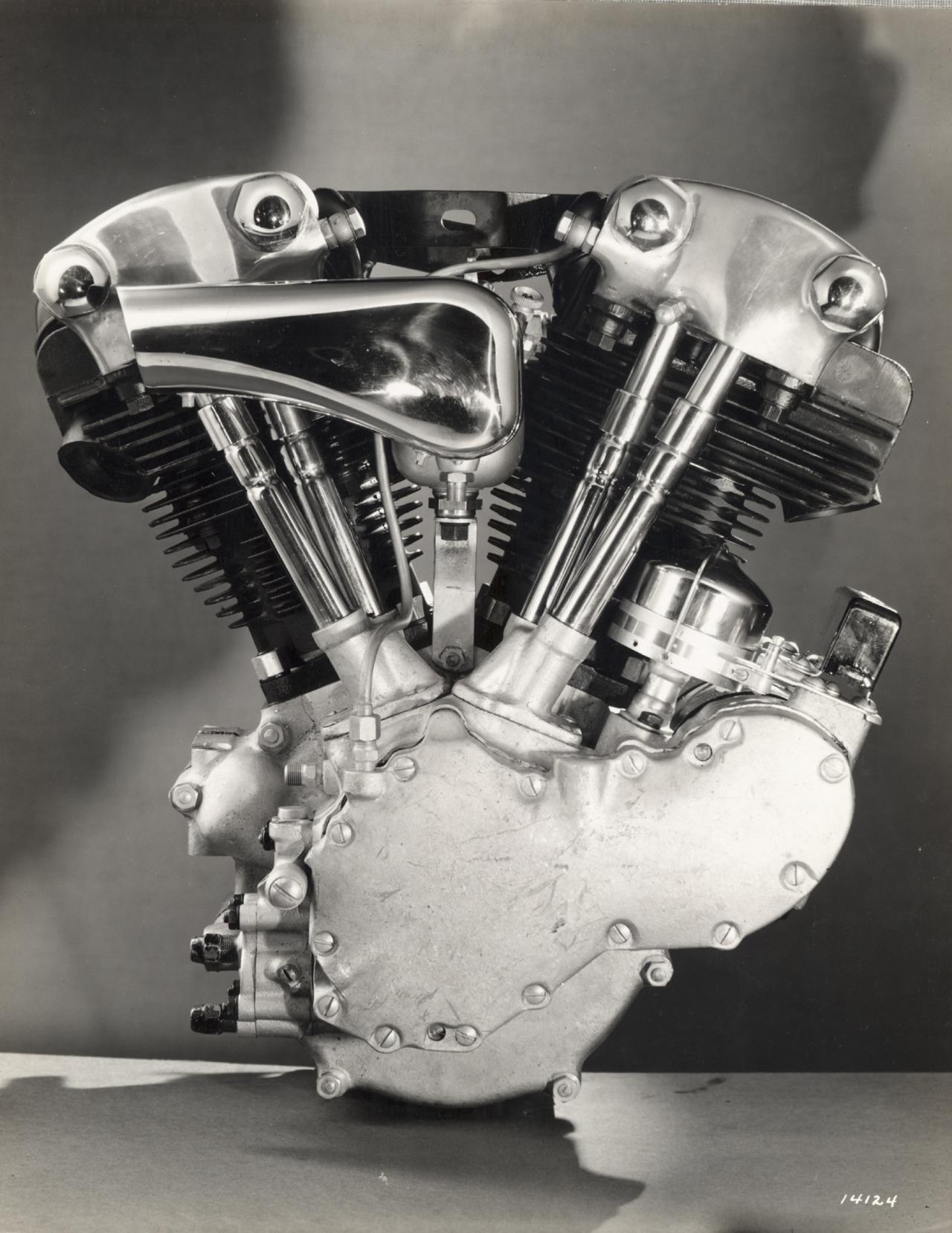
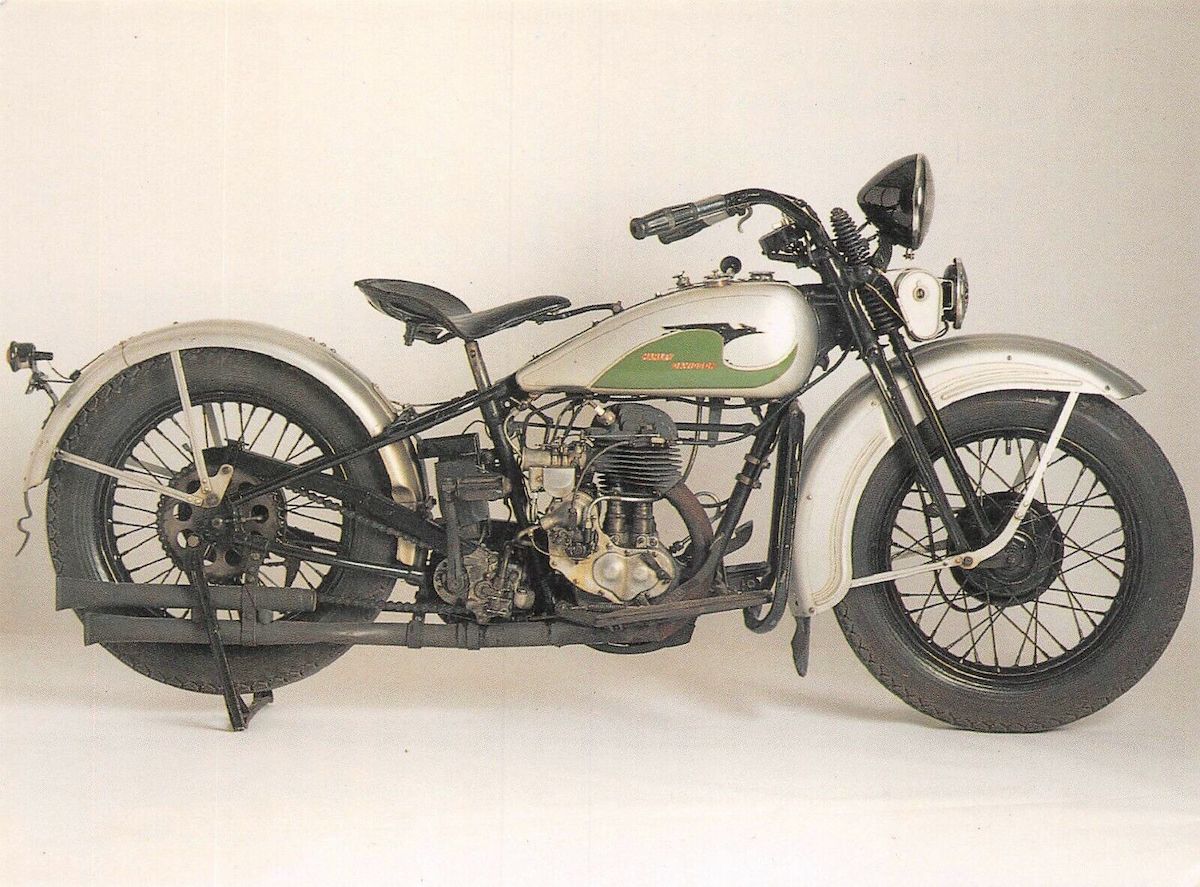
One of the company’s four co-founders, chief engineer William S. Harley led the project. He worked with engineer Hank Siverson, and together they did not settle for a simple engine swap. The frame was new. The fork was new. Even the styling changed, down to the Art Deco tank badges that gave the bike a distinctive Depression-era glamour. The real breakthrough happened inside the engine case.
 Credit: Harley Davidson
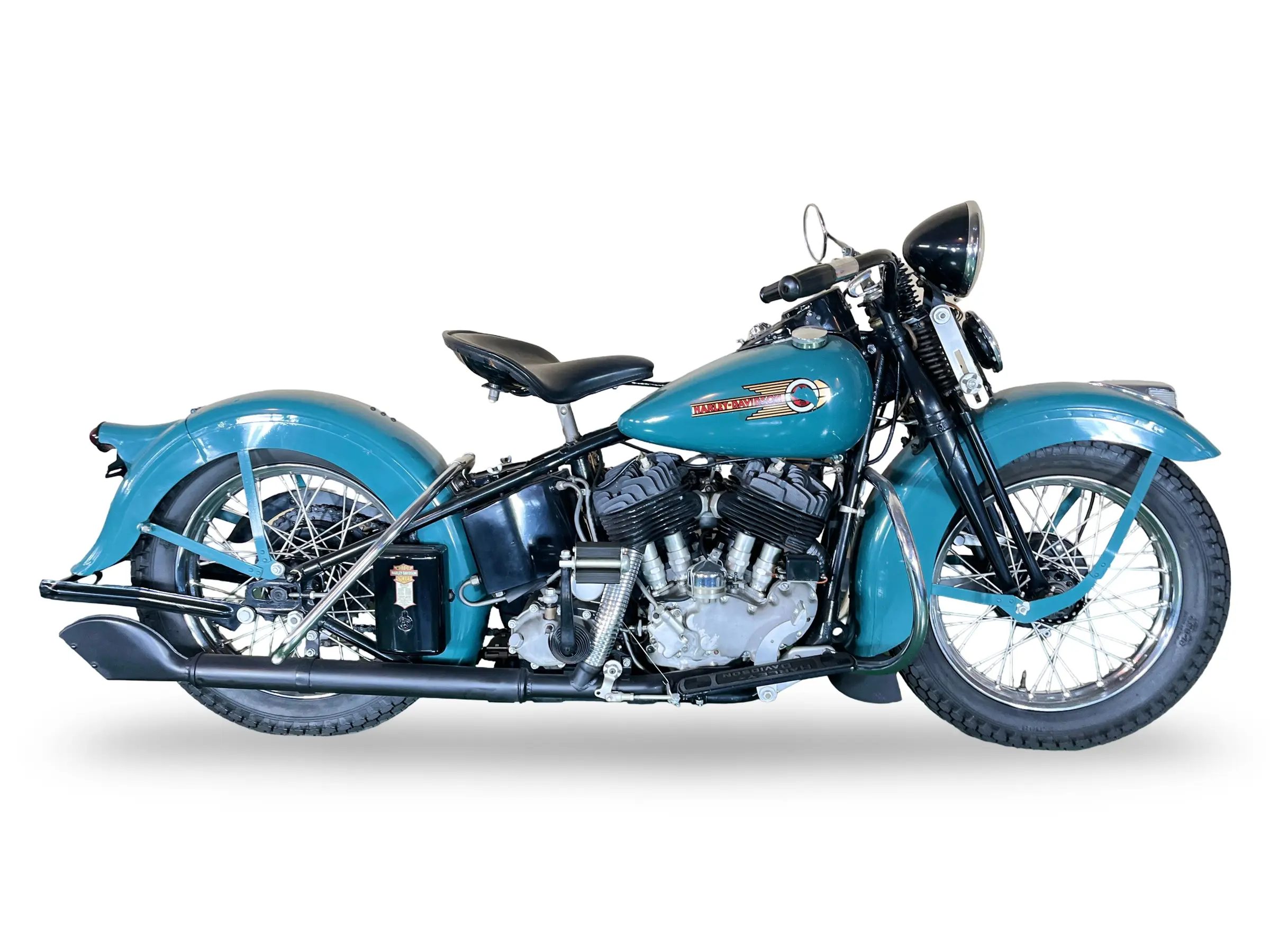
Harley’s new 61 cubic inches (989 cc) V-twin used a pressurized, recirculating dry-sump oil system, the company’s first engine to actually pump oil back through itself rather than losing it along the way. Riders could buy it as the 61E, a 37 horsepower (28 kW) base model, or the higher-compression 61EL, marketed as the Special Sport Solo and rated at 40 horsepower (30 kW). A sidecar-ready ES completed the lineup.
A nickname that arrived a decade late
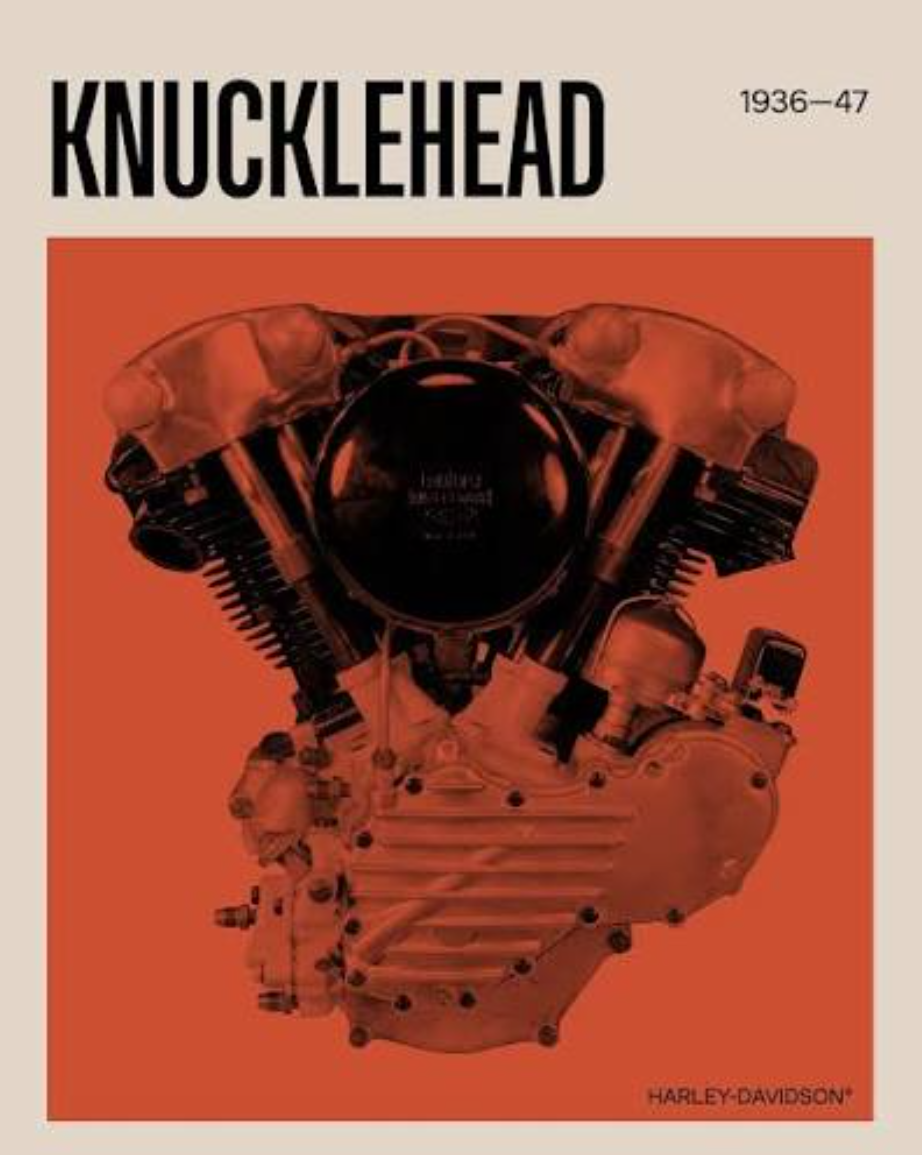
None of those riders called it knucklehead. In 1936, it was simply a 61 OHV, or 61 overhead if you were formal about it. The moniker that everyone associates with this engine today did not yet exist. It took World War II and Harley’s next engine to create it. Once the Panhead arrived with its smooth, closed rocker covers in 1948, riders finally had something to compare the old engine to. Considering those open rocker boxes on the 61 OHV, their polished nuts resembling the knuckles of a closed fist, the name makes perfect sense. By then, Harley had already stopped manufacturing the engines that made it money.
teething problem
 Credit: wagonvest
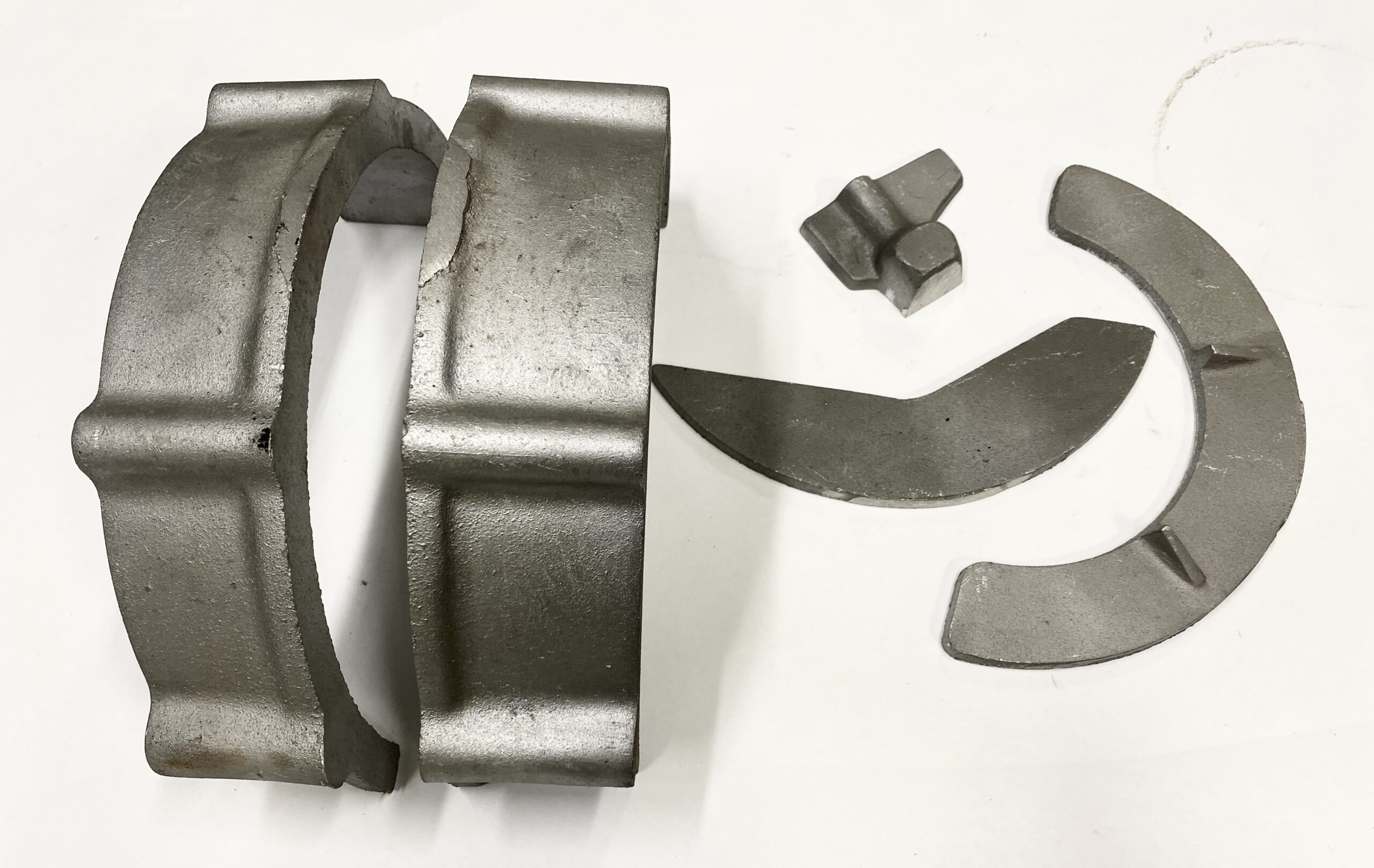
That first year was not good. Early ’61 OHVs suffered from valve spring breakage, poor lubrication reaching the rocker arms, and oil spilling out of the exposed top end more often than the Harleys. Dealers sent out repair kits to fix the more than 1,000 affected bikes already on the road, an expensive first impression for a new engine. Harley continued to refine it. Valve springs received better metallurgy. Rocker arms were redesigned. By 1938, the entire valve train was completely enclosed, both for durability and to keep dirt out of the parts that were originally left open to aid cooling. But none of this stopped the bike from selling. About 1,700 of the new OHV twins found buyers in the first year, oiling issues and all.
proving myself at daytona
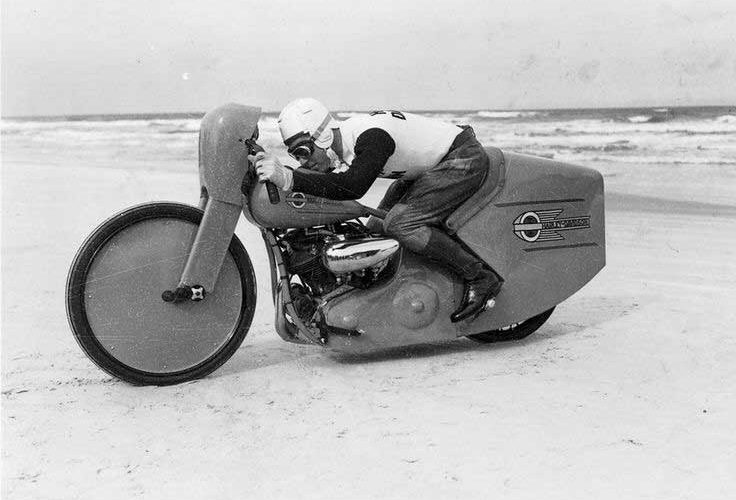 On March 13, 1937, Joe Petrali set the American motorcycle land speed record by hitting 136.183 mph on the sand of Daytona Beach aboard a Harley-Davidson Streamliner. Credit: Bells Machines
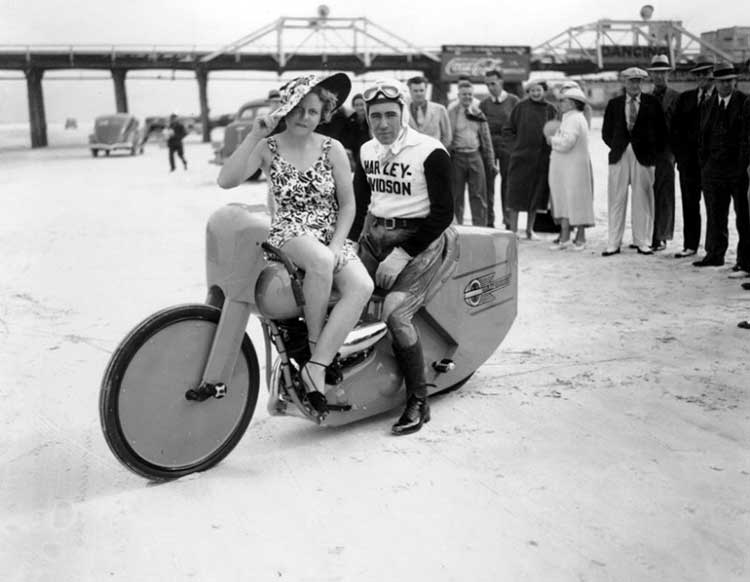
The numbers on paper alone reassure many people. Harley needed to prove that the new engine could actually do the job, and Daytona Beach provided the stage. In March 1937, factory racer Joe Petrali drove a heavily modified, streamlined 61 OHV on sand and set a new speed record of 136 mph (219 km/h), breaking the record held by Indian. Endurance matters just as much as top speed.
 Credit: Bells Machines
That same year, Fred Ham rode a 61 OHV for 24 hours on Muroc Dry Lake in California, averaging 76 mph the entire time. Between Petralli’s speed run and Hamm’s endurance record, Harley answered every real question about whether its new overhead-valve twin could hold up under pressure.
Streamliner’s Close Call
Petrali’s record was almost different. On the first practice pass at about 124 mph, the Streamliner’s front wheel came completely out of the sand, a truly dangerous moment at that speed. The crew pulled the streamlined tail section from the bike before the actual record run, which provided some aerodynamic advantage to keep the front wheel planted. it worked. Petrali got his record, and Harley got proof that its new engine could outperform anything else on two wheels.
61 to 74, and the sounds that follow
 Credit: Bonhams Cars
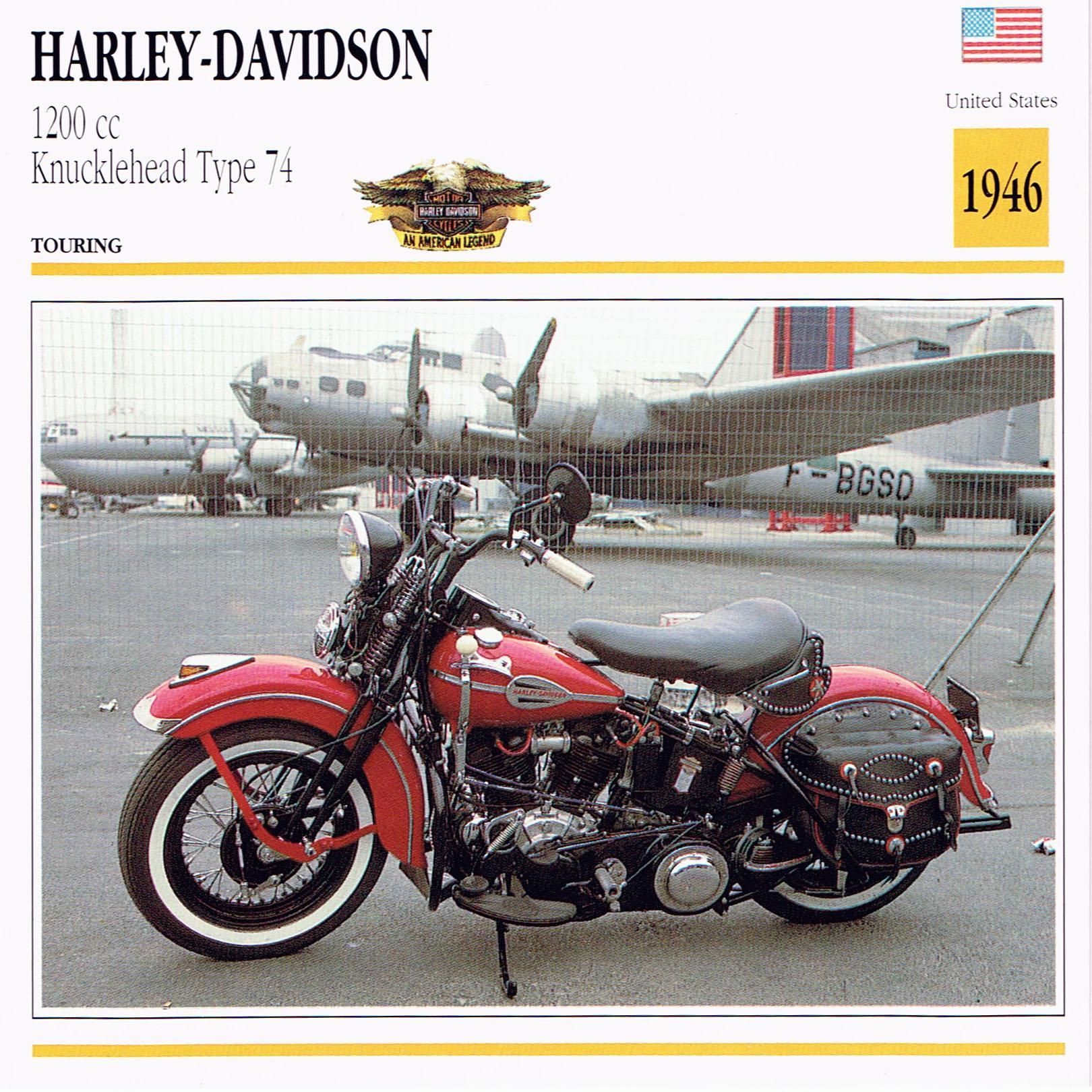
The 61 cubic inch engine was not the end of the story. In 1941, Harley added a 74 cubic inches (1,208 cc) version with the FL badge for riders who wanted more low-end power than the 61 EL offered. Both sizes remained in the lineup together for the remainder of the engine’s run. Then came the war. Wartime material restrictions destroyed civilian production almost overnight. Harley built 4,069 of these overhead-valve twins in 1940, and only 158 in 1943.
 Credit: Autoevolution
Production did not recover until the war ended, reaching a total of over 11,000 units by 1947. The following year, Harley replaced the engine with the Panhead, with its enclosed rocker covers, kicking off a 12-year run that began in the depths of the Depression and ended in post-war prosperity.
 Credit: Motorcycle Classics
The real legacy of the engine is the sound. The 45-degree V-twin built on a single crankpin fires unevenly by design, and that uneven rhythm is what people still associate with Harley-Davidsons today. The Panhead, Shovelhead, Evolution, and everything that followed maintained the same basic architecture, all derived from an engine that began life as a financial gamble that no one outside of Milwaukee expected to pay off. Post-war builders also took note of those bare engine cases, and turned surplus knuckleheads into some of the first true American helicopters. An engine that was almost never ready decided what an American V-twin should sound like.