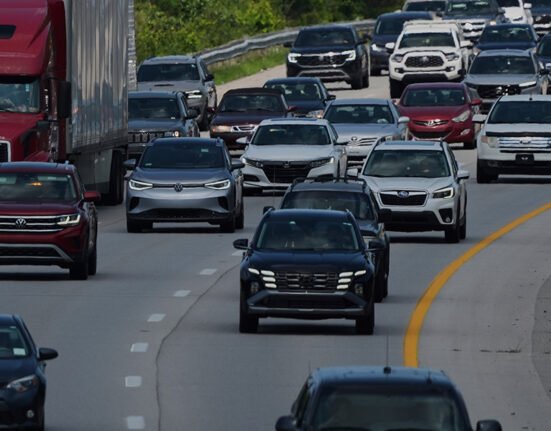
Diesel has had its worst year in the last decade. The conflict in the Middle East in early 2026 caused a supply shock and prices jumped more than 40% within two months. By spring, the national average was running $3.78 to $3.81 per gallon, with fleets in California and other high-cost states paying more than $4.50. According to industry benchmarking data, fuel accounts for 30 to 40% of total operating costs for many carriers. The fuel surcharge helps but the reality lags behind by several weeks. When diesel goes up a dollar overnight small and medium-sized fleets rarely have the opportunity to renegotiate the old table.
The instinct is to look for a single solution. There isn’t even one. Fuel cost control comes from a combination of several disciplines, and the fleets that can best manage this spike are working on all of them simultaneously.
The fleet has three real levers right now:
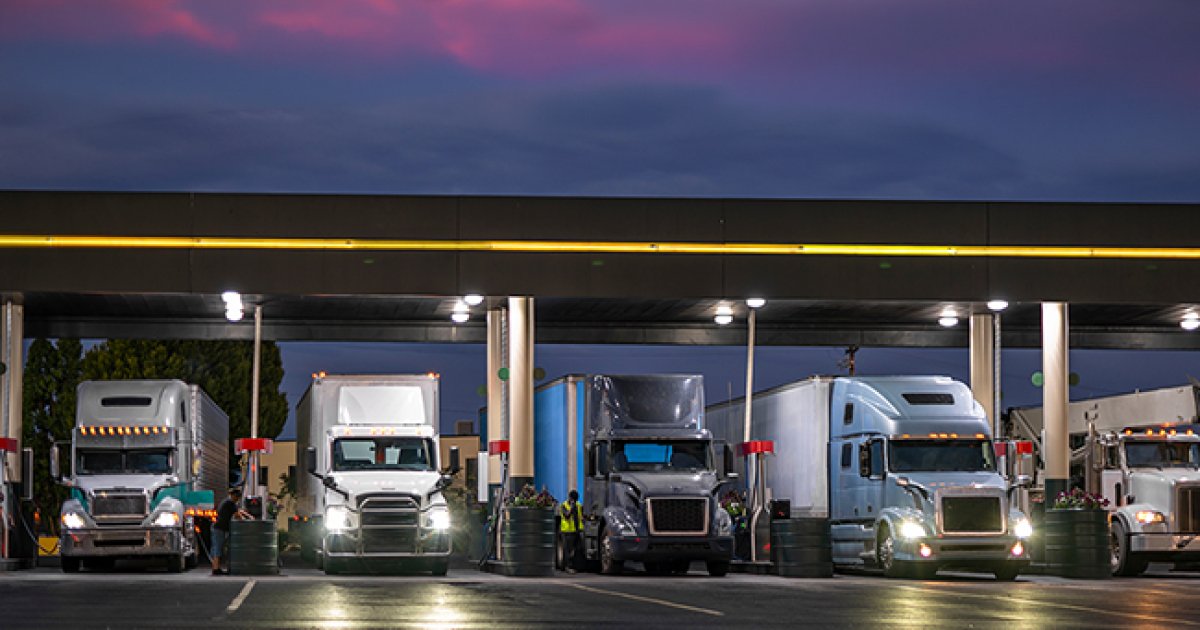
- Make fuel purchases strict. Fuel card programs and discount networks capture per-gallon savings at the pump that fleets paying rack rate never see. Combined with driver training on idling and speeding, this is the quickest lever to pull, but the savings are incremental, not transformational.
- Renegotiate fuel surcharge based on facts, not assumptions. The $3.50 diesel surcharge doesn’t hold up at $4.50. Carriers require current DOE index data in every interaction with shippers and brokers, which is updated weekly, not quarterly.
- Cut down on hidden fuel waste at toll and weigh stations. This is one of the biggest hidden costs that fleets overlook.
Every unplanned stop at a weigh station results in loss of fuel and time. Time spent idle in the scale house is equivalent to fuel spent moving zero freight. fleetworthyData from wait station bypass customers shows an average bypass savings of $11.95 in fuel, time and operating costs per stop.
At scale, this adds up quickly: Challenger Motor Freight (1,200+ trucks) cuts weigh station costs alone by about $60,000 per year after launch fleetworthyBypass network – the country’s largest – across the fleet. Cargo transporters (500+ trucks) documented over $88,000 per month in combined fuel and time savings, a 10x return on program cost.
Here’s why it works better than most cost-cutting measures: It doesn’t ask or send drivers to change behavior to accept slow service. Weigh station bypass keeps trucks on the main line instead of idling at the scale.
Toll management reduces back office drain by consolidating fragmented regional accounts into one bill, catching billing errors, and applying discounts for which fleets are often eligible but never claim.
Bundling toll management and weigh station bypass gives fleets one invoice, back-office efficiency and fuel savings that appear automatically, without adding any new processes for anyone to manage.
None of these take the place of disciplined fuel purchasing or sharp surcharge negotiations. But when diesel is so volatile, fleets that can best protect their margins can’t rely on one strategy. They’re stacking all three, and the toll and bypass piece is the one most fleets are still leaving on the table.
fleetworthy Offers the only complete technology suite to unify fleet readiness, security and compliance, toll management and weigh station bypass solutions. We help fleets streamline operations, control costs, and operate with confidence. Trusted by 90% of North America’s largest fleets, FleetWorthy offers the most adopted toll management solution and the largest weigh station bypass network in the country. Going beyond regulatory requirements, our security and compliance capabilities strengthen security programs and enable proactive audit readiness. We support millions of vehicles and drivers and are recognized throughout the industry for innovation and leadership in connected fleet technology.
The above article is sponsor-generated content. To learn more about sponsor-generated content, click Here.