Finding an hour for the gym is one of the most common reasons people skip workouts. But what if short bursts of exercise at the office or home could deliver similar benefits?A small trial from China suggests that splitting squats into short bursts throughout the day, a practice known as “exercise snacking”, may build strength about as effectively as completing the same workout in one session.How the trial workedThe study was published in the October 2026 issue of the Journal of Exercise Science & Fitness.
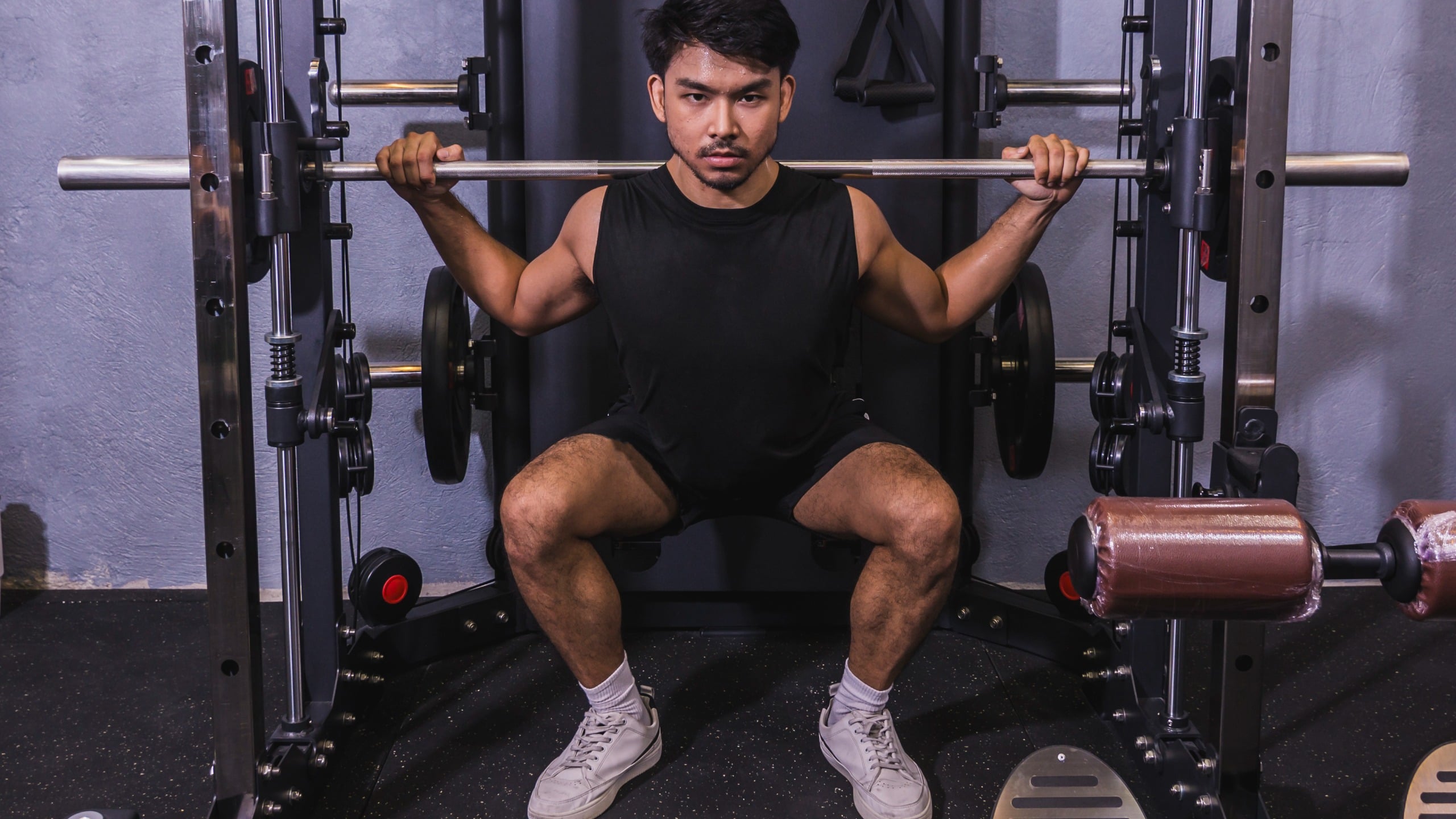
It was led by researchers at Tongji University, including Rongxuan Zhai and Lejun Wang. The team recruited 45 male students aged 18 to 25, all with at least six months of regular weight training behind them.Participants were randomly placed in one of three groups: fragmented resistance training, traditional continuous training, or no supervised training at all. For eight weeks, the two training groups squatted three times a week on a Smith machine under expert supervision, with the weight rising over time for each person.
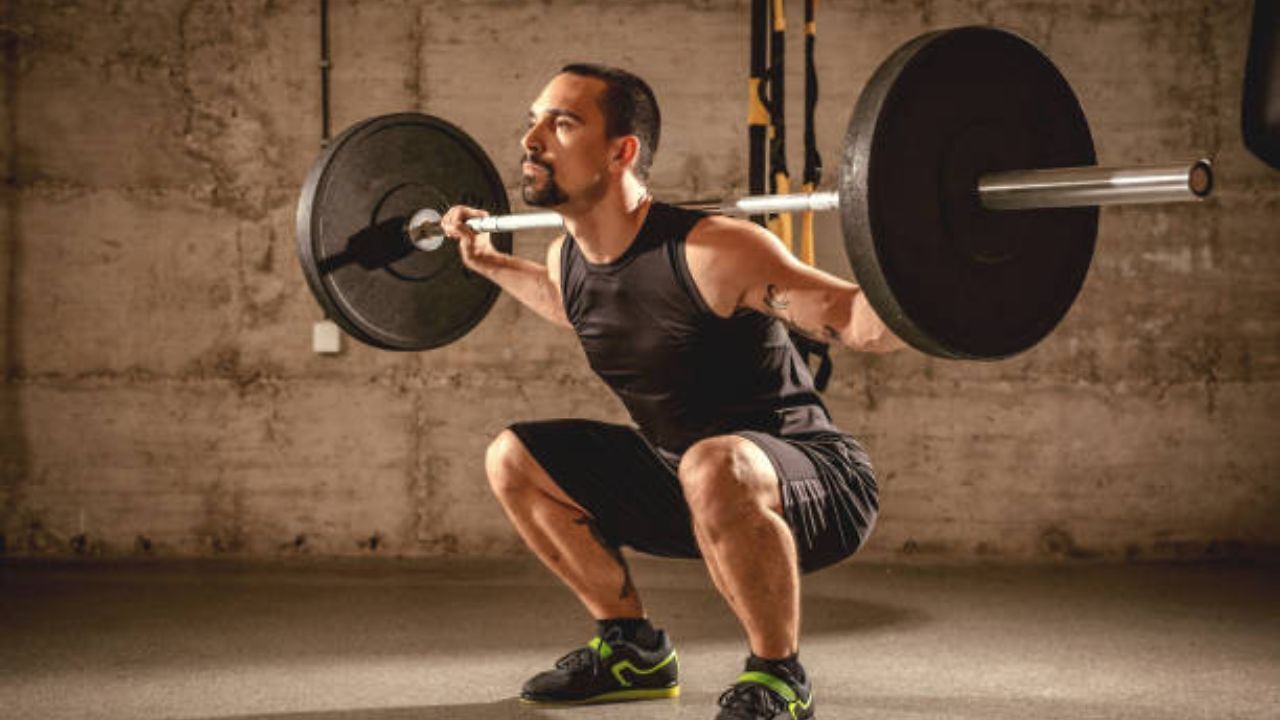
The fragmented group did three separate one-minute bouts of 20 weighted squats. The traditional group did one continuous session of 60. The total amount of work was the same.What they foundBoth training groups got clearly stronger than the control group. According to the study’s abstract, one-rep max squat strength beat the control group by about 20.6 kilograms in the fragmented group and about 28.9 kilograms in the traditional group.
ScienceAlert reported that muscular strength, isometric squat force
ScienceAlert reported that muscular strength, isometric squat force and relative muscular endurance improved in both training groups compared with the control group.Also Read: Just Four Days Of High-Fat Diet May Increase Inflammation, Study FindsThe traditional group’s gains were larger on paper, but ScienceAlert reported that the difference between the two training styles was not statistically significant.
“The present findings do not support the conclusion that traditional continuous resistance training is superior,” the authors concluded.The one clear difference was enjoyment. Participants who squatted in short bursts reported having more fun than those who did one long session. The authors suggest that “dividing the same training volume into several brief sessions may reduce the perceived burden associated with prolonged exercise while allowing individuals greater flexibility to integrate exercise into their daily schedules.”Why it matters“Exercise snacking”, meaning short bouts of activity spread through the day, has become popular in recent years.
Earlier research has mostly looked at aerobic activity such as climbing stairs or brisk walking. ScienceAlert noted that it has been linked with better cardiorespiratory fitness and blood sugar control.This trial looked at resistance training instead. That matters because strength work usually means a dedicated gym session, which is harder to fit into a busy day. Breaking it into one-minute pieces could make it easier to start.What the study can’t tell usThe trial was small, and the volunteers were young men who already lifted weights.
They did one exercise, the squat, for eight
They did one exercise, the squat, for eight weeks. The results may not apply to women, older adults, beginners or other exercises. Because the sessions were supervised, the study also can’t show whether people would keep up short bursts on their own.ScienceAlert noted that the researchers had expected traditional training to build better endurance than the short bursts. That hypothesis was not supported here.
The authors say longer studies in more diverse groups are needed.The bottom lineFor people short on time, this early evidence suggests that a few one-minute sets of squats spread through the day can do much of what a longer session does. It is a promising option, not yet a proven replacement for a full workout. Anyone with a health condition or injury should check with a doctor before starting a new exercise routine.