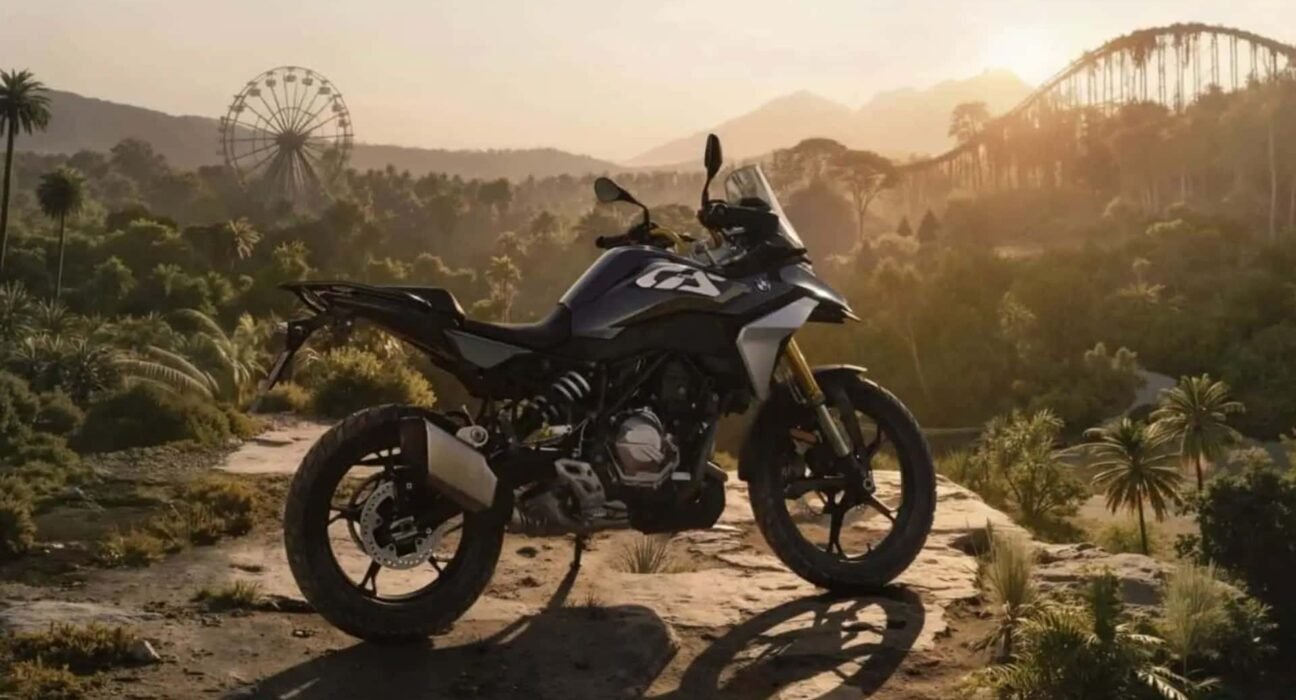
The BMW F 450 GS has reportedly become so popular in India that some buyers are facing waiting periods of up to almost a year. Reports also suggest Dealers have stopped accepting new bookings In some areas by the end of 2026. On the surface, it seems like a straightforward story about a new motorcycle selling better than expected. Look a little closer, however, and it reveals something much bigger than a single BMW model.
For years, motorcycle manufacturers operated under the assumption that riders were always dreaming of bigger, more premium machines. More displacement means more performance, more prestige and supposedly more desirability. Each new generation brought bigger engines, more technology and higher prices. Yet as manufacturers continued to move upward, many riders began to move in the opposite direction, and chose motorcycles that offered ample capability without the compromises that often come with excess size, weight, and complexity.
Photo by: BMW
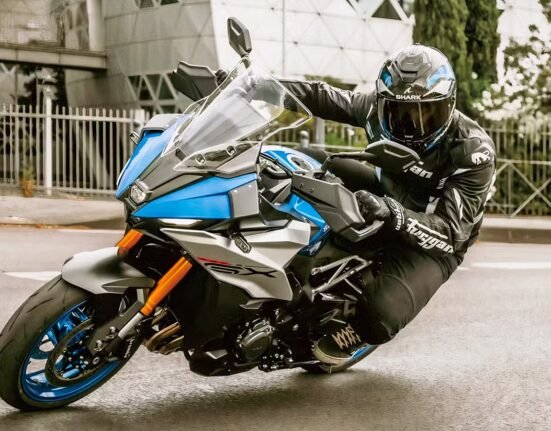
That’s what makes the F 450 GS such an interesting case study. This is not a beginner bike. It has the same GS badge that has become synonymous with adventure touring, while it has a parallel-twin engine producing nearly 48 horsepower, modern rider aids, and a TFT dashboard. More importantly, it packages those features into a motorcycle that remains approachable and manageable without sacrificing the premium feel we expect from a BMW.
The adventure segment has spent the better part of two decades chasing big numbers. Engine displacement grew beyond 1,000 cc, horsepower figures steadily increased, and curb weight also followed the same trend. The resulting motorcycles became incredibly capable, but they also became increasingly niche. Many were built to cross continents and tackle extreme terrain, while the average owner was more likely to spend weekends exploring back roads or commuting to work than crossing the Sahara.
That disconnect paved the way for motorcycles that prioritize utility over excess. Riders have discovered that a machine weighing less than 400 pounds can be more fun on a day-to-day basis than one that weighs 600 pounds. A 45 to 80 horsepower motorcycle can cruise comfortably at highway speeds, carry luggage, and handle dirt roads, while also being easier to ride, easier to lift, and less intimidating when conditions become challenging.


Photo by: BMW
The popularity of motorcycles like the Yamaha Tenere 700, Honda NX500, Royal Enfield Himalayan and the CFMoto Ibex 450 reflects that change. Riders are not choosing these bikes because they are compromising on the low price. They’re choosing them because the balance of performance, weight and practicality really matches the way they ride more.
What’s particularly revealing about the F 450 GS is that demand remains strong even in markets where pricing isn’t particularly aggressive. In the UK, the bike’s price starts at £6,990, while the US price is estimated to be around $9,000 to $10,000. Due to it being cheap, buyers are not coming towards it. They’re attracted to the idea of a premium adventure bike that offers the most of their potential without the need to manage a big machine every time they leave the garage.
In many ways, the waiting list is not the story. What’s more, BMW probably couldn’t have anticipated how many riders were waiting for a motorcycle exactly like this one. The industry spent years convincing itself that bigger automatically meant better. The reaction to the F 450 GS shows that many riders had long ago reached a different conclusion.