There’s more to automotive and marine batteries than just delivering electricity. Well, actually, that pretty much sums them up, but how they deliver that juice depends on their application.
You can’t just take any battery that fits and expect it to work forever. Besides making sure it’s the appropriate size and provides the appropriate amount of cold cranking amps (which surprisingly isn’t a euphemism), you need to determine whether it’s meant to start a car – a starter battery – or is designed to provide continuous power over long periods of time, which a deep cycle battery does.
No, the name “Deep Cycle” doesn’t come from cycling below sea level; This is a form of battery that is more suitable for marine, RV and, even overlanding use. But only as a method of providing power to lights, stereos, and other things that the alternator is not powering. Let’s take a closer look at both batteries, including their positives and negatives.
Here’s what starter batteries and deep cycle batteries do
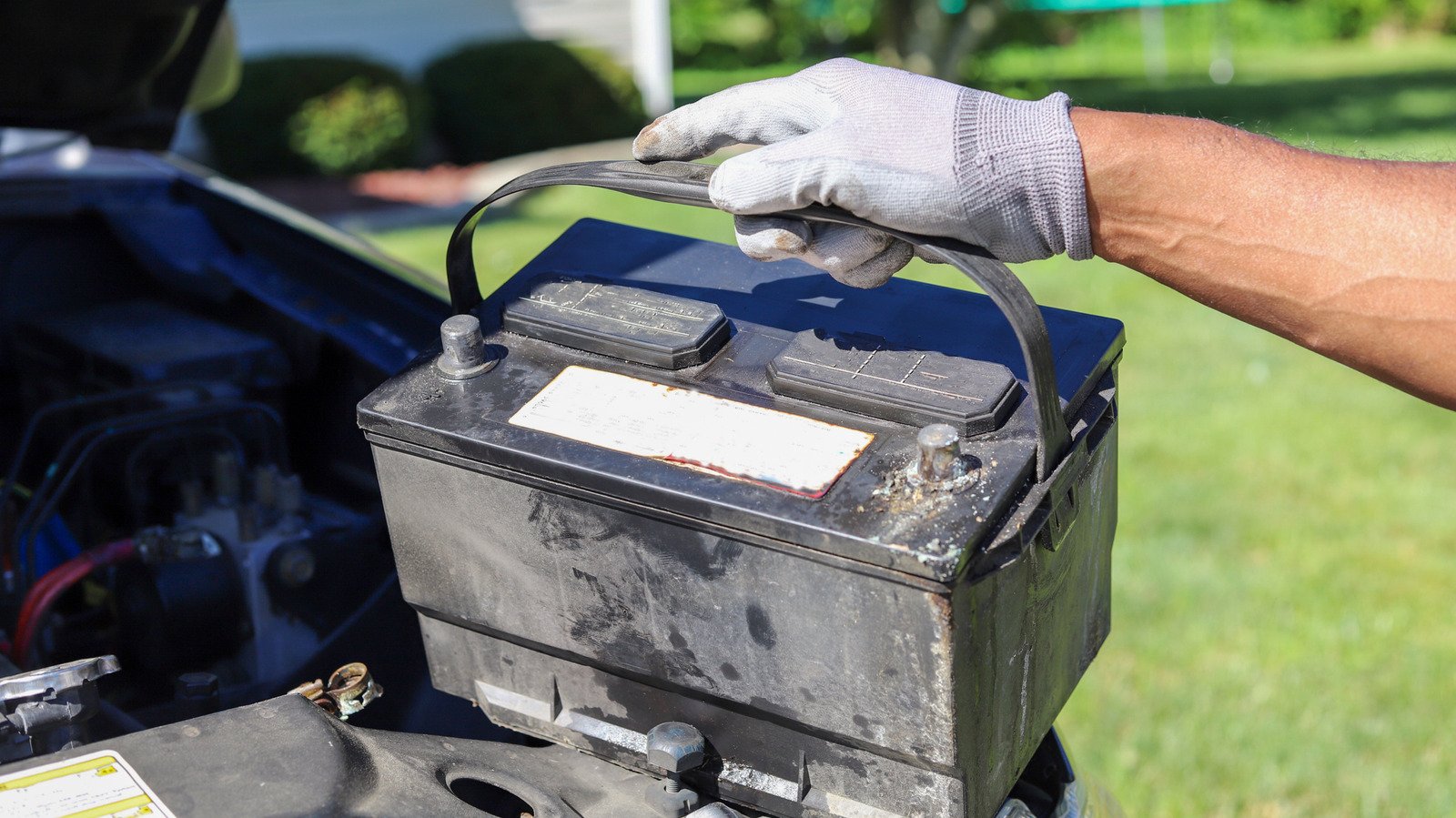
The purpose of the starter battery is to provide a quick, hearty jolt of electricity to rotate the starter motor, which then rotates the engine to start. From there, any accessories like the lights, stereo, and climate system get their juice from the alternator, which slowly sends power back to the battery so it can continue chugging along for longer periods of time (assuming it’s rated positively by Consumer Reports).
Starter batteries provide high cold cranking amps (CCA), which is the number of amps they can deliver at 0 degrees Fahrenheit for 30 seconds while maintaining at least 7.2 volts. The higher the CCA, the stronger the cranking power. Inside, the thin plates of starter batteries allow maximum current flow, so there is a quick burst of energy rather than a continuous output. This is why after leaving your stereo, lights, or HVAC system on for a period of time without running the engine, your battery may be drained or close to doing so.
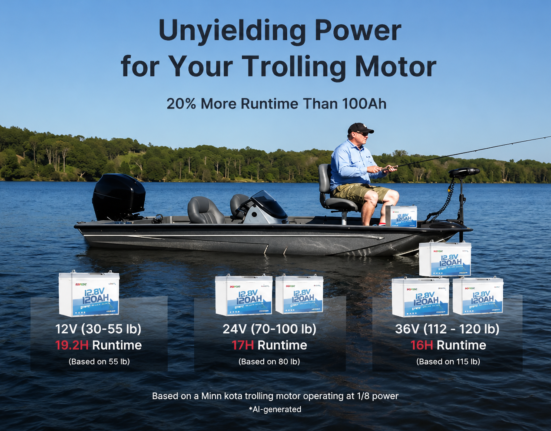
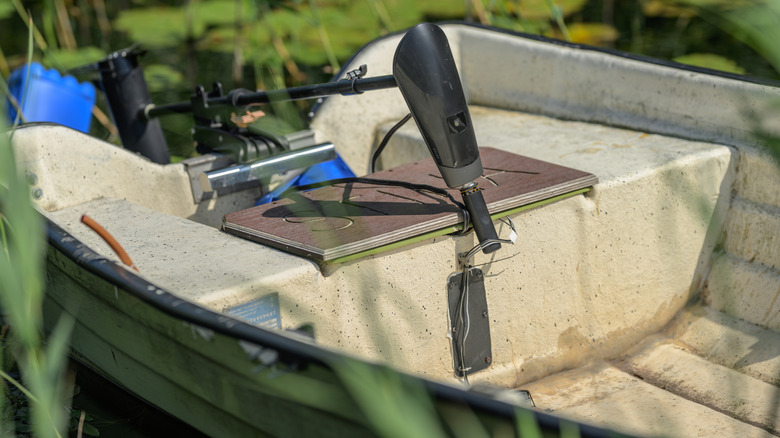
In comparison, deep cycle batteries are measured in ampere-hours (AH) rather than CCA. Their use focuses on providing a stable electrical output for things like trolling motors on boats, RV or boat entertainment facilities, refrigerators and/or lights of an overland build, and more. Unlike starter batteries, deep cycle batteries are designed to sustain these loads for extended periods before needing to be recharged. Typically, they are designed to last longer using elements such as high-density paste, thick plates, and various grid compositions, with the compositions depending on the type of battery. Still, it is important to read the specifications of any model before use.
Unless you choose dual-purpose batteries, don’t mix them
Using a starter battery when you must have a deep cycle battery will not be effective and will shorten its life. A deep cycle will provide insufficient CCA in early applications and will not work well with modern cars’ battery management systems, causing fault codes to activate. However, there is such a thing as a dual-purpose battery, used primarily in small marine and camper applications (the latter with appropriate wiring from under the hood). Dual-purpose batteries are for when one wants a single battery and space is at a premium. But, as the saying goes, “Jack of all trades, master of none.” Dual-purpose batteries can’t keep the crank down like a starter battery, and they also can’t provide as much extended juice as a full-on deep cycle unit.
You can run both starter batteries and deep cycle batteries; Just make sure that no one is messing with the other’s wiring. If packaging is a concern in a trail-ready rig, lithium iron phosphate (LiFePO4) deep cycle batteries are always smaller and lighter than their lead-acid and absorbent glass mat (AGM) counterparts. Most LiFePO4 deep cycle batteries also have other benefits over these alternatives, such as built-in battery management systems that protect them from short-circuiting, overheating, overcharging, or over-discharging.
The difference between deep cycle and starter batteries ultimately depends on how they deliver power and thus, what their intended purpose is. The former is for long-term draw, while the latter provides just enough quick juice to turn an engine.