Electric vehicles (EVs) have experienced a significant boom in popularity in 2026, with sales up almost 150 per cent between January and October, compared with the same period in 2025.
Based on that trajectory, it’s expected there could be an additional 250,000 EVs on Australian roads by the end of this year – with many families embarking on holidays this summer in a battery-powered car for the first time.
While there are many benefits to owning an EV, over the Easter long weekend there were several reports of drivers having to wait for up to five hours at charging points on major thoroughfares and at country tourist destinations.
The good news is that with a little bit of forward thinking there are easy ways to make it an EV road trip to remember – and avoid ruining a family holiday.

Range claims change
It’s worth remembering that just because a vehicle has a certain advertised driving range, that doesn’t guarantee you’ll be able to travel that distance on the freeway.
Whereas petrol and diesel vehicles generally get poorer fuel economy in the city and better consumption during highway driving, EVs are the opposite – they are more efficient during city driving, with energy consumption increasing at motorway speeds.
That means you can’t plan your trip based solely on the claimed driving range – which will be an average of urban and country driving – particularly if you’re going to be travelling on highways and freeways.
Plan your stops
Owning a petrol or diesel car means fuel stops are typically an afterthought, with service stations found in most towns across the country. While infrastructure is improving all the time, charging locations for EVs aren’t as commonplace, so a little bit of planning ahead can make all the difference.
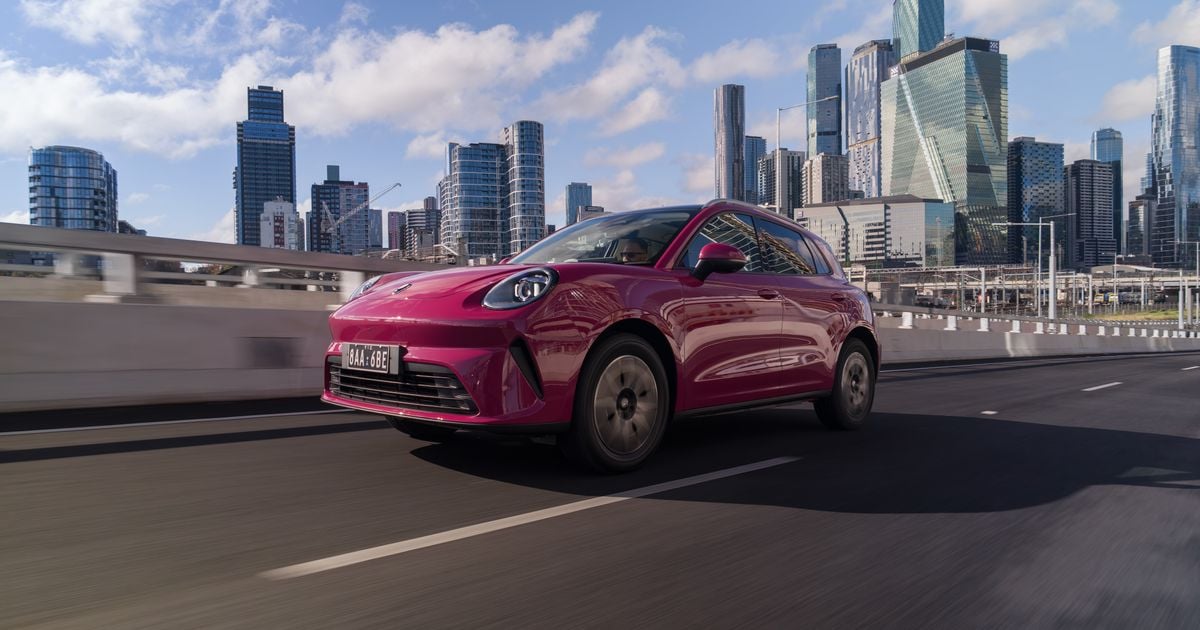
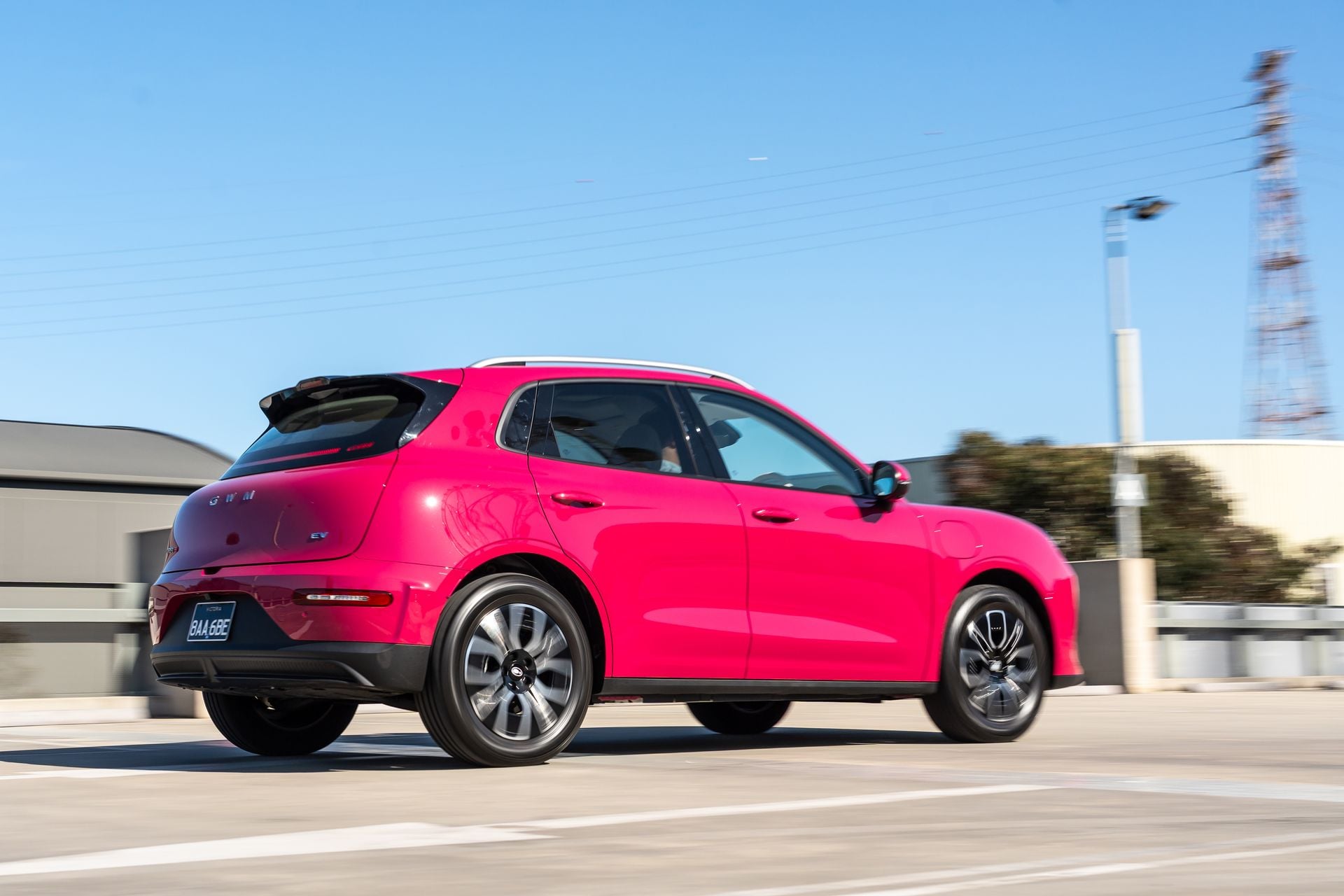
For example, taking a GWM Ora 5 – one of the best-value electric SUVs on sale right now – from Melbourne to Merimbula would mean travelling a rough distance of 600km.
With one overnight stay to break up the drive, the trip would only require one stop for recharging on the first day and another on the second day – with the timing of each lining up with coffee and toilet breaks.
According to GWM, the Ora 5 can be recharged from 10-80 per cent in 30 minutes using a 120kW DC fast-charger. However, with other chargers being used at a given location, the power output could drop, so don’t always assume a best-case scenario – allow for longer stops to ensure you have enough range to get to your next destination, with some margin.
Overnight charging
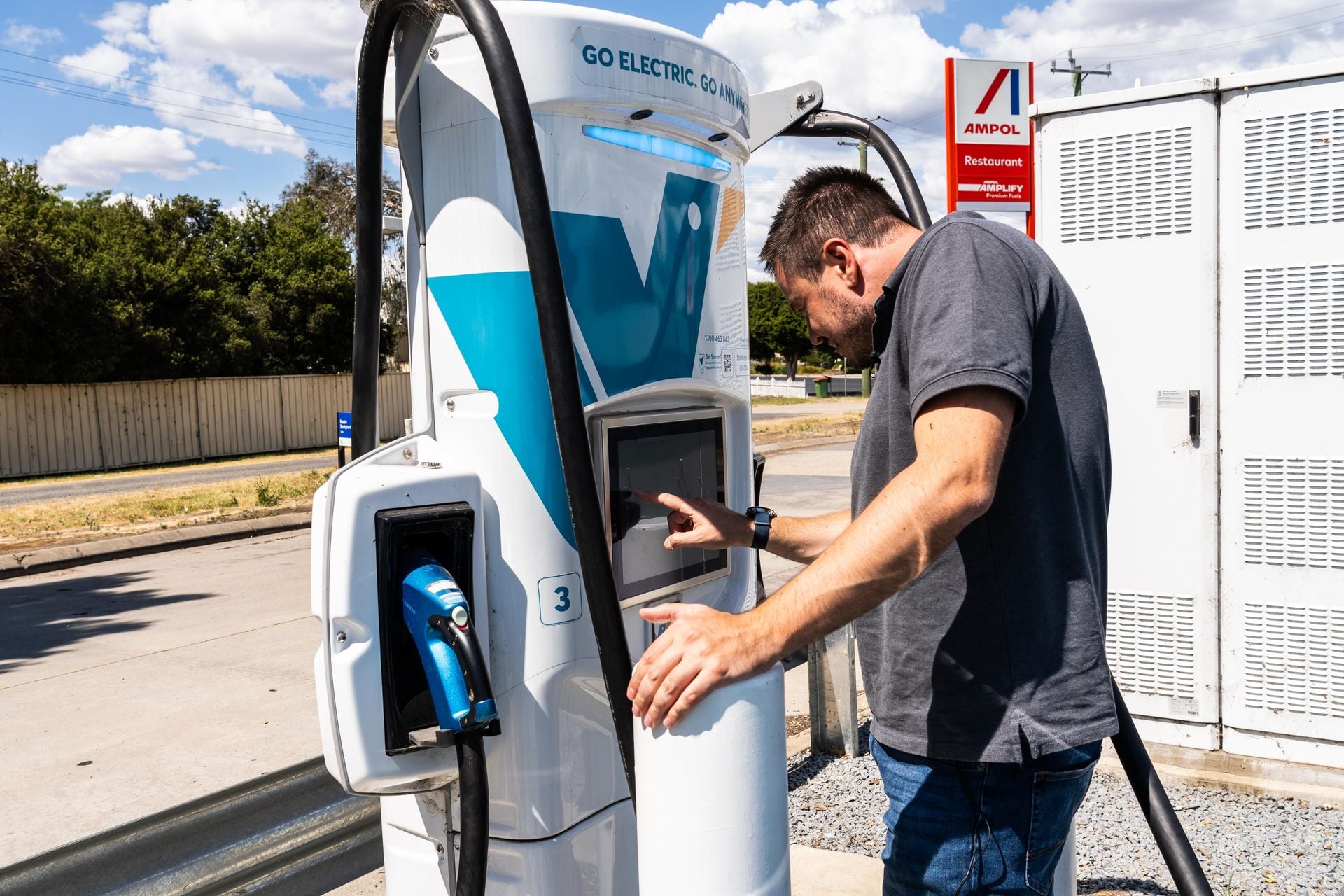
Many motels, hotels, and caravan parks have installed their own EV charging stations on-site, allowing guests to recharge their vehicles while they sleep.
While chargers work on a first-come, first-served basis, planning to arrive early can give you the best chance at snagging a spot – all while you and your family relax in the pool after a day of driving, ensuring the car is ready to go in the morning.
Utilising online tools
Online mapping software and artificial intelligence agents can be an easy way to take the stress out of holiday planning.
An AI agent can take into account the vehicle’s energy consumption, distances, overnight accommodation with charging, as well as finding stops during the trip to make it feel more like part of the holiday than a chore.
Using our earlier example – a trip from Melbourne to Merimbula in a GWM Ora 5 – we asked one AI agent to put together a plan. It suggested an overnight stay in Lakes Entrance, listing five different options for accommodation with charging.
The plan also includes a stop in Traralgon for lunch on the first day, with cafes within walking distance – as well as an antiques and collectibles shop for those wanting to extend their break – while the second day only requires a top-up, with a coffee break available at the nearby bakery.
There are also dedicated websites like PlugShare, EV Atlas, A Better Route Planner, or MyNRMA to help find fast DC chargers along the way.
The final trip can then be created at home on Google Maps, with the route – including stops – sent to your phone, or emailed through so it can be accessed at a later time.
Appropriate apps
Before you head off, make sure you have the right apps for charging stations downloaded, with accounts created and payment information entered to save time for both you and other motorists.
The top three apps to get are Tesla, Evie Networks, and Chargefox – with Chargefox able to be used at locations associated with NRMA, RACV, and RACQ, among others.
Waze is also a popular satellite navigation app that can show you live delays and potential dangers ahead, and warn you of speed cameras.
Plan B
Sometimes things don’t go the way you intended. It can be as simple as a charging station with a very long queue, or as complicated as a closed road and a detour adding hours – and kilometres – to your trip.
It’s always a good idea to have a backup plan you can enact, like alternative towns with chargers, or knowing about caravan parks along your route that allow overnight AC charging – if DC charging isn’t available.
Having an app like PlugShare on your phone can also be a good idea, allowing you to see where you can recharge within your area.
And don’t forget that if you’re a fan of streaming music and podcasts, your phone may not have reception in remote country areas, so download a few albums or episodes ahead of time.
Pack right
Make sure that you have the right cables on board so you have more than one charging option.
A portable EVSE will allow you to charge overnight from a standard household outlet if a fast-charger isn’t an option, while a Type 2 to Type 2 or 15A/32A adaptor can also be helpful.
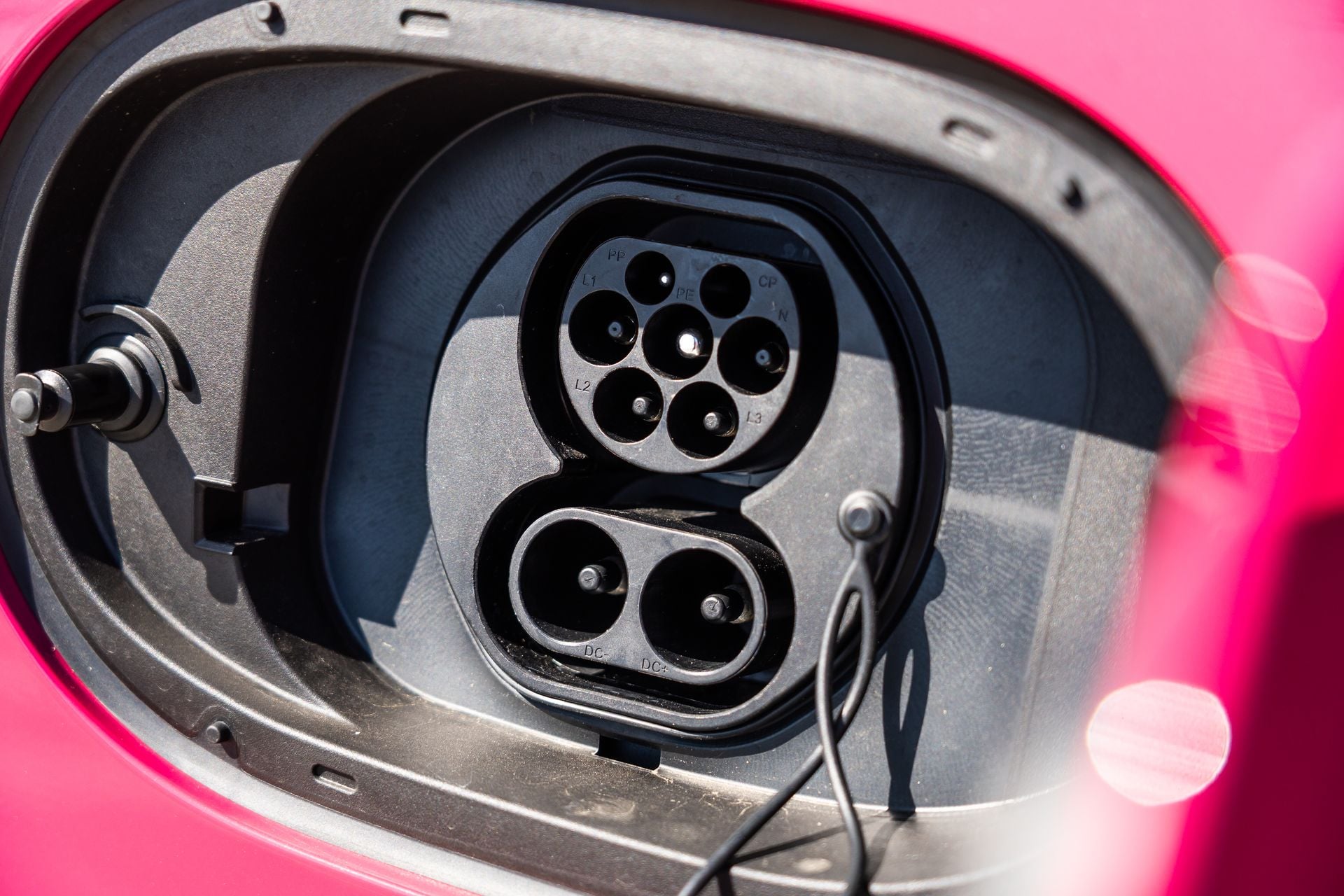
Bringing a suitable extension lead can also be cheap insurance, if you need tohicle
Tyres
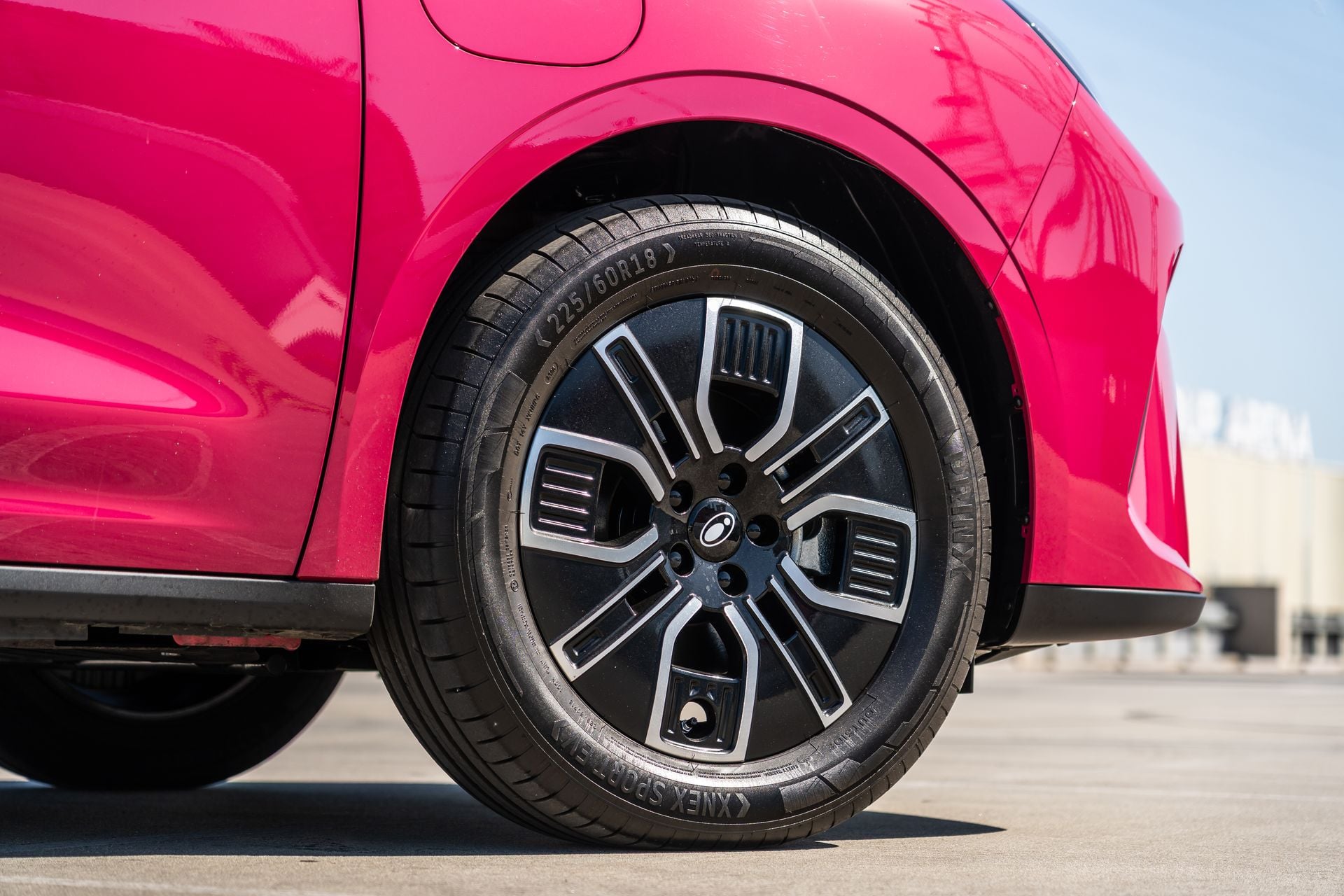
Just because you have a new car, it doesn’t mean you can ignore traditional safety advice. Always check your tyres for tread wear and leaks, and check that they’re inflated to the recommended pressures.
Increasing tyre pressures (within the recommended range stamped on the tyre itself) can help improve energy efficiency, but the compromise can be a harsher ride.
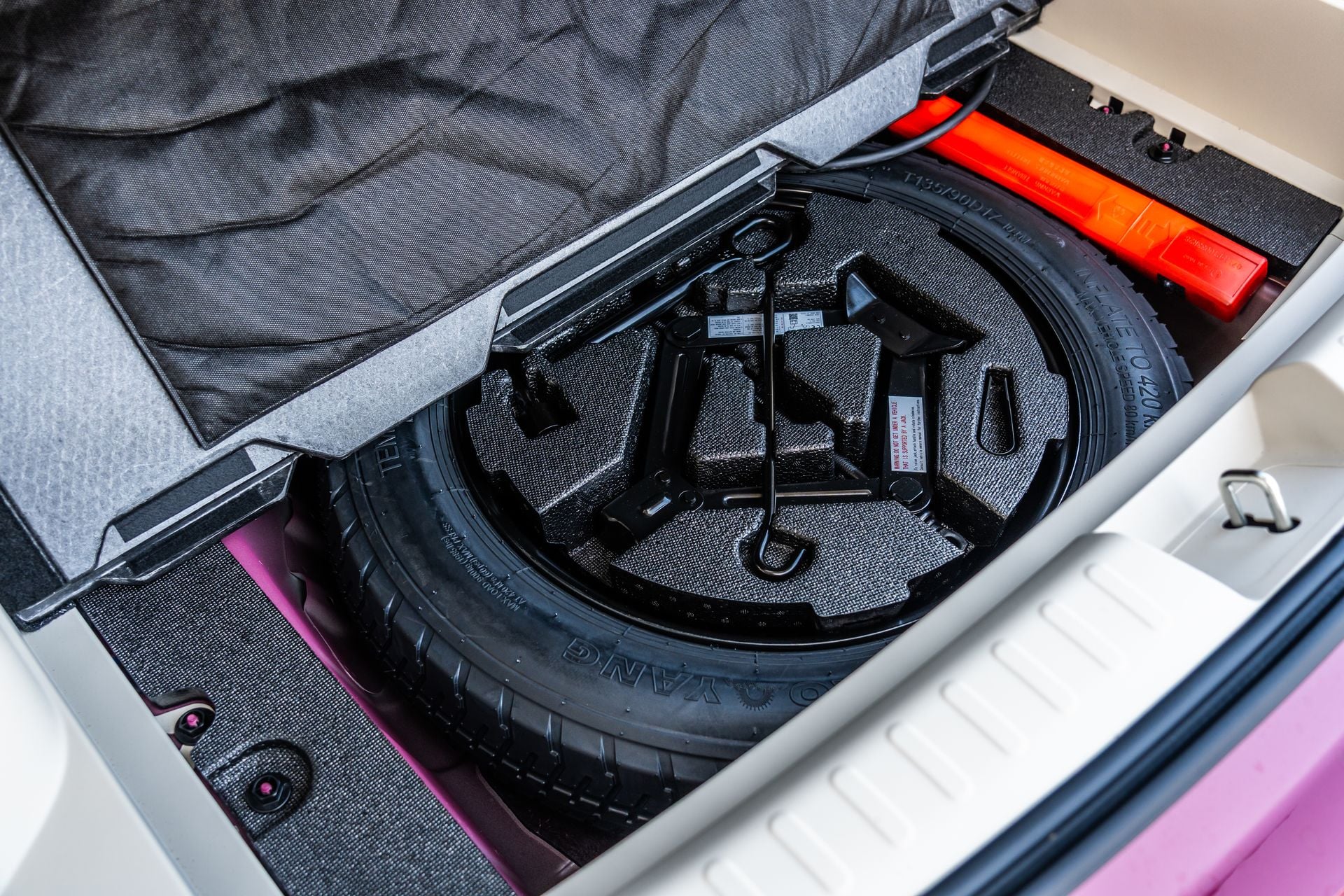
With a lot of publicity in recent years about the poor state of Australian roads – particularly in country areas – it’s also a smart idea to have a spare wheel with you in case of a blowout or, at the very least, keep a can of tyre repair goop somewhere handy.
If you’re approaching a recommended service interval on your vehicle and have a trip planned with several thousand kilometres, it can be better to book it in to your dealership for an early service – that way trained mechanics can check over your car before you head off.
Roadside assistance
It’s never the call anyone wants to make, but having roadside assistance can be a lifesaver when you’re a long way from home.
Most new cars provide complimentary programs for a certain period from purchase, with Genesis being the most generous, offering 10 years of roadside assistance for its EVs. BMW, Mini, and Leapmotor offer eight years of roadside assistance, while GWM provides seven years of roadside assistance.
Must-haves
The final piece of the puzzle is arguably the most important for a road trip: snacks.
Be sure to stock up on drinks and snacks ahead of time, with supermarkets typically offering lower prices than service stations – as well as providing some healthier options.
Having some bottled water on board is also a good thing, just in case you get stranded, you need to clean a side window, or the water at your destination tastes a bit weird.
MORE:Australia’s top road trip destinations revealed
Ben Zachariah
Road Test Editor
Ben Zachariah
Road Test Editor
Ben Zachariah has 20-plus years in automotive media, writing for The Age, Drive, and Wheels, and is an expert in classic car investment.
You might also like

Land Rover ordered to destroy seized BYD documents in Ti7 copyright case
The legal wrangling over the design of the BYD Ti7 has taken a turn, with a Dutch court ordering Land Rover to destroy documents taken from BYD.
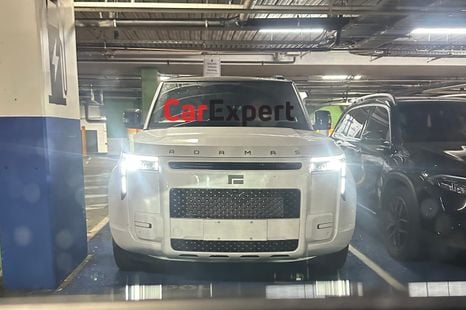
Chinese brand spied testing its Defender-style SUV in Australia
Rox Motor has been spied testing one of its two large, extended-range electric SUVs in Australia as it prepares for a local launch.
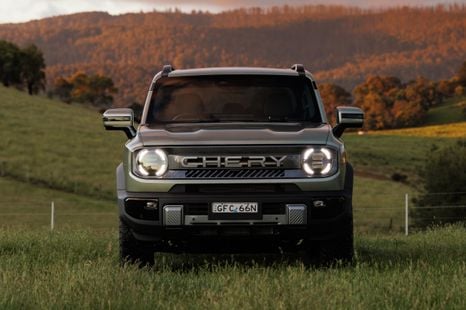
2027 Chery Stockman price and specs
The Chery Stockman ute lands in Australia early in 2027, with two dual-cab model grades and a segment-first diesel plug-in hybrid powertrain.
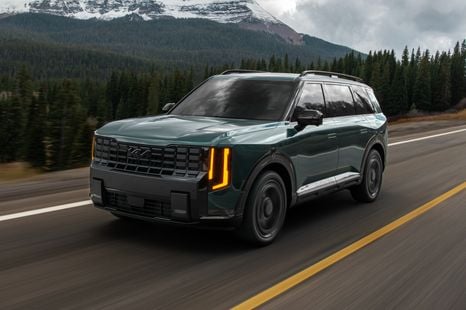
2027 Kia Telluride review: Quick drive
It’s related to the Hyundai Palisade and has echoes of the Kia Tasman ute, but should you be upset that the Kia Telluride isn’t sold in Australia?


EV tops RACQ’s most affordable car rankings for the first time
The BYD Atto 1 has been named the cheapest vehicle to own and run by the RACQ, while the Ford Ranger was named the priciest ute to keep on the road.
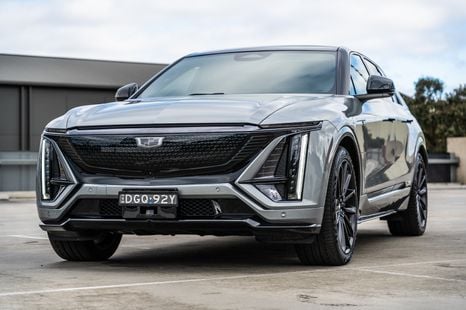
2027 Cadillac Lyriq-V price and specs: Delivery timing confirmed for hot electric SUV
Cadillac’s first high-performance V-Series model in Australia, the electric Lyriq-V SUV, will start reaching customers early in 2027.