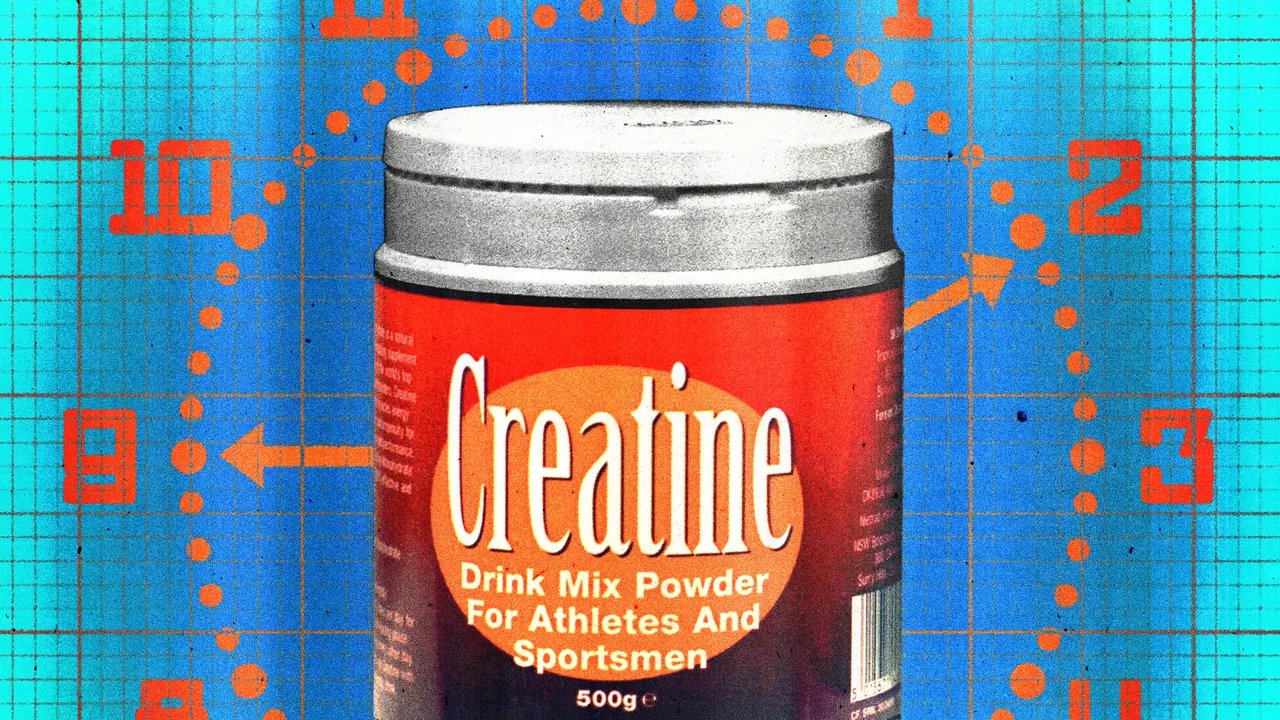
if you’re strength trainingThere’s a good chance you’ve tried your hand in this world creatine. Studies have shown that taking creatine regularly is associated with better brain healthHelpful in bone strength and muscle development.
You may have heard about those benefits, but it’s less clear when you should actually take them. After all, creatine supplements aren’t cheap. If you’re spending the money for this, you’ll want to make sure you’re getting everything you can out of it.
What does science say about when to take it? We spoke to sports dietitians to find out the best time to take creatine, how much to take, and whether it should be paired with anything for optimal absorption.
What are the benefits of creatine supplements?
“Creatine is a compound that your liver and kidneys synthesize from three amino acids: arginine, glycine, and methionine,” says Jordan Mazur, Nutrition Director of the San Francisco 49ers. Mazur explains that about 95% of creatine is stored in muscles as phosphocreatine, a molecule that is important for energy production in muscle cells. “You get a little creatine from meat and fish, but the supplement boosts your muscle stores to full capacity, giving you a larger on-demand energy reserve,” says Mazur.
Phosphocreatine provides immediate fuel that is used to synthesize ATP in muscle cells Joel Ramdayal, Program Director of Nutrition in the Department of Allied Health, Kinesiology and Sports Sciences Southeast Missouri State University. This helps the muscles perform explosive movements like box jumps and deadlifts. “We normally have a very limited supply of phosphocreatine in our muscles, but supplementing with creatine can increase this supply of phosphocreatine, which can extend the duration of high-intensity strength exercises,” says Ramdayal. Over time, this may lead to increased muscle and bone strength, he said.
All this means that if your goal is to get stronger, creatine supplements may work in your favor. “Anyone who is pursuing strength, power, or lean mass gains—think weightlifters, sprinters, and team sport athletes (can benefit from creatine supplementation),” says Mazur. It may also be helpful for vegans and vegetarians whose diets are low in natural creatine. Jonathan Poirot, A former dietitian in the U.S. Army and now a sports dietitian at Johnson & Wales University says older adults may also benefit from supplementing with creatine as a way to preserve muscle.
That said, there is some evidence that taking creatine may also help with workout recovery. A 2021 scientific study published in Nutrients. Poirot explains that it does this by reducing markers of muscle inflammation after exercise, promoting cell hydration, and supporting glycogen resynthesis (when consumed with carbohydrates).
Besides being good for your muscles, creatine may also help the brain. A Scientific paper published in 2024 leader in nutrition Several different controlled clinical trials found an association between creatine supplementation and significant improvements in memory and cognitive processing time.
Best time to take creatine
Since the main attraction of creatine is that it supports strength and muscle growth, it makes sense to think about its timing in relation to your workout routine. But in reality, all of the sports dietitians we spoke to say it doesn’t matter much when to take creatine, although similar to protein, research shows it’s best to take it before or after a workout. “Research examining whether immediately before or after exercise is best has yielded mixed findings, so choose what works best for your lifestyle,” says. Kelly Pritchett, Professor in Nutrition and Exercise Science at Central Washington University.