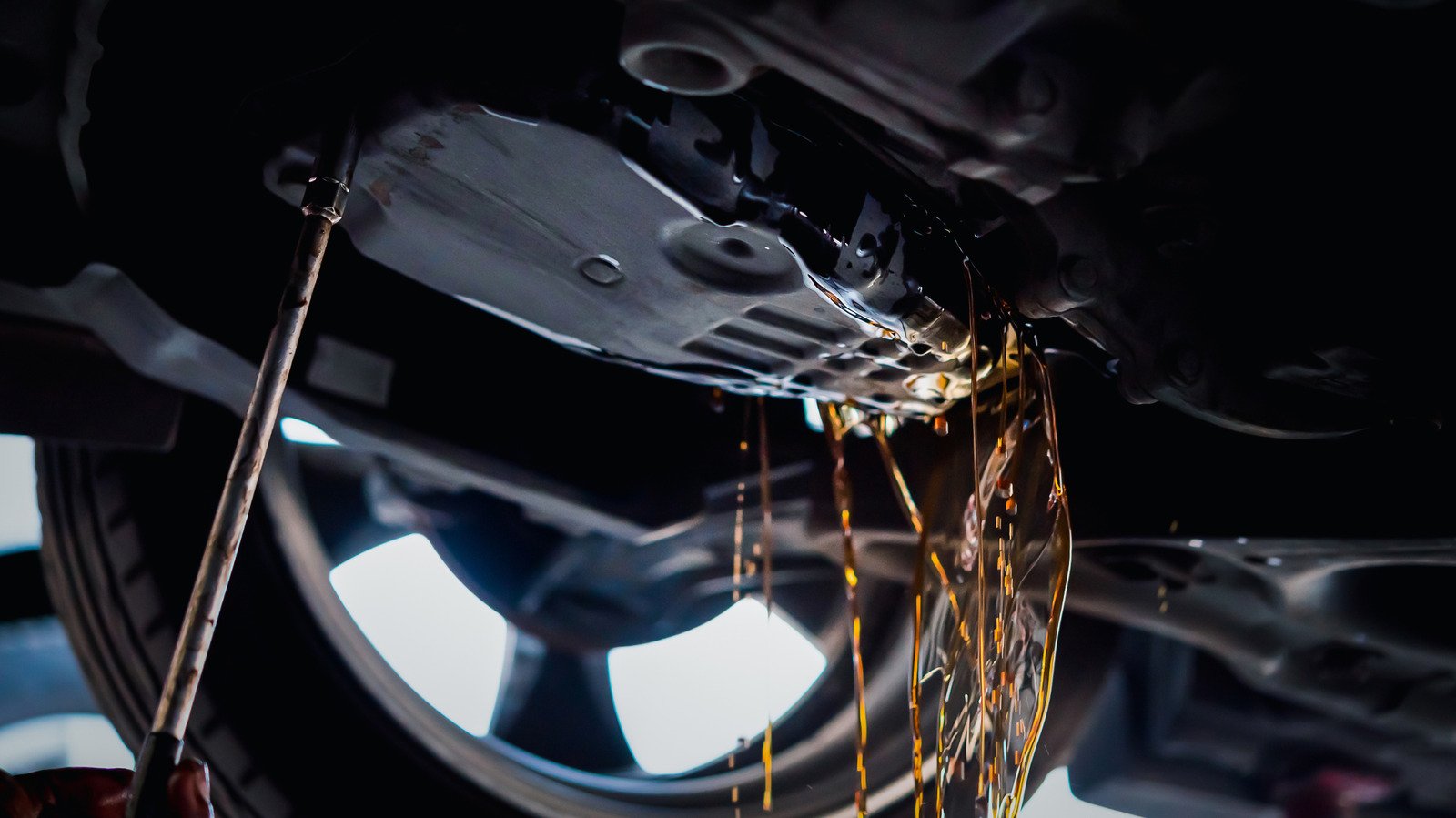
The color of your car’s automatic transmission fluid (ATF) can tell you a lot about the general health and condition of the transmission. All automatic transmissions, whether you have a continuously variable transmission (CVT), dual-clutch transmission (DCT), or a conventional automatic, require fluid to operate smoothly and protect internal parts from premature damage. But unlike engine oil, which needs to be drained and refilled more frequently, ATF can last 60,000 to 100,000 miles before needing a flush. Again, the interval will depend on the type of vehicle, driving conditions and more.
And that’s the problem with modern automatic transmissions. Since it is known to last longer than engine oil, ATF is one of the most neglected fluids in the car, especially after manufacturers realized that the ATF dipstick was extremely unnecessary. If your car is missing a transmission dipstick and the odometer reading is over 60,000 miles, it’s time to head to the dealership or your neighborhood garage to have the fluid checked.
Otherwise, park the vehicle, turn off the engine, open the hood, and take a lint-free cloth. Pull out the ATF dipstick, clean the tip with a cloth, insert the dipstick completely into the filler neck, then pull it out again. At that time, there are three things to check: oil level, color, and smell. The level should be somewhere over the hot or cold mark on the dipstick. Meanwhile, the color should be bright red, dark red or slightly brown and it should have a mildly sweet and oily petroleum aroma. If the fluid is black, slightly pink, or dark, dark brown, it’s time to flush the ATF as soon as possible.
Dark colored ATF and burnt smell are a bad combination
If the color of the ATF is within the red to brown range and the fluid smells good, you’re in the clear. The best thing you can do is check the fluid levels and fill it with the correct type of fluid. Not all ATF is the same, and some may refer to DCT or CVT fluid as ATF. Dual-clutch transmissions require special DCT fluid, and CVT fluid is different from normal ATF. To avoid confusion, refer to your car’s owner’s manual to find out what type of ATF is best suited for the transmission.
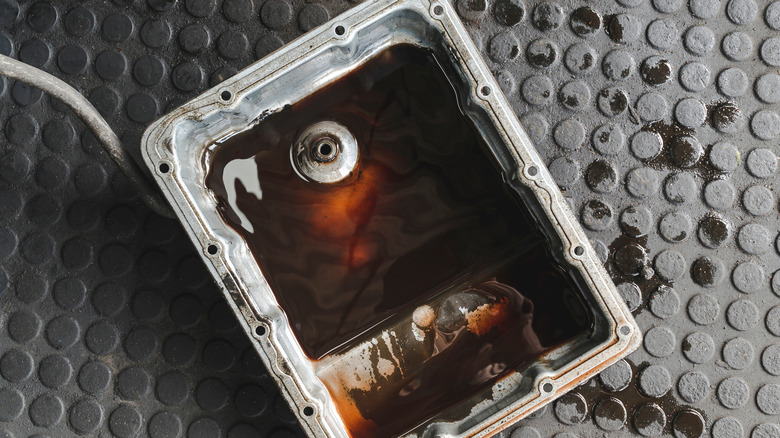
On the other hand, black or dark brown ATF is a serious concern. This means there is heavy contamination and the fluid has become severely oxidized, rendering it nearly useless at maintaining lubrication, protection and friction inside the transmission. If left for a long period of time, dark ATF can damage the transmission and lead to huge repair bills, as low or contaminated fluid is one of the leading causes of transmission failure. It is imperative to drain the ATF or bring the car in for servicing immediately. In most cases, the transmission will also need a filter change to get the most out of the fresh, new fluid.
Pink or diluted ATF is bad news
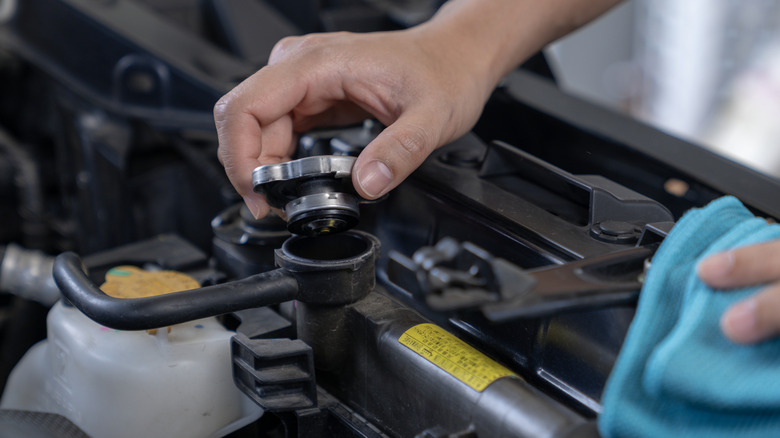
There are cases when a supposedly bright red or dark red fluid may turn a hazy shade of pink, and this usually means that water or coolant has infiltrated the transmission. This is not good, because the same mixture can enter the coolant passages inside the motor and cause other problems like overheating for example. There is an ATF heat exchanger in the bottom of the radiator to control the fluid temperature. And even though the coolant and ATF lines are separate, an old, rusted or leaking radiator can mix the two fluids and wreak havoc on everything.
If you get pink ATF on the dipstick, you probably need more than a transmission flush. A new radiator or fluid cooler may be in the works. The worst case scenario is transmission damage, as no one can tell how long that pink, contaminated fluid has been circulating in the engine and transmission.
What’s the best thing you can do to extend the service life of any automatic transmission? In addition to avoiding bad driving habits that can wear out a transmission, checking the ATF color and fluid level periodically (preferably every 30,000 miles) will keep you in touch with the health and operating condition of the transmission. Doing this before symptoms such as grinding noises, gear slipping, gear surging and shifting difficulties appear will save thousands in future repair bills.