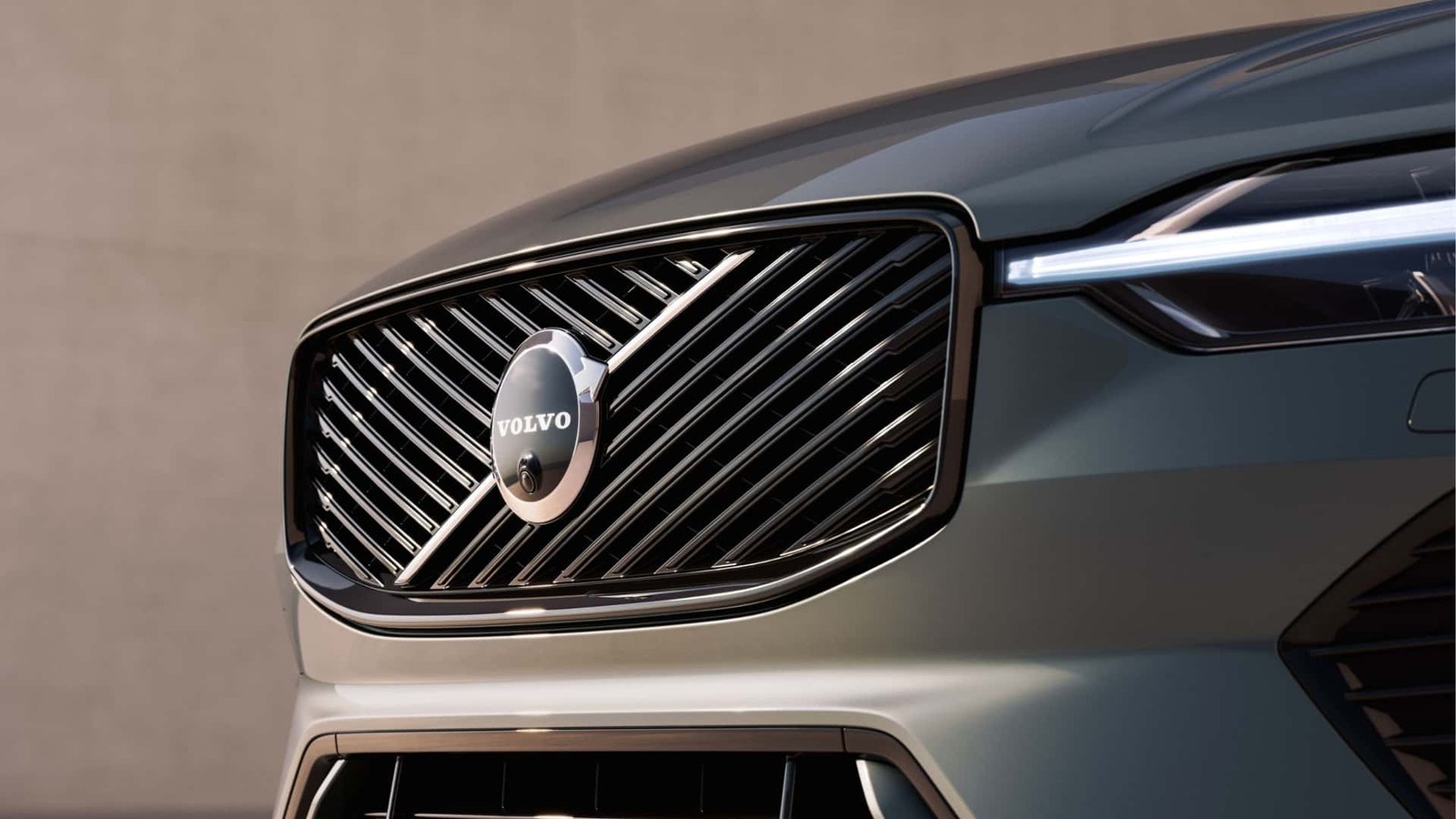
- Volvo will outline a strategy update on September 17.
- Before then, it will reveal two electrified models, possibly plug-in hybrids.
- Volvo is set to build cars for other brands at its Ghent factory in Belgium.
Volvo’s first half of 2026 wasn’t exactly great, with retail sales falling eight percent to 324,800 units. However, the Swedish company believes there will be “fairly strong sales” in the remainder of the year. There are many reasons to be optimistic: deliveries of the EX60 began earlier this month, and the order book for the flagship EX90 electric SUV is at an all-time high.
There is also fresh metal on the way. In early autumn, the Geely-owned company will introduce two new models. Although Volvo doesn’t go into specific details, it does say that both are electrified, leading us to believe they will be plug-in hybrids rather than pure EVs. We wouldn’t necessarily expect entirely new additions to the lineup, but rather updates to existing PHEVs, which will likely also include facelifts with larger batteries for greater electric range.
These two models are just the tip of the iceberg, as Volvo is working on “the most ambitious product plan in its history.” The strategy update plan will be outlined on September 17, shortly after those two cars break cover. However the company has remained tight-lipped about the new arrivals. automotive news It was reported earlier this month that a new sedan and wagon are currently being developed in Europe.
Photo by: Peter Holderith/Motor1
Fully electric, both cars are expected to arrive in the United States in early 2028, providing customers an alternative to the current SUV-only lineup. It’s worth noting that Volvo continues to sell the S90 in China and some other Asian markets, where the luxury sedan also received a facelift last year. The smaller S60 and its V60 wagon are also available in some regions, so Volvo hasn’t abandoned traditional passenger cars entirely.
Volvo’s CEO has already hinted at a car comeback, with Hakan Samuelsson telling media earlier this year that the company is looking at something more than SUVs, saying, “I think five years from now we won’t have only SUVs.” If new cars are indeed on the way, the long-roof model could reportedly give rise to a high-riding Cross Country derivative, which would serve as a midpoint between a wagon and an SUV.
Meanwhile, Volvo is set to build cars for other brands at its Ghent factory. Earlier this week, it signed a memorandum of understanding with the federal government of Belgium and the regional government of Flanders to explore ways to boost production. The company says one possible scenario is contract manufacturing for other brands. No names have been mentioned, but with Volvo being part of the Geely Group, there are plenty of opportunities to explore. The Chinese giant owns a number of automakers including Lotus, Polestar, Zeekar, Lynk & Co, Radar Auto and LEVC.

73
Source: Volvo
Motor1’s Opinion: Like almost every legacy automaker, Volvo is struggling in China, but it is making solid progress in Europe and the United States. The influx of new models should strengthen its competitiveness, and buyers suffering from SUV fatigue are likely to welcome the rumored sedan and wagon duo.
While Volvo is committed to going electric as soon as possible, it has abandoned its goal of selling only EVs by 2030. This leaves the door open for more combustion-engine models, although most, if not all, will likely be plug-in hybrids.