A simple question from a nervous learner driver unexpectedly sparked an educational discussion among car owners, revealing that what many motorists believe is a faulty light is often a deliberate engineering decision.
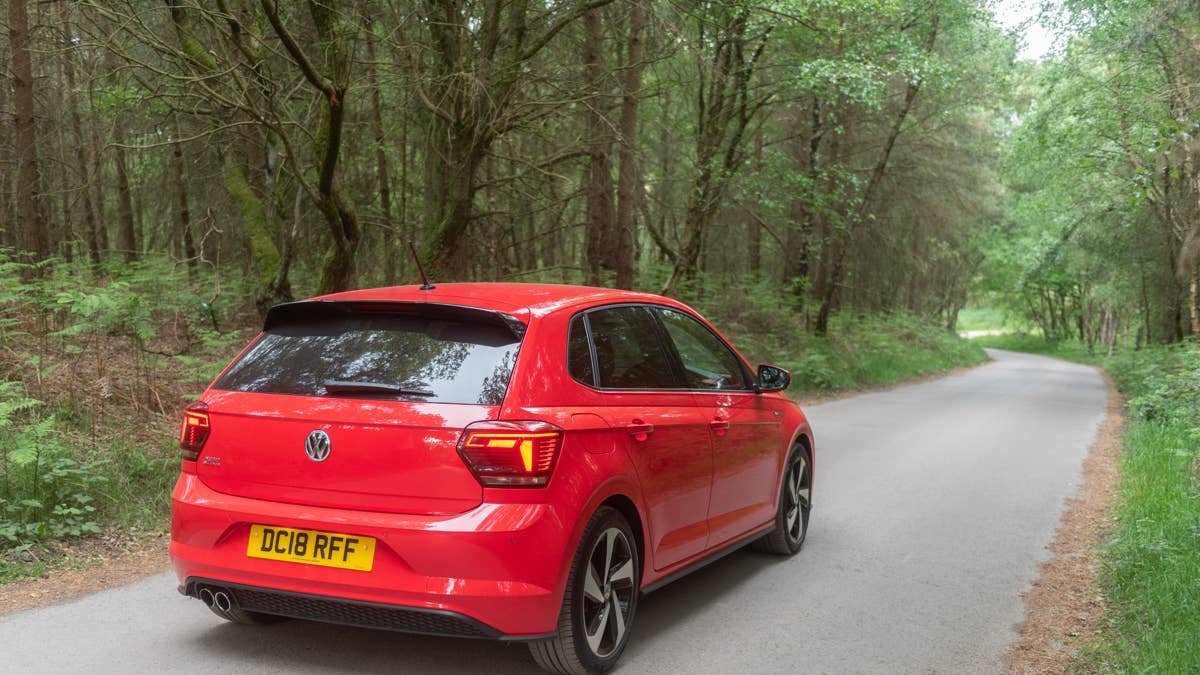
Posting on Reddit just days before the driving test, a 2023 Volkswagen Polo owner asked if the car should have two reverse lights after only seeing one light when selecting reverse. Concerned that this problem could result in test failure or even him being sidelined from testing, the driver sought reassurance from fellow Volkswagen enthusiasts.
The post reads:
“I have my driving test in a few days, and I’m worried that if it should have two reverse lights, I’ll throw off my driving test. I’ve searched for it several times and it says it should only have one, but the more I think about it, I’m getting confused because every other car I’ve seen has two reverse lights. Can anyone tell me if my specific make and model should have two or one reverse light? 2023 Volkswagen Polo.”
It’s a design choice, not a flaw
The overwhelming consensus from experienced owners was that the single reverse light is indeed common on many Volkswagen models sold outside the United States.
Several commenters pointed out that the matching position on the opposite side of the rear light cluster is reserved for the rear fog lamp rather than the second reversing light. One of the highest-rated answers simply said, “The other side will have rear fog lights,” with dozens of users confirming that this has been Volkswagen’s approach for years.
Another owner said most modern Volkswagens will also warn the driver via the instrument cluster if an exterior bulb has indeed failed, making it relatively impossible to go unnoticed on the 2023 model.
Owners also noted that some variants, including some Polo GTI models equipped with different rear lighting assemblies or LED packages, feature two reversing lights. This difference helps explain why drivers may notice different configurations on nearly identical-looking vehicles.
why do manufacturers do this
In fact, Volkswagen is not the only manufacturer that uses a single reverse light. Many European and even some Japanese and American brands adopt this design, usually combining a reverse lamp with a rear fog lamp to meet regional regulations.
EU regulations (ECE R48) require at least one rear fog lamp and allow one or two reverse lamps: obviously, manufacturers often choose one reverse lamp to simplify the design and wiring. The rear fog lamp is brighter and helps visibility in bad weather, while the reverse lamp indicates reversal. Having one of each balances security needs.
Besides VW, brands using a single reverse light include 3 and 5 Series BMWs (common asymmetric taillight design), A and Q-series Audis, C and E-class Mercedes, XC60 and S40 Volvos, various Land Rovers, and more. Even some trims of the Chevrolet Malibu feature a reverse light.
Although many commentators initially assumed that the decision was motivated solely by cost savings, discussion highlighted a more nuanced explanation.
European market vehicles are commonly fitted with rear fog lights to make cars more visible during dense fog or heavy rainfall.
Since regulations generally require only one rear fog lamp and only one reversing lamp, manufacturers often specify one function on each side of the vehicle rather than installing duplicate lamps for both purposes. Forum discussions going back several years show that this configuration has appeared in several Volkswagen generations and other Volkswagen Group models.
Owners are still debating whether this is the best solution
Even after confirming that the setup was intentional, many questioned whether it was the best design from a security standpoint.
Many argued that dual reverse lights provide better illumination when navigating low-light areas, while also making it clear to pedestrians that the vehicle is moving backwards. Others criticized the asymmetric design, saying it often looked as if a bulb had gone bad.
One commenter described busy parking lots as more difficult to navigate because an illuminated lamp is less noticeable to people driving behind vehicles. Another, who drives a work van equipped with twin reversing lights and an audible reverse warning, said distracted pedestrians often ignore those signals.
However, for the original poster, the community’s decision provided the reassurance they were seeking. On many 2023 Volkswagen Polo models, simply seeing a reverse light is not evidence of a malfunction. It’s simply how the vehicle was designed.