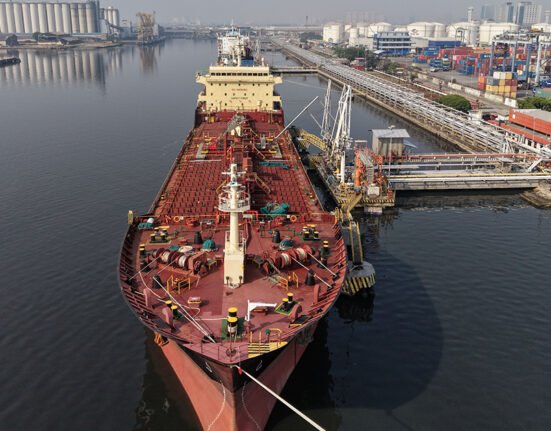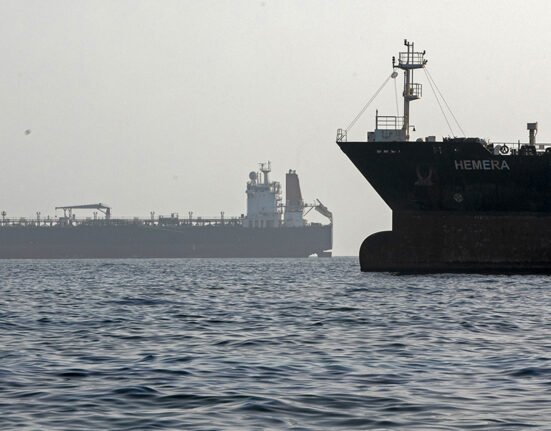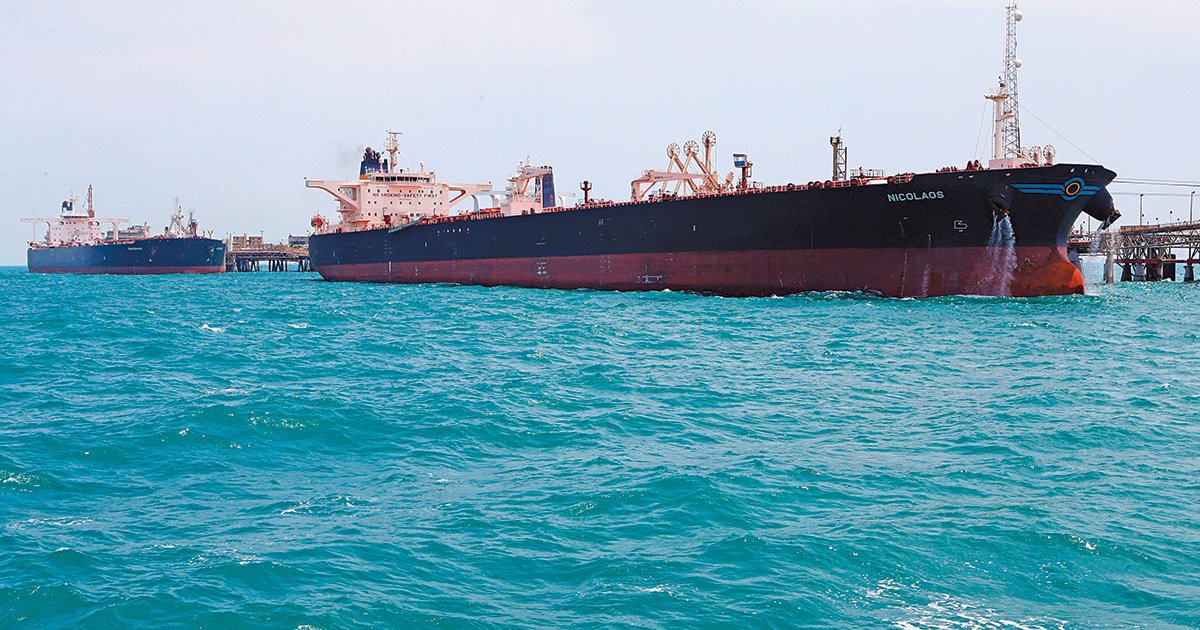
Oil tankers load crude oil at Iraq’s Al-Basra Offshore Terminal in Basra, Iraq in 2019. (Nabil al-Juraani/Associated Press, File)
key takeaways:
- US officials are supporting talks to revive the Kirkuk-Banias oil pipeline from Iraq to Syria’s Mediterranean coast.
- The proposal comes after the wartime closure of the Strait of Hormuz disrupted energy supplies and forced Iraq to cut oil production by 60%.
- Talks are focusing on rebuilding the 500-mile pipeline, although cost, damaged infrastructure and safety risks remain significant obstacles.
The US is advancing negotiations for a pipeline that would carry oil from Iraq to Syria, a route that avoids the Strait of Hormuz and would reduce Iran’s future influence on global energy supplies.
Thomas Barrack, the U.S. special envoy for Syria and Iraq, has called for discussions with officials from both countries as well as companies including Chevron Corp. about reviving a long-shuttered pipeline from Iraq to Syria’s west coast, according to people familiar with the matter. While multiple routes are being considered for the new link, talks are focused on rebuilding the Kirkuk to Baniyas pipeline that has been closed for more than two decades, the people said.
A State Department official confirmed that the US government is supporting efforts by Iraq and Syria to increase trade routes through the rehabilitation of the pipeline between the two countries and expects US companies to play a role in its construction. Earlier on July 14, President Donald Trump met with Iraqi Prime Minister Ali al-Zaidi at the White House and said a “massive” new oil partnership would be announced this or next week.
More: This is why it is so difficult for the US to fully reopen Hormuz
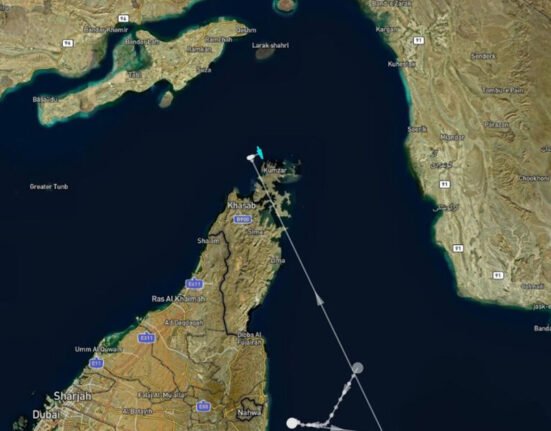
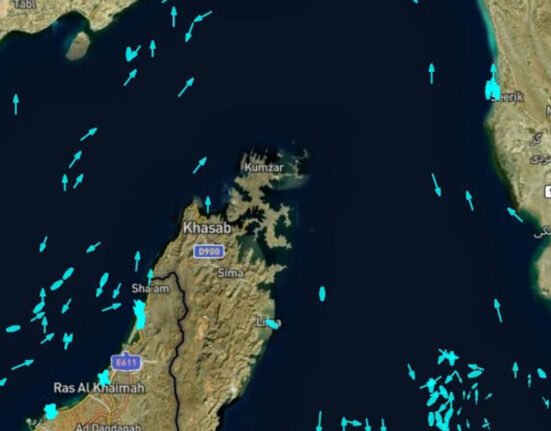
Heightened tensions in the Middle East over the past week have highlighted the need for long-term alternatives to the Strait of Hormuz, which remained closed for much of the war, causing the largest energy supply disruption in history and damaging the region’s economy. Countries including Iraq and Kuwait are investigating whether they can replicate the success of the UAE and Saudi Arabia in bypassing Hormuz for some of their oil supplies by using pipelines built years ago.
The Syrian port of Baniyas on the Mediterranean coast, already home to the country’s largest refinery, is emerging as an early frontrunner to receive Iraqi crude and become an expanded export gateway to global markets. Chevron, TotalEnergies SE, Los Angeles-based TI Capital and Qatar’s UCC Holding have all been part of discussions in recent weeks to expand Syria’s role as an export hub, according to the people who spoke on condition of anonymity because the talks are not public.
However, building pipelines in Syria will be fraught with challenges. Possible routes would run through Iraq’s western Anbar province and eastern Syria, where Islamic State cells remain active. Any company investing would be betting on the country’s new government’s ability to stabilize the country after a long and bloody civil war.
Chevron, which has signed deals in recent months regarding potential oil projects in Iraq and Syria, declined to comment. The company has been in talks with Iraq since last year about investing in the country’s Nasiriyah and West Kurna-2 fields. Total, TI Capital and UCC Holding did not respond to requests for comment.
Iraq, the second-largest producer in OPEC before the war, relies heavily on the Strait of Hormuz and was forced to reduce its oil production by 60% during the conflict, straining government finances in a country with a long history of civil unrest.
Trump endorsed al-Zaidi for prime minister in April, believing that his main rival – former premier Nouri al-Maliki – was too close to Iran. Al-Zaidi is a political novice, but the White House hopes he can crack down on Iran-backed militias in Iraq while further opening the country’s oil fields to American companies.
One option Barrack is promoting is to rebuild the Kirkuk-Banias pipeline, a 500-mile system that has been closed since it was damaged during the U.S. invasion of Iraq in the early 2000s. Another option is to establish a line from Basra in the south of the country to Haditha in the north, which could then extend to Syria, Türkiye or Jordan.
Earlier this month, Iraq’s government authorized state-owned Basra Oil Company to award a contract to Houston-based engineering firm KBR Inc. to advise on the idea.
Iraq is keen to attract foreign investment that would reduce its dependence on its southern ports on the Persian Gulf. It has just one major export pipeline Which transports oil from the north to Türkiye’s Ceyhan port on the Mediterranean Sea.
Iraq’s new pipeline prospects appear to have a willing partner in Syrian President Ahmed al-Sharaa, who is attempting to reintegrate the country with the international community after 14 years of civil war.
Al-Sharaa, a former jihadist who helped oust Bashar al-Assad from power in 2024, was warmly welcomed on the sidelines of a NATO summit earlier this month by President Donald Trump, who promised to lift terrorism sanctions on the country. The US lifted several other sanctions on Syria last year, allowing companies including Chevron, Total and ConocoPhillips to begin talks about oil exploration in the country.
“Syria can become a perfect destination to reduce risks and diversify export options,” said Bassel al Suwaidan, Syria’s agriculture minister. “This gives Syria an important role in the next phase.”
However, Syrian pipelines have a history of shutdowns. First constructed in the 1950s, the Kirkuk–Banias system was halted in the 1970s and again in the early 1980s due to the souring of relations between Iraq and Syria.
Its revival could become one of Iraq’s main export routes to the Mediterranean, making it a potential target during periods of regional tension. Iran-backed armed groups in Iraq, which already openly voice opposition to Sharia’s deeper energy cooperation with Syria, may see it as undermining Tehran’s interests and disrupting its operations.
“From an investment perspective, Syria’s long-term value lies in its ability to connect regional markets,” said Tarek Nemo, a Syrian-American businessman who has previously organized a U.S. congressional and trade delegation to the nation.


Alex Fraser from Cox Fleet discusses how fleets should respond when a roadside breakdown occurs, testing their safety, compliance and customer service systems simultaneously. Tune in by going above or RoadSigns.ttnews.com.
“That strategic location is attracting the attention of investors, although significant work remains before large-scale investment can materialise,” he said.
Practical challenges exist. Most of Kirkuk-Baniya The pipeline has been out of use for decades and would need to be rebuilt, along with pumping stations and other infrastructure, potentially costing billions of dollars.
French President Emmanuel Macron visited Damascus earlier this month, becoming the first European leader to do so since the fall of al-Assad. According to the French presidency, the visit, which was interrupted by explosions in Damascus that injured about a dozen people, was aimed at promoting regional stability and diversifying supply routes between Europe and the Middle East.
“Syria stands at a strategic crossroads in the Middle East,” Patrick Pouyane, CEO of French oil company Total and also on the trip, told reporters in Damascus. “For example, if you want to transport Iraqi oil without relying on the Strait of Hormuz, Syria becomes an important transit route. That’s why the country matters.”
Written by Kevin Crowley, Veena Ali-Khan and Khalid Al-Ansari