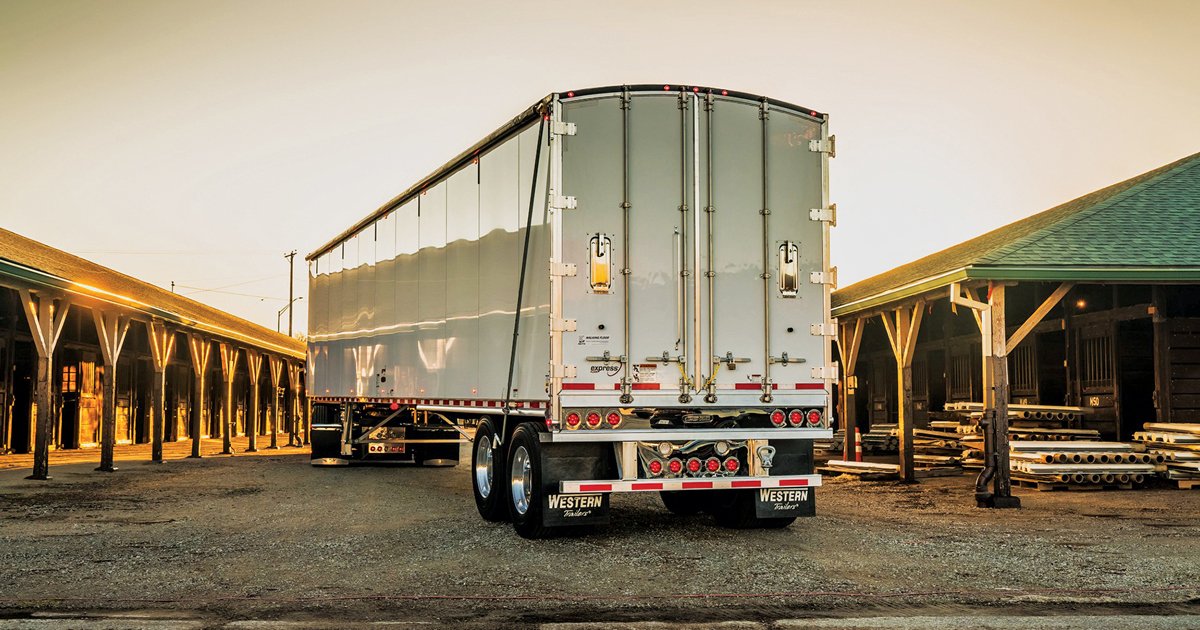
(Western Trailer via Facebook)
key takeaways:
- ACT Research said net trailer orders in early June fell 9% year over year to 13,500 units and were down 35% from May.
- The slowdown reflected a return to normal seasonal patterns after unusual order strength in April and May due to improving trucking fundamentals and rising freight rates.
- ACT’s Jennifer McNally said caution remains among trailer buyers as high maintenance costs and pent-up demand are influencing purchase decisions.
US trailer orders slowed as expected in June after several months of unusual behavior.
ACT Research reported that preliminary net data showed that orders fell 9% to 13,500 units.
They were also 35% lower than the May report. But this slowdown reflects an expected seasonal pattern after several months during which net orders behaved contrary to what was historically expected.
“The surge in orders that should have started in September or October last year didn’t really start until December,” said Jennifer McNally, director of commercial vehicle market research for ACT. “The unusual strength in orders in April and May reflects improving trucking fundamentals driven by rising freight rates.”
McNally said the seasonal slowdown in trailer orders typically starts in March.
This typically occurs after fleets have determined their equipment needs for the year and truck manufacturers begin building up the backlog.
(July State of the Industry: US Trailers Preliminary Update) – Preliminary net trailer order activity shows seasonal slowdown in June
Read more from the initial update here: https://t.co/ChoyejW6A2 pic.twitter.com/SyKQ7Fot3p
– ACT Research (@actresearch) 20 July 2026
June is typically the third weakest month of the annual order cycle.
“Regardless of the timing, the increase in orders was certainly welcome, but was premature in terms of the 2027 order timing and the opening up of next year’s calendar by OEMs,” McNally said. “Additionally, caution remains a strategy for some trailer buyers.”
McNally said the past few years have been tough for carriers, even with rates now rising. He warned that the risk of pent-up demand and high maintenance costs remain issues that impact the decision-making process.