One of the most unique swamps in the United States may soon get international recognition – and hordes of visitors who come with increased status.
The Okefenokee National Wildlife Refuge encompasses more than 400,000 acres of swampland near the Georgia-Florida border. As the headwaters of the Suwannee and St. Marys Rivers, this diverse habitat and refuge for alligators has been protected since 1937 and is considered one of the world’s most important natural habitats. Seven Natural Wonders of Georgia. And now it can get international recognition as a World Heritage Site.
This week, UNESCO – the United Nations organization dedicated to education, culture, science and biodiversity – is meeting in South Korea to consider new additions to the list of World Heritage sites. The Okefenokee is on the list because of its abundance of animal and plant life, and because it is more “hydrologically intact” than similar wilderness areas such as the Everglades, according to UNESCO.
If approved, this marshy wilderness known as a bucket-list destination for paddlers could soon see many more visitors – whether locals like it or not.
Okefenokee Wildlife Refuge
If you’ve never heard of the Okefenokee, you’re not alone. Despite being the largest wildlife refuge east of the Mississippi River, it is much less well-known than Everglades National Park.
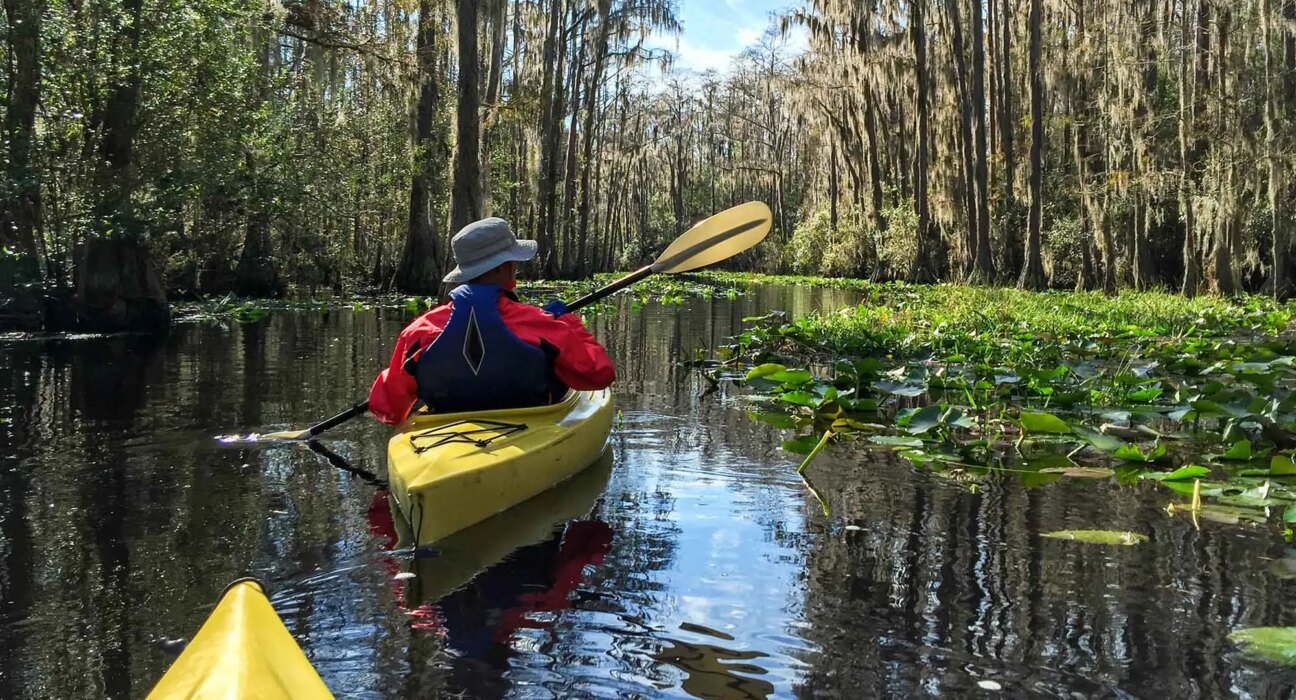
However, many serious kayakers and canoers love the Okefenokee for its lush vegetation, rich wildlife, and huge population of 15,000 alligators. Depending on the time of year, it is not unusual for kayakers to VIEW OVER 100 GATORS On a single 10-mile paddle through the refuge. Multiday river camping trips are also a popular way to experience the marsh.
In fact, the Okefenokee’s remarkably healthy ecosystem is the main reason it has attracted international attention. This recognition dates back to 1986, when it was designated a Wetland of International Importance under the Ramsar Convention (the oldest of the modern global environmental agreements).
Today, it remains one of the largest intact freshwater ecosystems in the world. According to the , it is “the last standing large, naturally occurring freshwater wetland in the eastern US.” US Fish and Wildlife Service. The Okefenokee offers diverse habitat, including open lakes, marshes, scrubland, cypress forests, and pine islands.
Additionally, those habitats are home to threatened and endangered species, including the red-cockaded woodpecker, indigo snake, and wood stork. There are also 1,000 species of moths.
UNESCO wrote, “Unlike many other important wetland areas, the swamp is the source of rivers and not their recipient, as is the case in deltas, and is therefore spared from most disturbances in natural hydrology and water flow.” “The refuge’s undisturbed peat beds store valuable information on environmental conditions over the past 5,000 years and are an important source of information related to global changes.”


Mixed reaction among local people
The southern Georgia counties surrounding the Okefenokee are highly conservative, and many residents are not thrilled by the international attention. In fact, many of them are worried that positive recognition would somehow undermine American sovereignty. Local publications like the current outlined some of the concerns residents have, and a online petition A demand has been made with 1,000 signatures to withdraw the refuge from UNESCO consideration.
This is perhaps not too surprising, given that President Trump plans to Exclude US from participation in UNESCO By the end of 2026. (Trump also withdrew from UNESCO during his first term, but the US rejoined under President Biden.)
However, none of this actually impacted the designation of the Okefenokee as a World Heritage Site. The United States is not required to participate in UNESCO for the organization to decide whether a sanctuary in the Americas is eligible for recognition. Nor does this recognition imply any intervention or involvement by United Nations officials. The refuge will remain under the management of the U.S. Fish and Wildlife Service.
However, this could mean an increase in the number of tourists visiting the swamp. If the refuge receives World Heritage Site status, a 2024 conservation fund report found that the number of people visiting the Okefenokee each year could double from 800,000 to 1.6 million by 2035. This could lead to big changes in the small towns surrounding this little-known paradise to outsiders. georgia recorder Informed.
“Heck, we only got Dollar General about four years ago,” said Rodney Thompson of St. George, who runs the YouTube channel Blackwater Outdoor Journeys. “So it tells you how small we are. But I think if it’s done the right way and you’ve got the right people behind it, I think it can have a positive impact on these small communities.”
Want more information about paddling in the Okefenokee? check out PaddleOkefenokee.com.