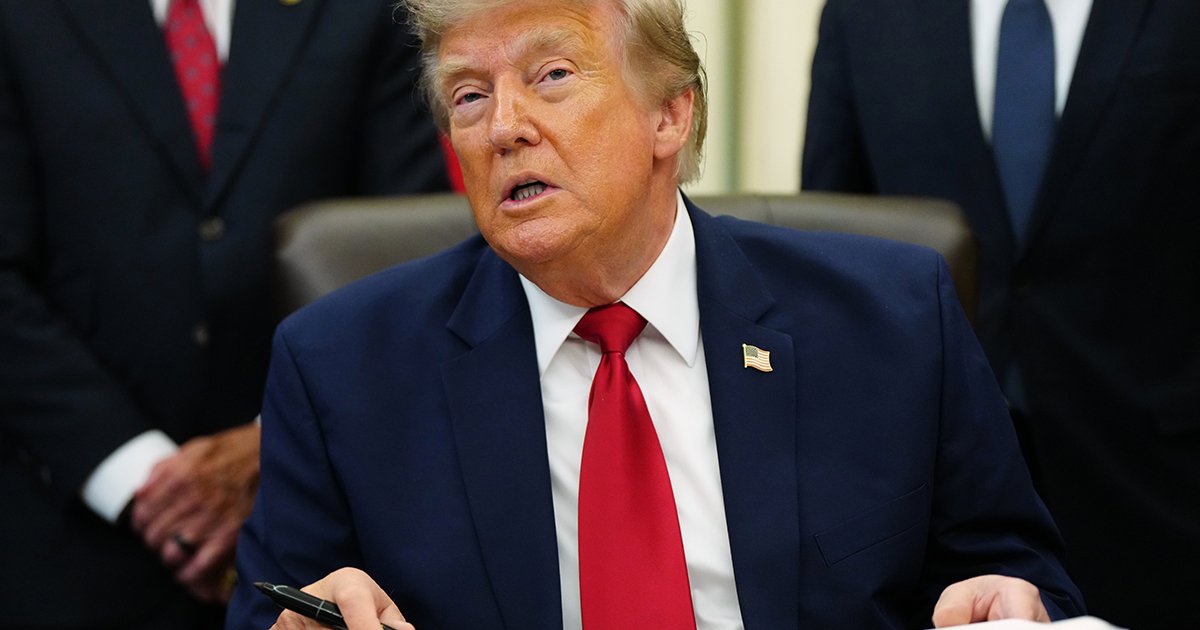
13 जुलाई को दिखाए गए राष्ट्रपति डोनाल्ड ट्रम्प ने कहा कि अमेरिका ईरान के बंदरगाहों पर अपनी नाकाबंदी फिर से लगा रहा है। (Julia Demari Nikhinson/AP)
key takeaways:
But experts say restoring oil tanker traffic to pre-war flows in the vital Middle East shipping corridor will require vast numbers of American warships, if not thousands of American troops, on Iranian soil. Despite frequent fighting, Iran can still target ships in the narrow Persian Gulf waterway with drones and missiles that are hidden in a country one-third the size of the continental United States.
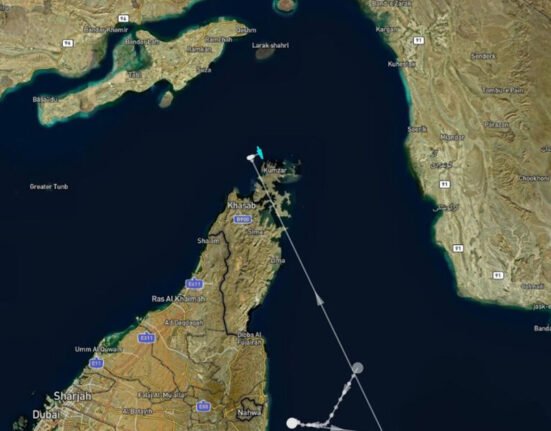
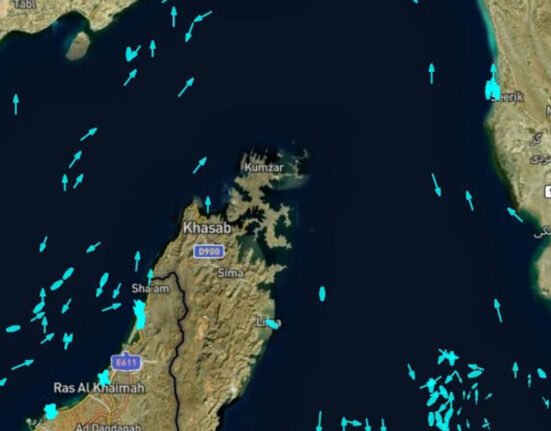
Trump said on July 13 that the US was reimposing its blockade of Iran’s ports and would charge other ships for safe passage through the strait. Iran insists it controls the waterway, through which 20% of the world’s oil normally flows, while the two sides have exchanged fire in a series of skirmishes over the past week, threatening a return to full-scale war.
It underscores the bind Trump is in as commercial shipping in the strait is blocked, oil prices are rising again and Iran shows no signs of surrendering. युद्ध कई अमेरिकियों के बीच अलोकप्रिय रहा है और आगामी मध्यावधि चुनावों में गैस की कीमतें बढ़ने का असर पड़ सकता है।
Doing so would require thousands of troops, Campbell said, not only to take out Iran’s hidden weapons but also to secure hundreds of miles of coastline and large swathes of territory inland. American troops will likely face insurgent attacks.
Trump asserted on July 13 that “the strait is open. It will remain open,” and that the US had made significant progress in reducing Iran’s capabilities in just a few months. ईरान ने जलडमरूमध्य में किसी भी अमेरिकी हस्तक्षेप के खिलाफ लड़ने की कसम खाई।
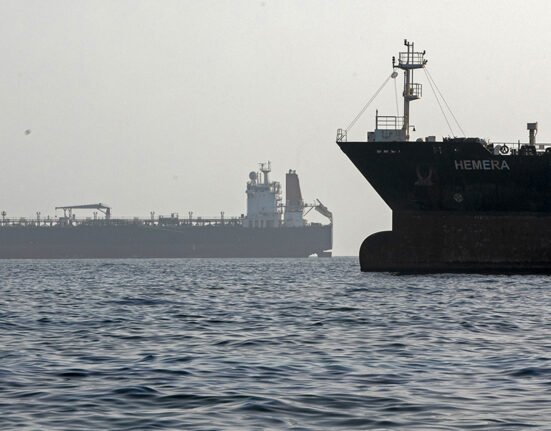
Experts say another way to safely facilitate commercial traffic through the strait would be to continue and increase U.S. warships guiding civilian ships. But it comes with its own challenges and costs.
UKMTO Alert 087-26 – Attack
Click here to see full warning ⤵️ https://t.co/K9ry6dSGTe#maritime security #MarSec pic.twitter.com/KyMMsk7AqZ
– UKMTO Operations Center (@UK_MTO) 14 July 2026
“You would still need to devote a very large portion of the U.S. fleet to this on an open basis,” said Eisenstaedt, who now directs the military and security studies program at the Washington Institute for Near East Policy.
He said it is a much more complex environment today because Iran has acquired advanced capabilities, including the ability to conduct drone and missile strikes.
Iran’s threats alone can deter ships
US Central Command spokesman Captain Tim Hawkins said demining operations were continuing for some traditional routes through the strait but “alternative routes remain open.”
The southern route has not stopped Iranian attacks on ships, leading US forces to attack Iranian air defense systems, radar sites, missile and drone equipment, and small boats.
But Iran’s threats alone could be enough to halt trade in the strait, said Noam Redan, a senior fellow at the Washington Institute for Near East Policy who focuses on energy and maritime risks in the Middle East.


Alex Fraser from Cox Fleet discusses how fleets should respond when a roadside breakdown occurs, testing their safety, compliance and customer service systems simultaneously. Tune in by going above or RoadSigns.ttnews.com.
“They don’t need to launch drones and missiles – they can use the maritime radio channel to make some threats,” Redan said. “And that in itself is enough to scare many sailors.”
बेन फ़िनले, फ़ार्नौश अमीरी और कॉन्स्टेंटिन टोरोपिन द्वारा लिखित। Amiri was brought from New York.