We live in an era where fuel prices are sky-high, the cost of living crisis is looming, and in that context, saving a few bucks here and there can do something worthwhile. In addition to fuel, cars are also becoming more expensive – the average price of a new car exceeded $50,000 last year, more than double what it cost in 2000.
Naturally, people are looking for tips – and the Internet is happy to oblige them, mostly with nonsense. Some of the most widely shared fuel-saving advice is not only ineffective, but actively works against you. Go down a slope in neutral: It feels effortless, like you’re letting the car go free.
In fact, going into neutral forces the engine to maintain idle RPM to keep running, which means it is actively burning fuel. Leave it in gear and release the throttle, and modern fuel injection systems cut off fuel delivery completely – zero consumption until you need to brake or accelerate again. Neutral coasting does not save fuel. Under the right conditions, it actually burns more.
That is just an example. Other myths include using premium fuel in the regular engine, warming up the engine before driving, always cutting the AC, constantly operating within cruise control and accelerating as slowly as possible. Here’s what’s really happening, and what you need to do to save fuel instead of wasting it.
Myths related to use of high octane fuel, engine preheating and AC consumption
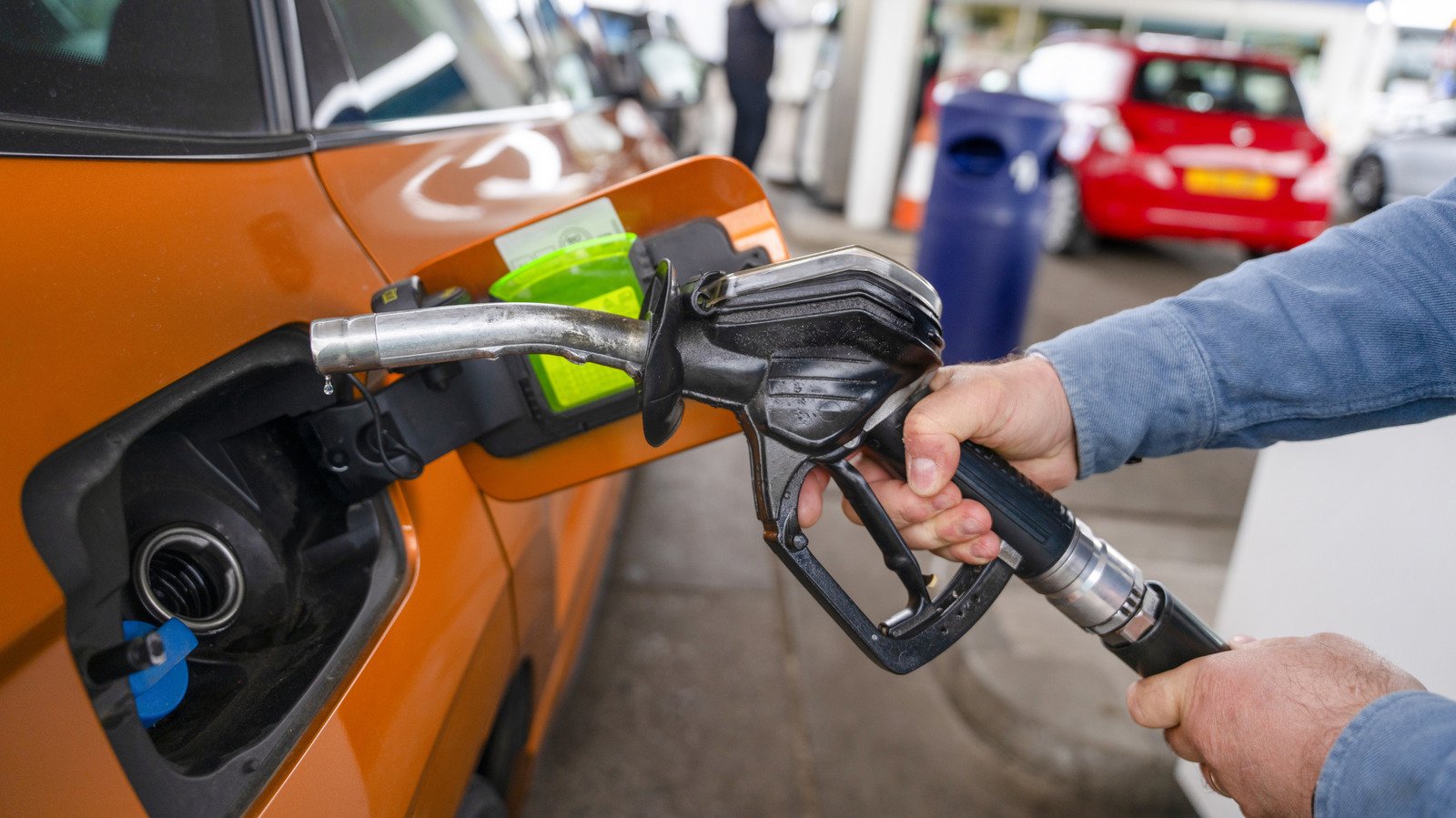
As for when you should (and shouldn’t) use premium gas in your car, running premium fuel in a regular engine is one of the most persistent money-saving tips myths. Premium has a higher octane rating, which resists pre-ignition in high-compression engines tuned to use it. In a regular engine, that property is completely wasted. still epa Note that for cars where the premium is recommended but not required, “the increase in cost generally outweighs the fuel savings.”
Another method is to warm up the engine before driving. This made sense in the carburetor era, but modern fuel-injected engines actually reach operating temperature faster by running them slowly. Idling in your driveway for five minutes isn’t protecting your engine – it’s just burning fuel while going nowhere. The windows down vs. AC debate is more nuanced than people think.
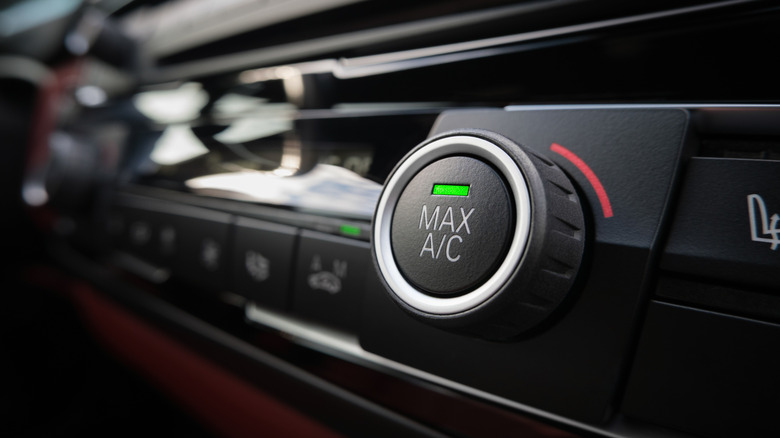
At low speeds around town, yes – cutting the AC and opening the windows saves fuel. But at highway speeds, the aerodynamic drag created by open windows can reduce or even exceed the fuel cost of running an AC. So, if you want to save fuel while traveling on the highway, turn on the AC; When driving in the city, open a window.
Switching off the AC completely seems like an obvious win, but what matters more than whether it’s on or off is how you use it. In very hot conditions, AC can reduce the fuel economy of a conventional vehicle by more than 25%, especially during short trips. As a general rule, set the temperature to what you really need, not as low as it gets, and the fuel penalty is reduced.
Pay attention to your cruise control and acceleration habits, but not in the way you might think
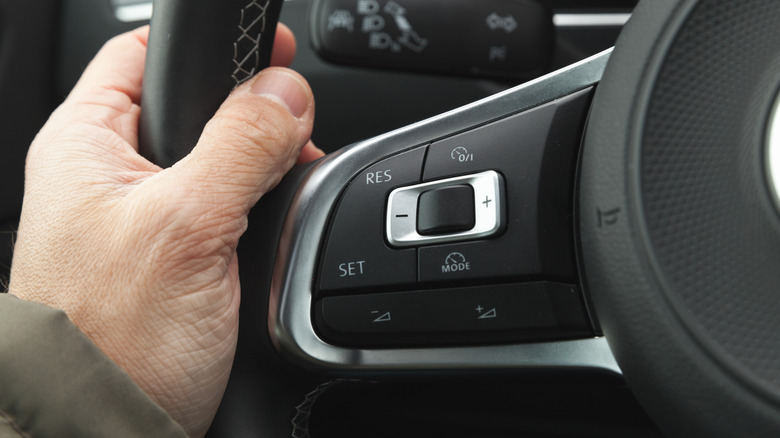
Cruise control seems like an obvious fuel-saver, and on flat highways it is – it’s more efficient to maintain a steady speed than small fluctuations of human input. However, cruise control works against you in hilly terrain.
To maintain the set speed uphill, it holds the throttle open longer and more strongly than the driver. A driver will naturally reduce the speed slightly on climbs and control the speed while descending. Cruise control doesn’t think that way – it just keeps pushing to reach the number, burning more fuel in the process. In other words, most CC systems are not able to adapt their power delivery the way a driver can.
Accelerating as slowly as possible from a stop is another myth that people swear by. The logic is correct on the surface – gentler input, less fuel burned. However, there is a sweet spot. Creeping away from the lights keeps the engine in a lower, less efficient gear for longer periods of time, requiring more effort per mile.
The goal is not to speed up as slowly or as quickly as possible. Instead, it is to accelerate smoothly and reach the highest suitable gear as quickly as conditions allow. Most modern engines offer greater efficiency at lower RPM in higher gears – crawling first to “save fuel” does the complete opposite.