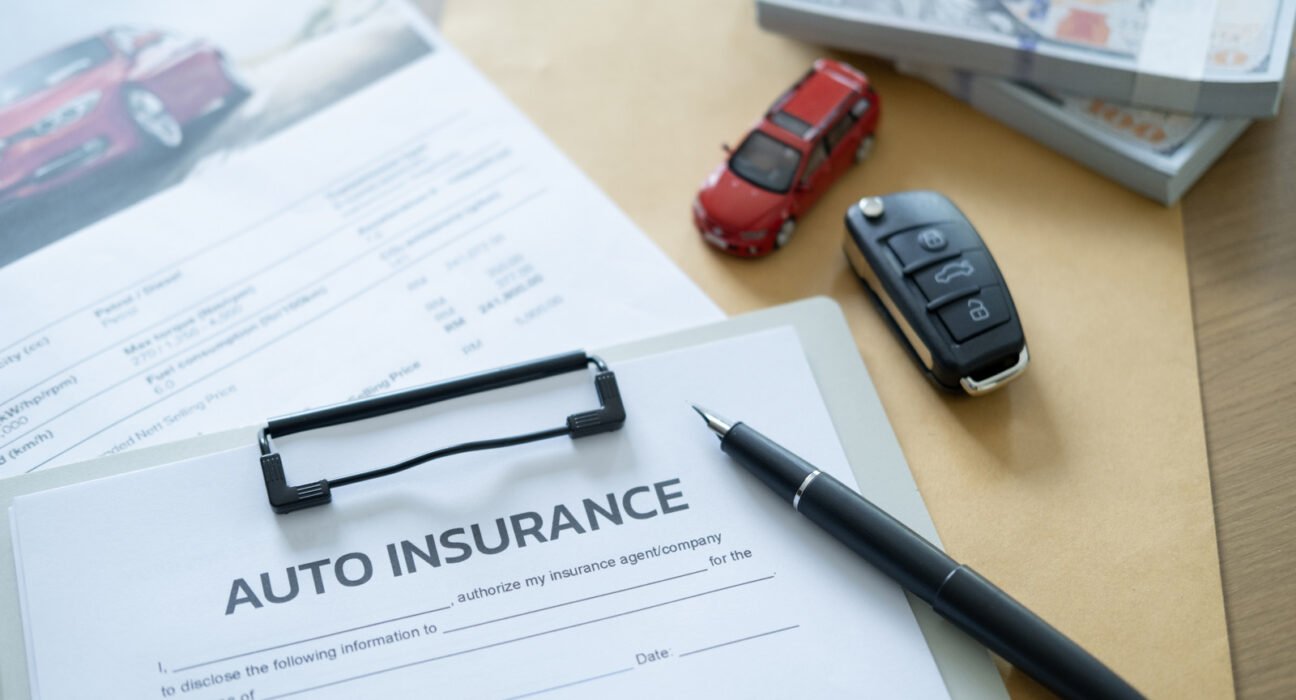
The type of car being insured has a huge impact on how much the owner’s insurance premiums will set them back, power and price are some of the most important factors that insurance companies consider. So, while something like a Honda CR-V or Mazda CX-5 is going to attract a fairly modest premium, a six-figure exotic sports car can cost thousands to insure.
Obviously, if someone gets hit by a higher priced car, their insurance premiums will also increase, but it is also amazing to learn about all the other lesser known factors that insurers take into account when calculating insurance rates. These include driver demographics, residence, credit history, driving record and more. This is the case, no matter which insurance company you take out the policy from – from the smallest to the best car insurance companies, they all look at the policyholder’s application holistically, not just focusing on what car they drive. Here’s what that means for you.
Credit history is a hugely influential factor


Most US states allow insurance companies to base their rates on the policyholder’s credit status to some extent, as long as it is not the sole deciding factor. For people living in California, Oregon, Hawaii, Maryland, Massachusetts, Michigan and Utah, insurance laws are a little stricter, but credit scores can still affect rates.
According to an analysis conducted by an insurance comparison site zebraDrivers with scores under 580 pay on average 69% more than drivers with credit scores of 800 and above. However, many insurance companies are easier on owners with poor credit scores. For example, if your credit score has suddenly dropped due to unexpected life circumstances such as a recent divorce or overseas deployment, contact Nationwide for a quote, as the company may lower your premiums and offer discounts.
It may seem unfair that people with poor credit scores pay more, but there is evidence that policyholders with poor credit histories are statistically at greater risk of submitting a claim. To improve your credit score fast, make sure future payments are made on time, keep credit card balances under 30%, and dispute any incorrect information on file.
Age and gender matter more than you think

Drivers who are older and have been driving longer are more experienced, and therefore insurers view them as a lower risk. Naturally, younger drivers will have less chance to build up that experience, so their premiums will be higher. Now, it is worth noting that at some point, this benefit starts to wear off. As drivers reach age 60 and beyond, their insurance rates begin to rise again. However, some insurers will reward older drivers who are willing to complete a voluntary safety course and get a good discount on their premium. Similar schemes are also available for drivers under the age of 25, especially if they are doing well in education or completing similar safety-oriented courses.
As far as gender is concerned, it turns out that women are less at risk of filing insurance claims than men (via ). Insurance Information Institute). In many instances, this equates to cheaper rates, although several states, such as California, Hawaii, Massachusetts, Michigan, Montana, North Carolina, and Pennsylvania, have outlawed considering gender when calculating insurance premiums. That said, the gap between male and female policies narrows as the age of policyholders increases. For example, while men in their 20s pay an average of $500 more than women their age, the gap drops to less than $20 in the middle age group. Nerdwallet.
Marital status is another consideration
Sorry singletons, but Lonely Hearts Club members typically pay more for car insurance than married people (via ). cnbc). This is partly because if someone is married, as a general rule, he or she will be older and more experienced, but this is far from the whole picture. Insurers will usually require the policyholder’s spouse to also be on the policy, and joint car policies are usually cheaper.
Multi-car policies are also a popular choice among families, so this probably has more to do with the type of policies that married couples have, rather than the act of marriage actually saving them money. If multiple drivers live under the same roof, bundling policies together can provide them with the same types of benefits that a married couple might typically expect to receive.
It’s worth noting that having children can also have a positive impact on your insurance premiums, as insurers may assume that the policyholder will drive more safely and carefully with children in the back seat. However, be careful, being married can also increase policy premiums, especially if the spouse has a poor credit history. This can negatively impact what both parties pay on their coverage, so tying the knot isn’t necessarily good for the bottom line here.
The driving record of the policyholder plays an important role

This is clear. Keeping a clean driving record is a sure-fire way to keep your car insurance premiums under control, but sometimes that’s easier said than done. In some states, it is possible to get a ticket even for going just 1 mph over the limit. Generally speaking, minor offenses like speeding tickets will increase insurance prices, but in most cases, they will only be considered by insurance providers for between 3 and 5 years.
More serious offenses – such as a DUI – may be taken into consideration for a longer period of time. For those who have such offenses on their records, look for insurers that are known to offer good premiums for high-risk drivers, such as Geico and Progressive. However, the best move is to break those bad habits sooner rather than later – and not just for the lower policies.
Your location and residence directly affect your insurance policy prices
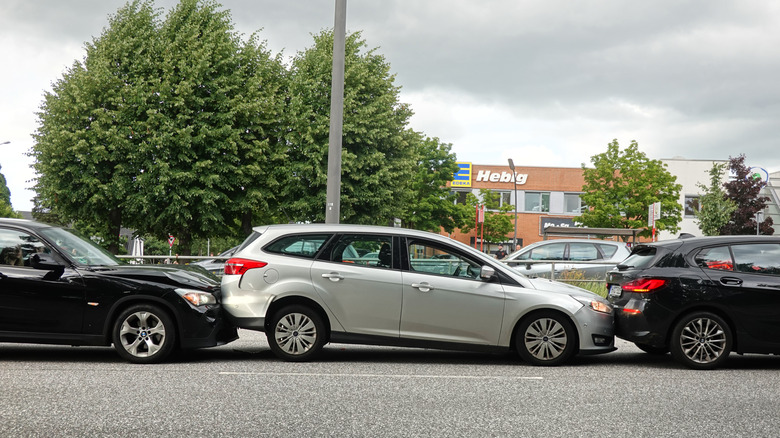
Where the policyholder stores his car and where he drives it will also have a direct impact on how much his policy premium will be. Prices vary across the US, but as a general rule, people who live in urban areas will pay higher premiums than those in rural areas. Cities will generally have a higher number of incidents, and hence the risk of an accident – and hence claims – also increases. Urban areas also see higher rates of both theft and vandalism, again increasing the risk of a claim.
Additionally, the minimum limit for liability cover will vary from state to state – this is the amount the policy provider will have to pay if the damage is caused to another car or person. The more liability cover demanded by the state, the higher the cost of the policy will generally be. Many states, such as Kentucky, Michigan, New York and Florida, also require you to pack personal injury protection, which is again another cost to cover that will directly impact premiums. Finally, the exact location where the car is stored can also make a difference. Although this is not a given and depends on your location and type of residence, parking the vehicle in a private and closed garage may reduce costs, as the risk is usually lower here than, say, in a driveway, street or public car park. class insurance.