The quintessential luxury-vehicle experience was once defined by leather interiors and comfortable suspension setup. Yet, gradually, a new definition of luxury emerged that looked and felt a little different. Buyers collectively wanted a sedan that felt sophisticated and would remain that way for decades without the ownership experience becoming a financial gamble. This is where a Japanese sedan quietly changed the conversation. Before “quiet luxury” became a de facto trend, this sedan offered premium features and a reputation for longevity that European rivals could not match. The idea was never to snatch market share from luxury sedan titans like BMW or Mercedes-Benz, but to redefine what luxury means for most car buyers. The result is a modern take on luxury featuring sustainability and value, which may be the ultimate look we’ve always been looking for.
Luxury vehicles have seen a conceptual shift
For decades, luxury sedans were focused solely on looks and exclusivity. Still, buyers eventually discovered that the ownership experience matters most.
Priorities of the traditional German luxury formula

German luxury brands built their reputations on the appeal of complex engineering combined with badge prestige. Having a 3 Series in your driveway was once a meaningful statement about your entire life and the choices that went with it. It means you enjoy the finer things in life and you have the means to back up that statement. Many buyers today still purchase German luxury for this reason.

However, most onlookers never see the true cost of owning and maintaining a German luxury sedan. The idea is that the high cost is perceived as the cost of admission to an exclusive club. By the second or third owner, a German luxury sedan that once offered a relatively pain-free ownership experience will rapidly increase in cost once the warranty expires.
A new definition of luxury has emerged among practical buyers

Eventually, shoppers began to question the traditional formula established by German luxury sedans. Instead of making looks the primary factor, buyers began asking, “How will I ensure this car still looks the same 10 years from now?” Badges still had value, but now, the focus became convenience in all aspects of the ownership experience. The result is that cross-shopping the 3 Series has never been such a complicated situation. Not that the 3 Series has lost its luster, but there are legitimate alternatives that can promise two decades of almost guaranteed stress-free ownership while delivering 80 percent of the overall luxury experience. This change in dynamics is not becoming constant; It means redefining luxury in real time.
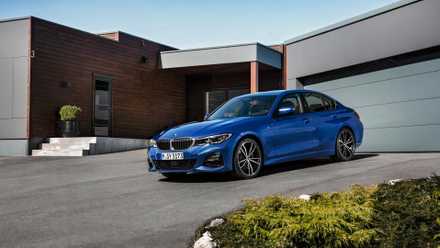
BMW 3 Series generations ranked by reliability
Each of the seven generations of the BMW 3 Series measures up similarly in terms of reliability.
The winning formula requires more than reputation

The sedan at the center of this story didn’t dominate because it was the fastest option or had the most prestige. It succeeded because it ensured consistency and delivered in the areas that matter most to everyday buyers.
How refinement standards became the great equalizer

In terms of cabin quality, ride comfort, noise isolation and standard features, Japanese sedans consistently closed the gap on luxury brands. Buyers increasingly began to evaluate a car based on how it felt to live with, focusing exclusively on interior comfort, not what badge was on the hood. If you can provide most of the luxury experience at a fraction of the price premium, eventually, buyers will latch onto you. This preference shift is where the distinction between a ‘luxury car’ and a ‘good car’ has started to erode.
The Japanese Sedan That Quietly Perfected the Formula

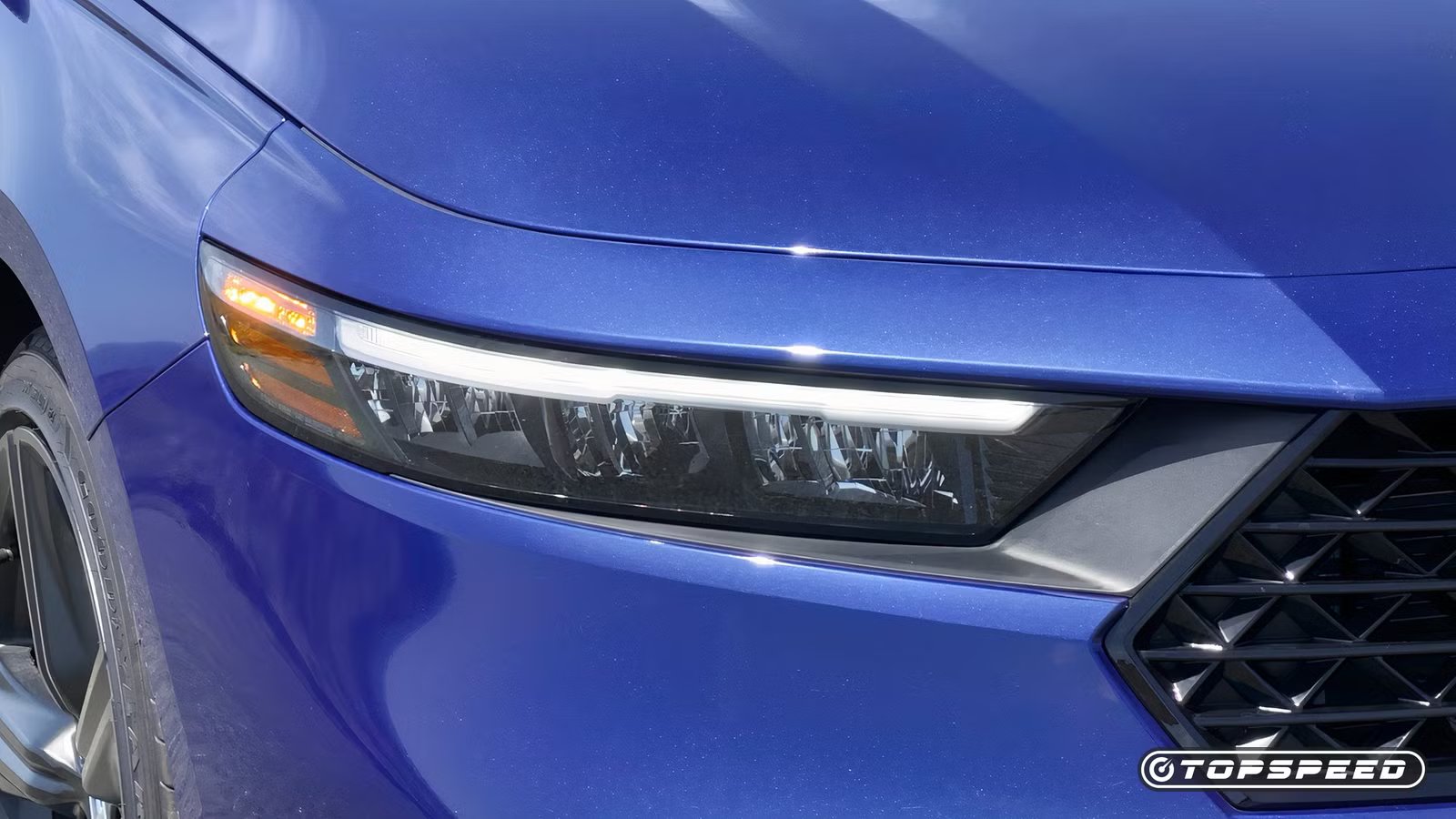
Of all the Japanese sedans available in the market, Honda Accord It became the blueprint for combining premium refinement with mainstream affordability. Over several successive generations, the Accord built a strong reputation for a luxury-adjacent experience, especially in the more well-equipped trim levels. The Accord offers a smooth and well-insulated ride, a cabin that feels class above its price point, and a dependability that instills long-term confidence in owners. Honda’s best-selling sedan was never marketed as a direct replacement for the BMW 3 Series, and it didn’t need to be. It simply kept providing the details that mattered after the initial hype faded, and in the process, it became the pioneer for what buyers now often call quiet luxury: sophistication without the showiness of European brands.
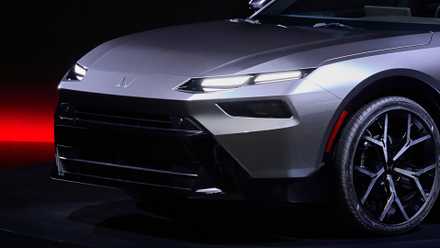
Honda’s Accord refresh signals a shift toward sportier appeal
Honda’s Accord gets a bold redesign for its 50th birthday, trading conservative styling for a futuristic look aimed at sport sedan enthusiasts.
Why is the Honda Accord’s value proposition still relevant?

The strongest evidence of the settlement’s transformative identity is not based on nostalgia. Its success is based on how closely the latest version follows the same formula that turned previous generations into smash hits.
Sustainability is now a component of luxury

First, let’s start with the figures that underpin the entire argument: the Accord is regularly reported to last between 200,000 and 300,000 miles, which translates to a lifespan of roughly 15 to 20 years. Can you say the same about the current generation BMW 3 Series? Certainly not with the same level of confidence. Knowing that your investment in a vehicle is almost guaranteed to last relatively stress-free for two decades is a luxury in itself.

For a German luxury sedan, concerns probably begin to increase by the 80,000-mile mark and are more intense by 100,000 miles. repairpal The average annual maintenance and repair cost of an Accord is $428, according to the data, which is significantly lower than the average for a luxury sedan. With low operating costs, you quickly understand how the Accord offers a luxury experience without the luxury prices. Durability and low cost of ownership help the Accord maintain strong residual value in the used market, reflecting its reputation for long-term value among buyers.
The 2026 Accord Hybrid is a luxury sedan in disguise

The Accord has never been more luxury-adjacent than for the 2026 model year. especially, 2026 honda accord hybrid Offers a level of sophistication that directly rivals luxury sedans. The cabin features a 12.3-inch color touchscreen with wireless Apple CarPlay and Android Auto, while higher trims include Google’s built-in application suite and a 12-speaker Bose premium sound system. Plus, you get heated and ventilated leather-appointed seats and the undeniable versatility of Honda’s hybrid 2.0-liter inline-four platform, which combines two electric motors to produce 204 combined horsepower and 247 lb-ft of torque. It produces more torque than turbocharged 2026 audi a3 and achieves an impressive 51 mpg city, 44 mpg highway, and 48 mpg combined.

Despite a subtle price increase in 2026, the base Accord LX starts at $29,590, which comes standard with a nine-inch touchscreen, wireless CarPlay, and wireless phone charging. Stepping up into the hybrid range offers an executive-style cabin and features, while still staying well below the starting price of a BMW 3 Series or Audi A3. With a luxury-adjacent cabin, a hybrid powertrain that delivers 51 mpg city, and a starting price that undercuts its competition, you can’t go wrong with a new Accord Hybrid.
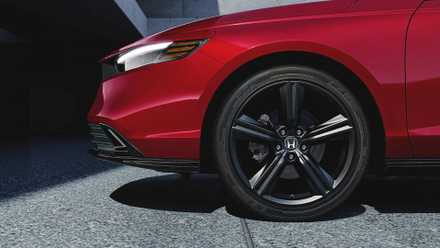
The Japanese hybrid sedan that rarely needs repairs and gets 50 MPG
This Japanese hybrid sedan offers exceptional reliability with an average lifespan of 180,276 miles and excellent fuel efficiency.
The agreement rewrote the rules of luxury

The Honda Accord was never intended to be a true affordable alternative to German luxury sedans. Instead, it convinced buyers that luxury may be measured differently than most buyers initially thought.
How quiet luxury became the new standard

Consumer preferences are always changing, but in recent times, there has been a clear emphasis on dependability, functional technical features, and total ownership experience. Legacy luxury automakers never used to mention longevity or durability in their marketing materials, but you won’t find an ad anymore where those details aren’t presented as a selling point. This says less about luxury brands and more about how mainstream brands have consistently narrowed the quality gap between the two. A mid-size Honda now offers a level of quality and functionality that was considered impossible for a luxury sedan two decades ago.
Why Compromise Is Still a Smart Buy Today?

There’s nothing wrong with wanting the features of a German luxury car. However, for most buyers, price is a hurdle, and the pretentiousness of its brand image is an even bigger hurdle. The Honda Accord Hybrid will provide you with a durability standard of over 200,000 miles that turns long-term ownership into an invaluable asset rather than a depreciating mistake.

The base Accord’s starting price is still under $30,000, and the punchy hybrid version delivers 51 mpg city. You won’t find a single luxury option that offers the same capability, and certainly not at the Accord’s price point. The Accord is not a replacement for the BMW 3 Series; This is a completely different thing. Sometimes, the true luxury experience doesn’t require a luxury badge, and in 2026, the gap between mainstream and luxury has never been smaller.
Source: Honda, BMW, Mercedes-Benz, Audi, RepairPal