Yosemite is one of the crown jewels of the National Park System — So it’s no surprise that it attracts millions of visitors annually. For many years, the National Park Service (NPS) used a timed entry system to control crowds at this popular park.
In 2026, the Department of the Interior (DOI) abandoned this method, causing controversy and overcrowding concerns. Now, as Yosemite reaches the peak of its summer tourism season, California lawmakers are demanding a return to timed admission.
State senators, Adam Schiff and Alex Padilla, sent an open letter to DOI, and it has already received widespread public support.
History of Timed Admission
In 2020, the NPS established the timed-entry system. Essentially, to enter the park via car, you make a reservation online for a 2-hour window on a specific day for a non-refundable fee of $2.
Once you enter the park, you can stay as long as you want. Re-entry is usually permitted if you decide to leave and come back. Visitors must still pay an entrance fee or show a valid park pass.
This system, which was also in use at Glacier and Arches National Parks until recently, limited the number of people allowed into the park at any one time. This helped reduce long lines at entrances – a perennial problem.
In February, NPS announced that, based on a comprehensive review of park data through 2025, it was eliminating this reservation system.
“The park analysis found that most weekday parking kept available parking, steady traffic flow, and visitation levels within the park’s operational capacity. These findings indicate that requiring season-wide reservations is not the most effective approach for 2026,” a NPS Press Release Explained. Since then, parking and entry into Yosemite has become first-come, first-served.
Effect
NPS issues initial visitor data At the end of each month, and so far in 2026, the numbers have been rising rapidly.
May and June 2026 saw an increase of 12.5% and 4.6% respectively in visitors compared to the same months last year. Overall, Yosemite had already reached 2 million visitors by the end of June. This is up 10%, or 200,000 visitors, from this time last year. Based on these trends, it is highly likely that the park will receive more than 600,000 visitors per month for the rest of the summer.
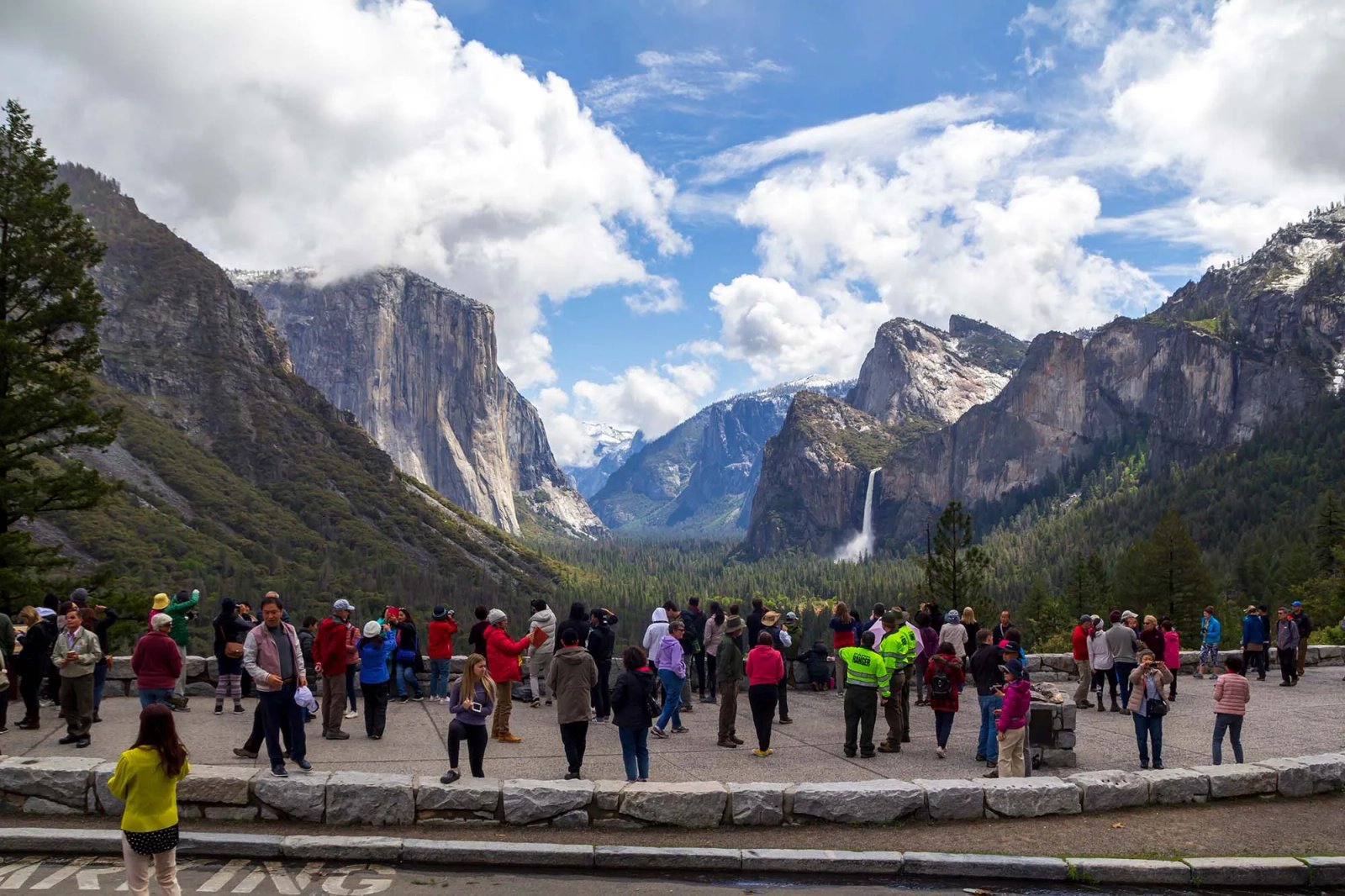
Data only tells half the story. On social media, visitors have widely reported trouble finding parking spots, as well as long lines of traffic and heavy crowds on popular hikes like the Mist Trail. Illegal parking in sensitive natural areas has also been an issue. some have compared Yosemite has been described as “L.A. during rush hour” or “Disney World.”
feedback
On July 1, California’s Democratic senators Adam Schiff and Alex Padilla sent a open letter To Department of the Interior Secretary Doug Burgum and NPS Acting Director Jessica Bowron.
Senators cited issues of overcrowding in Yosemite and its potential effects on the natural landscape. He also asked White House officials several questions, including:
- What scientific assessments and public stakeholder engagement processes were conducted that led the Park to conclude that a reservation system was not necessary in 2026?
- What current studies are being conducted to monitor the impacts of visitors on wildlife, grasslands, air quality, and the Yosemite Valley ecosystem?
- It has been reported to our offices that several bears have been hit by vehicles already this summer. Increased visitation, picnicking in areas of the park that do not have trash receptacles, and frequent understaffing at campgrounds are all factors that contribute to more confrontations with bears and other wildlife. How does the park’s leadership plan to mitigate these factors to preserve the wildlife in the park?
- Should the 2026 peak season become too burdensome for the park, will you commit to re-establishing a reservation system similar to the system implemented in 2024 that reflects a multiyear public and scientific process?
Overall, senators believe the decision to end the timed-entry system in 2026 was not transparent and did not provide solid evidence or adequate opportunities for public input. They also wondered how crowds were affecting the ability of park staff to do their jobs, citing examples of visitor traffic preventing staff from responding to emergency situations.
The senators also said that these overcrowding issues have been made worse by NPS staffing cuts last year.

“This situation has been further complicated by staff reductions by the Administration, which have created significant gaps in park operations. Key science and park safety staff have been reassigned to handle traffic monitoring and park maintenance, which hinders Yosemite’s ability to manage wildfire risk, ensure visitor safety, and preserve treasured natural resources throughout the park,” the California senators wrote in the letter.
Comprehensive support for timely entry
one in Press releaseSeveral organizations supported the senators’ efforts. “This administration’s actions are damaging natural resources and creating complete chaos for visitors and the incredible staff who care deeply for the park,” said Mark Rose, Sierra Nevada program manager for the National Park Conservation Association. “Backed by years of expert analysis and public input, Yosemite’s reservation system was a huge success.”
The local union representing Yosemite National Park employees also supported the return of the timed entry system.
Union leaders said in the press release, “Our survey of Yosemite employees shows overwhelming consensus that working conditions and visitor experiences have been negatively impacted because there is no reservation system. Employees have reported increased wait times during their commutes, challenges completing their work duties due to standstill traffic, and increased stress on all facilities and infrastructure throughout the park.”
GearJunkie contacted the Interior Department for comment on the open letter. Federal officials dispute that there is a major problem with traffic in Yosemite.
“America’s national parks are open and accessible, and Yosemite National Park continues to welcome visitors while improving access and traffic flow. During the July 4th holiday, one of the park’s busiest times, traffic remained free-flowing, entry waits at major entrances were less than 10 minutes, and Yosemite Valley Shuttle wait times remained short,” a Department of the Interior spokesperson said.