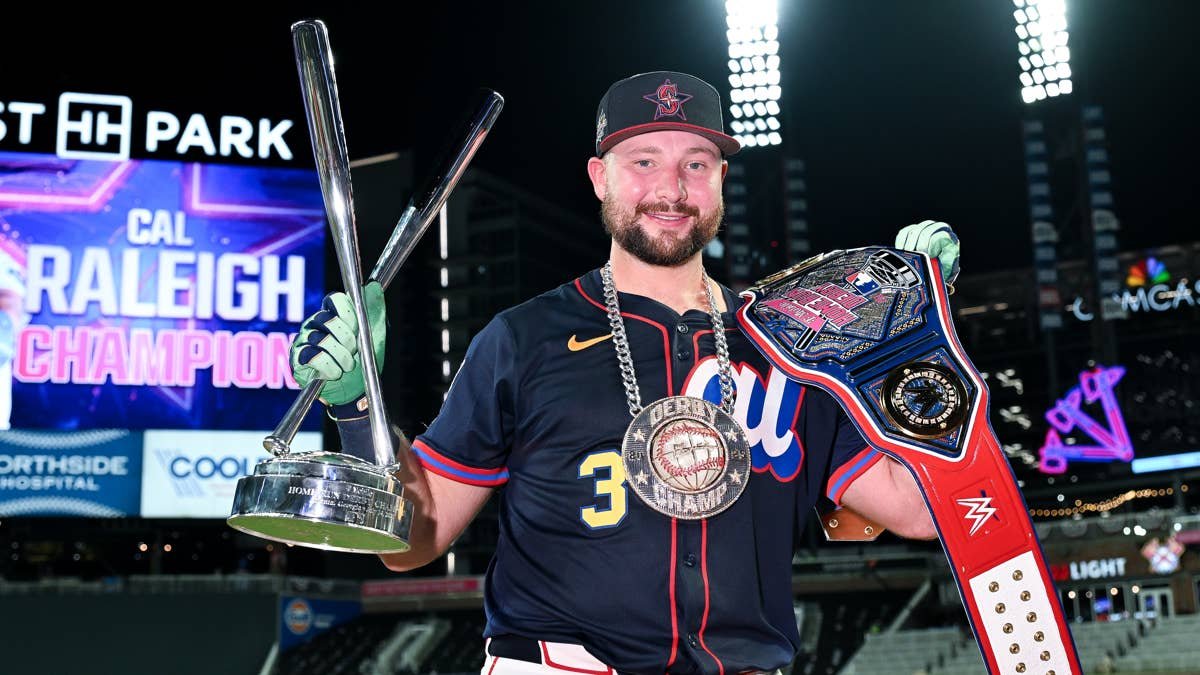
The biggest swings from MLB All-Star Week aren’t just entertaining — they’re a masterclass in how elite athletes generate explosive power. As the Home Run Derby takes center stage tonight in Philadelphia, baseball’s best sluggers will demonstrate why raw power is only one part of the equation. According to the report, the event also introduces a new swing-based format, with the timer replaced with a fixed number of swings, to emphasize quality over speed. CBS Sports.
The best home run hitters don’t just swing hard.
Fans often believe that high home runs come from immense upper body strength. Statcast data tells a different story.
MLB’s bat tracking technology shows that the average home run is produced with a bat speed of about 75 mph, but consistently generating that speed depends on the sequence of the legs, hips, core and hands – not just mashing the ball. Players with high “fast swing” rates build power while maintaining efficient mechanics throughout the season. according to mlb statcast teamFaster turnovers are strongly associated with stronger contact and better offensive production.
That’s why many of baseball’s greatest sluggers spend as much time developing rotational power, hip mobility, balance and explosive lower body power as they do bench pressing heavy weights. The goal isn’t just to be strong – it’s to efficiently transfer force from the ground through the bat.
This year’s derby will reward efficiency
This year’s Home Run Derby features a new format that gives hitters a set number of swings instead of racing against a countdown clock. According to CBS Sports, each hitter gets 20 swings in the preliminary round, followed by 15 swings in both the semifinals and finals, putting a premium on consistent mechanics rather than frantic pace.
That subtle rule change may actually favor hitters with cleaner, more repeatable swings. Fatigue has a measurable effect on bat speed, making speed efficiency more valuable as the round progresses.
Fans will also be able to follow every hit Baseball Savant’s Statcast Tracking system, which measures bat speed, exit velocity, launch angle and estimated home-run distance in real time.
Next: Bryce Harper returns to the Home Run Derby after 8 years with a big difference