Motorcycle owners usually do not sell their bikes due to catastrophic failure. More often, they are retired because repairs become too expensive, replacement parts dry up, or technology that once seemed cutting edge becomes an expensive headache. Motorcycles that last for decades are successful for a very simple reason. They were engineered to keep working long after the latest trends have come and gone.
A cruiser that has spent years proving that durability doesn’t require flashy technology or eye-watering horsepower. Instead, it relies on proven engineering, sensible design and mechanical simplicity that owners routinely reward with six-figure odometer readings. In a world where products are made to change frequently, this is becoming a surprisingly rare quality.
The longest lasting motorcycles are usually not the most complex
Longevity is not determined by reliability alone. Many motorcycles come out of the factory with reliable engines, but keeping a motorcycle on the road for twenty or thirty years also depends on how easy it is to maintain and repair. Simpler machines usually age more gracefully because there are fewer electronic systems to go bad, less expensive components to replace, and fewer reasons for owners to decide repairs aren’t worth the money.
This is why proven engineering matters more than cutting-edge specifications. An engine that has been refined over many years is often a safer long-term bet than an entirely new design chasing big performance numbers. Add practical features like liquid cooling to better manage engine temperatures and a shaft drive that eliminates routine chain replacement, and ownership becomes much less demanding over hundreds of thousands of miles.
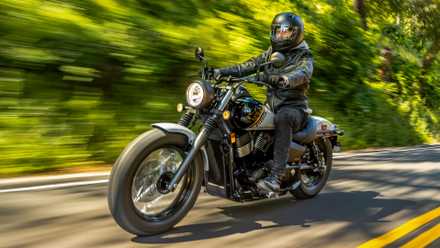

The $8,699 Honda Cruiser That Costs Less to Own Than Any Harley
The five-year ownership cost of the Honda Shadow Phantom is almost half that of the most affordable 2026 Harley-Davidson.
Why cruiser riders value longevity over outright performance

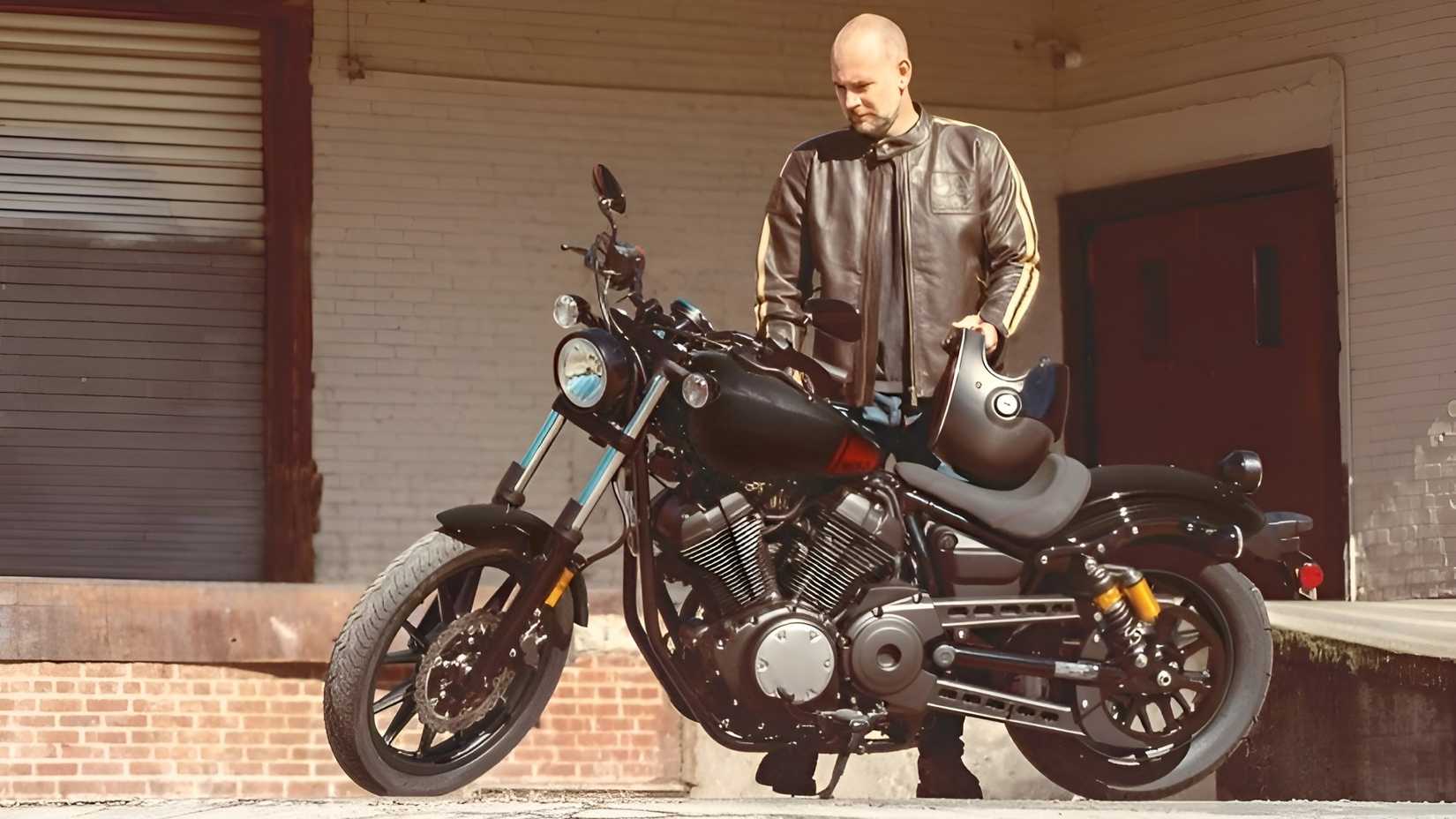
Cruiser buyers often think differently about ownership than sports bike enthusiasts. They generally don’t replace motorcycles every few years in pursuit of the latest horsepower figures or electronics package. Many people buy a motorcycle with the intention of keeping it for decades, taking it on weekend rides, commuting during the week, and eventually keeping it rather than trading it in. This mindset naturally changes priorities. Comfortable ergonomics, predictable performance, economical maintenance and reliable engineering become far more valuable than losing a few tenths of a second in a quarter mile run.
Every mile driven without unexpected repairs strengthens confidence in the machine, and low operating costs make it easy to take the long way home whenever the opportunity arises. In many ways, the ideal cruiser isn’t the fastest or flashiest. It’s one that continues to demand a little more than routine maintenance while still remaining as enjoyable years later as it was the day it left the dealership. Few motorcycles embrace that philosophy better than Honda’s long-running middleweight cruiser.
The Honda Shadow Phantom is built to last forever
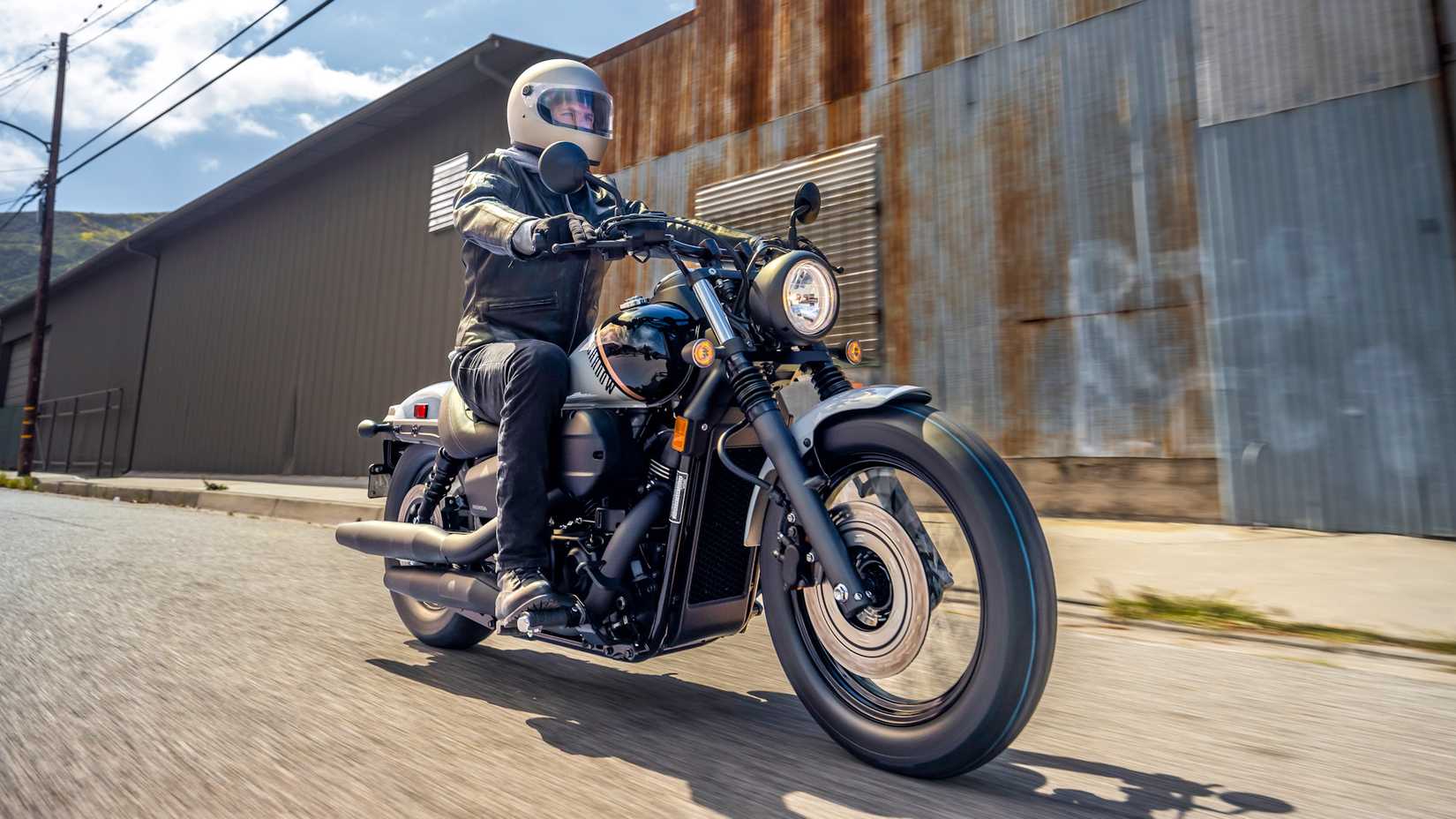
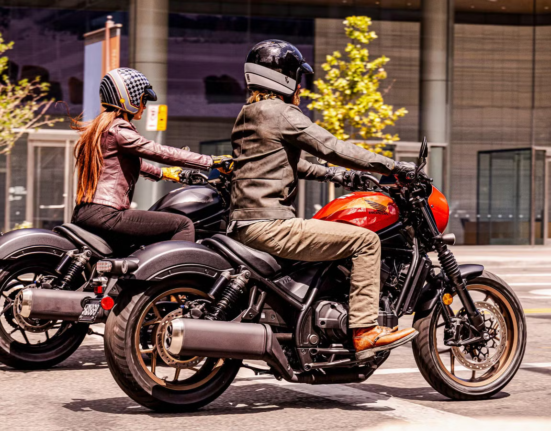
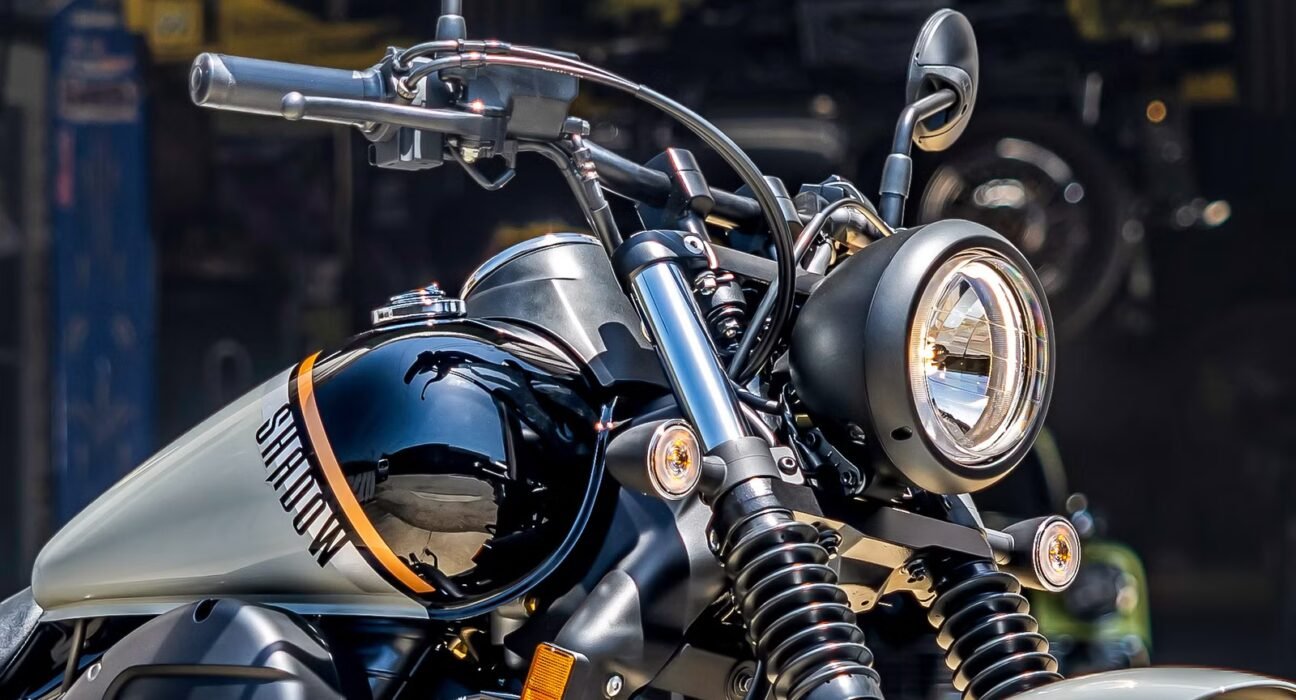
The current Honda Shadow Phantom doesn’t pretend to re-invent the cruiser formula. In fact, much of its appeal comes from the fact that it refuses. Starting at just $8,699 before destination, it offers what many long-term owners really want: timeless styling, dependable mechanicals, and engineering that has already proven itself over years of real-world riding rather than marketing claims.
Old school engineering done right
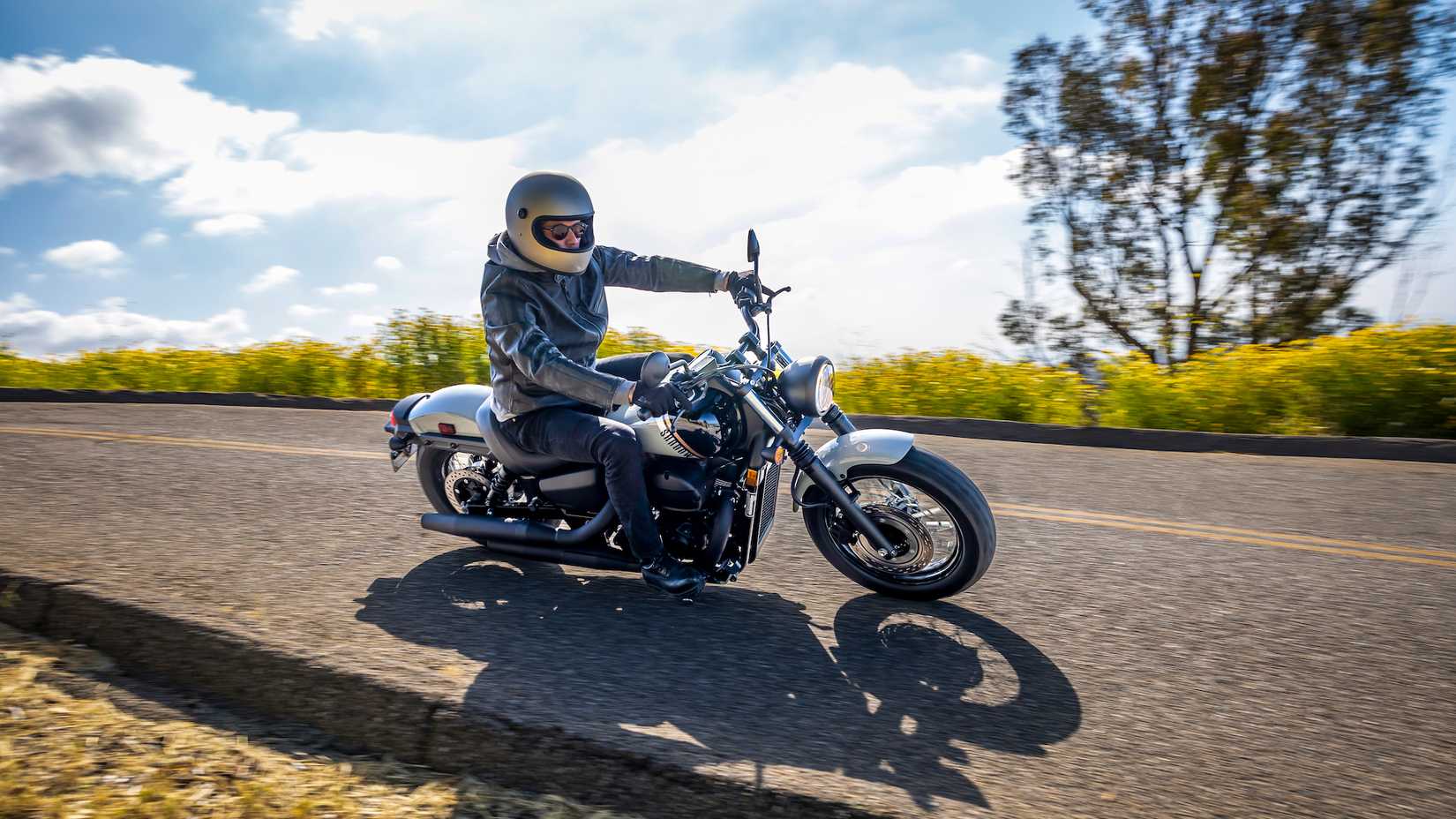
Power comes from a 745 cc liquid-cooled 52-degree V-twin that produces approximately 43 horsepower and 47 pound-feet of torque. Fuel injection maintains throttle response consistently in changing conditions, while the five-speed transmission sends power through a virtually maintenance-free shaft final drive. The drivetrain is not designed to be impressed by headline numbers. Instead, it is designed to work smoothly, predictably, and reliably over exceptionally long periods of time.
|
engine |
745 cc liquid-cooled 52-degree V-twin |
|
Production |
43 hp / 47 pound-feet |
|
transfer |
Five-speed manual, shaft final drive |
|
0 to 60 mph time |
about 6.5 seconds |
The rest of the motorcycles also follow the same philosophy. A steel double-cradle frame prioritizes durability over weight savings, while the comfortable riding position and low 25.6-inch seat height make the bike accessible to a wide range of riders. Suspension consists of a 41mm telescopic fork up front and dual rear shocks, while front and rear disc brakes keep the package simple and reliable. 17-inch front and 15-inch rear wheels complete a silhouette that remains tasteful rather than trendy, meaning it won’t look out of date a decade from now.
|
frame |
steel double-cradle |
|
suspension |
41mm telescopic fork (front) / dual shock swingarm (rear) with five-position spring preload adjustability |
|
break |
296 mm front hydraulic disc / 276 mm rear disc with twin-piston calipers, standard two-channel ABS |
|
wheels and tires |
17-inch front wheel with 120/90-17 tire / 15-inch rear wheel with 160/80-15 tire |
|
wet weight |
553 pounds |
Every key component prioritizes longevity
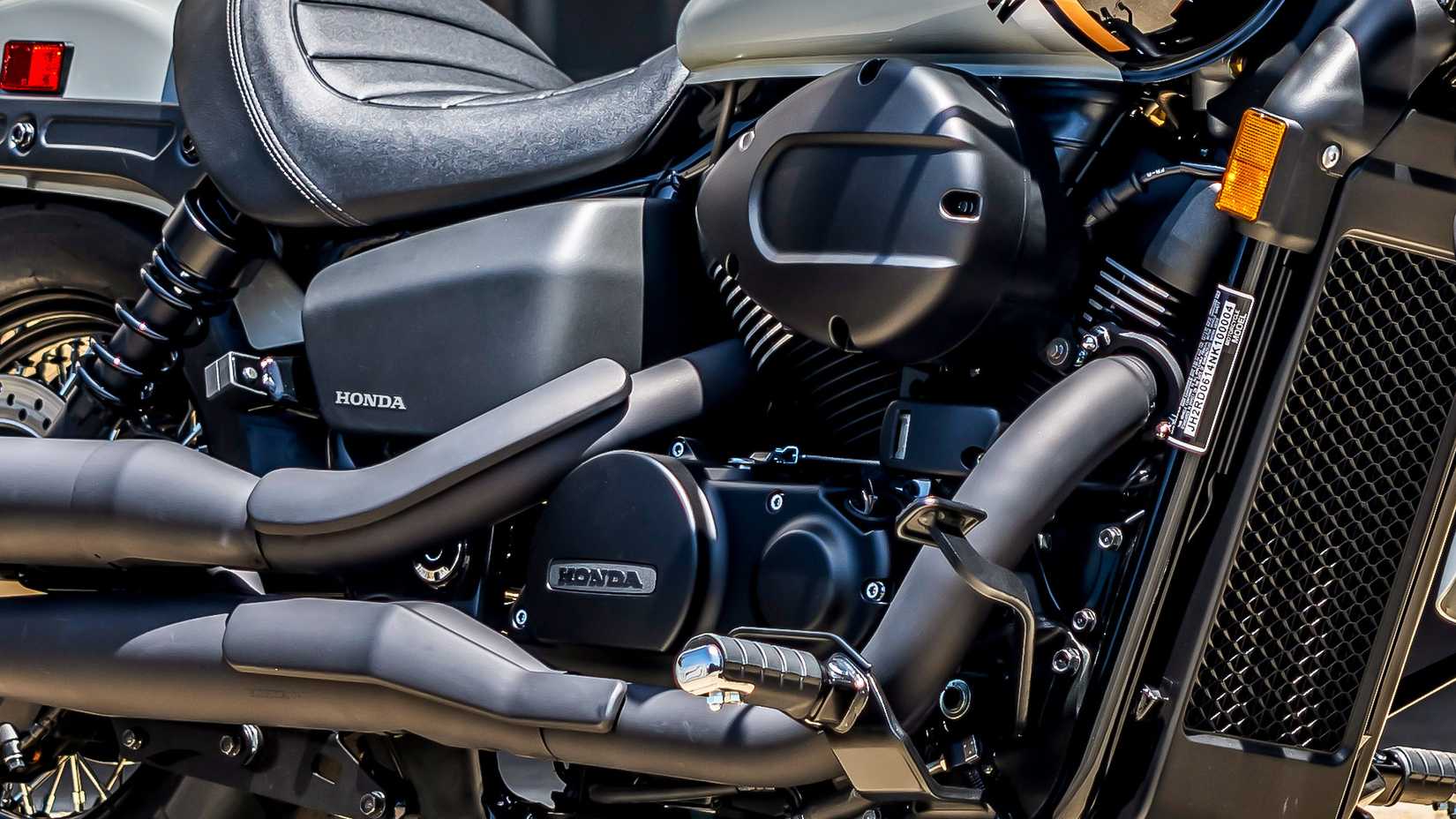
Owning a motorcycle for decades means that maintenance eventually becomes more important than performance figures. This is where the shadow ghost quietly shines. Nothing about its engineering asks owners to become experts, and routine servicing remains simple without burying the motorcycle under layers of unnecessary electronics or proprietary systems.
Its simple architecture directly translates to more years on the road
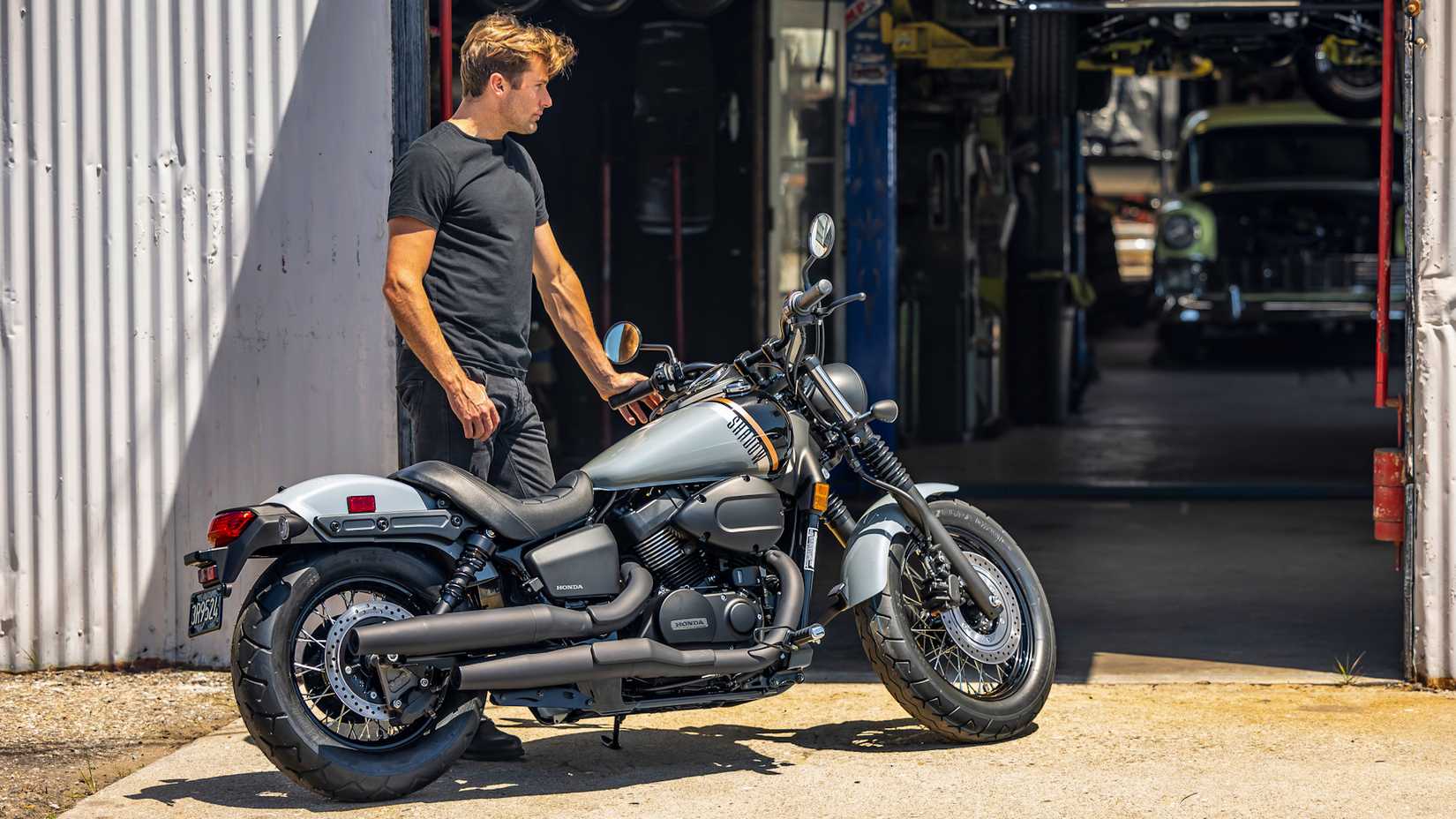
Valve inspection is required only at generous intervals, while the shaft drive completely eliminates chain cleaning, lubrication, adjustment and replacement. Liquid cooling helps maintain steady operating temperatures that reduce long-term engine stress, and because the V-twin isn’t overly stressed, it doesn’t need to operate anywhere near its mechanical limits during everyday riding. The result is an engine that’s capable of going mile after mile.
Ownership is made even easier with Honda’s extensive dealer network, availability of excellent parts and one of the largest aftermarket ecosystems in motorcycling. Whether one wants replacement components, accessories, windshields, seats, or cosmetic upgrades years later, support remains abundant. That widespread trust also helps preserve resale values because buyers know exactly what they’re getting: a motorcycle with an established reputation for staying on the road.
It’s not the most powerful cruiser, but that’s the whole point
Modern motorcycles are becoming increasingly sophisticated, and many of those advancements actually improve the riding experience. Plus, each additional layer of complexity introduces another component that may eventually require special repair or costly replacement. Sometimes progress also shortens the practical lifespan of a motorcycle by making long-term ownership more expensive than many riders would like.
The Honda Shadow Phantom takes the opposite approach. Its conservative engineering, acceptable performance, 553-pound weight, and straightforward mechanical design have allowed it to age remarkably well while countless trendier motorcycles have come and gone. Owners rarely praise it because it’s the fastest bike in the parking lot. They praise it because it continues to provide the same reliable experience year after year.
Source: Honda Powersports