Today, we have a wide selection of cruiser motorcycles available. From cheap and attractive Chinese bikes to high-end American twins. Right in the middle, we’ve got plenty of Japanese options, all of which offer great value. In the past, these bikes were the more affordable option for the established American crowd, but today, some of these bikes are even better than their American and European rivals.
The new metric cruisers are more than cheap knock-offs
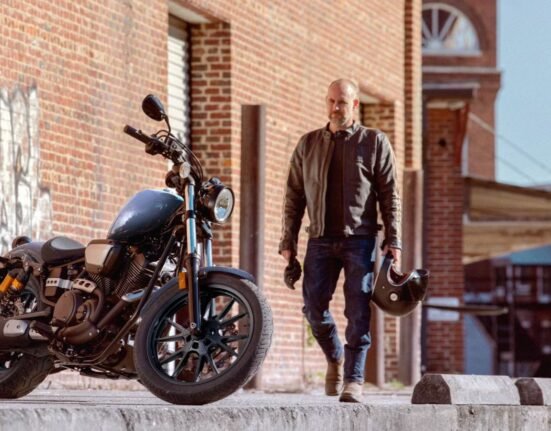
During the ’80s and ’90s, Japanese manufacturers flooded the market with all kinds of chrome-clad metric cruisers. Most of these were nothing more than cheap knock-offs, whose designs all appeared to be from the same source. But, occasionally, they even get it right with bikes like the Yamaha V-Max (pictured) and the Honda Magna. Over the years, they learned how to stand on their own feet, and have since come up with their own designs.

Chinese manufacturers have also stepped in to fill the “cheap and attractive” void, with Japanese manufacturers now favoring a more value-oriented approach. While power-cruisers like the VMax and Magna are long gone, there are a number of new metric bikes to choose from, offering great value to the right buyer. However, the bike in question isn’t just a great metric option. In most cases, it actually beats its American counterparts at their own game.
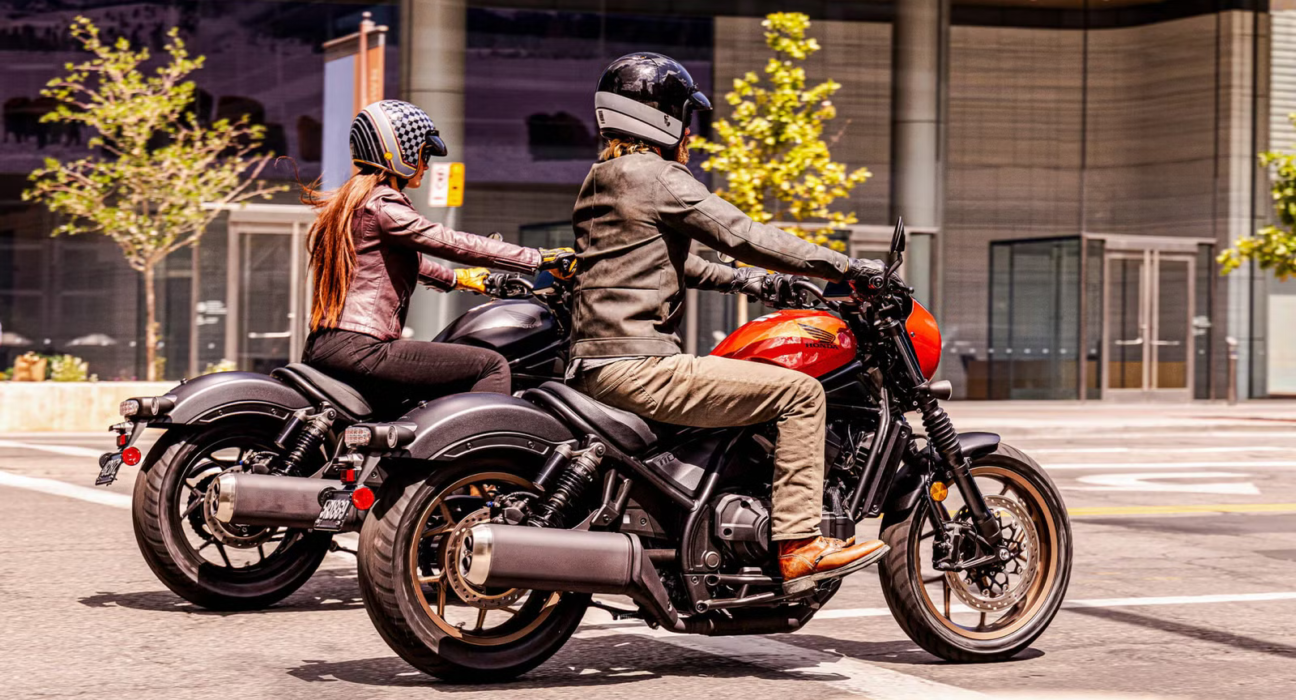
Honda Rebel 1100 DCT offers incredible value
MSRP: $10,399
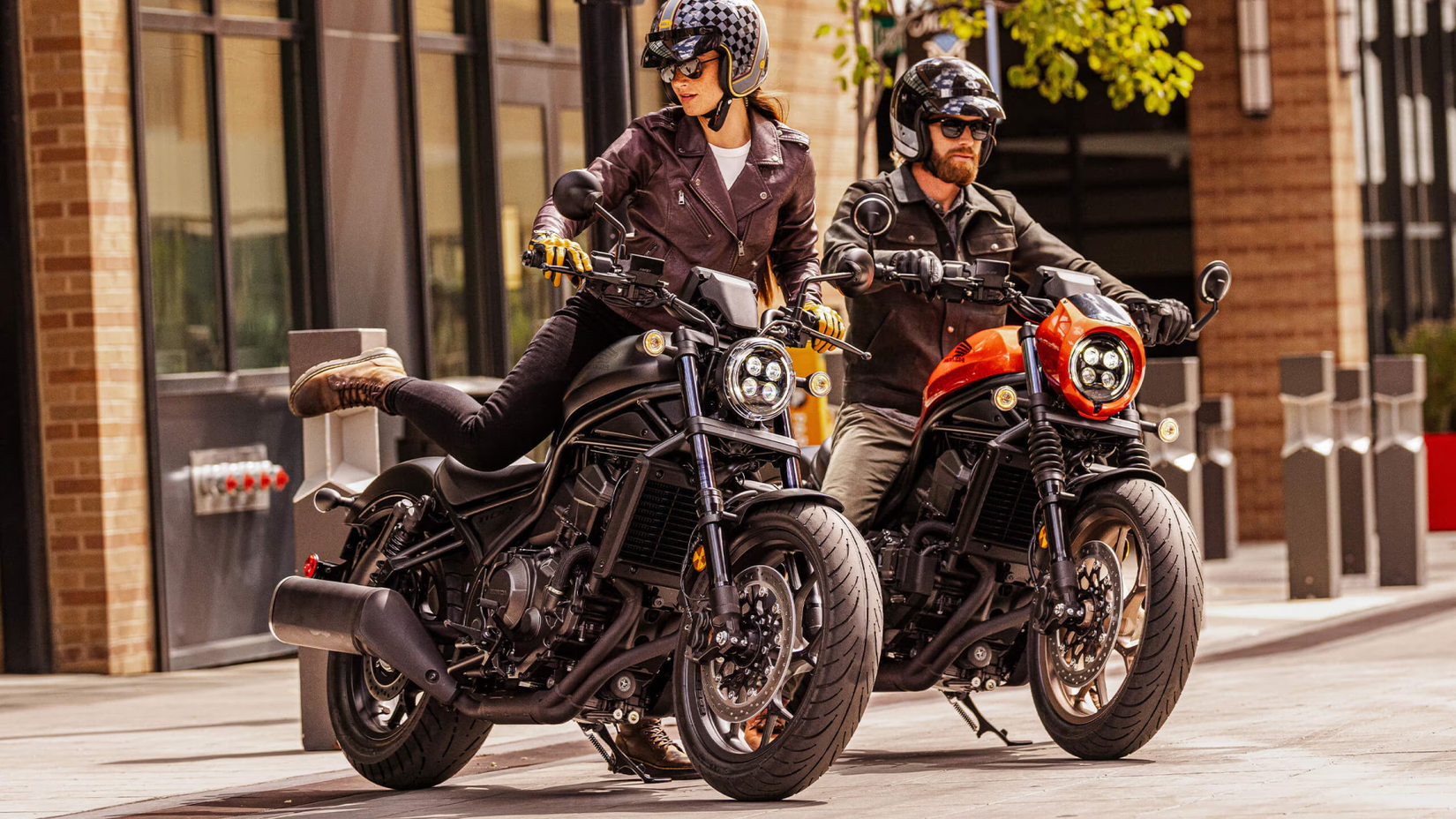
One of the most striking features of the Rebel 1100 DCT is its build quality. While there are many motorcycles in the segment that may offer a longer feature list or a V-twin engine, the Rebel is a better quality product. Everything you touch feels as if it is made to last, which unfortunately is not possible these days. It also has another competitive advantage: an automatic transmission. Although this kind of thing definitely won’t appeal to everyone, those who buy one of these bikes rarely look back.
A reworked parallel-twin powerhouse with impressive tractability
Power: 87 hp
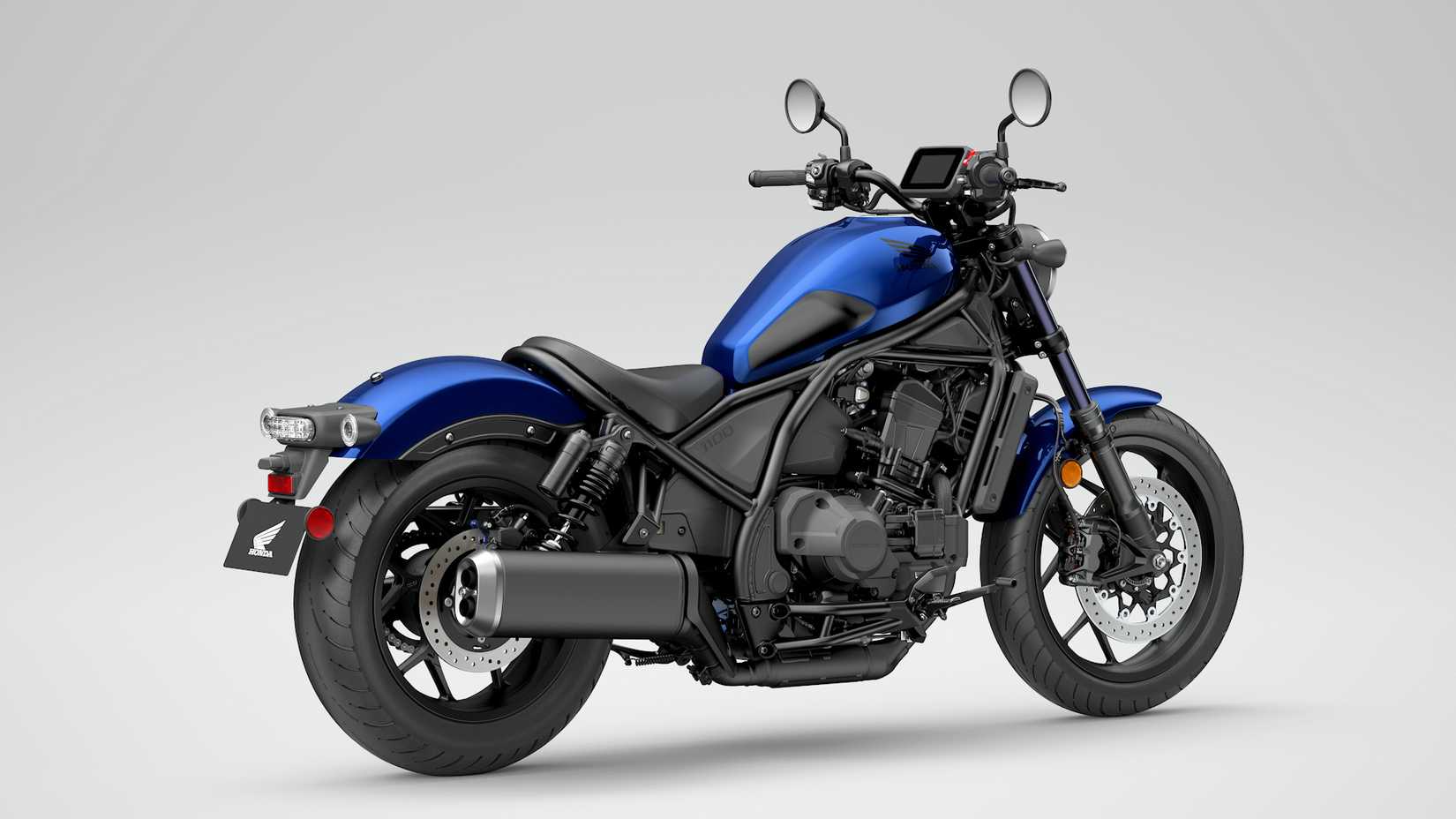
We all know that the Unicam engine is capable of producing 100 horsepower, but in an effort to bring the torque up front, the Rebel gets a different tune. On paper, it might not seem fair to sacrifice 10 pound-feet of torque in an effort to make it available earlier in the rev range. But it gives the crossplane parallel-twin the same kind of punch typically associated with larger displacement V-twins, and this off-the-mark speed is definitely something that traditional cruiser fans will love. With the bike in this slightly more benign condition, long-term reliability will never be an issue… not that it was ever an issue in the first place.
One-of-a-kind cruiser ride experience
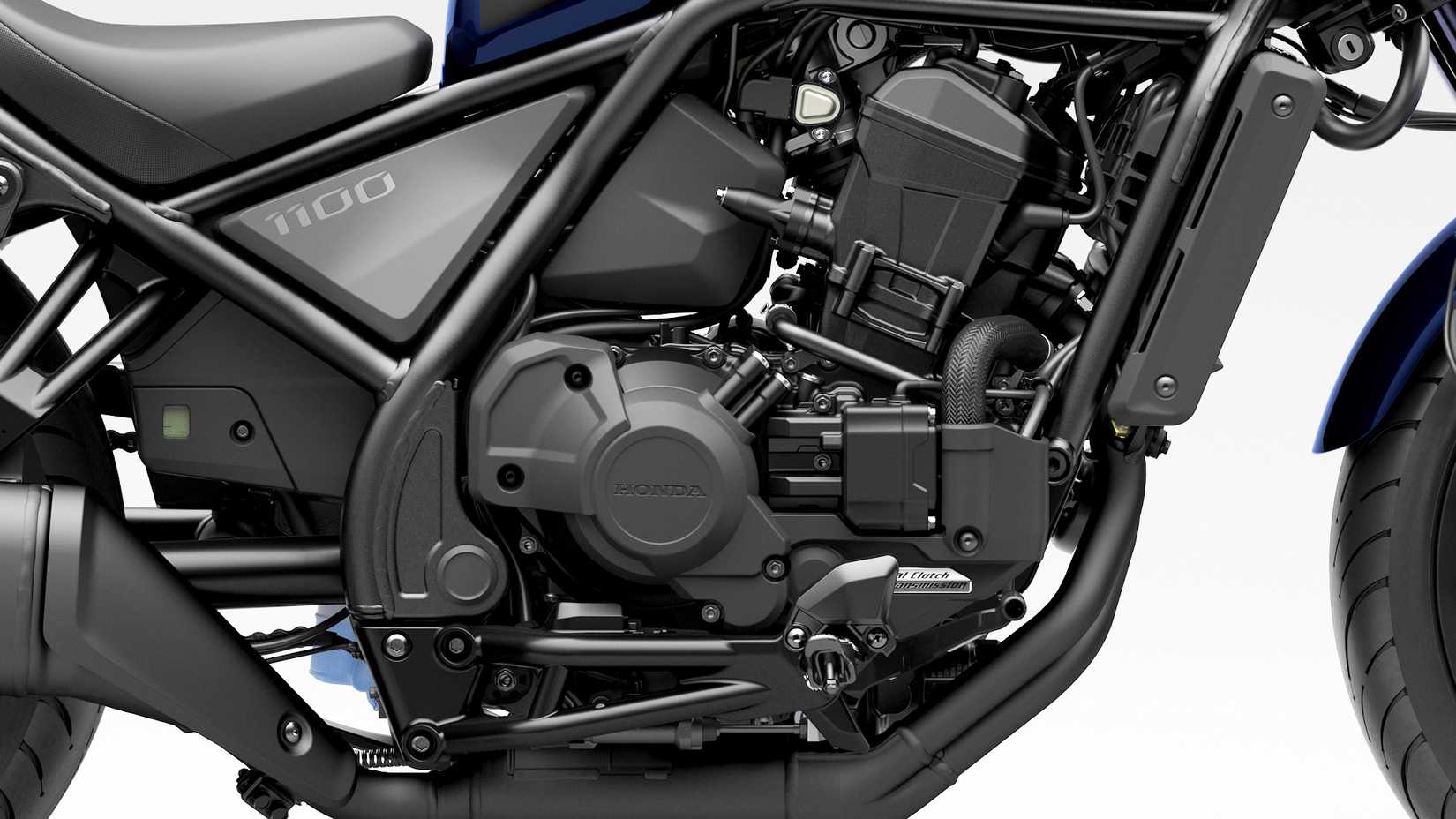
The fact that Honda is able to offer this bike with an automatic transmission definitely gives it a competitive edge. It’s the only automatic cruiser on the market currently, and while those same traditional cruiser fans may shy away from the idea of buying one (there’s still a manual option for them), there’s clearly a market for automatic motorcycles of all shapes and sizes. In the past, anyone looking for an automatic motorcycle was forced to actually buy a scooter, but Honda has completely changed the game in this regard.
The Rebel 1100 DCT has all the essential technologies
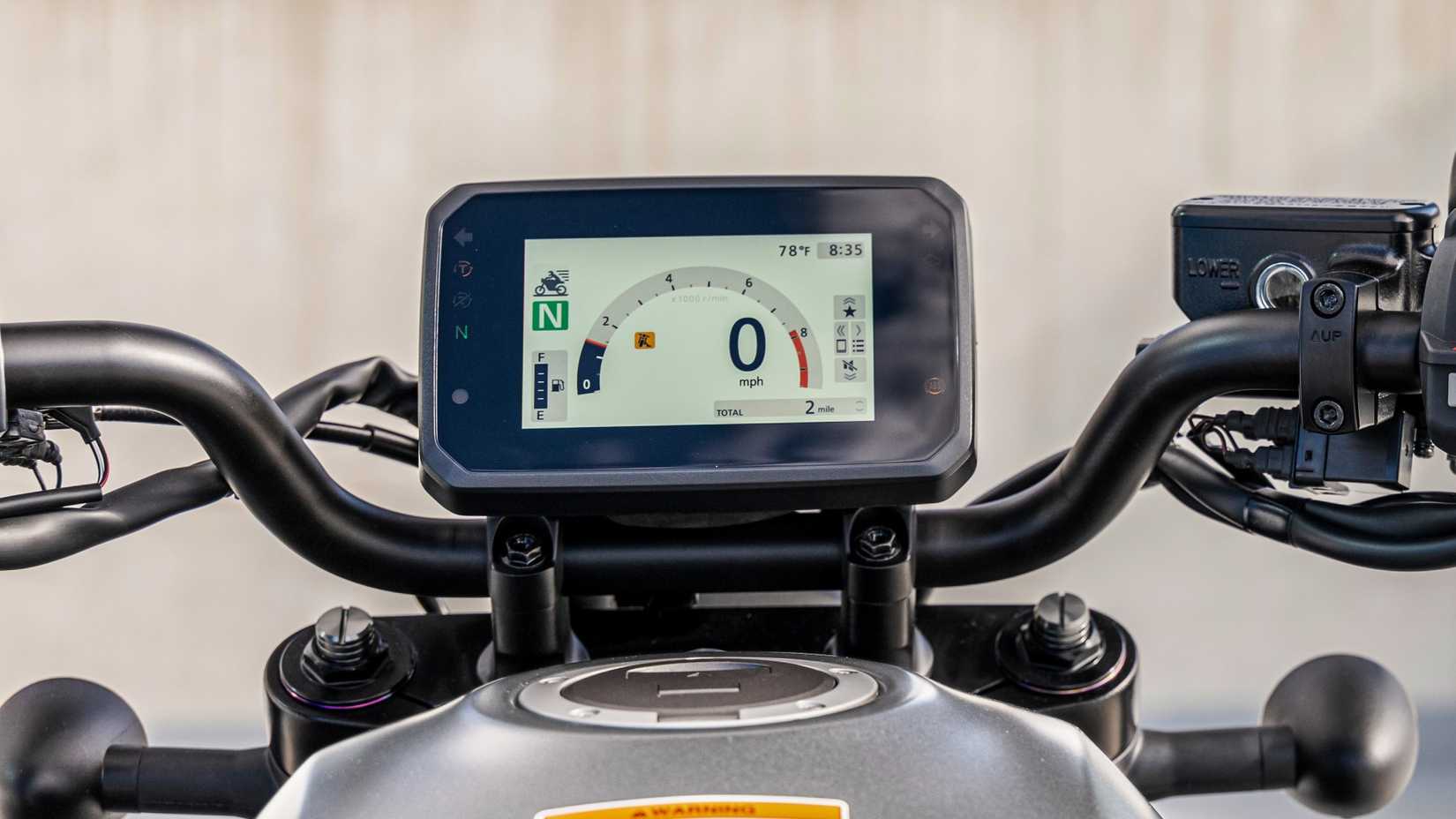
In the past, the Rebel was relatively poorly equipped, but recent upgrades have certainly changed that. You get ABS, traction control, ride modes and a big TFT dash that disrupts the otherwise clean, minimalist cruiser lines. In an effort to maintain those lines, Honda did what most other brands also do, and left out the passenger seat. Although this is not unusual, we still feel that it is something that should never be considered optional.
The chassis and suspension are fairly basic, but the bike is light for a cruiser, weighing in at 518 pounds. This, along with the fact that its seat height is less than 28 inches, makes it a fairly capable urban commuter. It is perfectly comfortable even for long highway trips, and the fact that it has an automatic transmission will definitely take the stress out of both commuting and long highway trips.
Class-leading ease of use
By far the biggest selling point of the Rebel is how easy it is to drive. Although we wouldn’t recommend this type of bike to beginners, it’s a great bike to progress on. Honda recently added an e-clutch to the Rebel 300, making it the ideal starting point for anyone interested in upgrading. You also get the kind of peace of mind that’s hard to put a dollar value on, because even if something does eventually go wrong, Honda’s dealer network is so extensive that there will almost certainly be one nearby.
All this is to say that this really is an easy bike to live with, no matter what the use case. But its biggest strength can also be considered a weakness. It certainly feels a bit like a V-twin, all crossplane parallel-twins do, but at the same time, it lacks the theater you get with a legitimate V-twin. Like many other Japanese motorcycles competing in other segments, it can feel a bit equipment-like. The fact that it has an automatic will only serve to enhance this.
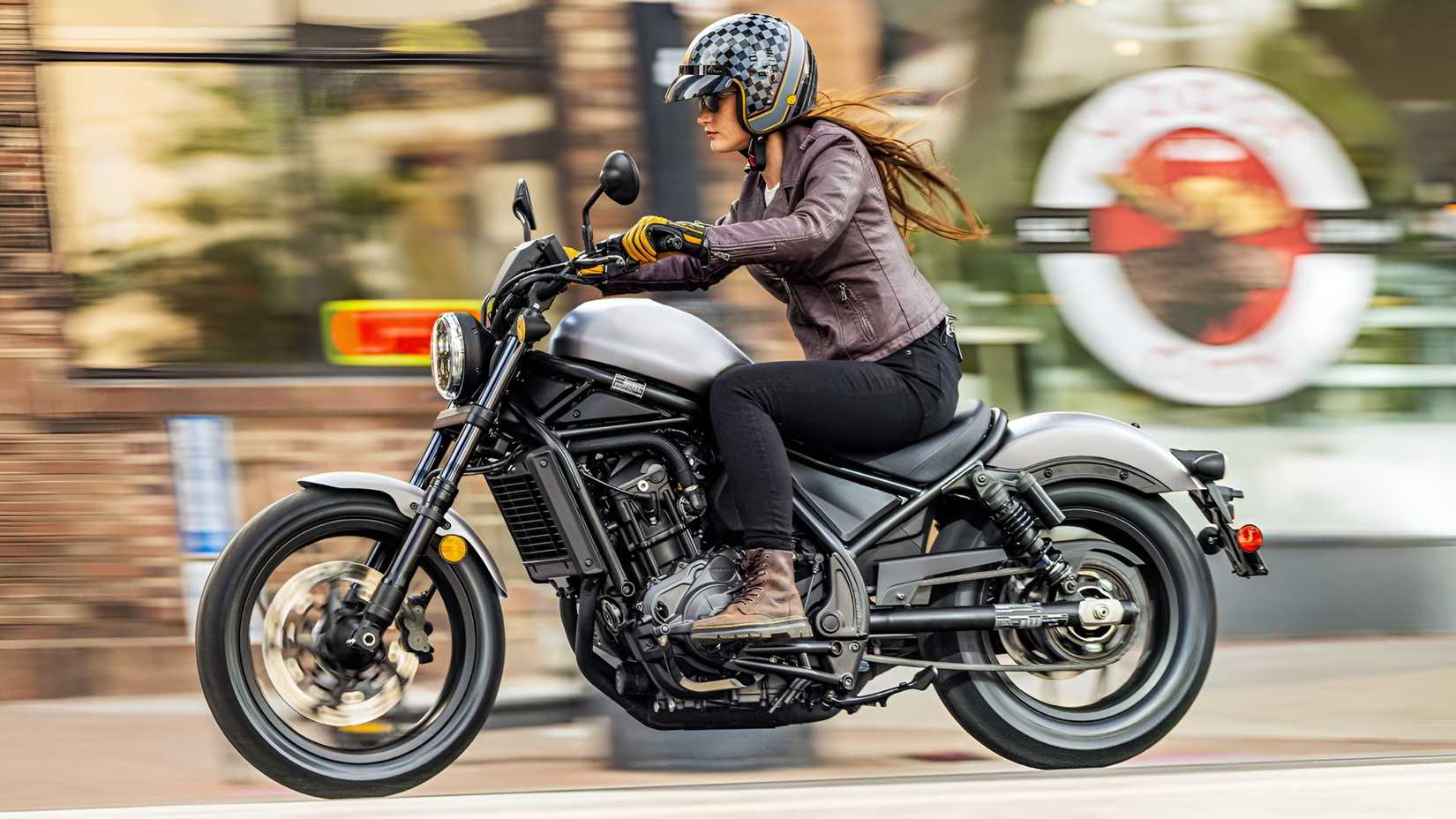
For some people, this lack of character will be a dealbreaker, but for others the value potential is too hard to pass up. Objectively speaking, this is one of the best cruisers currently available on the market. It offers a lot more than any other bike competing in this class, but it won’t be for everyone. This is really one of those bikes that you have to test ride before buying. Some will love it so much that they’ll buy it on the spot, and others will be left wondering what all the fuss was about.
Source: Honda Powersports