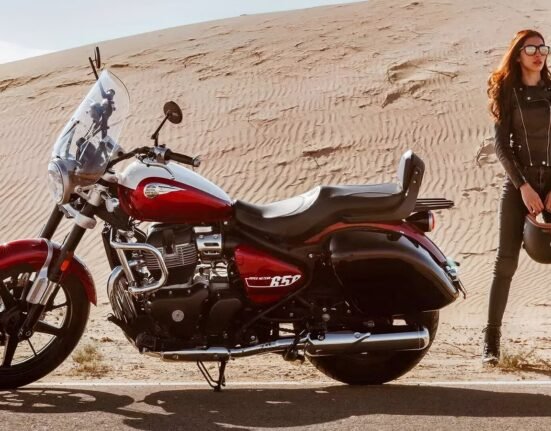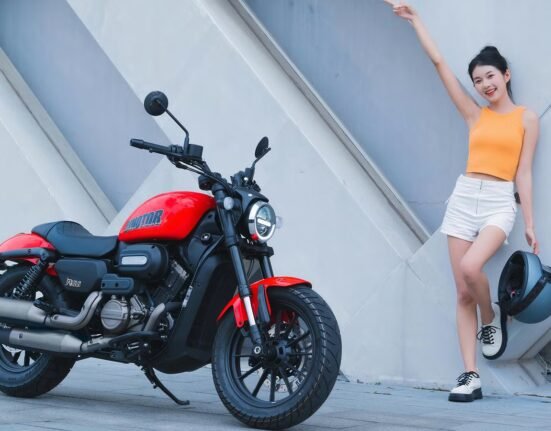
Cruiser motorcycles have long been associated with open highways, endless horizons, and the kind of comfortable riding experience that encourages riders to take the scenic route home. They’re built to last for miles in comfort, and that’s why they’ve remained popular for decades. But not every rider spends his weekend crossing state lines. Most of us still have jobs, errands, commutes, and transportation to deal with between long trips. Plus, very few people can actually afford to have multiple bikes for different types of riding.
This is where things get interesting. Some cruisers are surprisingly good at handling multiple tasks. They can settle into a comfortable highway rhythm when the road opens up, yet remain manageable enough for everyday use around town. Finding that balance isn’t always easy, especially in a segment where bigger is often seen as better. But a handful of motorcycles have quietly proven that comfort and practicality don’t have to be mutually exclusive.
Why many modern cruisers can feel a little unwieldy
Cruiser buyers are often attracted to large-displacement V-twins because they represent the traditional image of the category. Big engines, long wheelbase, abundant chrome and ample curb weight all contribute to the unmistakable road presence that many riders desire. The appeal cannot be refused. A big cruiser can make every ride feel like an occasion.
The downside is that they all come with size compromises. Heavier motorcycles require more effort at low speeds, parking spots become less forgiving, and weaving through urban traffic can feel like a workout. Add the higher purchase price, larger tires, increased maintenance costs and higher fuel consumption, and ownership becomes more demanding than some beginning riders expect.
Bigger isn’t always better in the real world

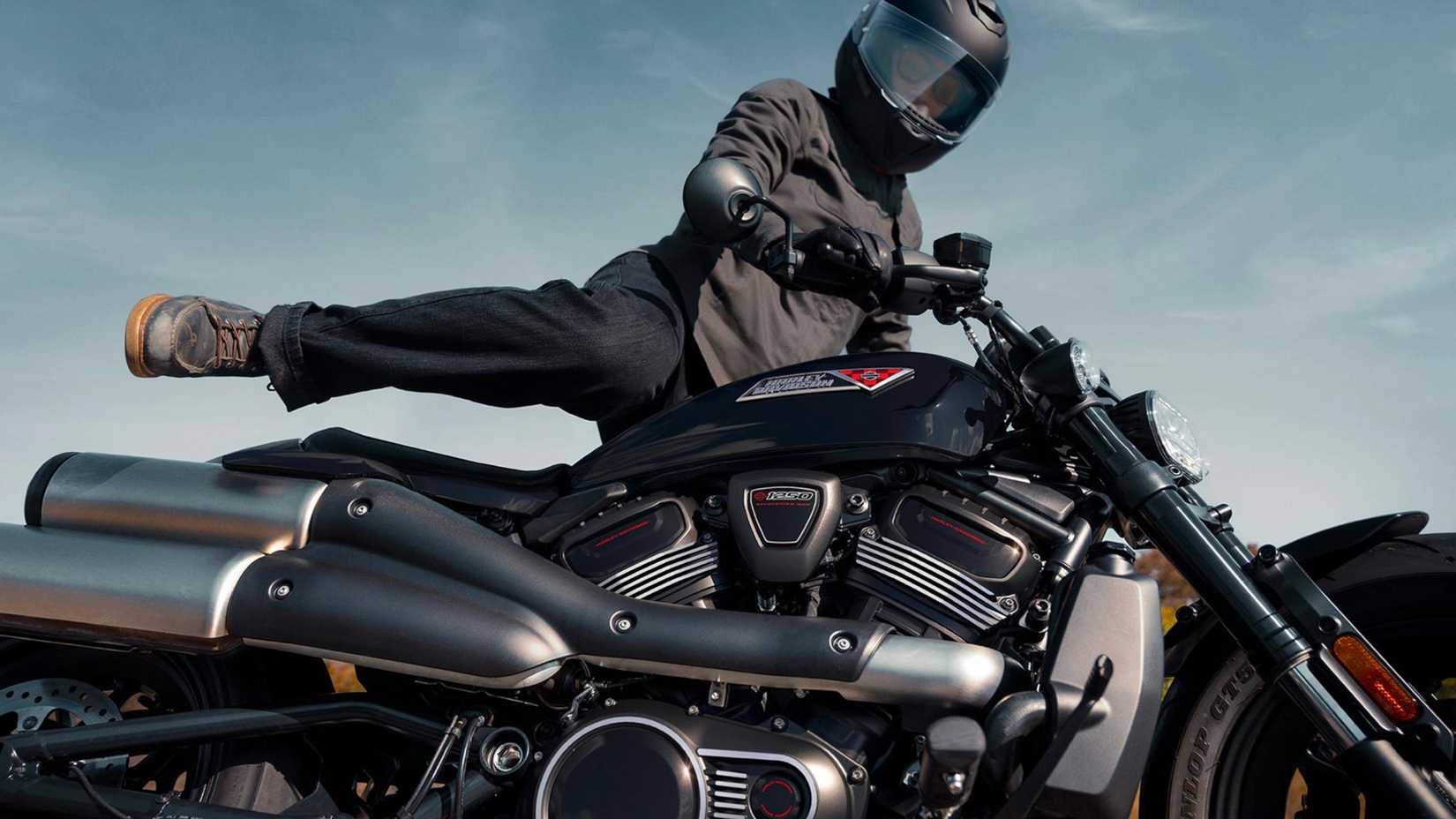
The reality is that most motorcycle owners spend far more time commuting, running errands, and enjoying short weekend rides than crossing entire states. In those situations, excessive weight and size can become liabilities rather than advantages. A motorcycle that is easy to handle at 15 mph often proves to be more enjoyable than one that only does 75 mph.
This doesn’t mean that riders should settle for something smaller or less powerful. Instead, it highlights the importance of finding the right balance. Enough power for highway travel, enough comfort for long days in the saddle, and enough practicality to make everyday riding enjoyable. That combination is often more valuable than chasing the biggest engine in the showroom.
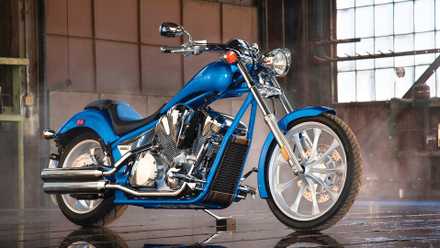

Cruiser with Japanese reliability and Harley-level appearance
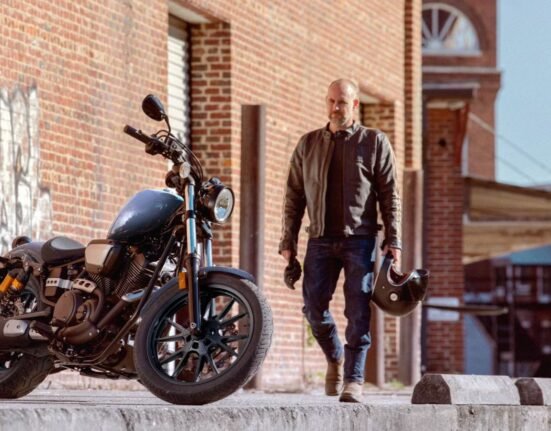
Promising bulletproof reliability, this Japanese chopper looks right at home parked next to a custom American cruiser.
The “Goldilocks zone” between touring comfort and everyday practicality.
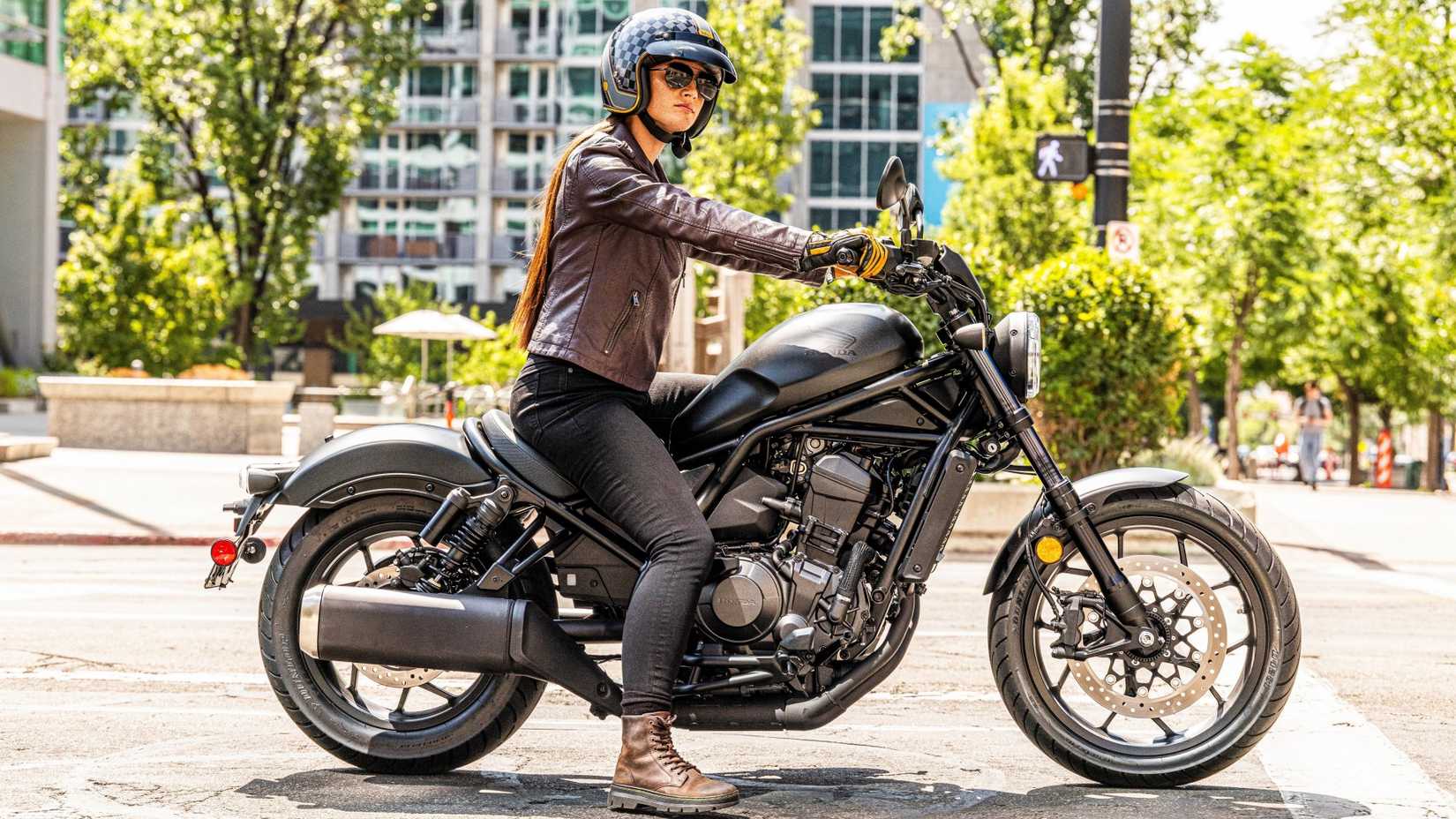
The most versatile cruisers share many characteristics. They offer comfortable ergonomics without being physically intimidating. They provide enough power for interstate travel while remaining accessible to new riders. They are comfortable enough for a day trip but simple enough to maintain without turning ownership into a part-time job. Low seat height also plays a major role. Being able to plant both feet firmly on the ground inspires confidence regardless of experience level. Moderate weight helps riders tackle traffic and parking situations with less stress.
Of course, reliability and being able to always be on the move with basic care also matters. A motorcycle that starts up every morning and demands little more than routine maintenance often becomes a machine that riders cherish for years rather than seasons. These qualities rarely generate flashy headlines, but they matter more in the long run. Motorcycles that become trusted companions usually integrate seamlessly into everyday life and provide a rewarding experience whenever the road opens up.
Honda Shadow Phantom balances highway comfort and everyday simplicity
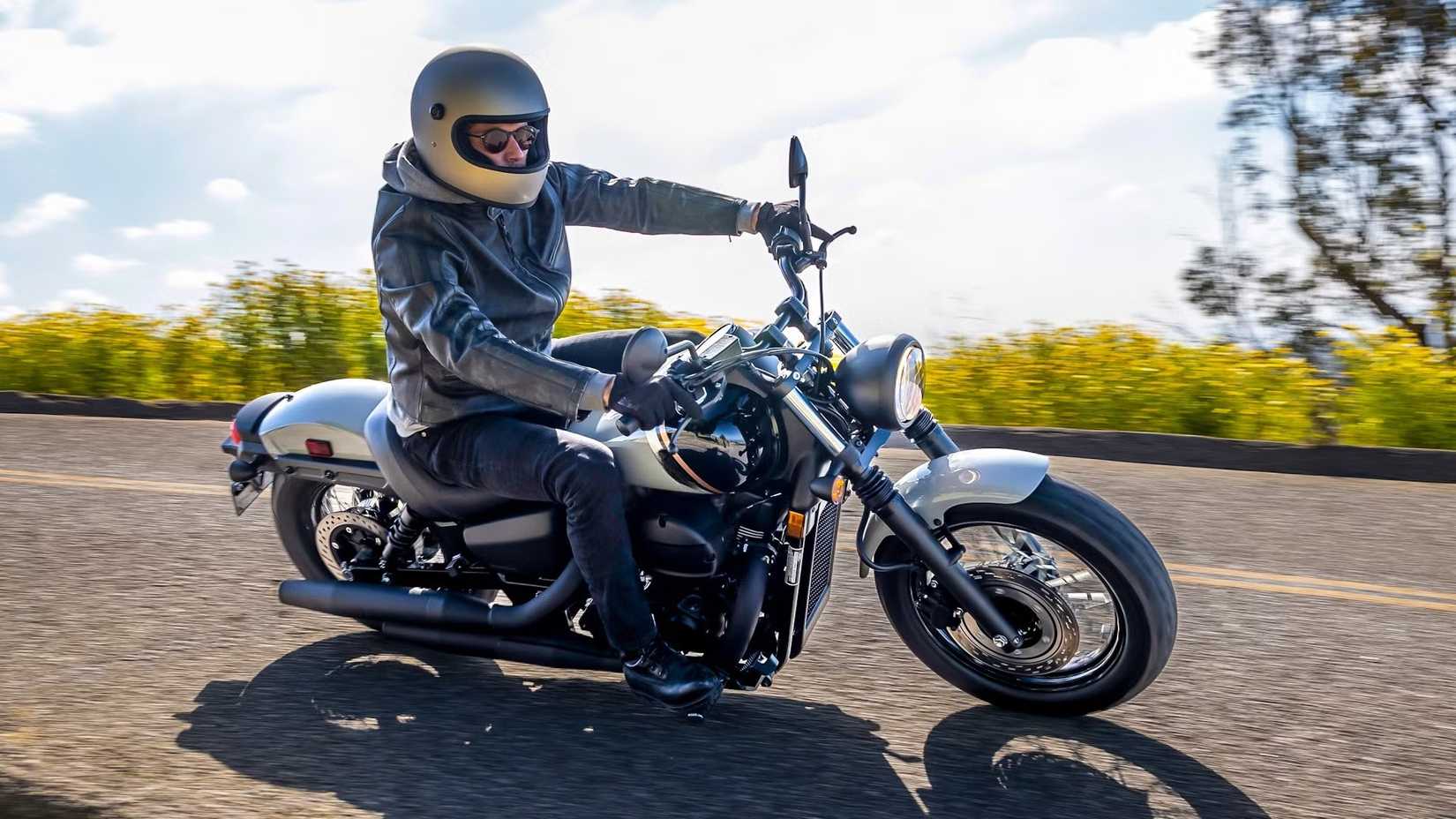
Few cruisers embrace that philosophy better than the Honda Shadow Phantom. While most of the cruiser market has chased bigger engines, increasingly sophisticated electronics and premium pricing, Honda has stepped up in a big way with a formula that makes sense for a wide range of riders.
The Shadow Phantom is powered by a 745cc liquid-cooled 52-degree V-twin paired with a five-speed transmission. Honda doesn’t publish official horsepower figures, but the engine produces about 47.9 pound-feet of torque at 3,000 rpm. The result is a relaxed character that prioritizes low-rpm torque and smooth travel, making it equally comfortable in city traffic and long highway rides.
|
engine |
745cc liquid-cooled 52-degree V-twin |
|
transfer |
5-speed manual, shaft final drive |
|
Production |
about 45 hp 47.9 pound-feet at 3,000 rpm |
|
0 to 60 mph time |
about 5.5 seconds |
A proven formula that hardly needs reinvention
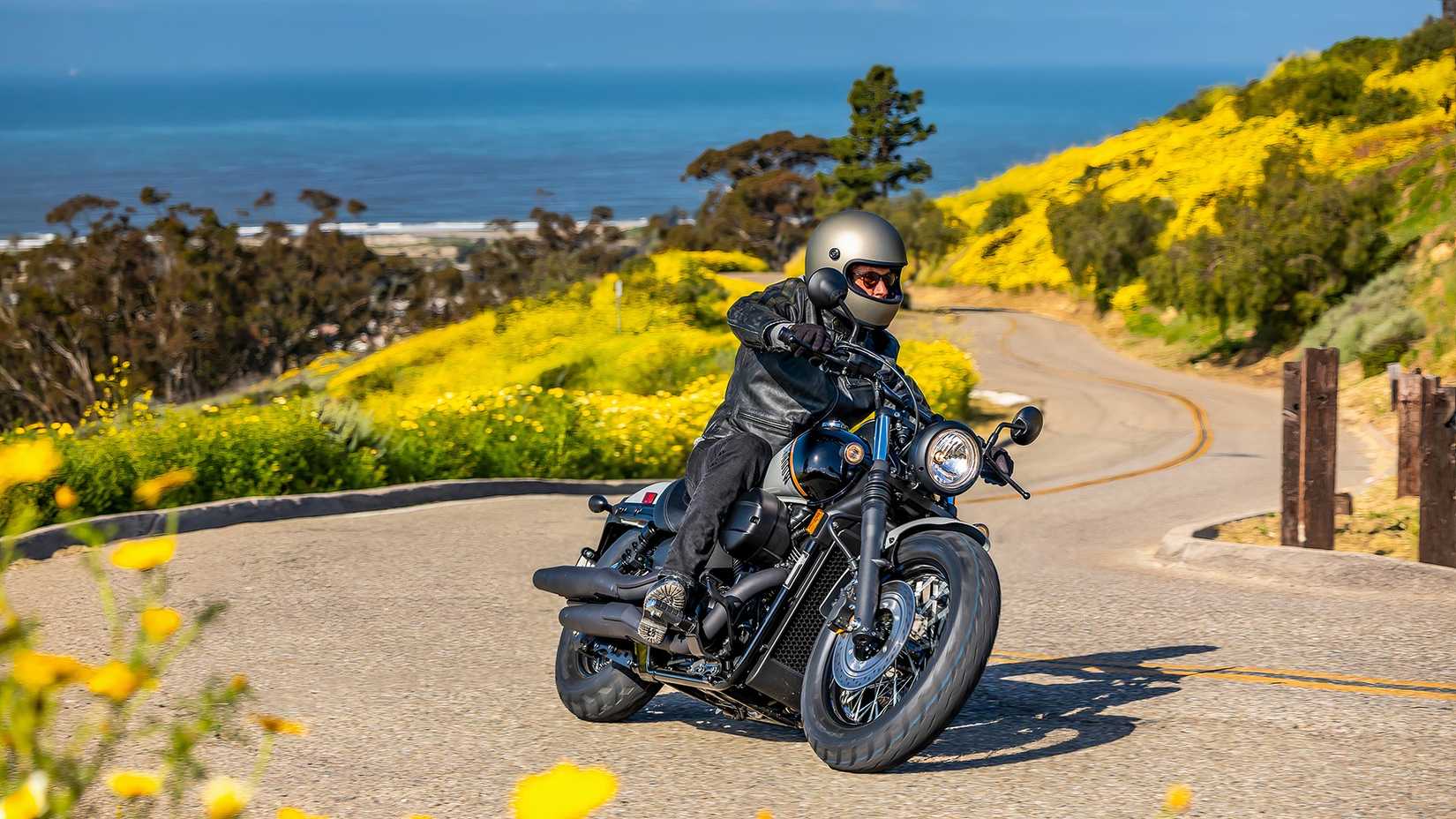
The dimensions also contribute to its versatility. The seat height of just 25.6 inches makes the bike exceptionally accessible, while the wet weight of 553 pounds keeps it substantial without being excessive. A 3.9-gallon fuel tank, 41mm fork, dual rear shocks with adjustable preload, and a 17-inch front wheel paired with a 15-inch rear wheel complete the package designed around straightforward utility.
One of the great things about the Shadow Phantom is how little Honda has needed to change it. The steel frame, conventional suspension and disc brakes aren’t particularly attractive, but they get the job done. Riders get predictable handling, comfortable ride quality and straightforward maintenance needs without unnecessary complexity.
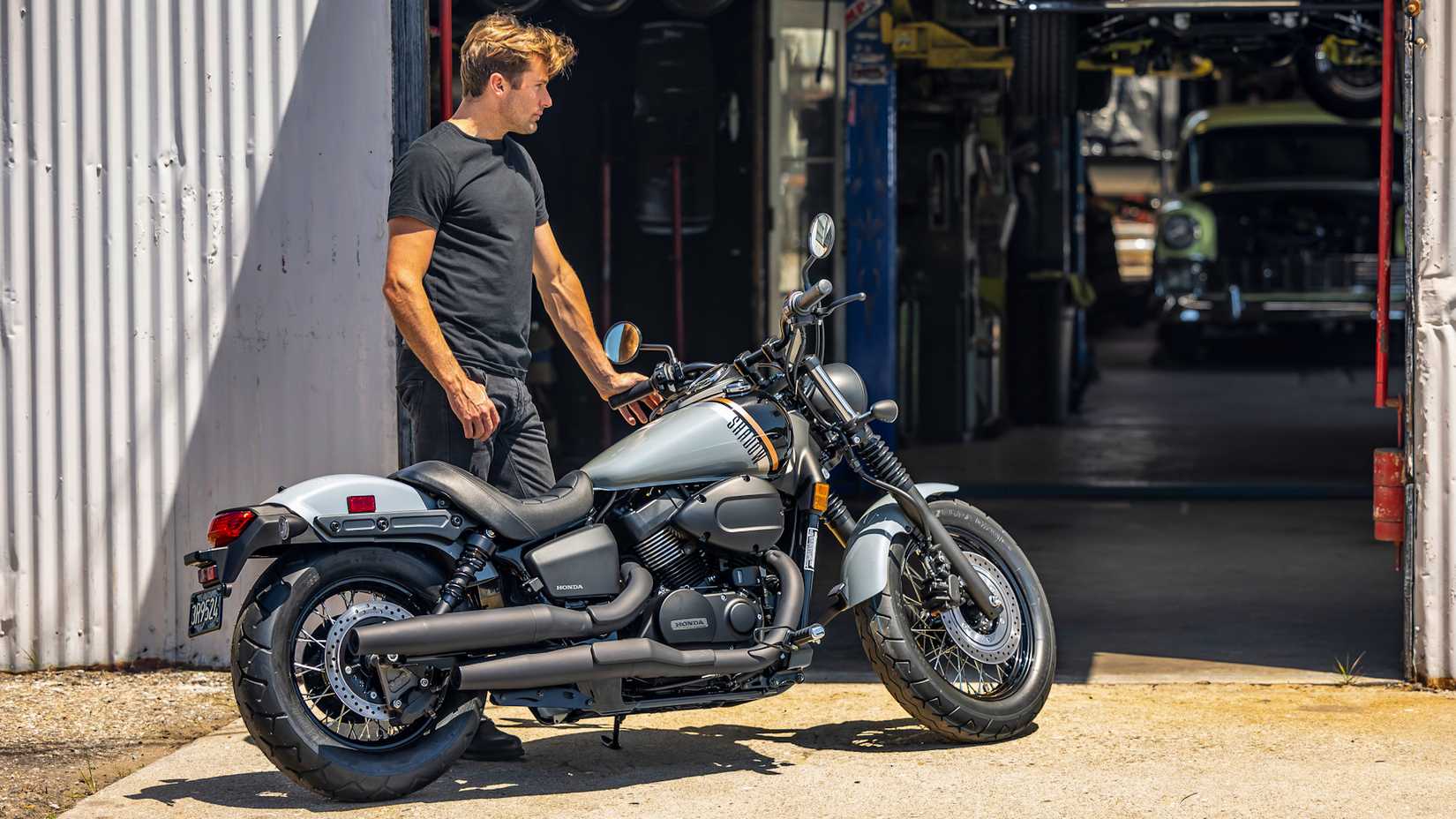
The shaft final drive deserves special mention. While many motorcycles in this price range still rely on chains, the Shadow’s shaft drive significantly reduces maintenance demands. There are no chain adjustments to worry about and no regular lubrication schedule to follow. For riders who just want to ride rather than constantly wrench, this is a worthwhile benefit.
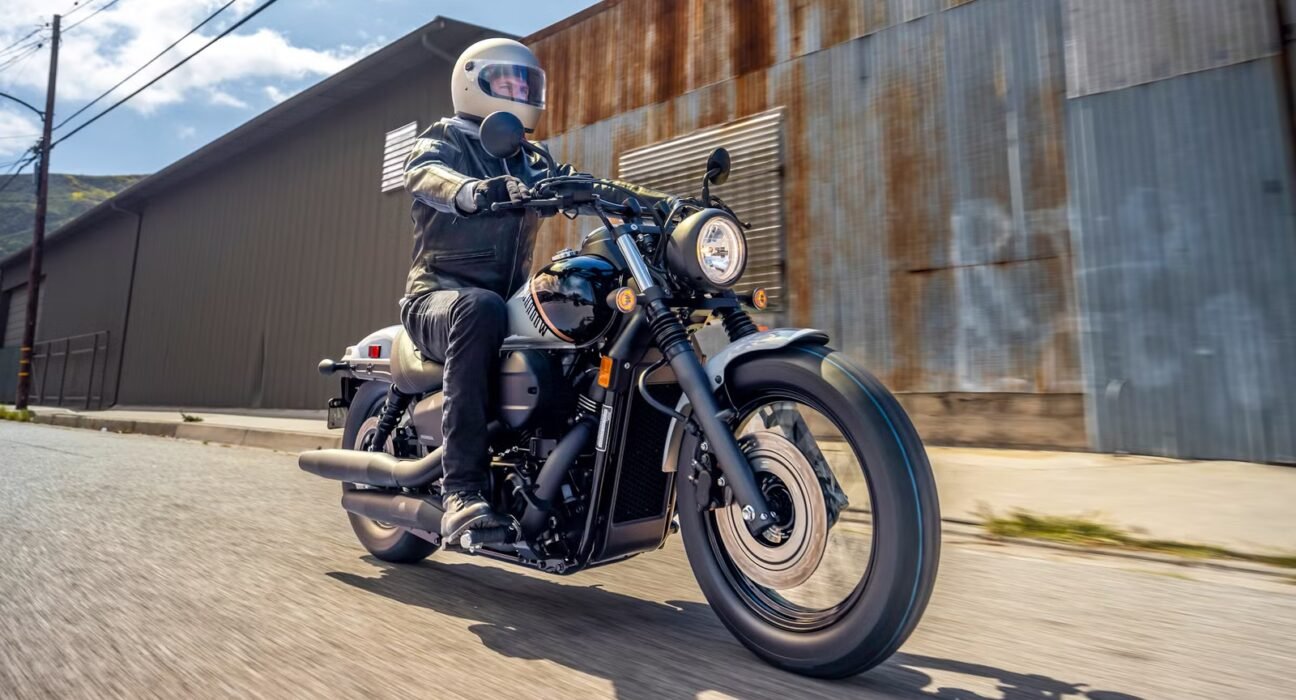
Visually, the Phantom remains in line with classic cruiser traditions. A blacked-out finish dominates the motorcycle, giving it a clean, streamlined look. The minimalist styling avoids chasing trends and instead embraces timeless cruiser proportions. That’s probably one reason the Shadow nameplate has survived for decades while countless competitors have come and gone.
|
frame |
steel double-cradle frame |
|
suspension |
Front: 41mm telescopic fork, 4.6 inches of travel Rear: Dual shocks with 5-position preload adjustability, 3.5 inches of travel |
|
break |
Front: Single 296 mm disc, twin-piston caliper Rear: 276 mm disc, single piston caliper |
|
wheels and tires |
Front wheel: 17-inch steel wire-spoke Rear wheel: 15-inch steel wire-spoke |
|
wet weight |
553 pounds |
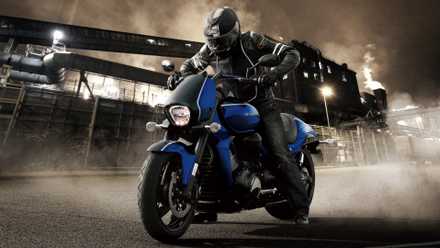
Long-term cruiser that still feels like a smart choice
The Suzuki Boulevard M109R may be old, but its powerful engine, reliable performance and price make it a smart choice for a long-term cruiser.
The Shadow Phantom persists years after its launch
Looking at today’s motorcycle market, it’s easy to assume that older designs have been left behind. Many competitors offer ride modes, traction control systems, large TFT displays, smartphone connectivity and comprehensive rider assists. Shadow Phantom doesn’t offer any of these things. Yet that is why it continues to attract many riders. Not everyone wants a motorcycle loaded with menus and electronic settings. Some riders just want a reliable V-twin that starts every time, sounds good, runs smoothly, and requires little effort to achieve. Shadow provides exactly the same experience.
The cruiser that may be exactly what many riders need
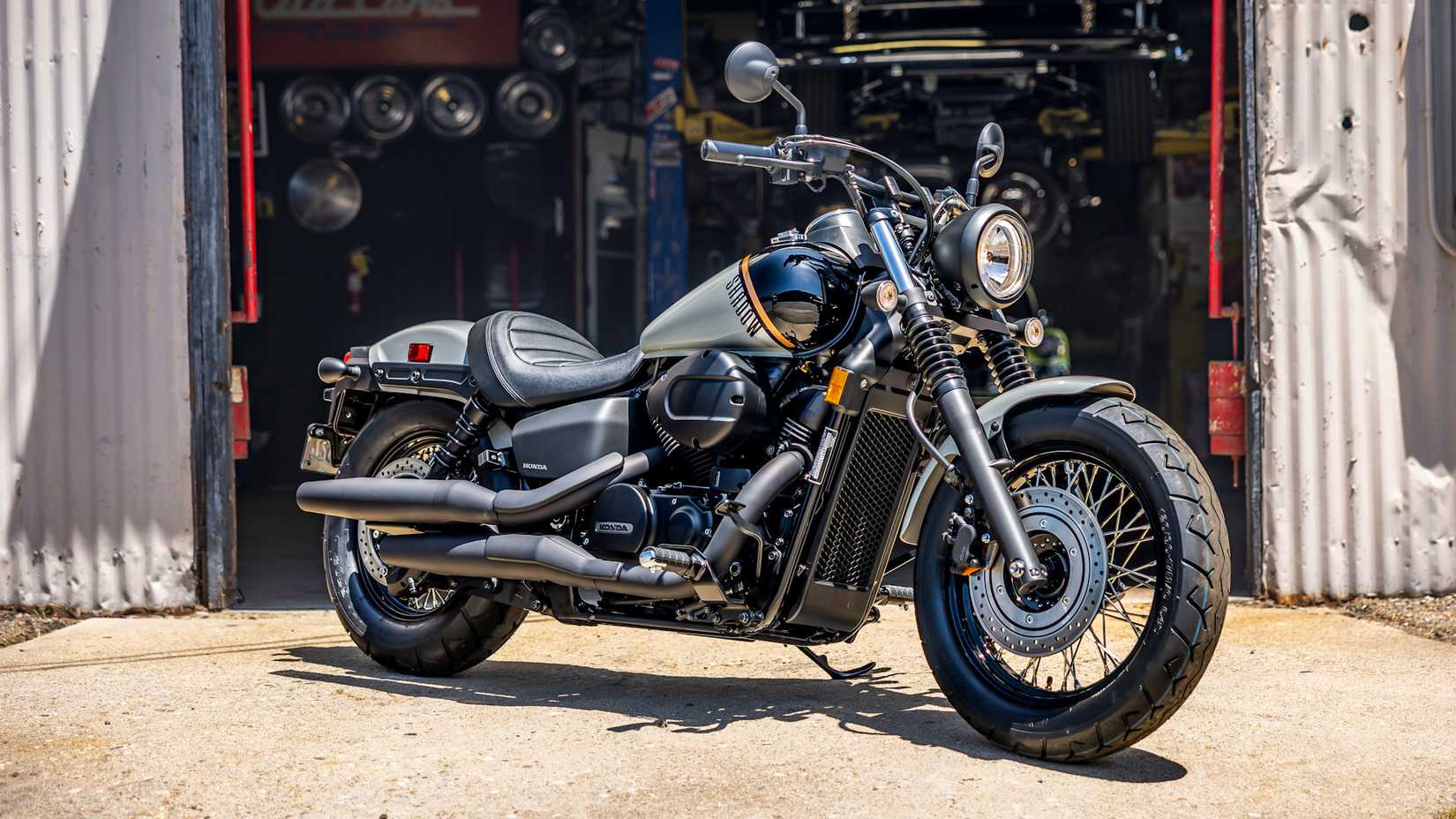
To finish things off, the Honda Shadow Phantom is not the fastest cruiser on sale. Or the most technologically advanced. What it offers is a carefully balanced package that prioritizes the things that many riders actually use every day. It offers enough torque for comfortable highway trips, enough comfort for long rides and enough practicality for everyday transportation. Its proven mechanicals, shaft drive, approachable dimensions and timeless styling make it easy to understand why the motorcycle remains a part of Honda’s lineup even after so many years.
At an MSRP of $8,699, the Shadow Phantom also remains refreshingly attainable in a segment where prices keep climbing. For riders looking for a cruiser that can comfortably handle a weekend road trip without becoming cumbersome on a Monday morning commute, Honda’s long-running V-twin may still represent one of the smartest choices available. Its biggest achievement is not being dominated by any one class. It excels at the balance that many riders spend years finding.
Source: Honda Powersports