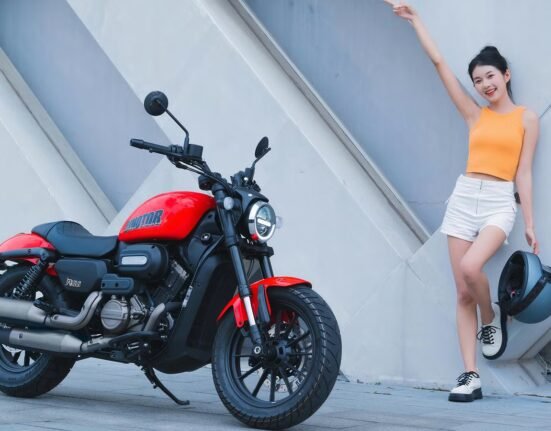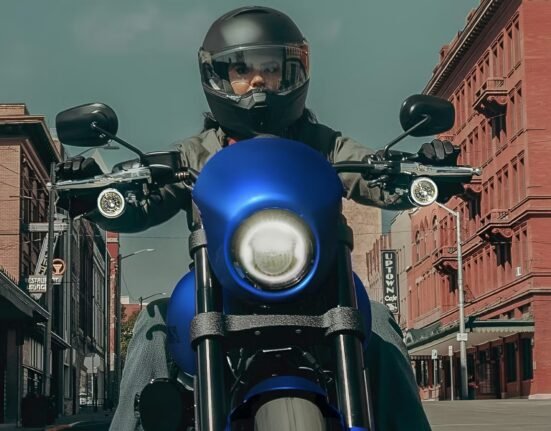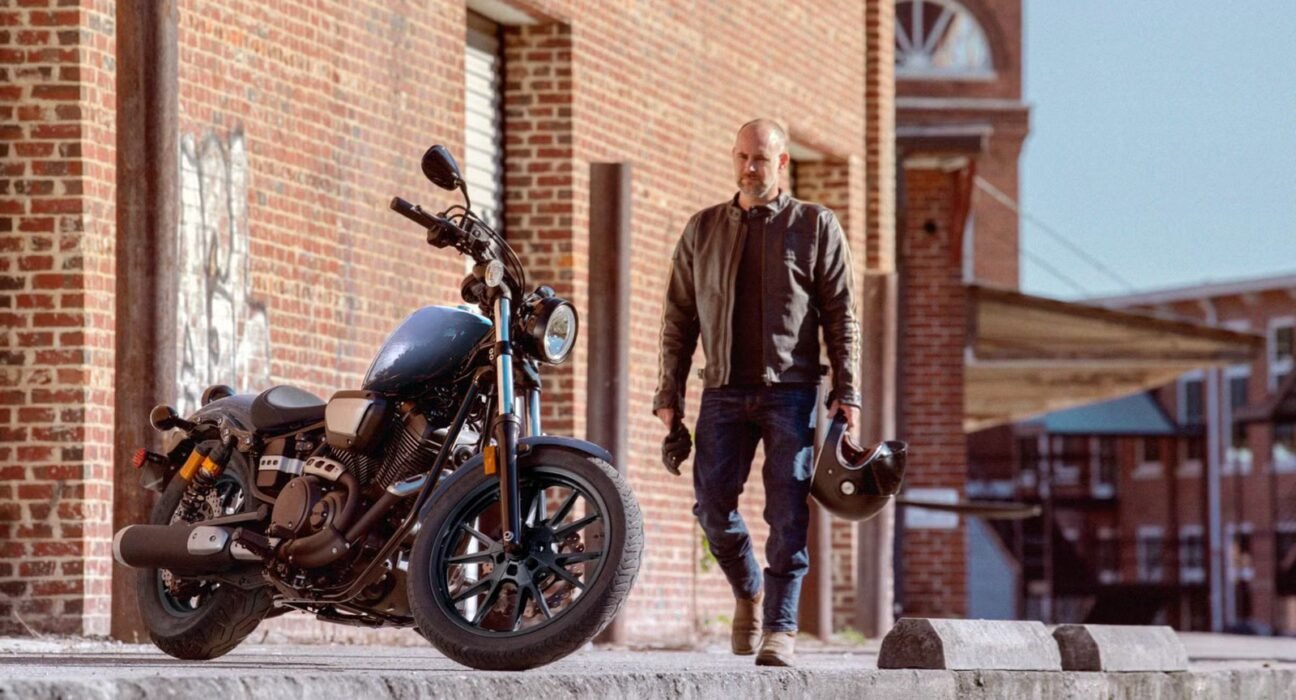
In the 1940s, traditional cruisers wore heavily fendered bodywork that was stylish for the era but built mostly for functionality. This style persisted until World War II veterans came home with empty hands, lots of time, and motorcycles in the garage. Riding naked war machines overseas had left him with no patience for the factory chrome and added weight.
They removed the front fender completely, cut the rear fender down to a stub, and removed everything that didn’t add speed. The “bob job” (later called the bobber) was born, and remained mostly American. Over the coming years, the style took hold, and Indian Motorcycles as well as Harley-Davidson took advantage of the stripped-down look and sold them at higher prices to riders in the name of heritage. It was only later that the Japanese caught on to the trend and came up with their own versions.
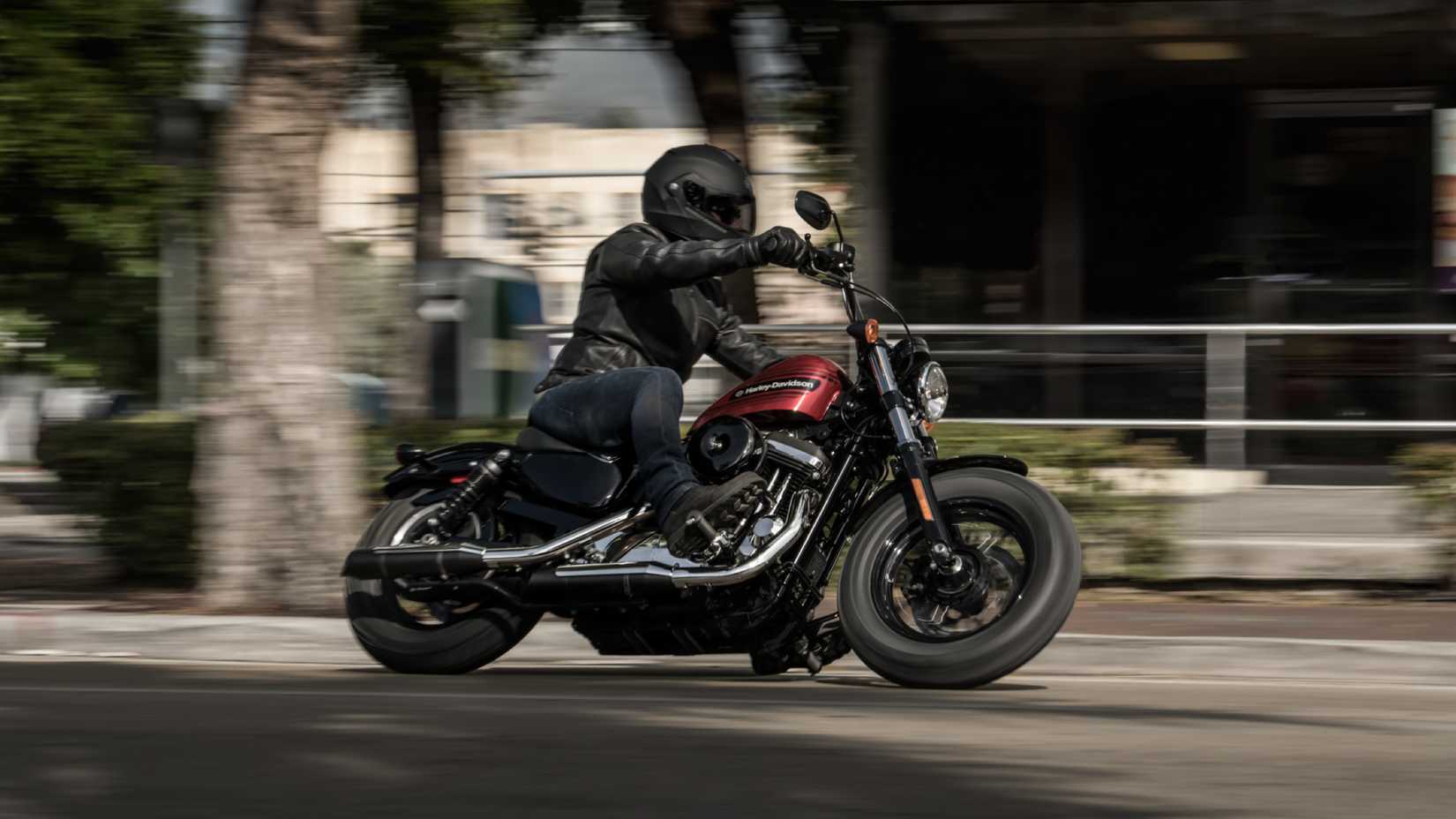
The Sportster’s bobber look that still endures
The Bobber’s minimalist look was so distinctive that it developed its own following. To this day, the elements that made it up remain simple: a blacked-out V-twin, a single round headlight, a fat rear tire hidden beneath a stubby fender, and a low seat, all a combination that is instantly recognizable. These styling elements were never proprietary or refined, with only modern iterations of recent years incorporating improved engines.

So paying five-figure sticker prices on them seemed unfair to the buyer, who is now more conscious than ever. What’s needed for a bike like this is a manufacturer willing to build the traditional silhouette of a bobber, with a reputation for building dependable, reliable engines to keep the machine going even when the novelty wears off. And Yamaha had the foresight and the right product for the American rider.
Yamaha Bolt R-Spec has the presence and reliability of a Harley-Davidson Sportster
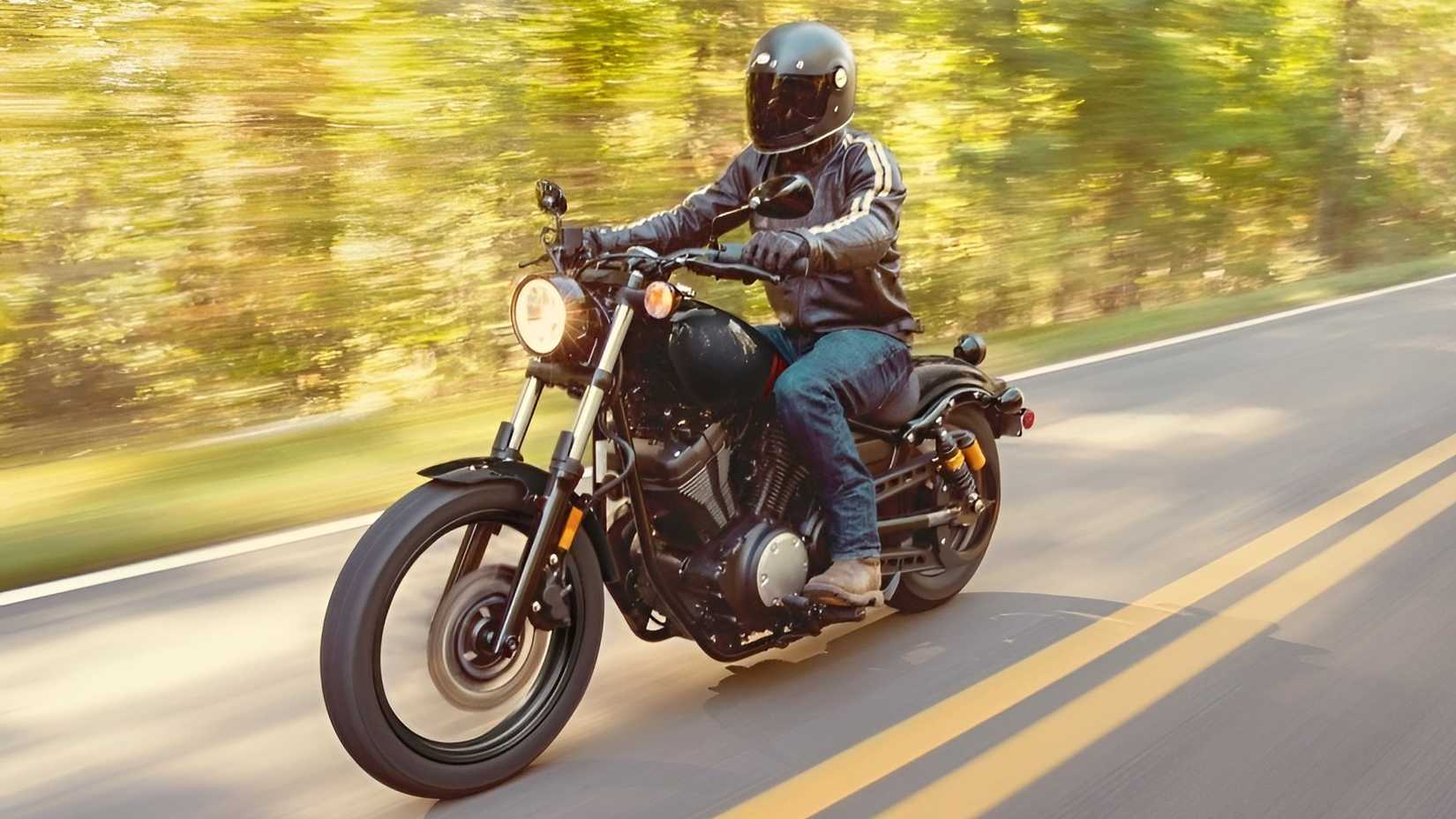
Yamaha took an almost traditional approach to building bobbers, only this time on a mass-produced factory scale. The Bolt was built on its V-Star cruiser platform. Removing the heavy bodywork, then restyling it into an urban bobber. For $8,999, you get a 942 cc, air-cooled, 60-degree V-twin with four valves per cylinder, powered by twin-bore fuel injection and a compact chassis.
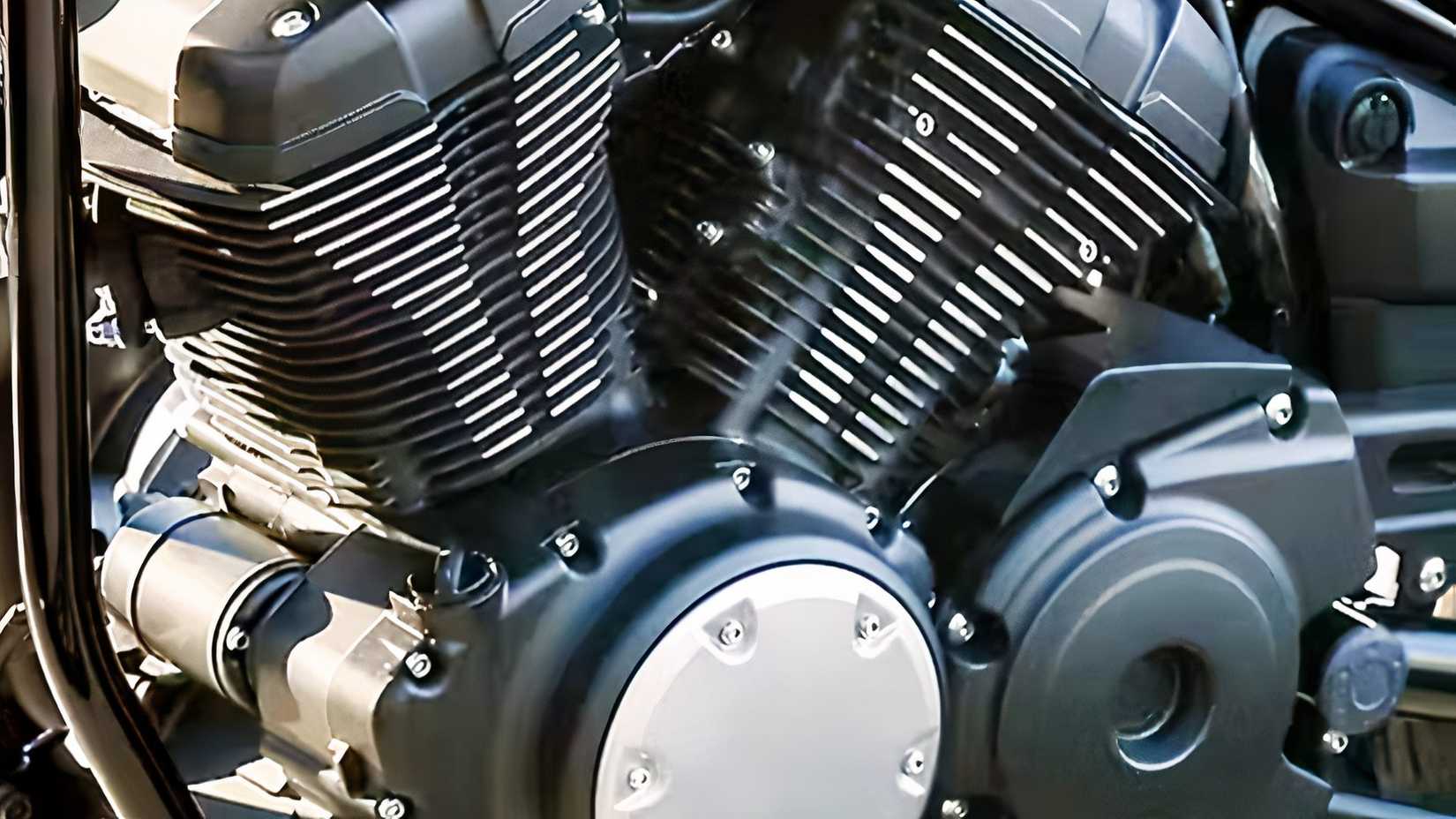
The engine is specifically tuned for strong low and mid-range grunt rather than big peak output that won’t come in handy in city traffic. Despite being an air-cooled unit, which would lead one to believe that it was probably devoid of any modernity, Yamaha incorporated technology like a painted-roof combustion chamber and ceramic-composite plated cylinders, ensuring that both the styling and engineering remained timeless even a decade later, with Honda loyalists still praising it.
Traditional bobber stance and R-spec-specific hardware
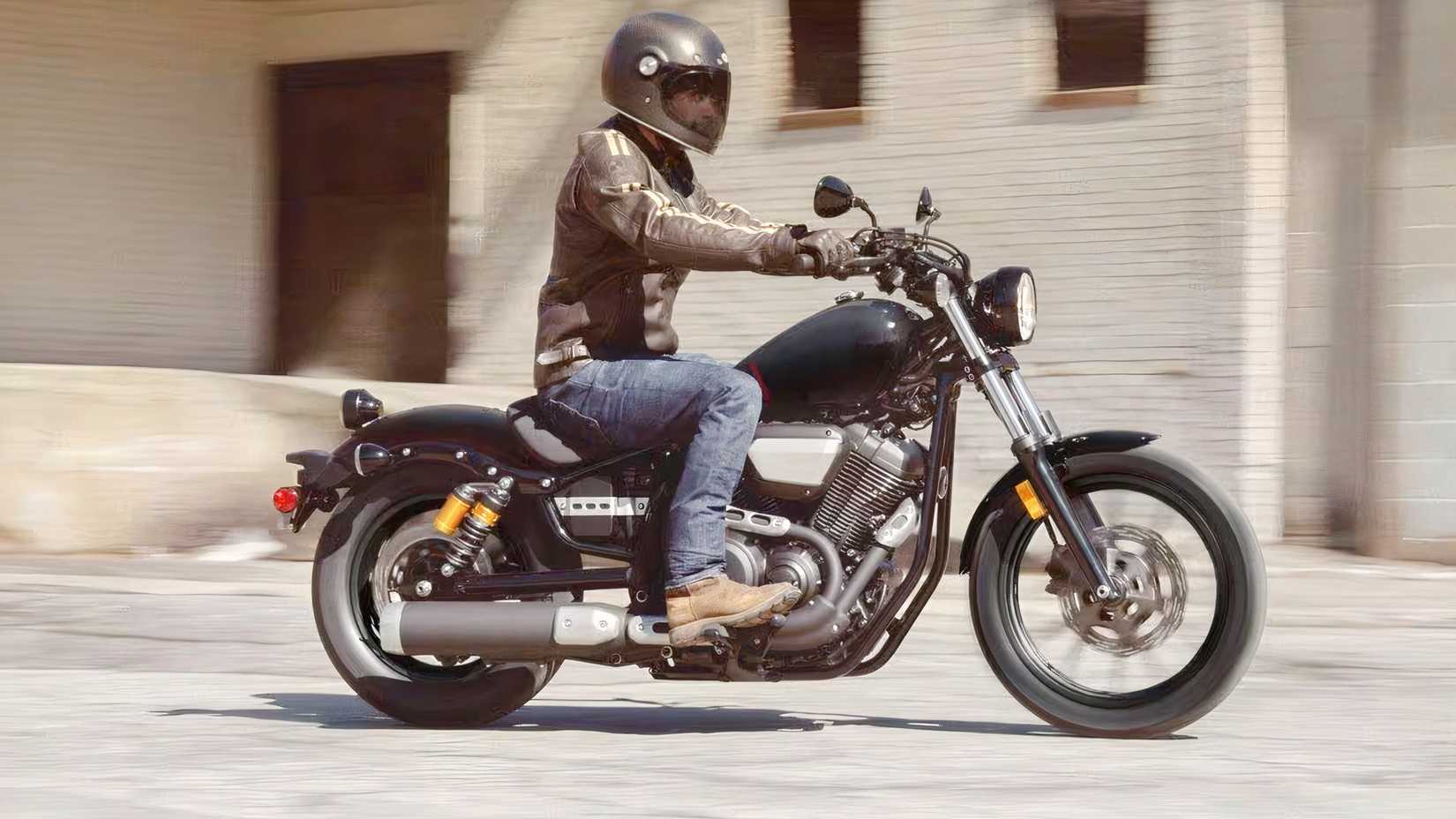
Just as traditional bobbers were more functional and looks were merely a consequence, everything about the Bolt R-Spec’s aesthetic, too, is deliberately styled rather than merely decorative. The 3.4-gallon teardrop tank uses a flangeless design that hides seam lines that most manufacturers leave open. That’s the kind of attention to detail you get from Japanese craftsmen, and it goes beyond just the tank. Front and rear steel fenders replace the plastic fenders that cheaper cruisers usually come with. A solo saddle sits beneath the 150mm rear tyre, and the entire package rides on 12-spoke cast alloy wheels.
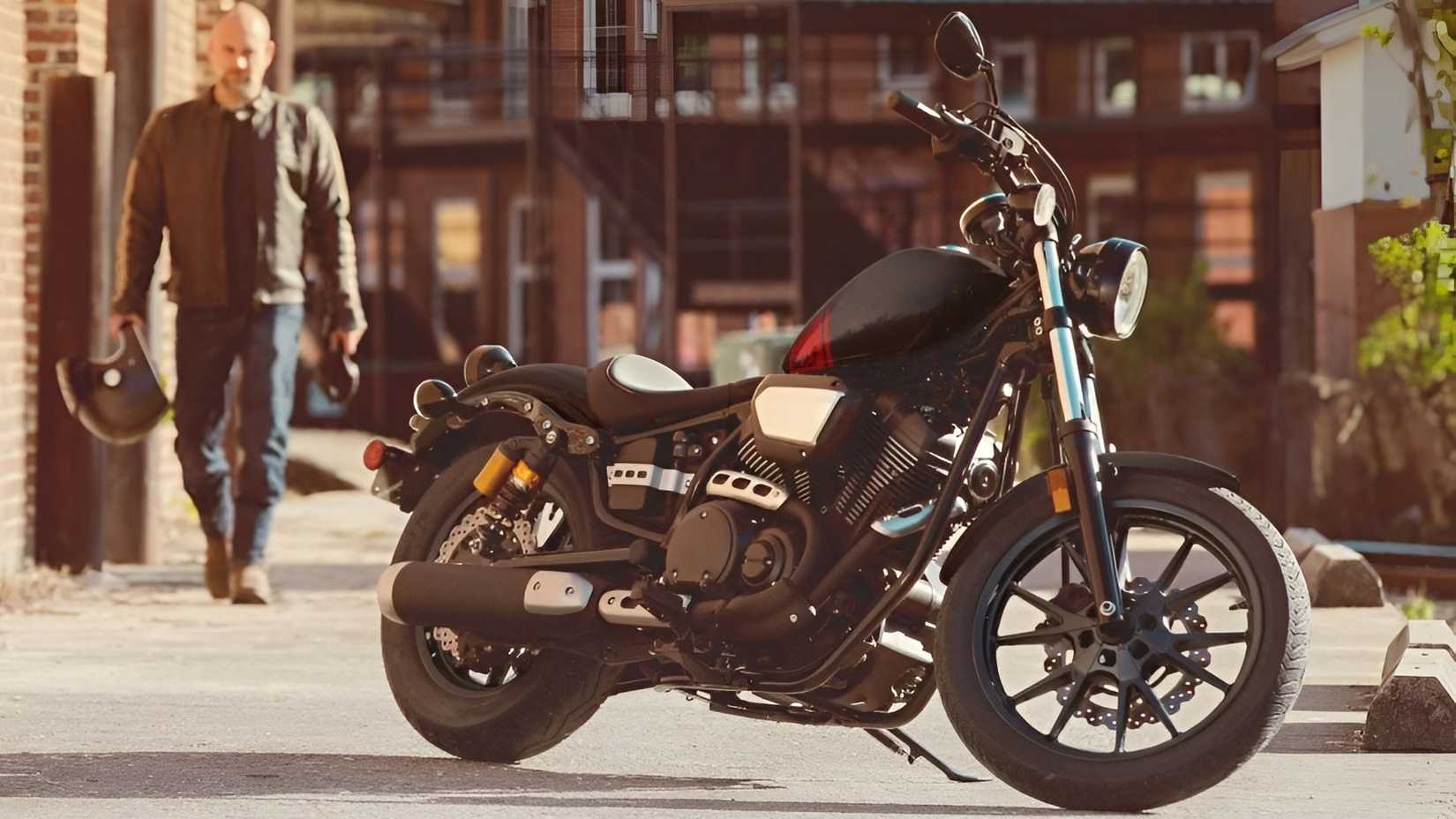
The R-Spec trim offers thoughtful components rather than the cheap budget options associated with sub-10k cruisers. Twin rear shocks run piggyback-style gas reservoirs, matched to 41mm front forks with 4.7 inches of travel, for more consistent damping over rough pavement. Braking comes from 298mm wave rotors at both front and rear for better heat dissipation and lighter weight, with the front caliper mounted on a floating bracket to resist heat distortion under hard stops. These are far from top-shelf, race-inspired components, but they make small differences in daily performance and usability that are more appropriate for the Bolt’s use case.
Why the air-cooled V-twin supports the reliability claim
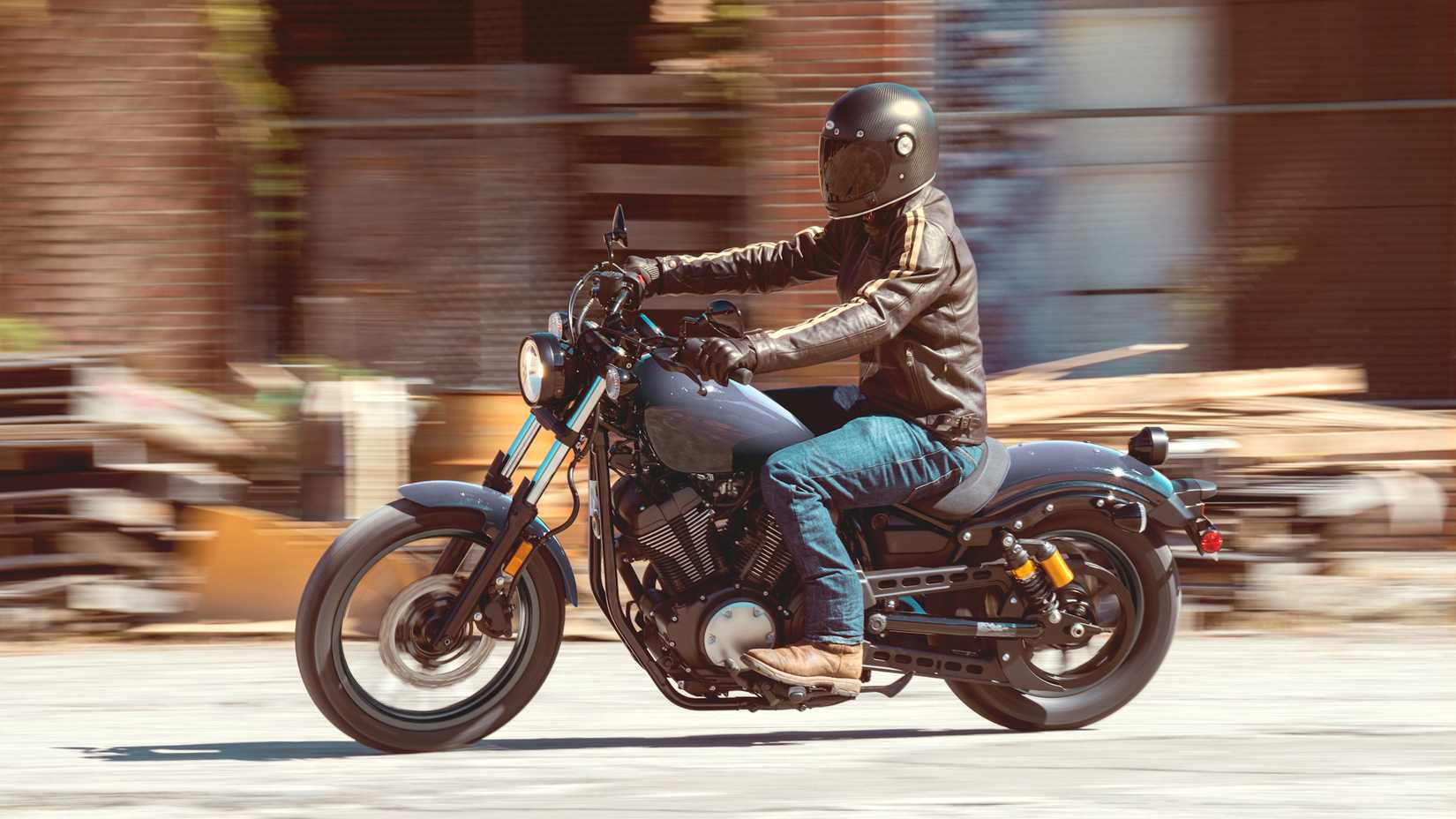
An air-cooled engine seems like a step backward, but it simplifies the reliability equation by eliminating the entire cooling system to maintain. This is counterintuitive, although a look at the Bolt R-Spec specs reveals a lower compression ratio of 9:1. Roller-type rocker arms riding on needle bearings and forged aluminum pistons serve to cut friction and heat, and this also translates into a lean engine. There’s a certain old-world charm about this analog V-twin that has some of the mechanical character over its Japanese middleweight counterparts that makes the Bolt as attractive as a bobber.
Belt final drive and low maintenance ownership
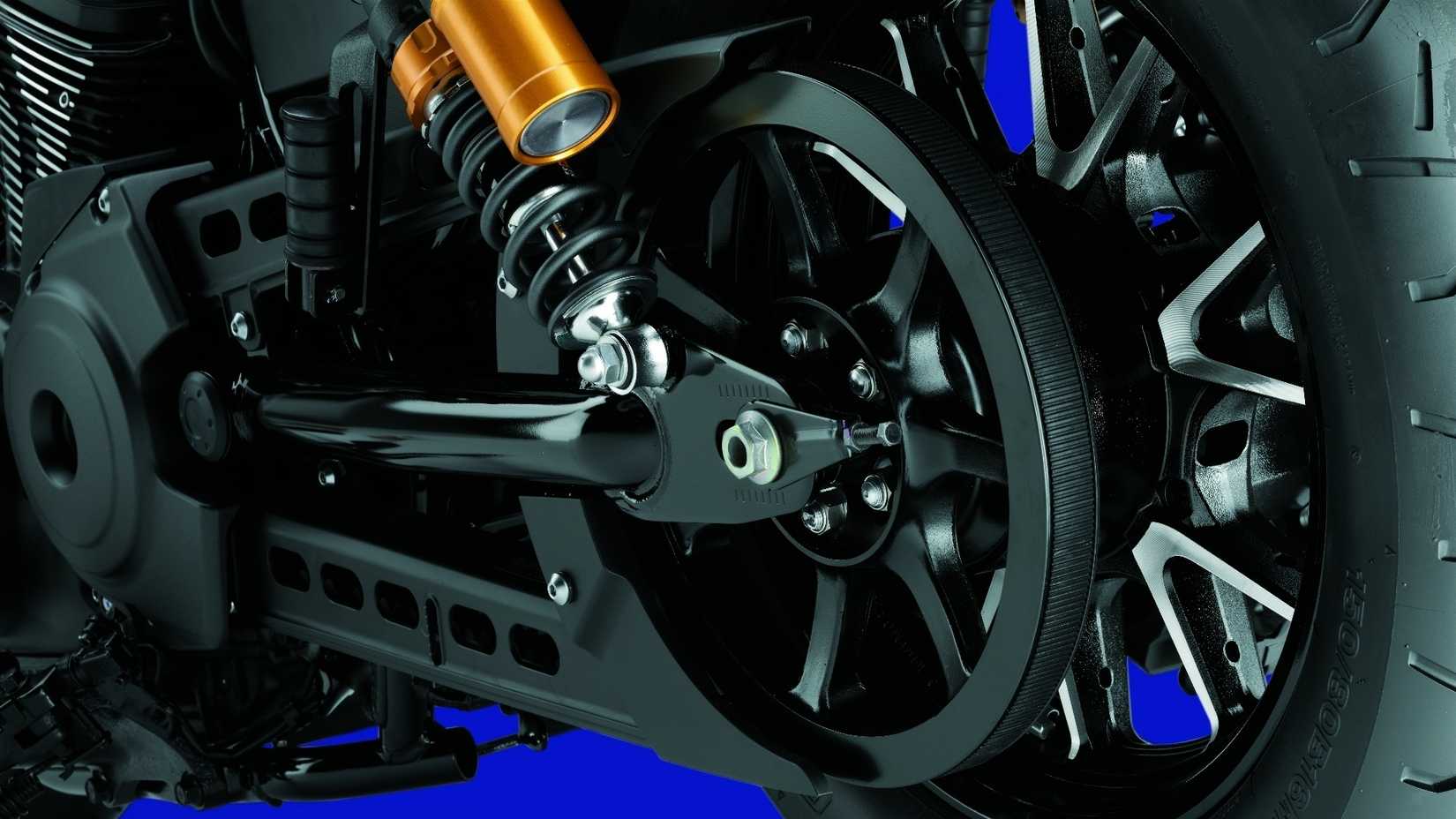
The final drive runs via a belt rather than a chain, a detail that plays directly into both the bobber’s clean rear end and easier maintenance. At just 21mm wide, the belt itself is virtually invisible against the wheel, and its carbon-fibre core is built for strength and durability over long distances. That means no chains to lube every few hundred miles, no links slipping out of alignment, and no grease spills on the rear tire. This is the same low-maintenance logic on which shaft-drive ADVs rely, minus the added weight and complexity.
Documented long-term track record
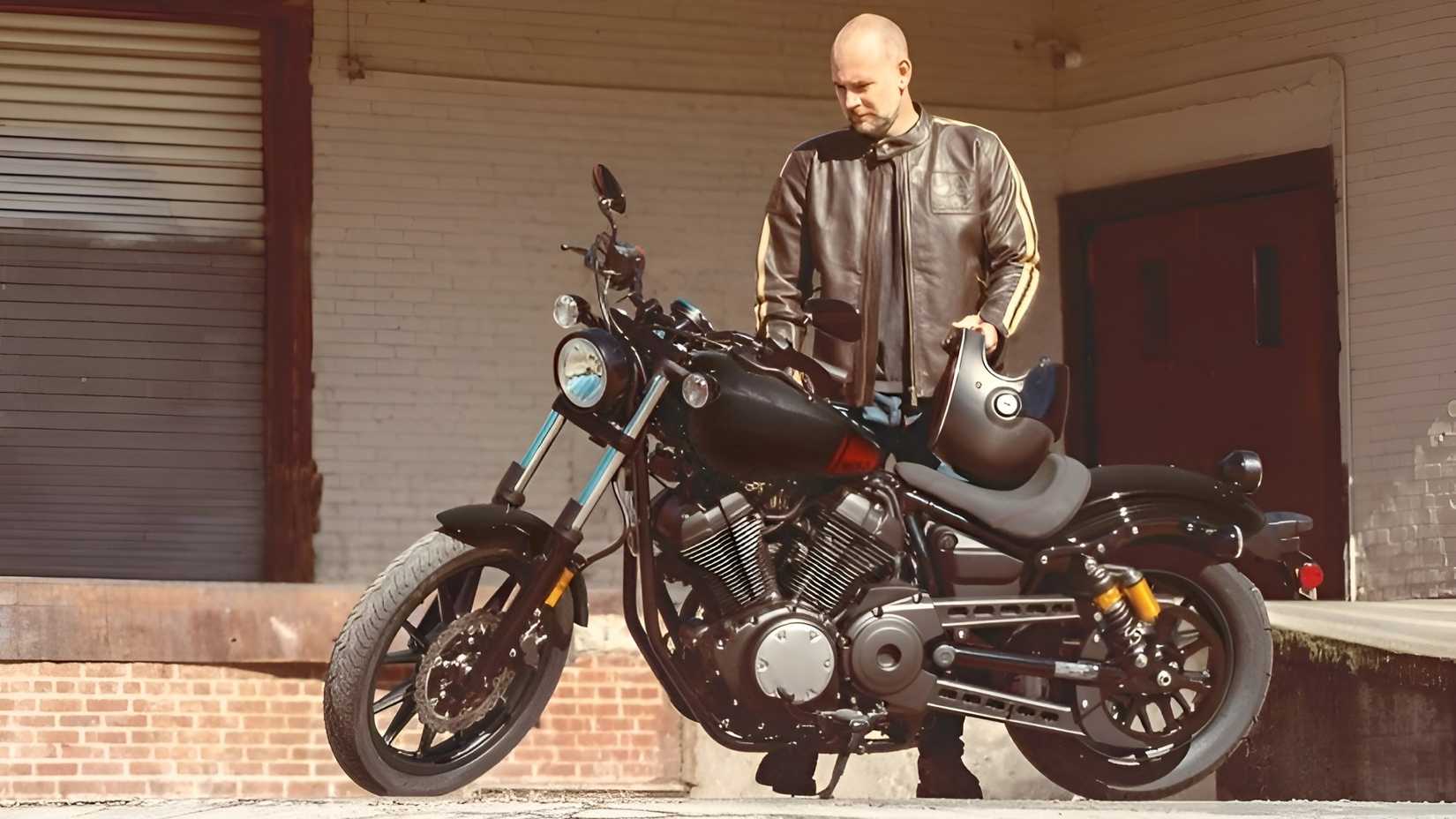
The Bolt R-Spec’s 942 cc engine shares its architecture with Yamaha’s Star Cruiser lineup, a family of air-cooled V-twins built for decades around the same low-stress philosophy. With mild compression, generous displacement for power output and a state of tune that never asks the engine to work close to its limits, the Bolt R-Spec is built for years of trouble-free riding.
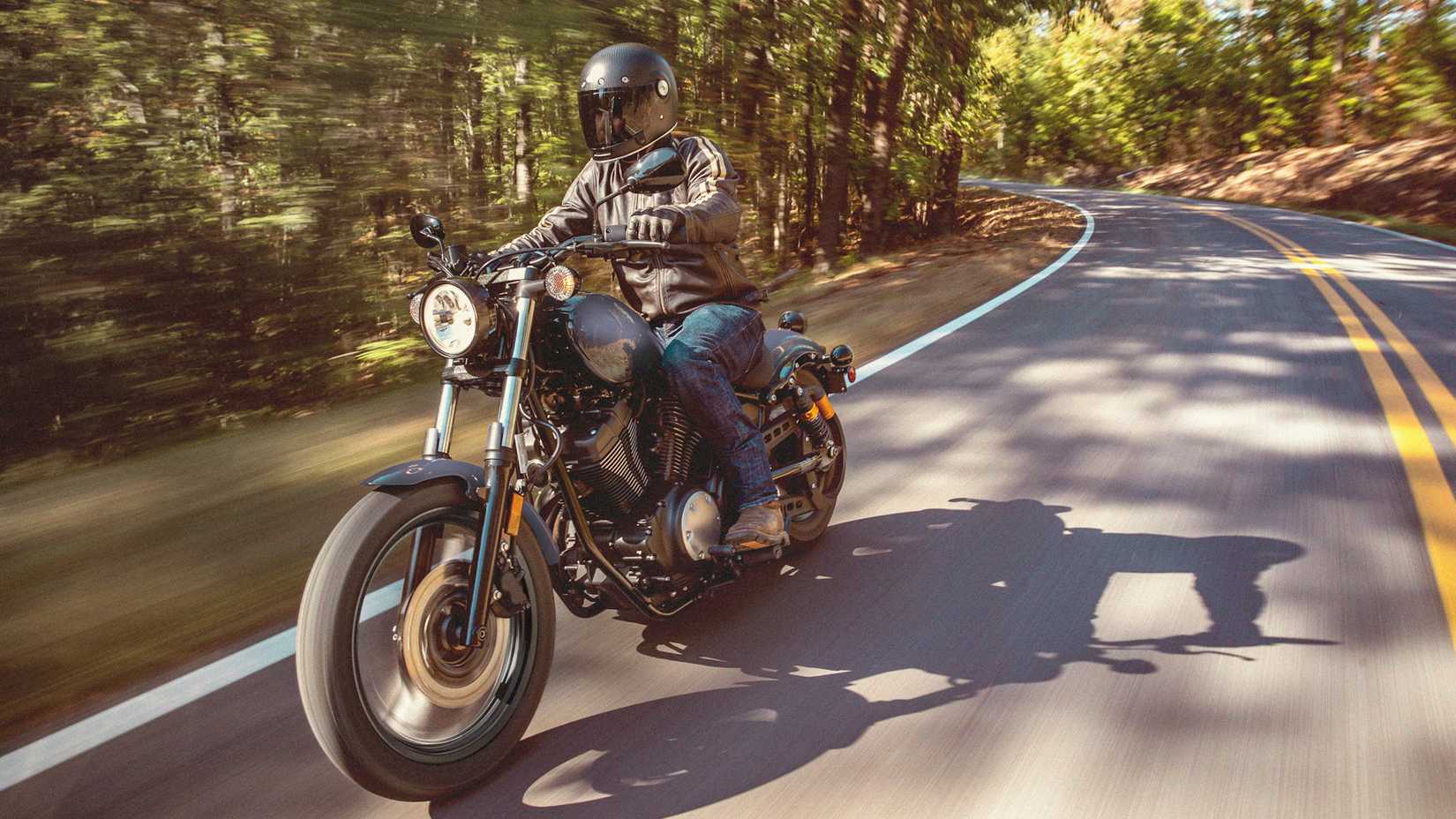
Yamaha backs the Bolt R-Spec with a one-year limited factory warranty, which is modest compared to some rivals, but the big reliability factor is mechanical. Low-stress components and a proven platform tend to age better than an engine built merely to offer high horsepower figures. Despite the Sportster and Iron 883 having a great appeal to American motorcycling, reliability, longevity and easy ownership are often what potential cruiser buyers subconsciously seek when appearance outweighs peace of mind.
Yamaha Bolt R-Spec vs today’s rivals
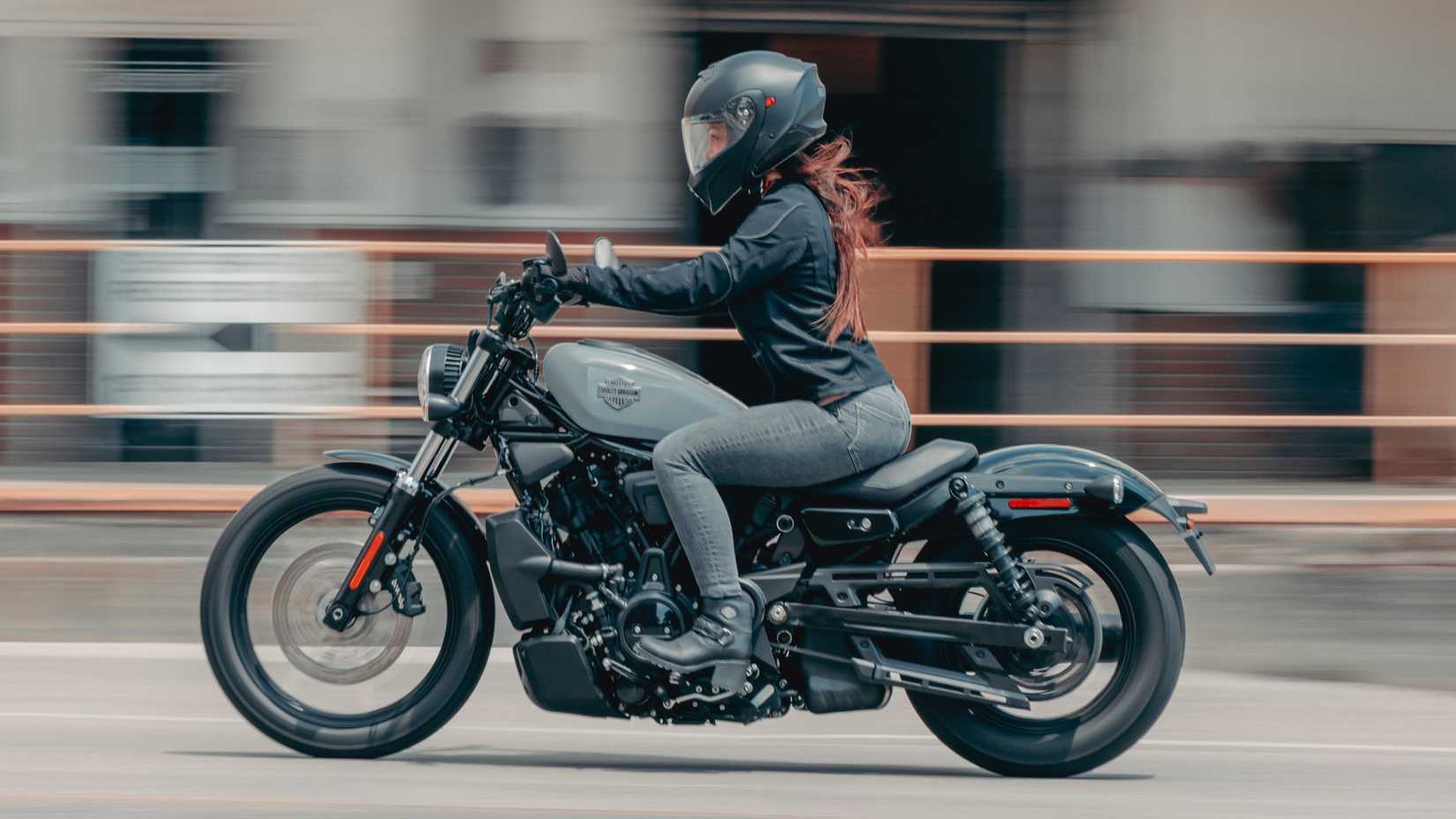
The Bolt R-Spec now competes with the Sportster in spirit, since the latter has been discontinued, while still commanding a fairly high price for it in the used market. The Harley-Davidson Nightster is a more direct answer to the Bolt R-Spec, and at $9,999 it sits barely over $1,000. Its liquid-cooled Revolution Max 975T produces 91 horsepower and 72 lb-ft of torque, numbers the air-cooled Yamaha doesn’t match. But the Bolt R-Spec scores points for being more simple, arguably more reliable and just as conventionally attractive as the Bobber.
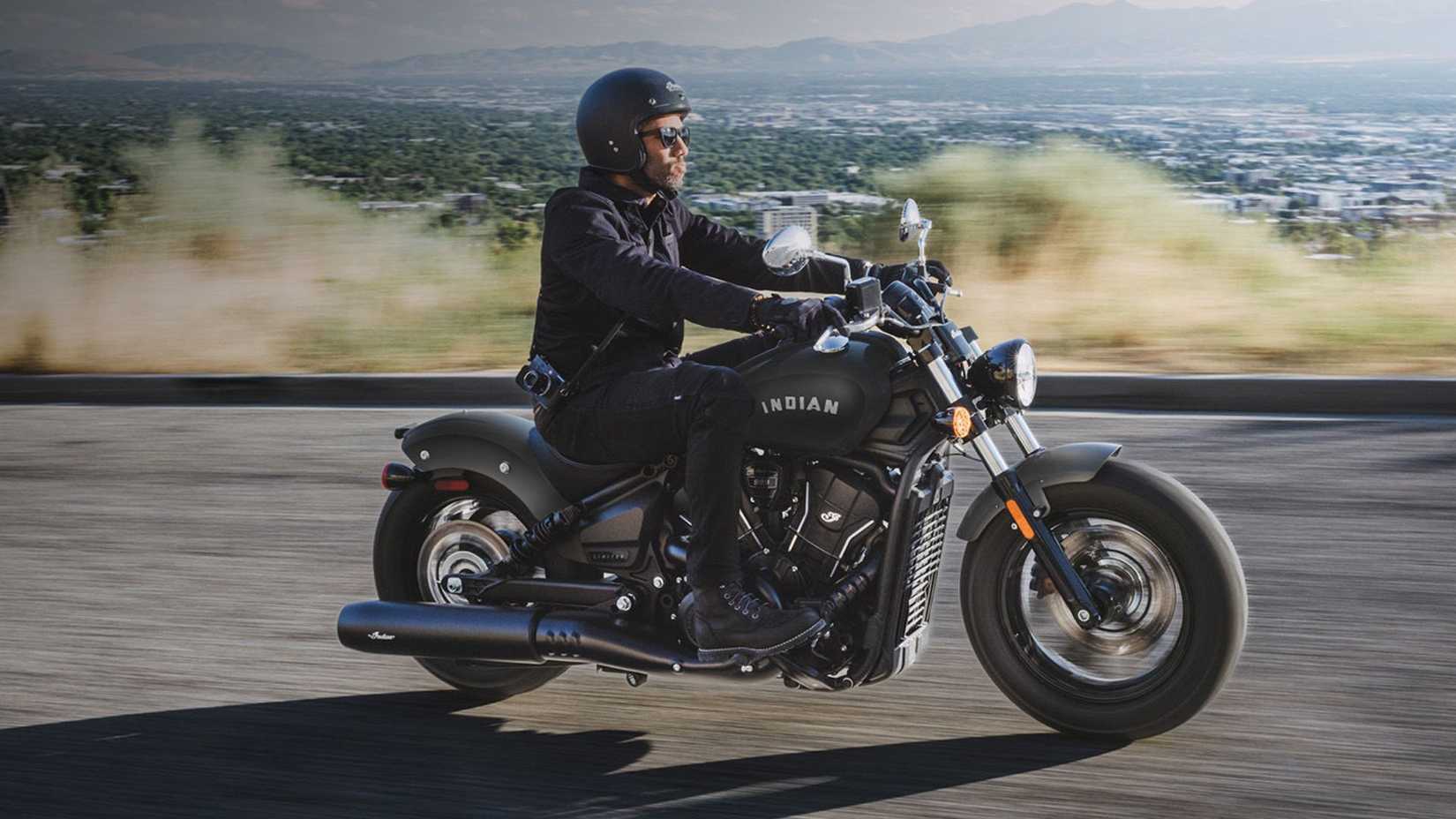
Like the Nightster, the Indian Scout Sixty Bobber also starts at a price of $9,999 with its own liquid-cooled V-twin making 85 horsepower and 65 lb-ft, a five-speed gearbox and a chopped-fender look. It splits the difference between the sheer power of the Nightster and the mechanical simplicity of the Bolt.
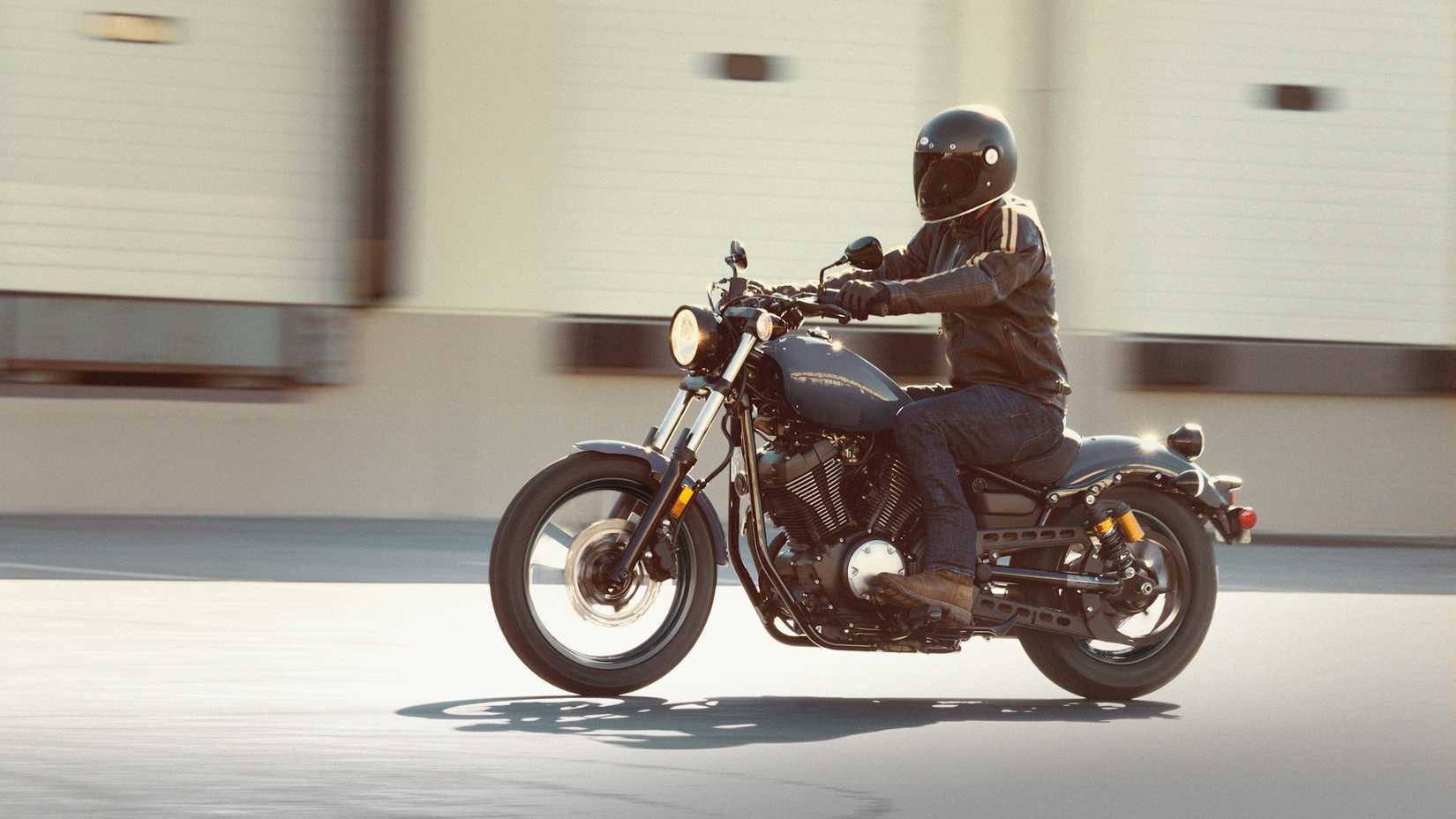
Both these motorcycles have a more storied badge on the tank. What the Bolt R-Spec offers instead is the same low-slung stance, the thump of a V-twin, decades of star-lineage mileage behind it, all for about a thousand dollars less than any rival and a maintenance bill that remains unremarkable long after the new bike smell has subsided.
Source: Yamaha Motorsports