
In Short
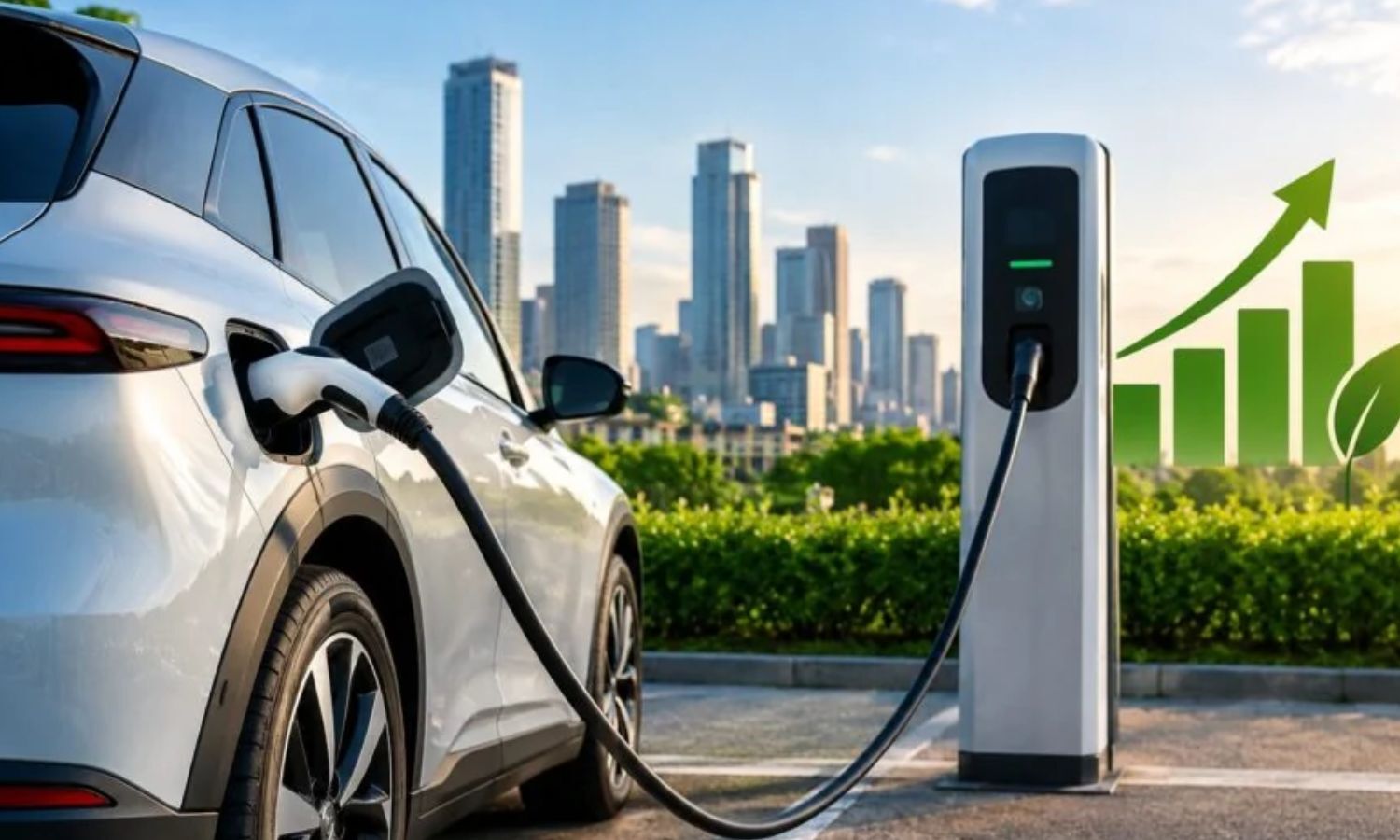
As per study conducted by the Harvard Gazette, projects that nearing 38% of the new vehicle sales would be electric in 2030, it would be record share.
As per study conducted by the Harvard Gazette, projects that nearing 38% of the new vehicle sales would be electric in 2030, it would be record share. The shift matters beyond the auto market. Car insurance terms, premiums and claim process will change as more electric vehicles reach the road.
Even third party car insurance, which depends on the liability rather than vehicle type, will face new questions as the fleet changes.What study reveals
The projection suggests that electric vehicles are moving from a niche choice to a mainstream one. Falling battery costs, wider charging networks and government incentives all support this trend. Many car makers have also announced that new electric models across price ranges, which gives buyers more choice than before.
Insurers watch these trends closely. Claim patterns for electric cars differ from those for petrol and diesel cars and insurers need time and data to price the risk correctly.
The battery pack is the most expensive part of an electric vehicle, and it often accounts for a large share of the car’s price. It sits under the floor of the car, so an impact from a road hazard or high-speed bump can damage it.
Repair of a damaged battery can be difficult. In some cases, the insurer may treat the loss as a total loss, even after a moderate accident. This is one reason owners should check how the policy treats battery damage before they buy.
Mary Sagaya
Electric VehiclesEV MarketCar InsuranceEV SalesAutomobile Industry
Next Story


1 Comment