Sociocultural dynamics, traditional masculinity norms, and stigma significantly influence pre-exposure prophylaxis engagement among young men who use alcohol in rural South Africa, according to a qualitative trial analysis. The qualitative investigation examined the behavioral, social, and cultural barriers that govern decisions to initiate and persist with oral HIV prevention regimens among young men in rural KwaZulu-Natal, who face substantial infection risks but remain underrepresented in biomedical prevention initiatives.
Researchers conducted 30 semi-structured individual interviews with sexually active men aged 18 to 34 years who reported alcohol consumption and had participated in a broader sexual health trial offering oral pre-exposure prophylaxis. The interviewed cohort had a median age of 27 years, with an interquartile range of 24 to 32 years, and demonstrated a median AUDIT-C alcohol screening score of 7, with an interquartile range spanning 5 to 9. Participants were purposively selected across distinct engagement pathways, including individuals who declined initiation, those who discontinued therapy, and those who persisted on treatment for at least six months.
The thematic analysis identified four primary domains shaping prevention engagement. Cultural identity and masculine expectations fostered beliefs that healthy men should avoid medication, leading many to view traditional herbal treatments and cleansing rituals as more trustworthy than biomedical pills. Concurrently, pervasive stigma and surveillance within social drinking networks generated acute privacy concerns, as the physical resemblance of prophylactic pills to antiretroviral treatment triggered gossip, joking, and fears of being perceived as living with HIV.
Risk perception dynamics also contributed to disengagement,
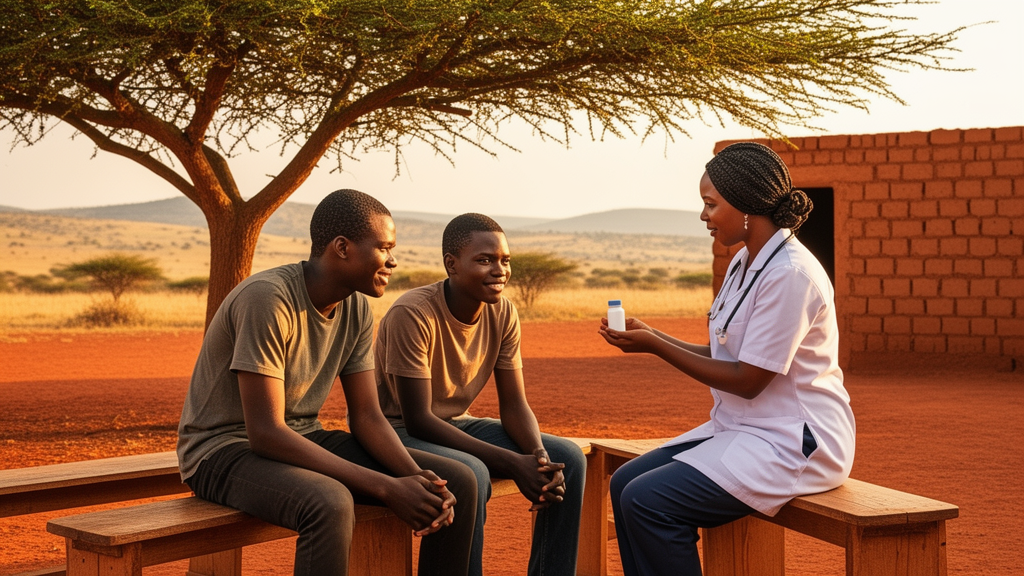
Risk perception dynamics also contributed to disengagement, with some participants avoiding HIV testing entirely due to profound fears of receiving a positive diagnosis, while others discounted personal vulnerability based on partner trust or perceived control during sexual encounters. Conversely, a clear comprehension of pre-exposure prophylaxis as a dedicated preventive intervention, aligned with personal values and supported through youth-friendly mobile clinic delivery platforms, enabled some men to maintain adherence despite pervasive community stigma.
Subject of Research: HIV pre-exposure prophylaxis engagement among young men who use alcohol
Article Title: But if it’s a man, what is a man going to prevent? Young men’s perspectives on pre-exposure prophylaxis use and persistence from a rural South African HIV prevention trial
Article References: Castle, A. C., Nzimande, L., Ncube, T., Nkosi, B., Mannstadt, E., Dube, S., Psaros, C., Chikovore, J., Shahmanesh, M., & Siedner, M. J. (2026). But if it’s a man, what is a man going to prevent? Young men’s perspectives on pre-exposure prophylaxis use and persistence from a rural South African HIV prevention trial. PLOS Global Public Health, 6(11), e0007623. https://doi.org/10.1371/journal.pgph.0007623
DOI:10.1371/journal.pgph.0007623
Keywords: HIV prevention, pre-exposure prophylaxis, PrEP, young men, South Africa, KwaZulu-Natal, alcohol use, masculinity norms, stigma, antiretroviral therapy, qualitative research, semi-structured interviews, sexual health, biomedical prevention, mobile clinics
News. Sociocultural Factors Shape PrEP Engagement Among Young Rural South African Men. Scienmag