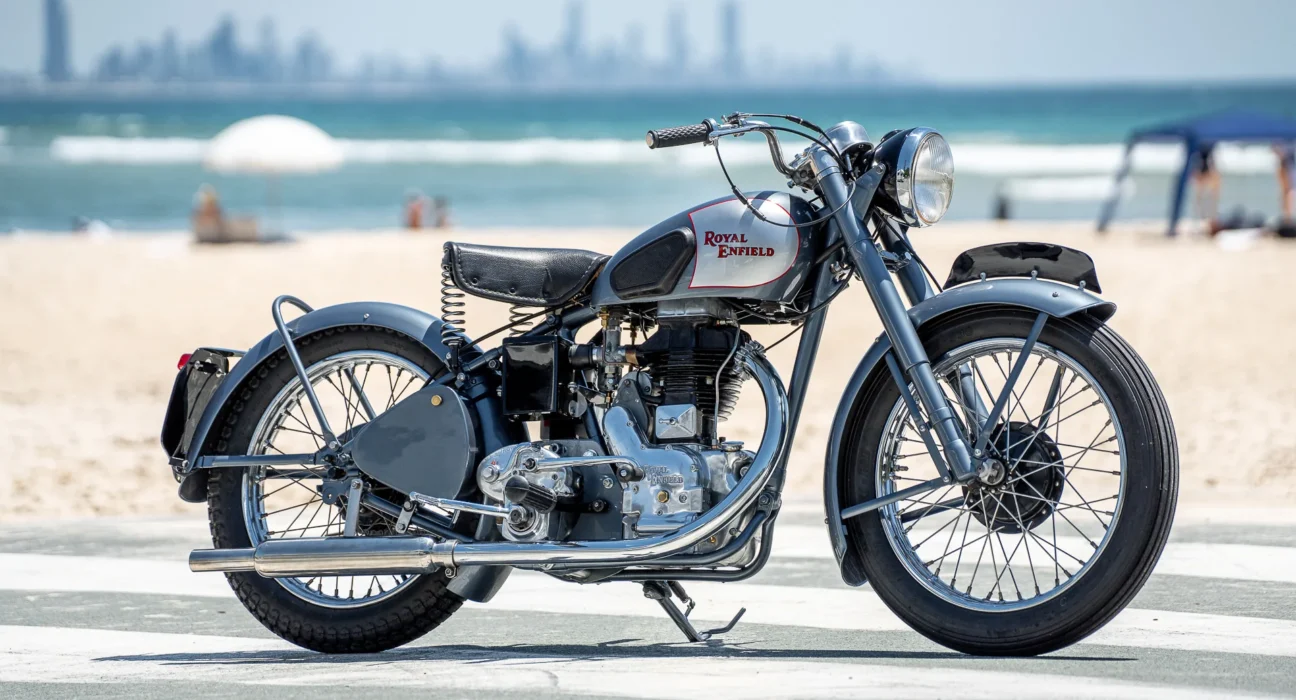
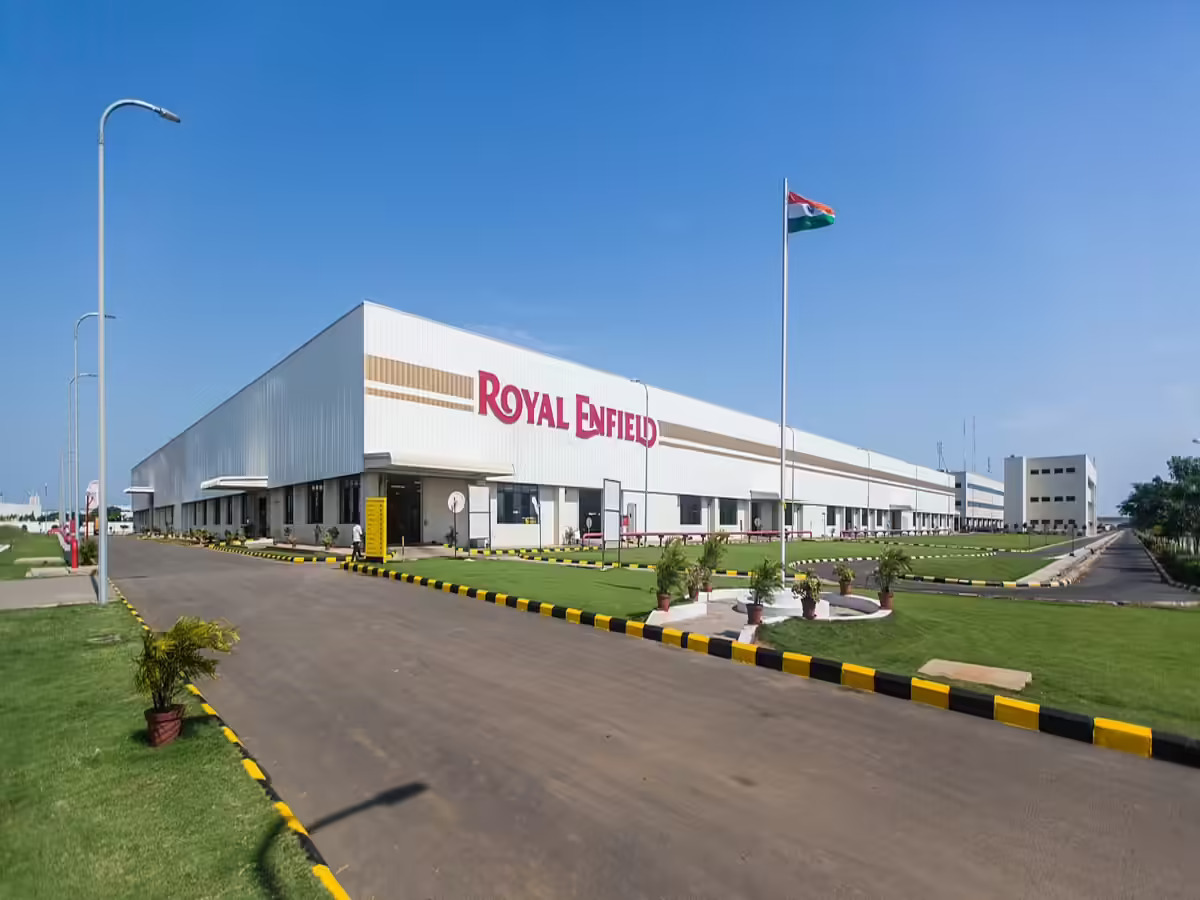
There is a factory in Chennai, India, which produces about one million motorcycles per year. The bikes from that line trace their DNA back 124 years to a small engineering factory in Redditch, England, where two businessmen had recently purchased a needle manufacturer and had no particular plans to remain in the needle business.
That origin story, from needle to motorcycle, from England to India, from near-bankruptcy to global growth, is one of the unique stories in two-wheeler history. And the fact that Royal Enfield has been manufacturing motorcycles without interruption since 1901 gives it something that no other brand can honestly claim: the oldest motorcycle manufacturer still in continuous production.
From Needles to ‘Made Like a Gun’

Albert Eddy and Robert Walker Smith acquired George Townsend & Company in 1891. Townsend had spent four decades making sewing needles in Redditch, but the new owners had their eye on bicycles. The area was already a center of precision manufacturing, and bicycling was the transportation craze of the time. The step that changed the company’s trajectory came in 1892, when Eddy and Smith received a contract to supply precision parts to the Royal Small Arms Factory in Enfield, Middlesex.


To mark the occasion, they named their bicycle line Enfield, added the word Royal the following year and introduced one of the most recognized slogans in motorcycling: Made Like a Gun. This was not just marketing copy. The association with a government arms factory was a genuine statement of manufacturing standards, and the company put considerable effort into turning the Maxim machine gun into a promotional prop.
By 1899 he had a powered vehicle on the road, a four-wheel quadricycle running a 2.25 hp single-cylinder engine. It took part in the inaugural Royal Automobile Club 1000-mile trial around Britain in 1900. A year later, the first true Royal Enfield motorcycle appeared.
The first motorcycle, 1901

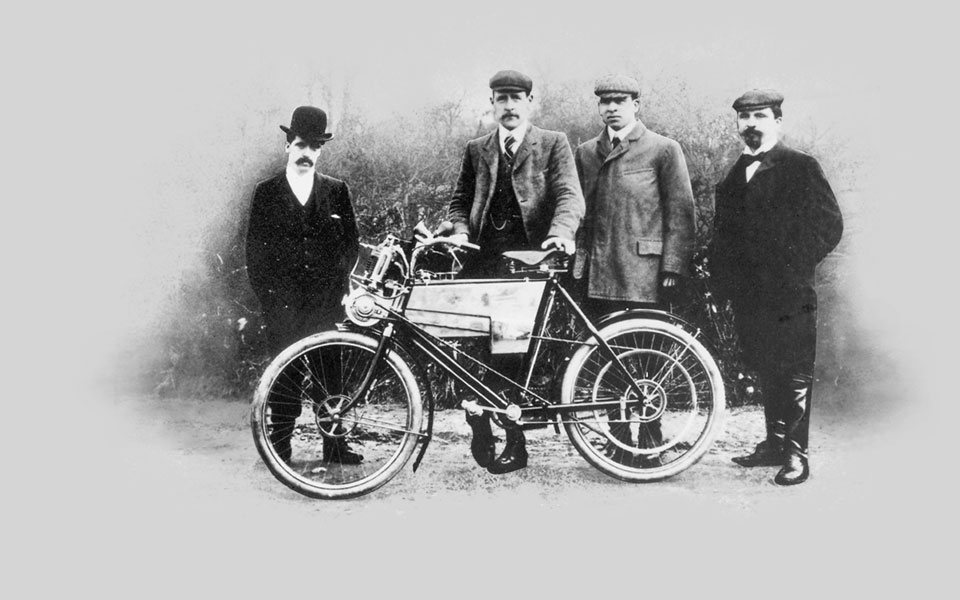
Chief designer Bob Walker Smith and French automotive engineer Jules Gobiet built the first machine around a 242cc single-cylinder engine mounted above the front wheel and ahead of the handlebar. A toothed leather drive belt took the modest 1.5bhp to the rear wheel. Top speed was around 19mph at 1,500rpm, and the thing returned around 94mpg. That last figure won’t seem out of place to the modern commuter, which says something about what internal combustion was up against at the turn of the century.
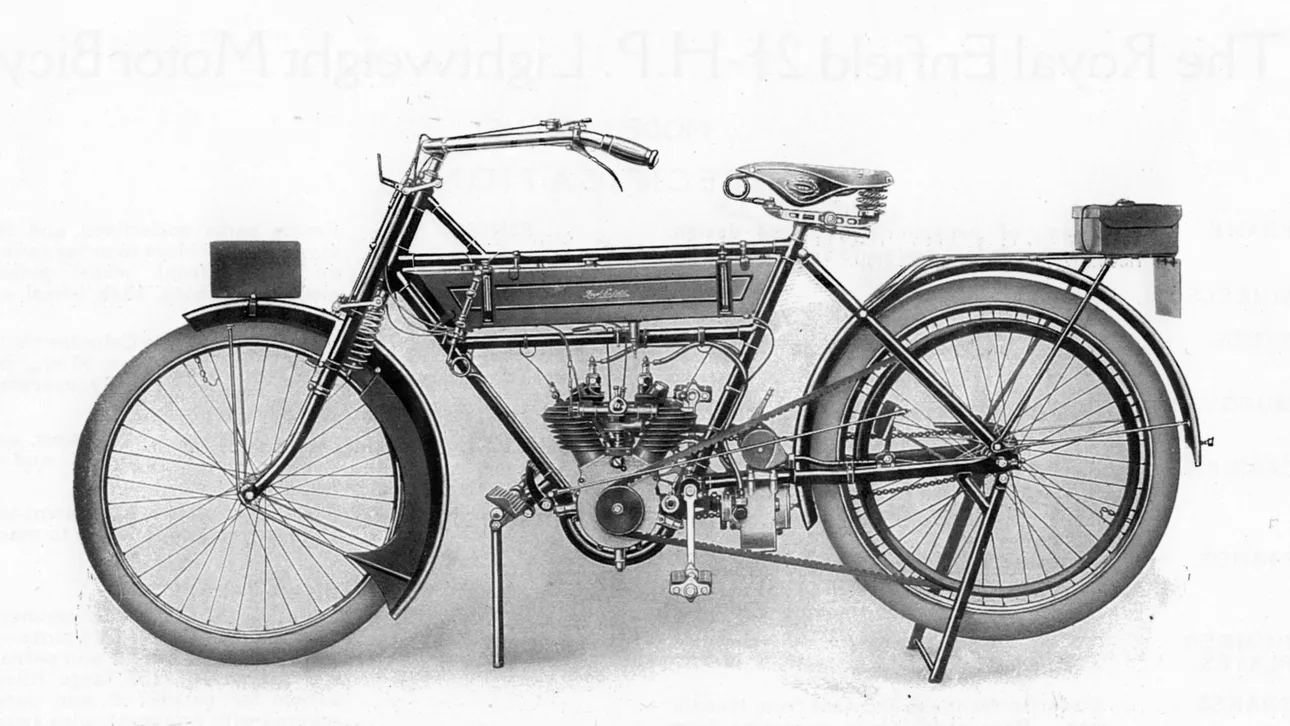
Over the next two decades, Royal Enfield continued to expand. V-twin models arrived, followed by two-stroke machines, and the company created a step-through model for female riders. The 297 cc lightweight V-twin powered John O’Groats to Land’s End run in 1910. In the early 1920s, Royal Enfield adopted a foot-operated gearchange and a fuel tank under the top rail of the chassis, both of which were considered reasonable innovations at the time.
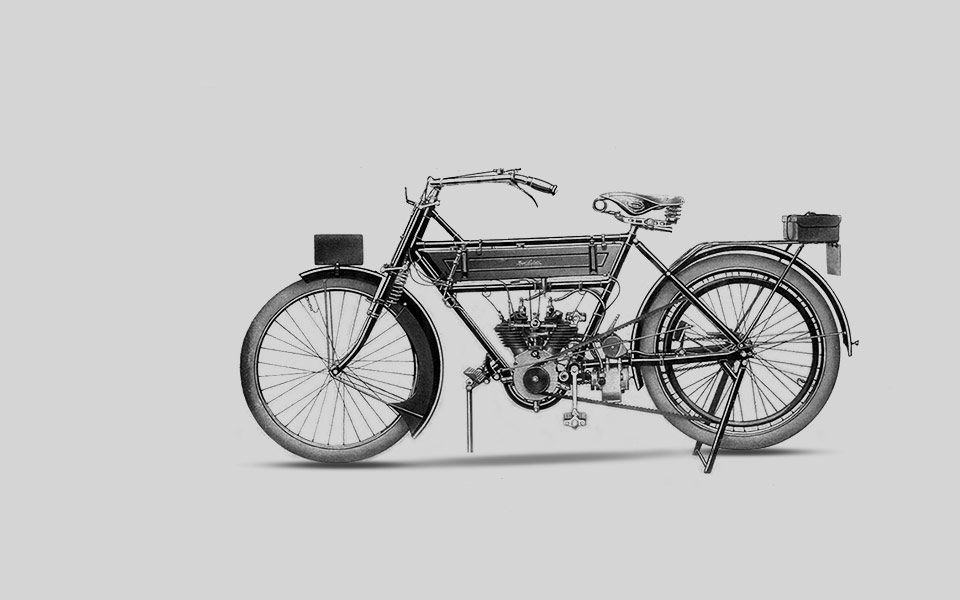
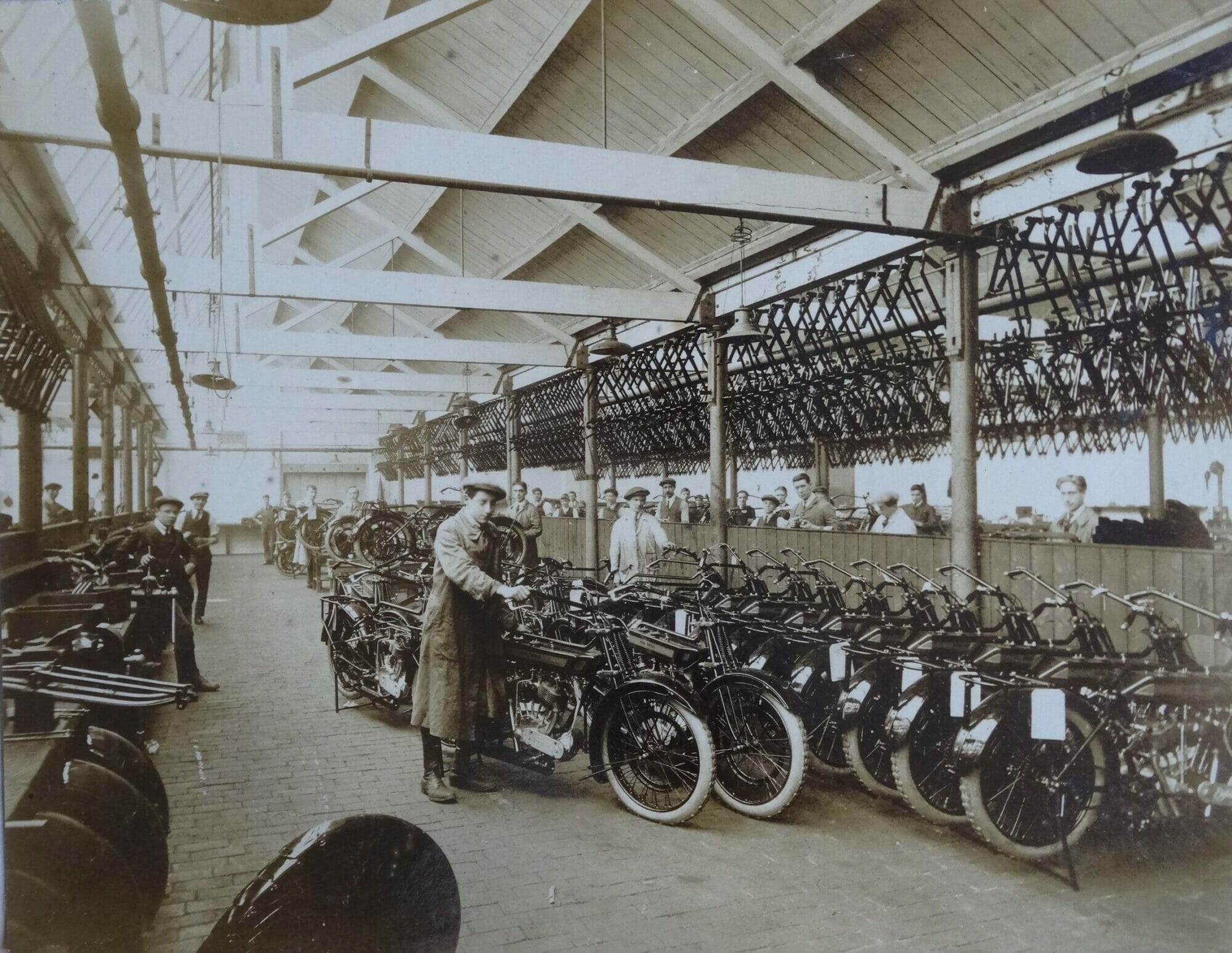
When the First World War came, the Redditch factory supplied motorcycles to the British War Office as well as the Imperial Russian Government, with a sidecar version capable of installing both Vickers and Maxim machine guns. By this stage the Redditch site covered 18 acres and employed enough staff to run its own fire brigade, which proved useful in 1925 when a major fire broke out in the main building.
pill and flying flea

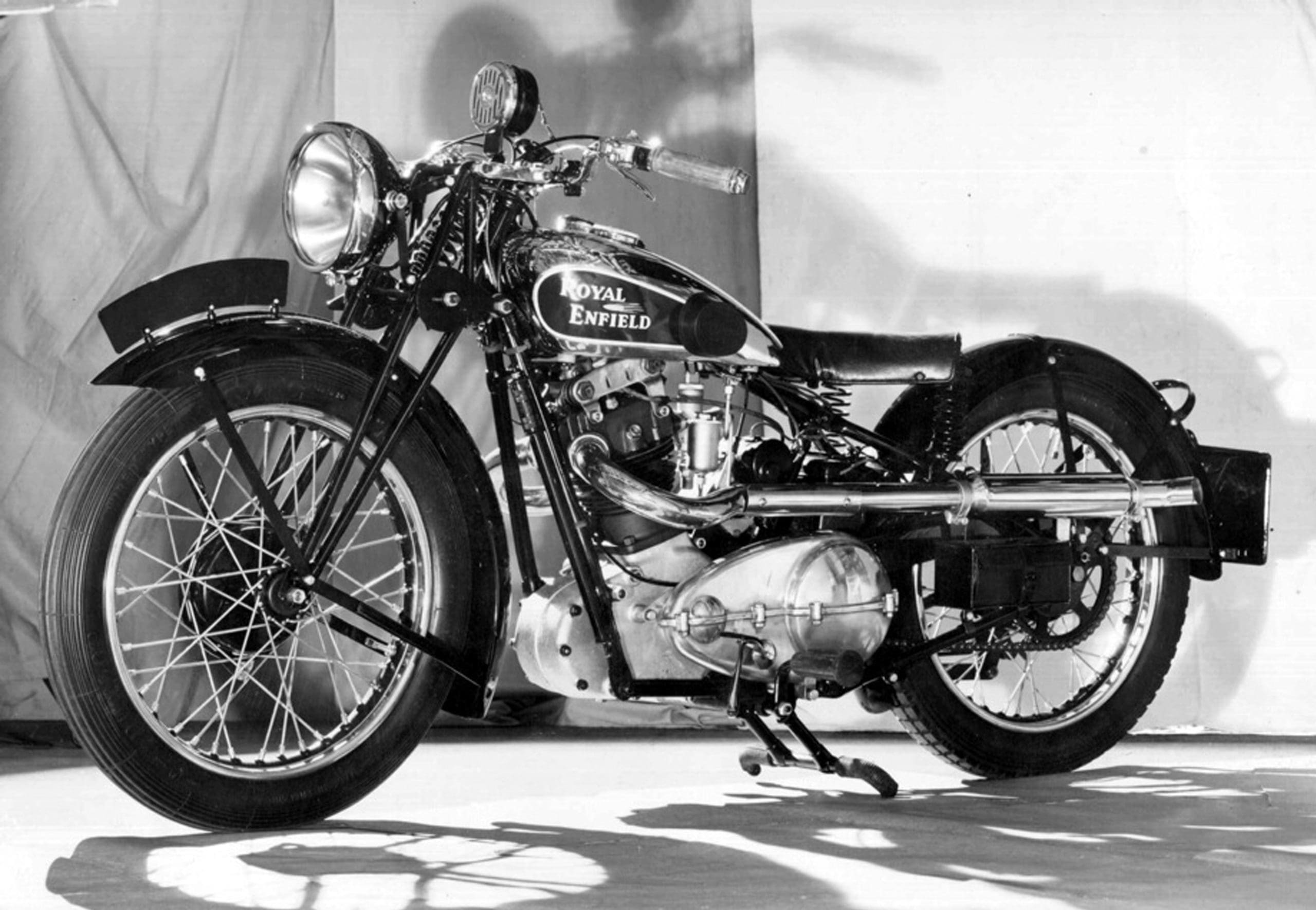
In 1932, Royal Enfield showed something at the Olympia Motorcycle Show in London that surpassed almost everything else in the industry. The Bullet was launched that year in 250, 350 and 500cc versions. It has continued in production ever since, a fact that earns it the title of longest-running motorcycle design in history. World War II brought a different kind of brief. The British Parachute Regiment needed light motorcycles that could be flown into battle alongside airborne troops. Early testing showed that the first attempts bent and broke under parachute landing, so reinforced drop cages were designed and eventually the Flying Flea was ready: a 126 cc two-stroke, deliberately quiet, capable of running on several types of fuel.
About 8,000 were built. In practice they were delivered four at a time from the rear of the glider rather than by individual parachute, but the principle persisted. After the war, the surviving Flying Fleas were repainted and sold to the public, while the Bullet received a swingarm rear suspension, a first for any production motorcycle, and which the rest of the industry immediately adopted across the board.
indian lifeline

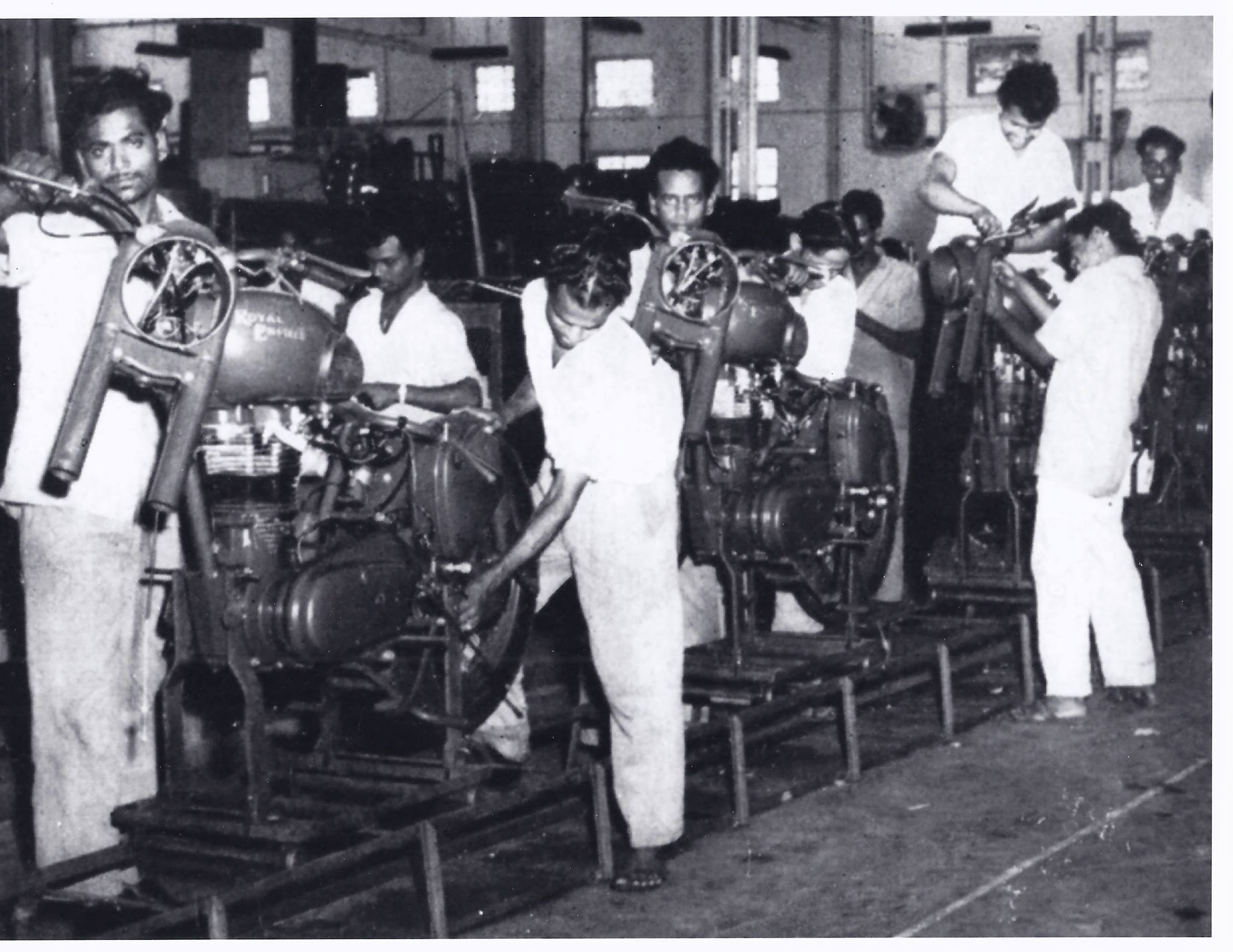
In the late 1940s, when British factories were trying to rebuild civilian markets, India was importing large quantities of bicycles and motorcycles. KR Sundaram Iyer and his nephew K Iswaran Iyer had built a significant import business in Madras, and when Madras Motors placed an order for 500 Bullets on behalf of the Indian Army in 1952, Royal Enfield had found its most important customer.
Three years later, a formal partnership between Madras Motors and Royal Enfield created Enfield India. The tooling was sent from Redditch to Madras along with thousands of completely knocked down kits. By the early 1960s, Enfield India was manufacturing every component in-house.
In Britain, the Continental GT debuted in 1964 and became the defining café racer of its era: clip-on bars, tall tank, humped seat unit, a shape that would have looked right out of an Ace Café and still does today. But the timing of its arrival was not good. Honda and other Japanese manufacturers had entered the European market with cheaper, more reliable machines and Royal Enfield, like almost every other British manufacturer, was out of place. By 1970, all British production had ceased. Then a reversal happened which no one had predicted. In 1977, Enfield India began exporting 350cc Bullets to the United Kingdom.
Near death, and change

The Indian operation continued manufacturing motorcycles until the 1980s and produced the world’s first mass-produced diesel motorcycle, the Taurus, in 1983. It returned 200mpg, but vibrated badly, emitted copious amounts of smoke and died down at 40mph. This was not a long term product. More importantly, the advent of Japanese manufacturers in the Indian market in the late 1980s and 1990s gave tough competition to Royal Enfield. The Bullet had not changed in decades. By 2000, sales had fallen to about 2,000 units per month against a production capacity of 6,000, and a board meeting that year recommended closing the brand or selling it outright.
What happened instead was to 26-year-old Siddharth Lal, from the Eicher family, who acquired Royal Enfield in 1994. His own description of the situation was unambiguous: “The board agreed to give me a chance. This was not because of its confidence in me, but because the business was going so badly that it could hardly get any worse.”
Lal’s intervention was not attractive. He closed down 13 of the 15 business lines of the Eicher Group, concentrated everything on Royal Enfield and the truck division, and then focused on the motorcycles themselves. The old cast iron engine, which was notorious for leaking, was replaced with an aluminum unit which retained the distinctive single-cylinder thump at about 70% of its original amplitude. The gear selection moved from right to left, which upset traditionalists. Quality improved. The Classic 350 was launched in 2009 and rightly captured the mood of a market that was tired of anonymous commuter bikes. Sales increased from 50,000 units in 2010 to approximately 600,000 by 2014. In 2015, Royal Enfield overtook Harley-Davidson on a global basis.
where does it stand now

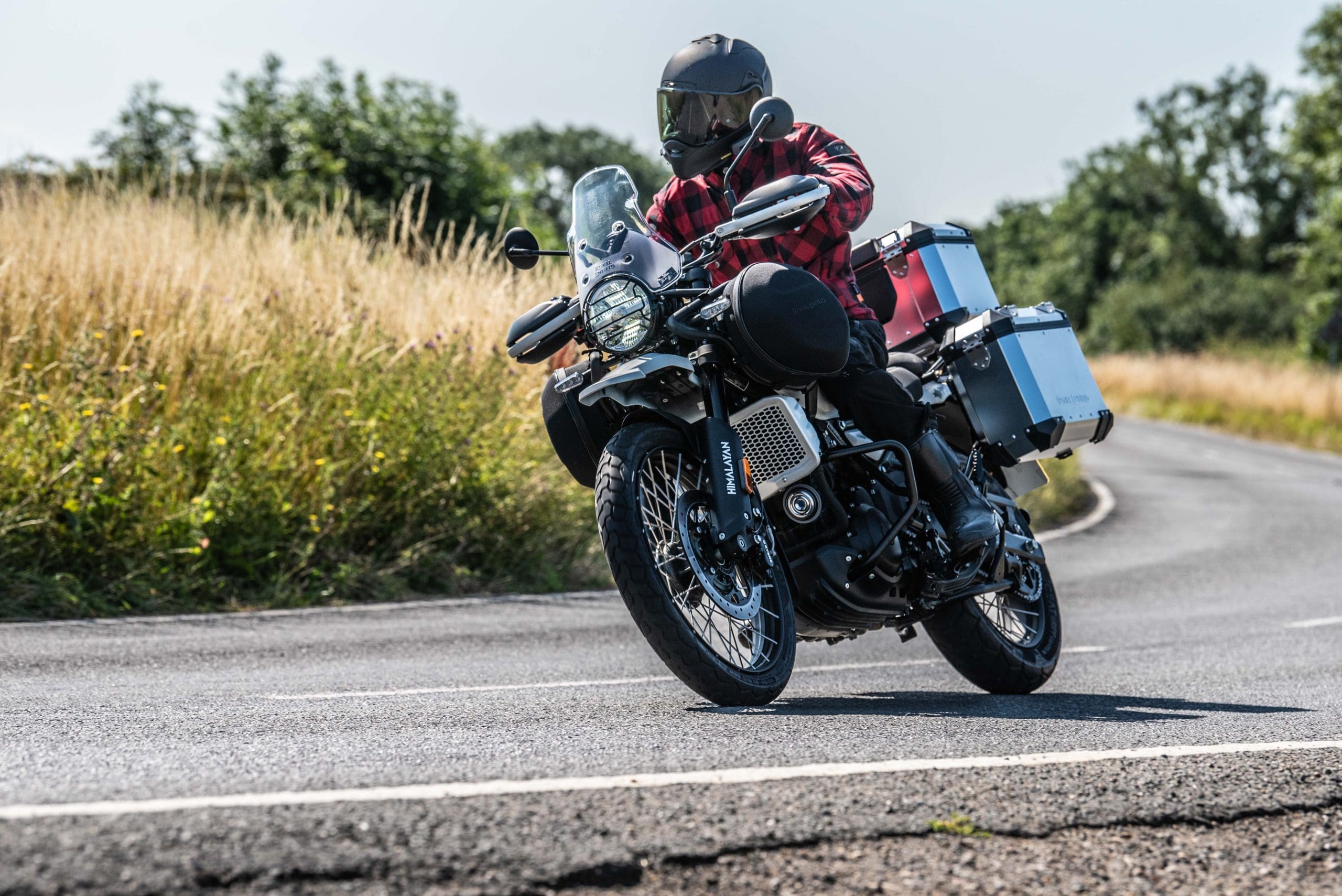
The current Royal Enfield lineup covers more territory than at any point in the brand’s history. The Himalayan opened the door to adventure riding for a generation of riders who could not afford European alternatives. The Interceptor 650 Twin, launched in 2018, gave the brand real credibility in western markets. The Hunter 350 targets urban riders with a short wheelbase and clean geometry. The company now sells motorcycles in more than 60 countries and is the fastest growing major motorcycle brand on the planet, with annual sales reaching 900,000 units.
There is also a new R&D center in Leicestershire, about 50 miles from the old Redditch factory. Royal Enfield’s engineering story, which began with a government arms contract in the English Midlands, is back within driving distance of where it began.
And in 2020, Royal Enfield filed a trademark for the Flying Flea. Given where the market is headed, a lightweight electric machine wearing the name of a WWII paratrooper bike seems less of a coincidence and more of a plan. One hundred and twenty-four years of continuous production. Really built like a gun.