Obesity treatment has advanced dramatically, but too many Americans still face cost and coverage barriers that keep effective care out of reach.
Estimated reading time:4minutes
We have made extraordinary progress in treating obesity. We have better medications, more treatment options, and a much stronger understanding of this complex, chronic disease. Yet for millions of Americans, getting the care they need remains frustratingly out of reach.
What good are medical breakthroughs if the people who need them cannot access them?
For too long, people living with obesity have been told to simply eat less and move more. But science has confirmed what many patients have known for years: Obesity is far more complicated than that. It is a chronic disease influenced by biology, genetics, environment, and many other factors. Like other chronic diseases, it deserves comprehensive, individualized care.
That care may include nutrition counseling, behavioral support, obesity medications, metabolic and bariatric surgery, or a combination of approaches. No single treatment works for everyone. People should be able to work with their healthcare professionals to determine what is right for them, without insurance restrictions or costs standing in the way. Unfortunately, that is not the reality for far too many Americans.
When coverage stands in the way
Some people finally find a treatment that works, only to discover their insurance won’t cover it. Others face thousands of dollars in out-of-pocket costs or are forced to stop treatment because they simply cannot afford to continue. These aren’t just insurance decisions. They affect people’s health, well-being, and quality of life.
Reasons for hope
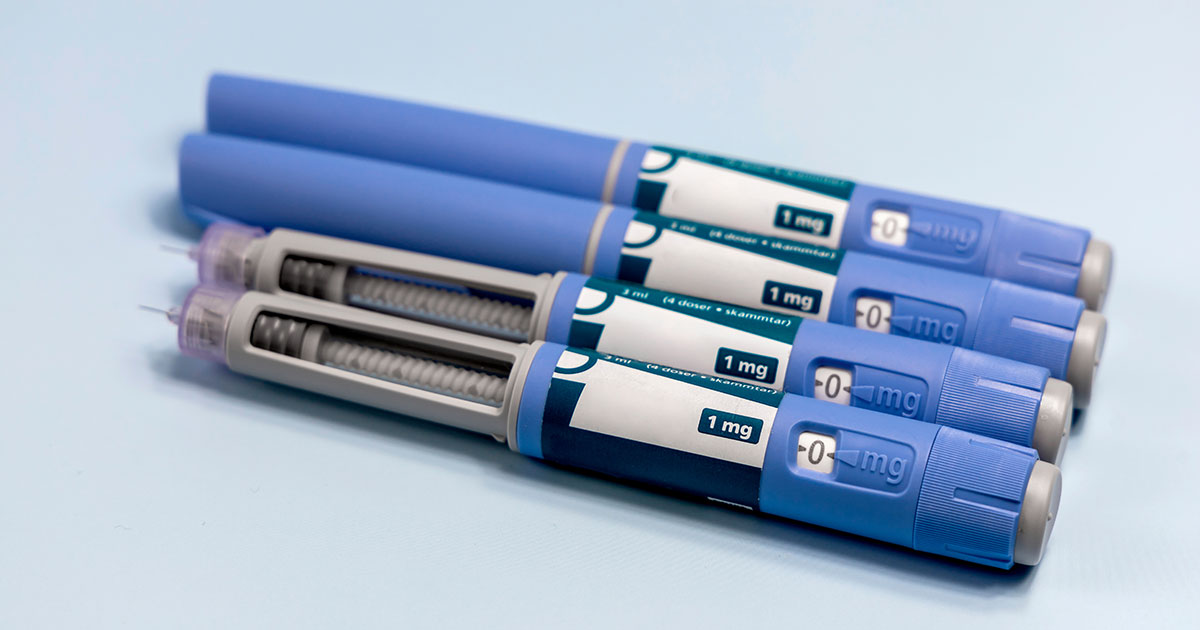
There are reasons for hope. The federal government’s Medicare GLP-1 Bridge program, launched in July 2026, offers eligible Medicare beneficiaries access to certain obesity medications for a $50 monthly copay. This is an important step toward recognizing that obesity treatment deserves the same serious attention as treatment for other chronic diseases.
But the program is temporary, and obesity is not. People managing a lifelong disease need reliable access to care, not uncertainty about whether their treatment will be covered next year. We must build on this progress with lasting solutions that expand access to comprehensive obesity care, and access isn’t just about money or insurance.
Weight bias remains one of the most persistent barriers facing people living with obesity. Despite advances in science, too many people are still judged for their weight, including in healthcare settings. Some avoid seeking care because they fear being blamed, dismissed, or treated without dignity. We cannot expect people to seek treatment if the healthcare system makes them feel unwelcome.
Putting patients at the center
At the Obesity Action Coalition, we hear directly from people facing these challenges. Their experiences remind us that behind every coverage decision and healthcare policy is a real person trying to improve their health.
These individuals deserve more than an opportunity to tell their stories. They deserve a meaningful voice in shaping the decisions that affect their care. We’ve come too far in understanding and treating obesity to accept a system where access depends on someone’s income, employer, insurance coverage, or ZIP code.
I’m encouraged by the scientific breakthroughs we’re seeing and the steps being taken to improve access, but innovation alone isn’t enough. We need affordable, comprehensive treatment options, fair insurance coverage, and healthcare environments free from weight bias.
The next great breakthrough in obesity care shouldn’t just be another medication. It should be making sure people can actually get the care they need.