
Our panel of experts shares how new science and better access could help more people start and stay on obesity treatment.
What are the biggest opportunities to improve obesity care today?
The scale of the opportunity in obesity care is immense: More than 1 billion people globally live with obesity, yet estimates suggest only about 2% of those eligible for treatment are currently receiving it. That gap reflects an enormous unmet need.
Even among patients who do start treatment, more than half discontinue glucagon-like peptide-1 (GLP-1) therapy within a year. There are many reasons why people stop treatment, including tolerability, access, and the ongoing demands of treatment itself. When treatment stops, weight can return, and other health improvements achieved during treatment may erode.
The next frontier in obesity care is making
The next frontier in obesity care is making effective treatment sustainable enough to work as chronic care. Obesity is a chronic disease, so we need to think beyond efficacy alone to how treatment fits into patients’ lives for the long term.
How is innovation changing the way we understand and treat obesity?
As obesity therapies come to the cultural forefront, our view of obesity is changing. We now understand obesity as a complex, chronic disease shaped by multiple biological pathways governing appetite, energy balance, and metabolism, rather than an issue of willpower. As our understanding of obesity deepens, so does our ability to treat the disease at its root.
Much of that progress is being enabled by human genetics and our growing understanding of the biological pathways involved in obesity. Large-scale genetic research is helping scientists identify and prioritize promising new targets, giving us greater confidence in the biology behind potential new medicines.
This is what innovation looks like today
This is what innovation looks like today in obesity science. The deeper understanding creates opportunities to pursue fundamentally different approaches to treatment and, ultimately, give patients more options that can hopefully support long-term care.
What does more personalized obesity care look like for patients?
More personalized obesity care starts with recognizing that there will not be one solution that works for everyone. Patients differ not only in their biology and health needs but also in how they need treatment to fit into into their everyday lives.
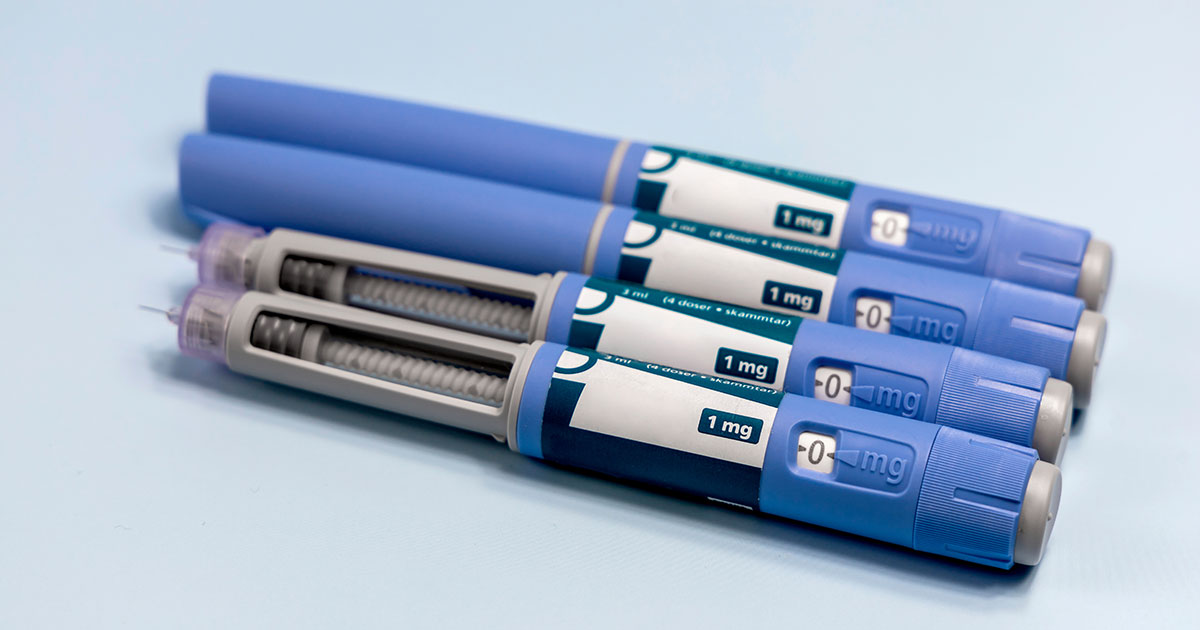
Personalization, therefore, isn’t only about biology. It means having effective options with different mechanisms, dosing frequencies, and routes of administration. A therapy is only as durable as a patient’s ability to remain on it.
What needs to change to improve access to effective obesity care?
Improving access starts with recognizing obesity
Improving access starts with recognizing obesity as the chronic disease it is and building systems of care that can support people over the long term. That means making care easier to navigate and ensuring patients have the education and support needed to start and stay on treatment.
Progress at the scale this disease demands will require innovation, access, education, and long-term support moving together. No single piece is sufficient on its own.
Obesity care today is entering a new era — one that goes beyond a one-size-fits-all approach. We know that there are people who are interested in addressing their weight but are still waiting on the sidelines for a medicine that is right for them. Many millions of people with obesity in the United States are still untreated, which is why increased optionality is vital to meet the needs of more patients. Some patients may benefit from medicines that approach this disease from multiple pathways, some patients may prefer a pill over an injection, and some patients may prefer a monthly treatment rather than a weekly or daily one. All of these things are innovations that are within our reach and that can meaningfully change the landscape of obesity care in our country.
Knowledge of metabolic disease management is increasingly focused
Knowledge of metabolic disease management is increasingly focused on advancing our understanding of nutrient-stimulated hormones, such as GLP-1, glucagon, insulin, amylin, and glucose-dependent insulinotropic polypeptide, that help regulate appetite, blood sugar, and energy balance. These insights have the potential to continue to shape how we approach obesity care, including (but not limited to) a shift in primary focus from the quantity of weight loss to the quality of that weight loss. Modulating different hormonal pathways may change how quickly weight is reduced and the proportion of fat loss versus lean muscle loss. These are important considerations as concerns emerge about muscle loss and sarcopenia in certain populations of existing and potential future anti-obesity medication users.
The biggest opportunities to improve obesity care today are to:
- Improve access for every eligible individual to all available weight management treatment modalities (i.e., diet, exercise, anti-obesity medications, obesity treatment devices, and metabolic surgery)
- Find more options to measure health and improvement in quality of life than the number noted on the scale and the body mass index (BMI)
Innovation, such as the use of shared medical appointments and AI, is improving access to care and increasing points of contact for follow-up, which improves patient outcomes for sustained weight loss.
More personalized obesity care would involve the use of factors like age, genetics, environment, comorbidities, and gender to optimize sustained weight management to improve quality of life.
Further measures need to be taken by legislative bodies to certify weight management as a chronic disease and stress the importance of providing evidence-based treatment of weight and its comorbidities. The health of a nation depends on the health of its population.