Keith Lusher 07.08.26

New York fisheries officials now have a clearer picture of the state’s competitive bass fishing scene after the first year of the new reporting system, with more than 51,000 largemouth and smallmouth bass caught during sanctioned tournaments logged.
New York State Department of Environmental Conservation (DEC) released the first annual report For its Black Bass Fishing Tournament Permit and Reporting System, which was launched in 2025 to help biologists better understand the scope of tournament fishing and monitor its potential impacts on bass populations.
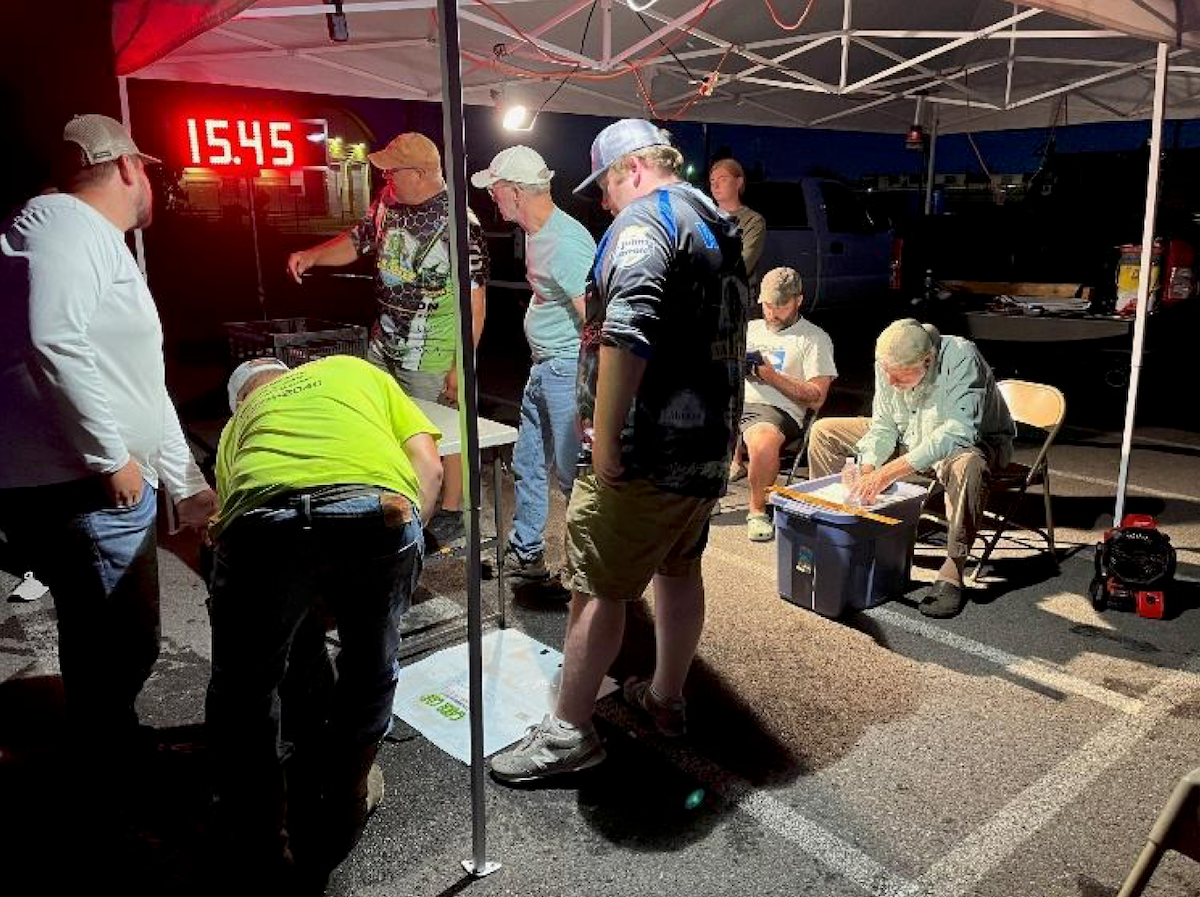
During the inaugural year, DEC issued 802 tournament permits covering 98 different water bodies across the state. More than 81% of those permits were issued to New York-based organizations, while tournament directors from 12 other states also hosted events in New York. Tournament organizers submitted reports for 83% of permitted events, providing fishery managers with one of the most comprehensive collections of tournament data ever collected by the state.

The report shows fishermen weighed or measured a total of 51,105 black bass during the season, including 29,093 largemouth bass and 22,012 smallmouth bass. Only 2.4% of those fish were reported as tournament mortalities, a figure DEC said was relatively low.
Lake Champlain hosted the most tournament activity with 72 permitted events, followed by Onondaga Lake (48), Oneida Lake (45), Cayuga Lake (45), Conesus Lake (43) and the Erie Canal (34). Most tournaments were held during the summer months, with the highest number of events in August.
Motorized boat tournaments dominated the programme, making up 90% of all permitted events. Kayak tournaments represented 5%, while the other 5% allowed fishermen to fish from shore or use several types of watercraft.

Some of the state’s biggest bass also came to light through the reporting system. Cayuga Lake produced both the heaviest largemouth bass, which weighed 8.5 pounds, and the longest largemouth at 22.2 inches. The St. Lawrence River produced the heaviest smallmouth bass at 8 pounds, while North Sandy Pond in Oswego County produced the longest smallmouth bass at 22 inches.
The data also identified New York’s most productive tournament fisheries. Chautauqua Lake recorded the highest largemouth catch rates per hour, while the St. Lawrence River led the state in smallmouth catch rates.
DEC officials said the program gives biologists access to information far beyond the waters they can sample and will help guide future fisheries management decisions. The agency reports that interest in the system continues to grow, with 820 bass tournaments already permitted for the 2026 season.

keith lusher
Keith Lusher is an award-winning outdoor journalist who lives in Covington, Louisiana. He owns and operates NorthShoreFishingReport.com and writes a weekly outdoors column for the Slidell Independent Newspaper. He also writes for the St. Tammany Parish Tourism Commission’s VisitTheNorthshree.com. He is the former host of The Northshore Fishing Report radio show and is on the board of the Louisiana Outdoor Writers Association. Keith contributes to numerous publications both online and in print and is proud to promote the unique fisheries of South Louisiana. To contact Keith email: keithlusherjr@gmail.com