There are special bikes… and then there are MotoGP missiles with mirrors. But does Honda’s RC213V-S live up to the hype, let alone its eye-popping price tag? Bruce volunteers to find out…
I’ve seen some suspicious looking things stick out from the back of vans, but up to this point, the RC213V-S was not one of them. It was a proper pinch-me moment, made even more memorable when a bod from Honda UK placed the carbon-clad key fob in my hand and told me to behave. Today was a day I thought would never come, and I was hell-bent on making it count.
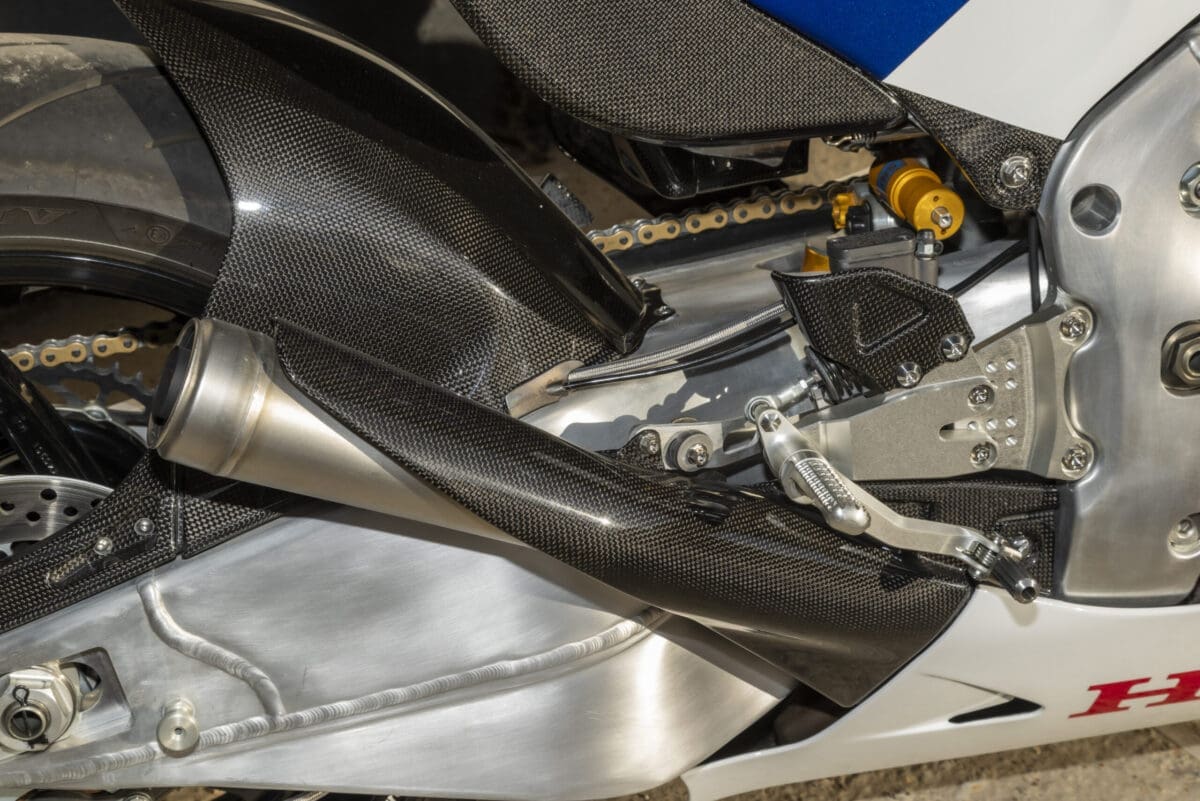
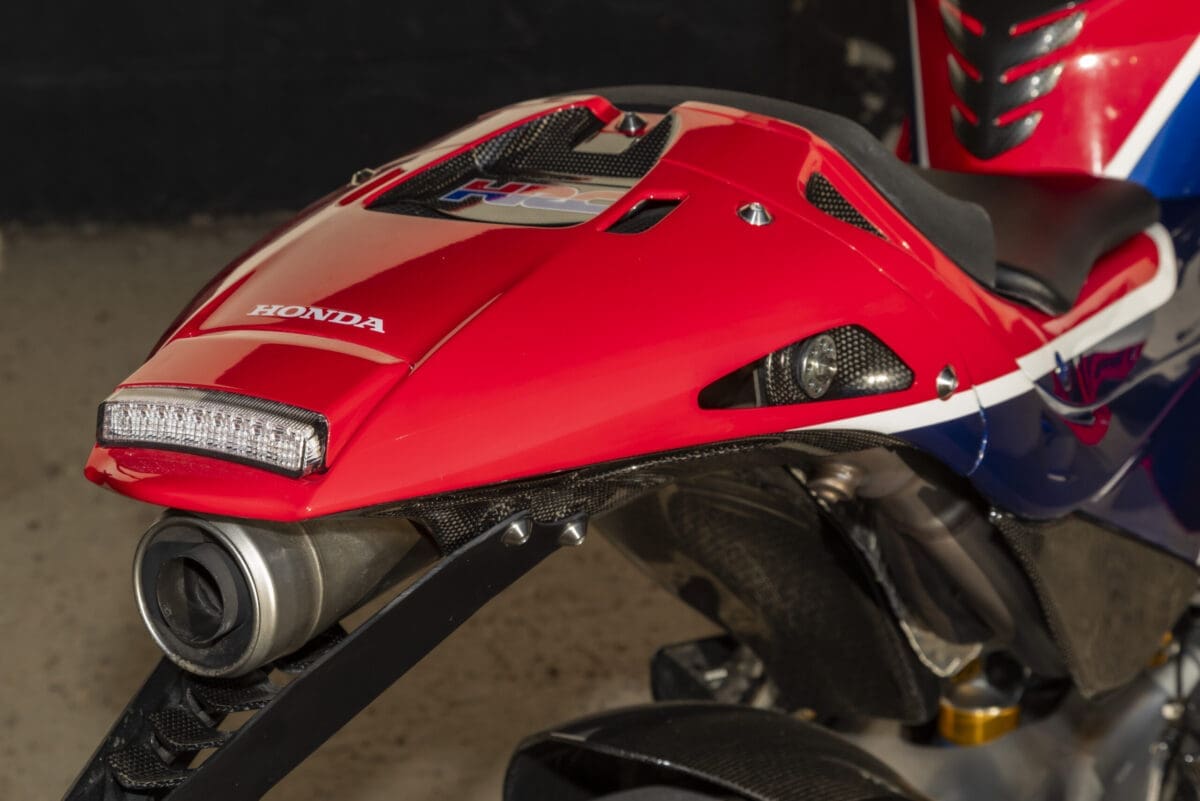
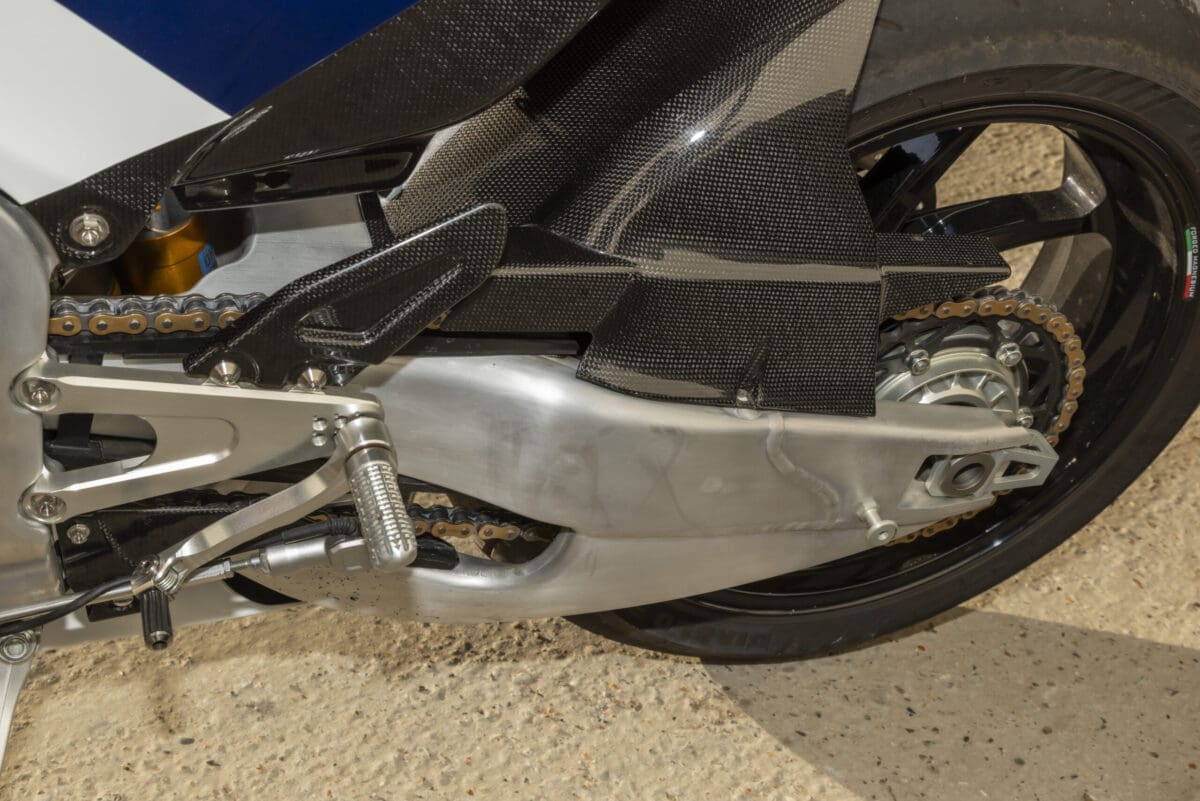
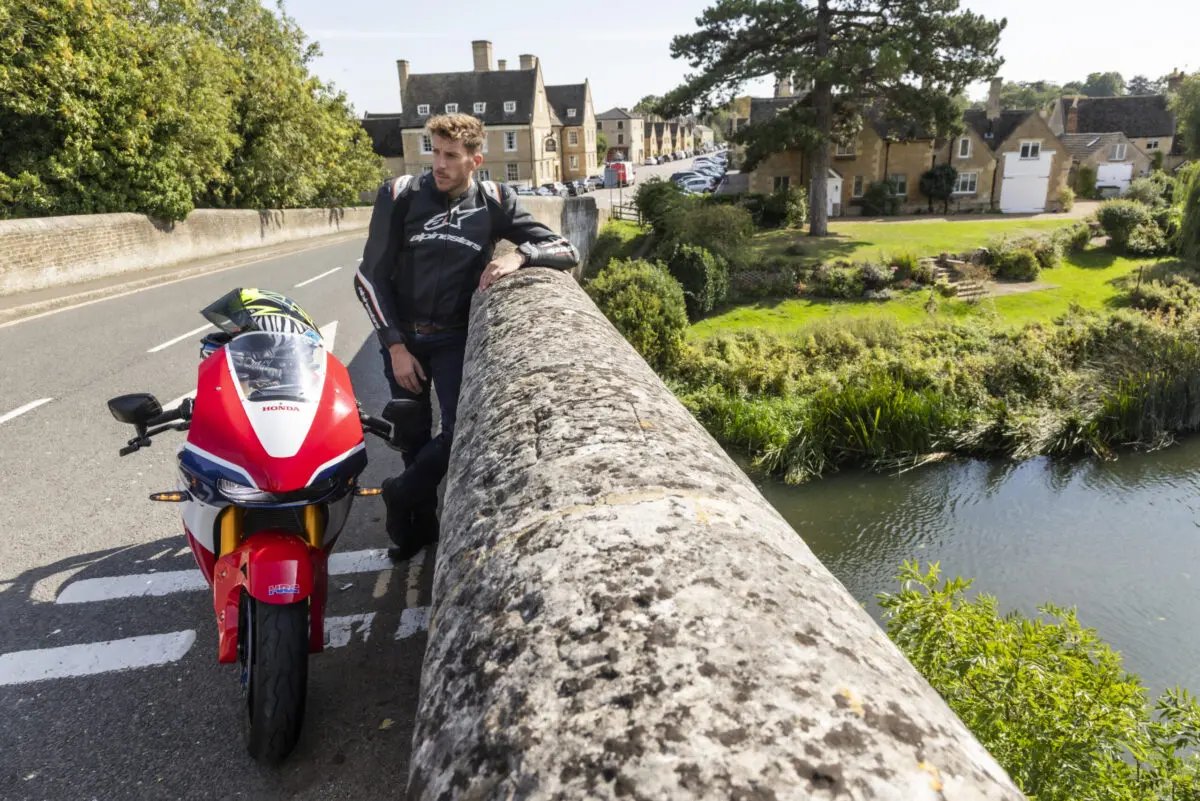
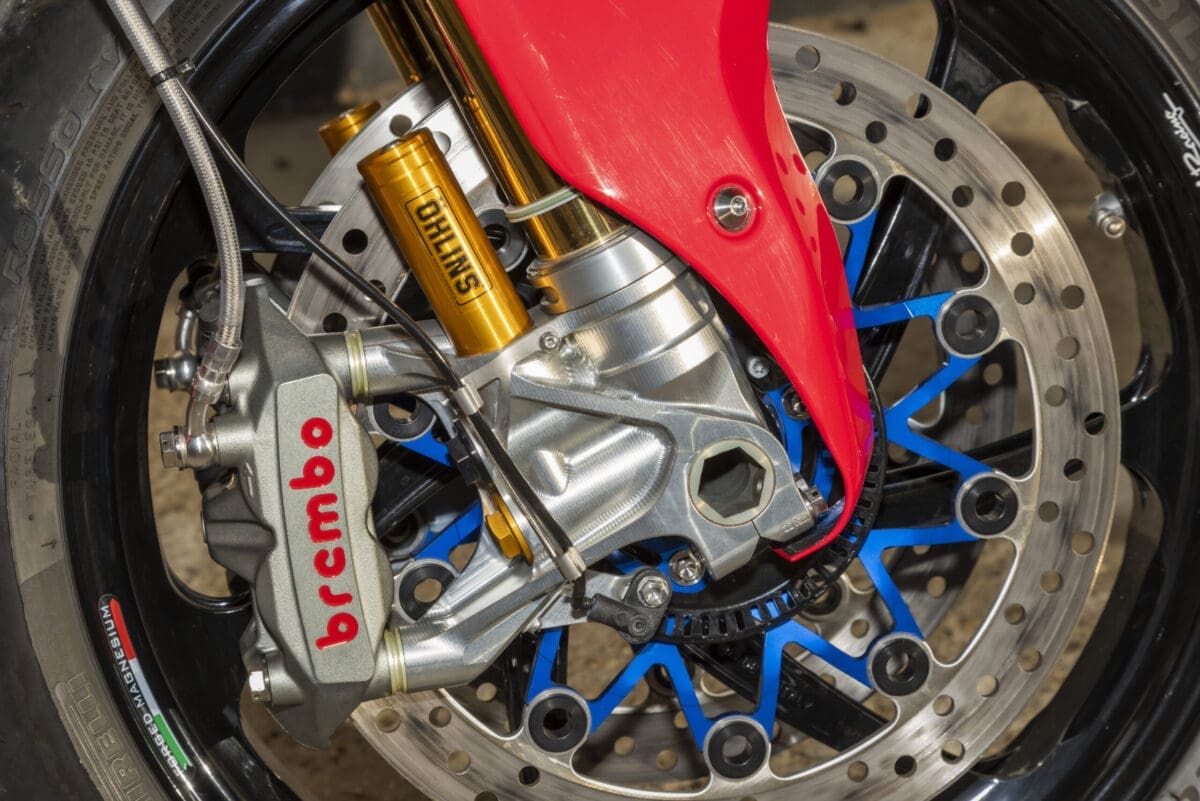
For the best part of a decade, the MotoGP-derived hero remained rent-free in my mind. I’d seen it, I’d heard of it, I’d studied it… but I’d never sat down on it. I’ll admit, I’ll admit, it was a joyous trip, about as impossible as drinking a Big Mac. After all, how often do you meet a bloke who has a £160k road-going race-bike that inspires you to hear how good it sounds on the limiter? Although I’m not always the best at reading the room, something told me Honda wasn’t keen on listening to that limiter. Like a fine wine, it was a ride not to be swallowed but to be savored, and brought to life with a good old skirt around the abundance of shiny parts. I have always been into engineering and had my eyes on RCVs roaming everywhere. Like a magpie, I was drawn to its thick, gleaming Moriwaki-made frame; An exact copy of the unit that brought Márquez his first MotoGP world title in 2016. While the geometry on the road bike is a little more comfortable than the race bike (due to the headstock angle – though it’s still adjustable), not much is different, and neither were the R-clip fastenings that position the carbon-weave bodywork in its clinically prescribed location. Another component that was impossible to ignore was the larger-than-life, under-braced swingarm. Nothing says ‘factory’ like a heavy swinger, and they don’t come much beefier than the Honda. Asymmetrical in its design, the one thing both sides had in common was a scar-like weld running its length, which was buffed to perfection and made me wonder why the unit was not cast in one piece from the start? Like every inch of this bike, there was a reason behind it, and chances are it was a very good one. From the proportions of the seat pad to the completely different design of the left and right rearsets… it was all on purpose and it was all meant to catch my eye. And there was a lot to take in, including Marchesini forged wheels, Brembo GP4 monoblocks, race-spec Ohlins TTX25 gas forks and a conical top end can that protruded neatly from a carbon number plate hanger – I drooled over it all. This thing was majestic, finely polished and completely mine for the next few hours.
Enjoy all the MoreBikes by reading the MoreBikes monthly newsletter. Click here To subscribe, or read online for free.
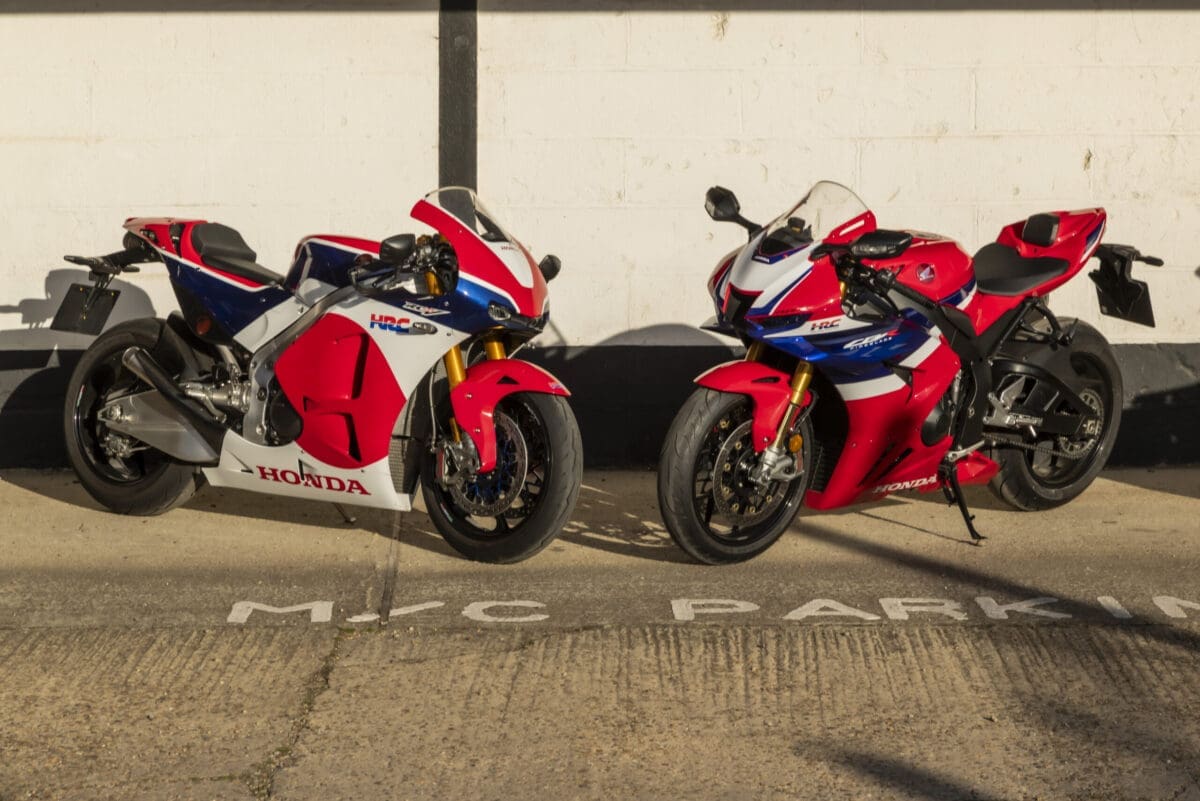
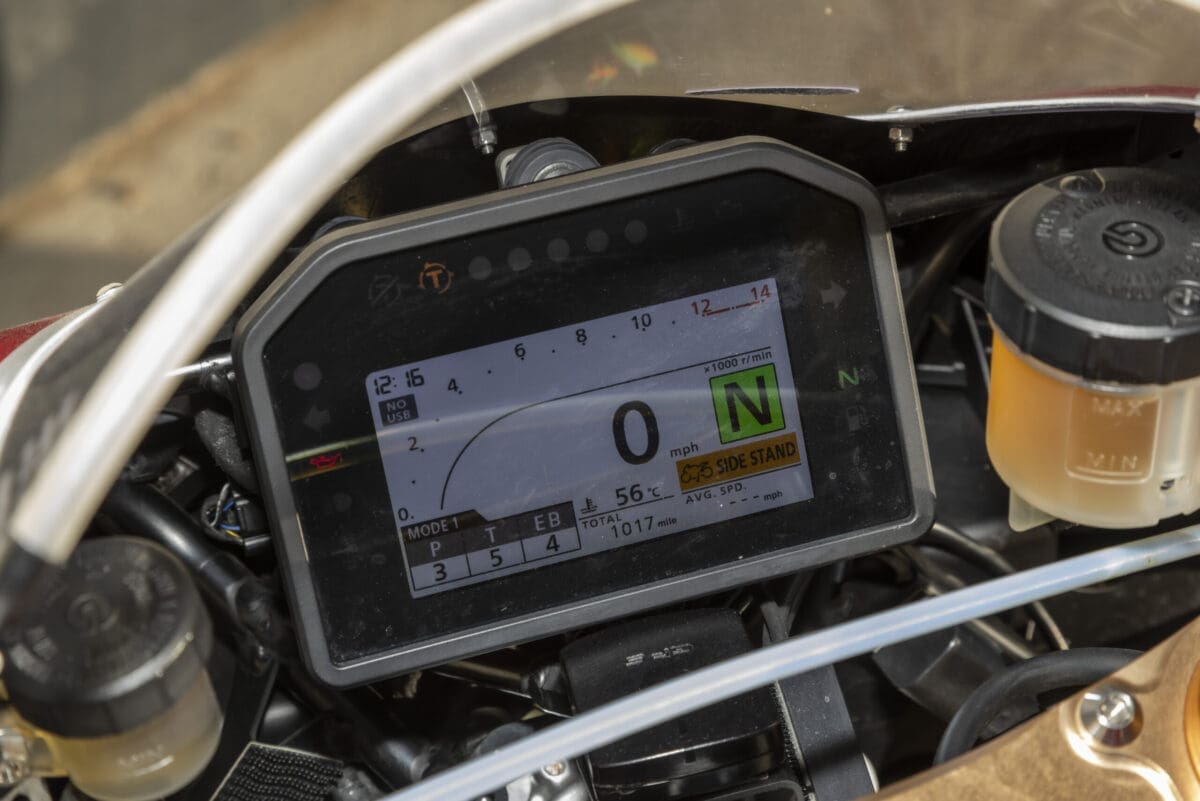
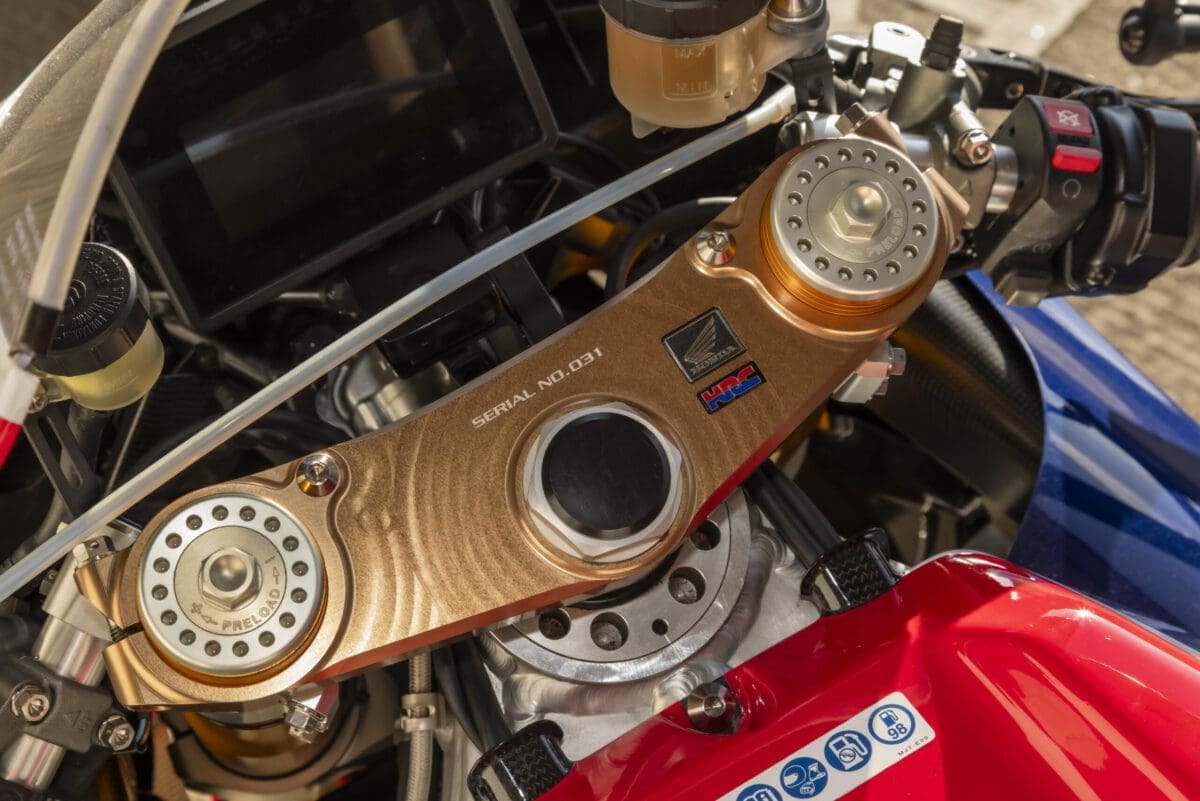
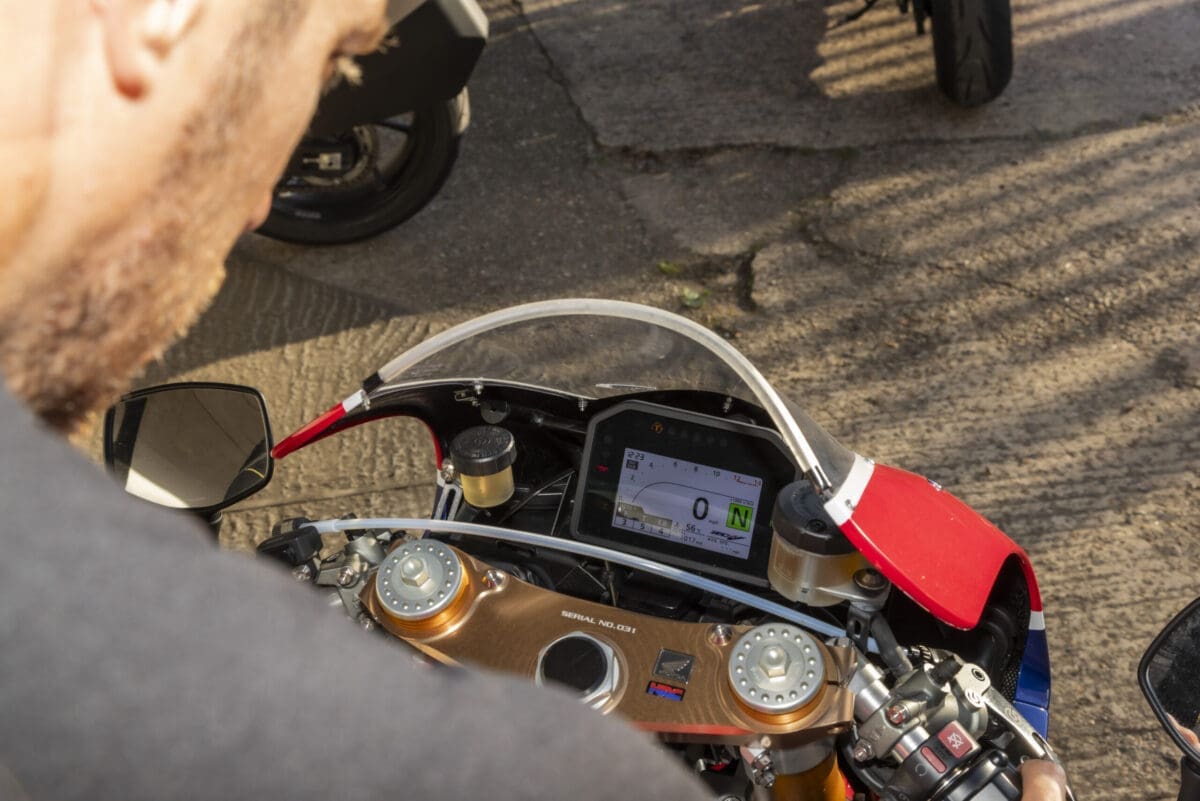
There was no need for a second invitation to board the RCV, which immediately impressed me with its minimalist proportions. For reference, the current Blade feels like a compact liter bike, but even that would be considered overpriced in comparison. It was long, low and, like many machines of this vintage, it gave me the feeling of being confined between the high tank and the bum-stop seat pad. Looking down, the gold coat-effect top yoke was glazed at the rear, bearing the serial number and HRC symbol; There was no chance of forgetting that this was Honda at its most glorious. By today’s standards, the switchgears looked basic, the small digital dash a reflection of the times. A tap of the power button brought the display to life, showing the variability of the bike’s traction levels, power modes and engine brake setup; Technology that was inspired by the bike’s six-axis IMU and electronic throttle… features that the Fireblade of the same era desperately desired.
The V4 came to life at the touch of a button. fireworks? Not at all, but there is a quiet undertone of this machine’s potential. As identical as the VS Pukka Racer from which it originated, mirroring it in almost every way, altered electronics and a throttled exhaust system were all that was needed to make this thing street legal. outcome? Well, a heartbreaking lack of power, up to 157bhp. In track form, with the optional Sport kit (yours for just £25k), Honda claims an output of 215-ponies… which doesn’t make it too dissimilar to the latest spec Blade. But reaching that degree of efficiency would mean fitting the bike’s 116dB exhaust system, which would probably get you an ASBO and a ruptured eardrum… in no particular order.
The Honda climbed into first easily, and I was thrust into the furious grip of first gear as soon as I released the clutch lever. As you might expect, the bike had a close ratio gearbox and the opening cog was very fast, requiring a solid dose of revs and a long slip of the clutch to get the thing going. In a funny way, it reminded me of the VFR400 of my childhood. It also had an impressively long first gear, a V4 motor, and the unmistakable sound of a gear-driven cam. What was missing was the presence of this VS. I’ve ridden many spec bikes in my time, from Grand Prix 500s to Desmos and Superlegeras; They all have a special aura, inspired by the strain of the heart that comes from riding on something that is more valuable than your bank balance. Crashing a bike like this is not an option and neither is blowing it up. But after about 10 minutes of gentle riding, exploring some of Norfolk’s bumpy back streets, curiosity was beginning to get the better of me. Inspiration was coming from the exhaust can, which sounded faint as the motor tickled, to the point where I could barely hear what I was riding. Throw a few more rpm his way and the pitch became a whole lot more appealing. First gear above is probably good for about 90 mph, so I figured the solution to the problem was to ride the bike in first… everywhere. By doing this, the package came to life; The exhaust note was dynamic and the silkiness of the V4 motor was intoxicating. From a pure speed standpoint, the bike felt more like a serialized supersport machine than a contemporary liter bike, but I didn’t mind. The Honda’s fueling felt precise and interruption-free no matter where in the range I was, and on the rare occasion I selected second or otherwise, I shifted clinically through the gearbox selections, leaning on the quickshifter to make light work of the process. There was no blipper fitted, so downshifts were old-fashioned, requiring a light clutch lever depress to enable them. It was hardly a chore and there was something pleasurable about the process, its reward being another burst of excitement from the motor as the revs climbed in protest.
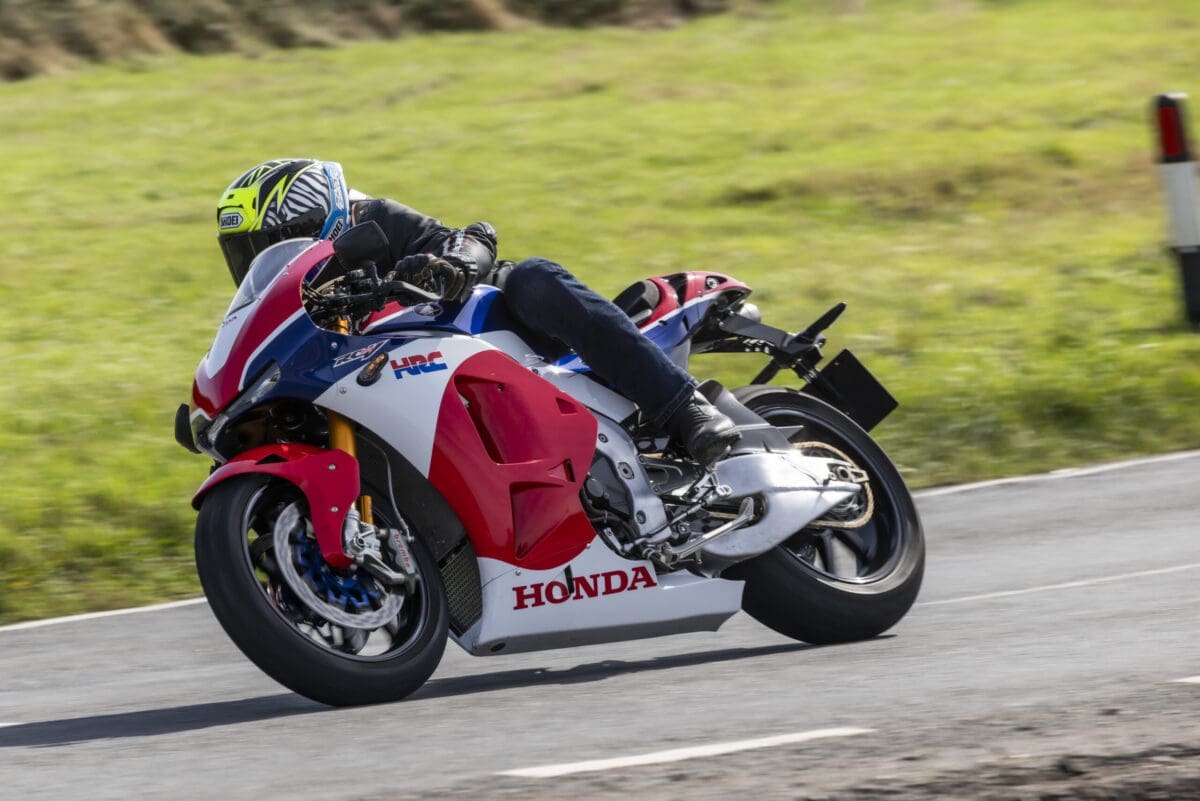
Yes, the motor was terrible, but the bike’s handling left me in a tizzy in every possible way. Like a superbike the Honda felt ridiculously supple at slow speeds, and it also felt quite strong. I wouldn’t go so far as to say it’s the best handling bike I’ve ever ridden, but it was easy to note its potential that can be unleashed on billiard smooth race tracks. The combination of its light weight (188-kg fuel), aggressive geometry and low suspended mass only exacerbated this reality, making it possible to corner it while railing at the front end, while appreciating its stability. The Honda is clearly taller, and when you look at the specifications and look at its 1465mm wheelbase, it confirms that your eyes are not deceiving you. Look at any MotoGP bike and that formula still exists today; Low and long, combined with the aggressiveness of the headstock angle often means a bike that should feel like a barge that can turn around on six-pence. Whether I was in town or on some of the faster, more flowing corners during my travels, it was a joy to ride, and I can only imagine how spacious it would feel around a Grand Prix circuit. That said, the suspension had its work cut out at times, doing its best to soak up the onslaught of lumps, bumps and imperfections that came our way. Most flagship sports bikes these days feature electronic suspension that allows you to dial in a more comfortable and capable setup at the touch of a button, but that’s not the case on the RCV. Whatever felt, you felt, to the point of ripping out the stuffing if you weren’t careful. Still, it was a price worth paying, and despite making a few faces along the way, the pleasure definitely outweighed the pain.
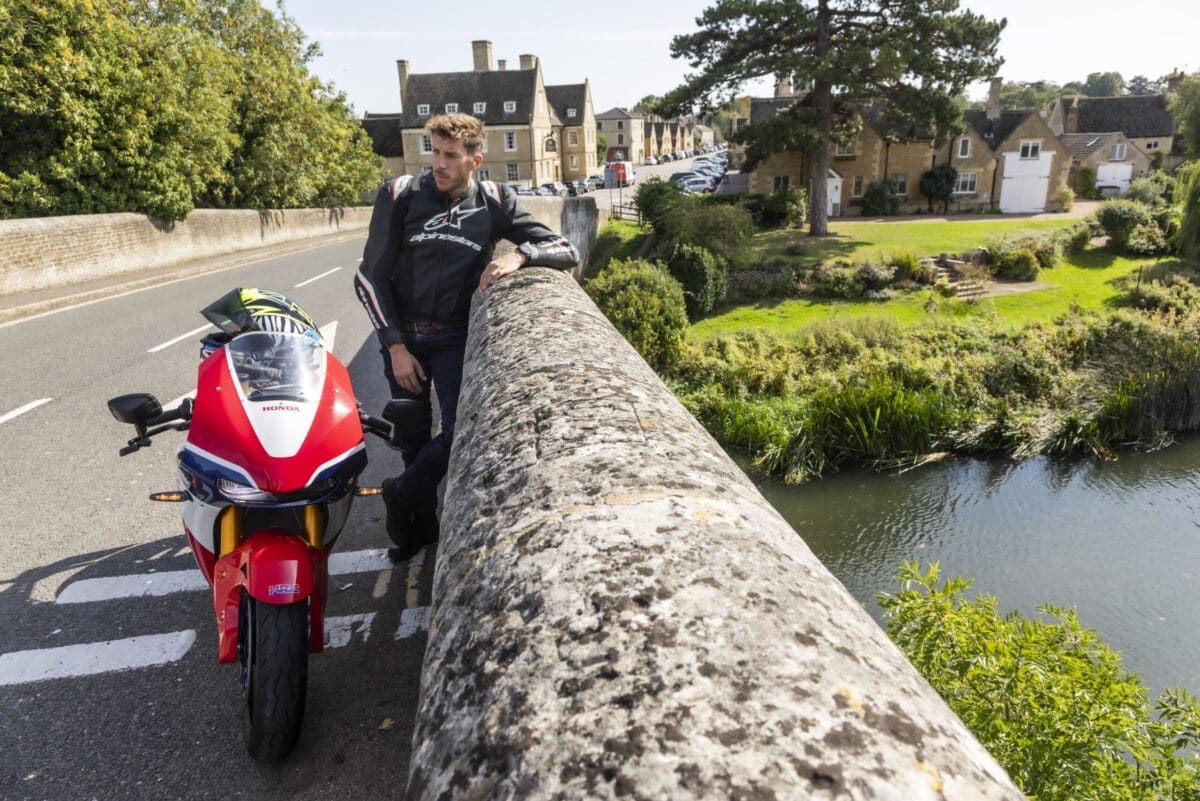
As the miles passed, the experience felt no less special. In fact, understanding the package sweetened the explosion a bit, eliciting grunt from the motor and revealing how quickly the bike would react to any rider input into a corner; The connection between it and the rider is perhaps what makes this machine so special. It felt almost unfair to know that I was riding on a bike that is probably the closest thing alive to a real GP bike, distinguishable apart from a few bar-end mirrors, a headlight, indicators and a horn. When I cast my mind back a decade or two, I remember the excitement and unimaginability of Honda going down this path. Sure, it was publicized but did anyone ever believe that someone would actually accomplish it? Sure, Ducati was the first to tick that box with Desmo, but surely Honda was smart enough to cater to such a notion? Still, I was riding on that dream, lost in the madness and magic of that moment. Honda had done the unimaginable and I was enjoying it. But the price of something unimaginable is unimaginable. I’ve heard figures for one of these range from £130-£180k, and that’s only in road trim. Strap on the race kit and you’ve spent the equivalent of a house on a motorcycle that lives up to the performance figures of modern production bikes straight out of the showroom. When you look at the picture this way you realize this kind of bike is not bought for the stats, or how fast it will go around Cadwell. It’s a purchase made with soul, backed by a large bank balance and the hope that in a decade or two the investment’s uniqueness will still be as worthwhile as it is now. Not everyone will know what it is, nor appreciate the magnitude of achievement required to make a MotoGP bike suitable for the road, or the extreme attention to detail that has gone into every nut and bolt of this beauty. But I did, and it will always rank as one of the best motorcycles I’ve had the pleasure of riding. Thanks, Honda.
Specification: Honda RC213V-S
engine:
Type: 999cc, liquid-cooled, V4
Fueling: EFI
Claimed power: 158bhp
Claimed torque: 102 foot-pounds torque
CHASSIS:
Frame: Moriwaki twin-spar aluminum
Front Suspension: Öhlins TTX25 upside-down gas forks, fully adjustable damping and preload control
Rear suspension: Ohlins TTX36 monoshock, fully adjustable
Front brake: Brembo GP4 monobloc calipers, 320 mm twin discs
Rear brake: Bremob caliper, 240mm disc
Electronics:
Riding Mode: Yes
Traction Control: Yes
ABS: No
Quickshifter/Autoblipper: Yes/No
Wheelie Control: No
Launch Control: No
Dimensions:
Wheelbase: 1465 mm
Seat Height: 830 mm
Wet weight: 188 kg
Fuel Capacity: 16.3 liters
Information:
Price: £130- £180,000
From: www.honda.co.uk