Men’s therapy dropout rate linked to mental health claims surge | Insurance Business
Treatment disengagement is extending claim durations and compounding return-to-work challenges across group cover portfolios

LIFE & HEALTHByRoxanne San Jose
Nearly half of all men in Australia disengage from therapy before completing treatment, a pattern that is contributing to the growing cost of mental health claims across the country’s life insurance and workers’ compensation systems. Research cited in a new partnership between Bupa and men’s health charity Movember puts the dropout rate at 45%.
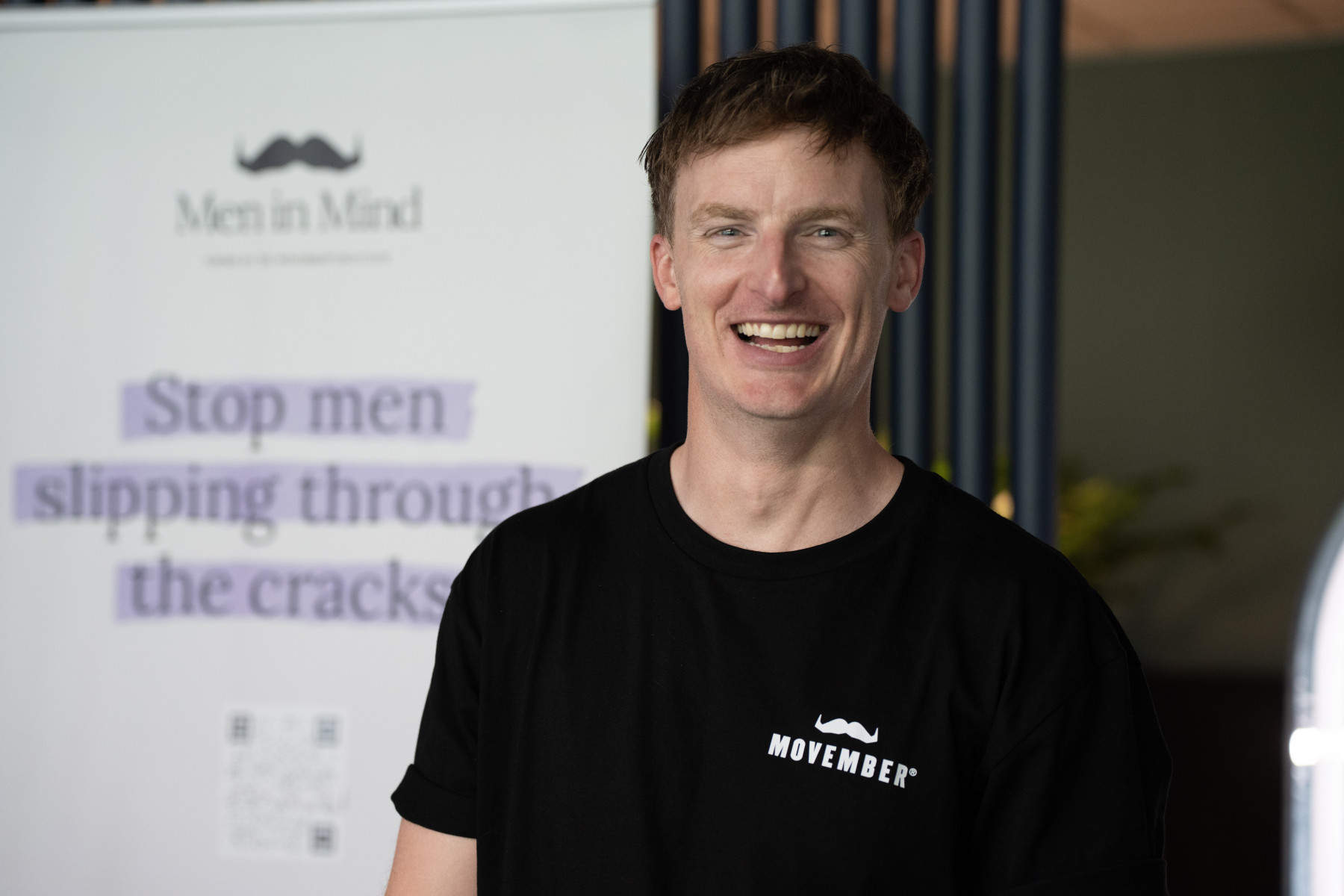
The same research found that 87% of Australian men who died by suicide had accessed a health service in the year before their death. Under the partnership, clinicians at Bupa’s Mindplace mental health centres will complete Movember’s Men in Mind training program, which is designed to improve how practitioners engage and retain male patients.
The initiative is one of several across the industry targeting mental health at the treatment stage rather than the payout stage. The Council of Australian Life Insurers (CALI) reported that insurers paid more than $2.2 billion in mental health claims in 2024, roughly double the figure from five years earlier. Mental health now accounts for approximately one in three total and permanent disability (TPD) claims paid nationally
Why treatment dropout matters for claims outcomes
Men who leave therapy early face a higher risk of deteriorating mental health, longer absences from work, and repeat claims. Safe Work Australia’s 2025 National Return to Work Survey found the return-to-work rate for psychological injuries sits at 76.5%, compared with a national average of 88.9% for all injuries.
In the workers’ compensation system, psychological injury claims carry costs well above other categories. Safe Work Australia data shows the median serious psychological injury claim costs approximately $58,615, more than three times the median for all serious claims. Median time off work is 34.2 weeks, compared with eight weeks for all injuries.
The trend is accelerating among younger workers. Mental health TPD claims among Australians in their 30s have risen by more than 700% over the past decade The claims-to-premium ratio for group lump sum risk cover climbed from 78% in 2023 to 91% in 2025, per KPMG’s Life Insurance Insights report
How the industry is responding
The Bupa-Movember partnership is part of a broader shift among insurers toward intervention-focused approaches to mental health.
EML has flagged that income replacement alone does not drive earlier return to work for mental health claimants. The claims manager’s data shows psychological claims on its largest accident and health portfolio rose 411% since FY21, with the average psychological claim costing $38,500 compared with $32,400 for physical injuries. EML has called for policies to include rehabilitation and treatment pathways rather than income-only cover, as Insurance Business reported in its analysis of EML’s mental health claims data.
Separately, Medibank has committed $50 million over five years to improving mental health access for its customers, and has entered a partnership with the AFL’s Ahead of the Game program targeting youth mental health in community sport.
Jason Vella, clinical director at Bupa’s Mindplace mental health centres in Australia, said the Men in Mind programme targets a gap in how services engage men.
“Too many men are still falling through the gaps in traditional models of care. This training helps scale research-backed approaches that support earlier intervention, improve engagement and ultimately ensure more people receive the care they need before reaching crisis point,” Vella said.
Early results from the global programme show 94% of participating clinicians felt more confident working with male clients after completing the training. Among those who applied the training in practice, 59% reported improved engagement with male clients.
Dr Zac Seidler, clinical psychologist and global director of men’s health research at Movember, said retaining men in treatment remains a core challenge.
“Through our partnership with Bupa and its Mindplace centres, we’re helping clinicians better understand how men experience and express mental health concerns, and how to build stronger therapeutic relationships. This investment in clinician training has the potential to improve care for thousands of men and ensure more men receive the support they need, for as long as they need it,” Seidler said.
Psychosocial codes add a compliance dimension
Australian Bureau of Statistics (ABS) data from 2024-25 shows 10.7% of women saw a psychologist for mental health reasons, compared with 6.2% of men. The gap suggests current service models are not reaching male workers at the same rate, which has implications for how employers and their brokers approach mental health in group cover design.
Mental health absences rose 35% year-on-year across employers tracked by claims administrator Sedgwick, with the combined cost of mental health absenteeism and presenteeism estimated at approximately $6 billion annually for Australian employers.
The regulatory picture adds further urgency. Psychosocial hazard codes of practice are now in force across multiple Australian jurisdictions, with South Australia’s code commencing in February 2026. These regulations place obligations on employers to identify and manage psychological risks, creating a compliance dimension that brokers placing workers’ compensation and management liability cover need to factor into client conversations.
Bupa plans to expand Mindplace to 60 sites across Australia in 2027.