Lamborghini has officially launched its first fully electric vehicle after 2030, and the brand is not taking it as a shock. Speaking publicly this week, Lamborghini executives said battery technology is not mature enough to meet the performance and character standards the brand demands — and rather than wait, they are doubling down on high-performance hybrid powertrains as a near-term path forward.
The announcement, which took place on July 15, reshapes the look of the next several years for the Sant’Agata lineup. Hybrid powertrains are moving to the center of Lamborghini’s product strategy, not as a bridge to something else, but as a performance solution for the foreseeable future. For buyers eyeing a Huracan successor and the next Urus, this is the most consequential powertrain news in years.
Which models get the hybrid treatment—and when
The Urus is already leading the charge. The Urus SE Performante combines a twin-turbocharged V8 with a plug-in hybrid system, producing more combined output than the outgoing Aventador’s naturally aspirated V12 – a number that underlines how seriously Lamborghini is treating electrification as a performance tool rather than a compliance measure. That model is on sale now, and it sets the blueprint for what’s next.
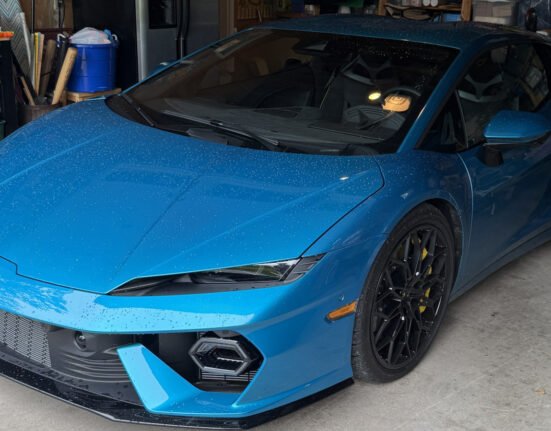
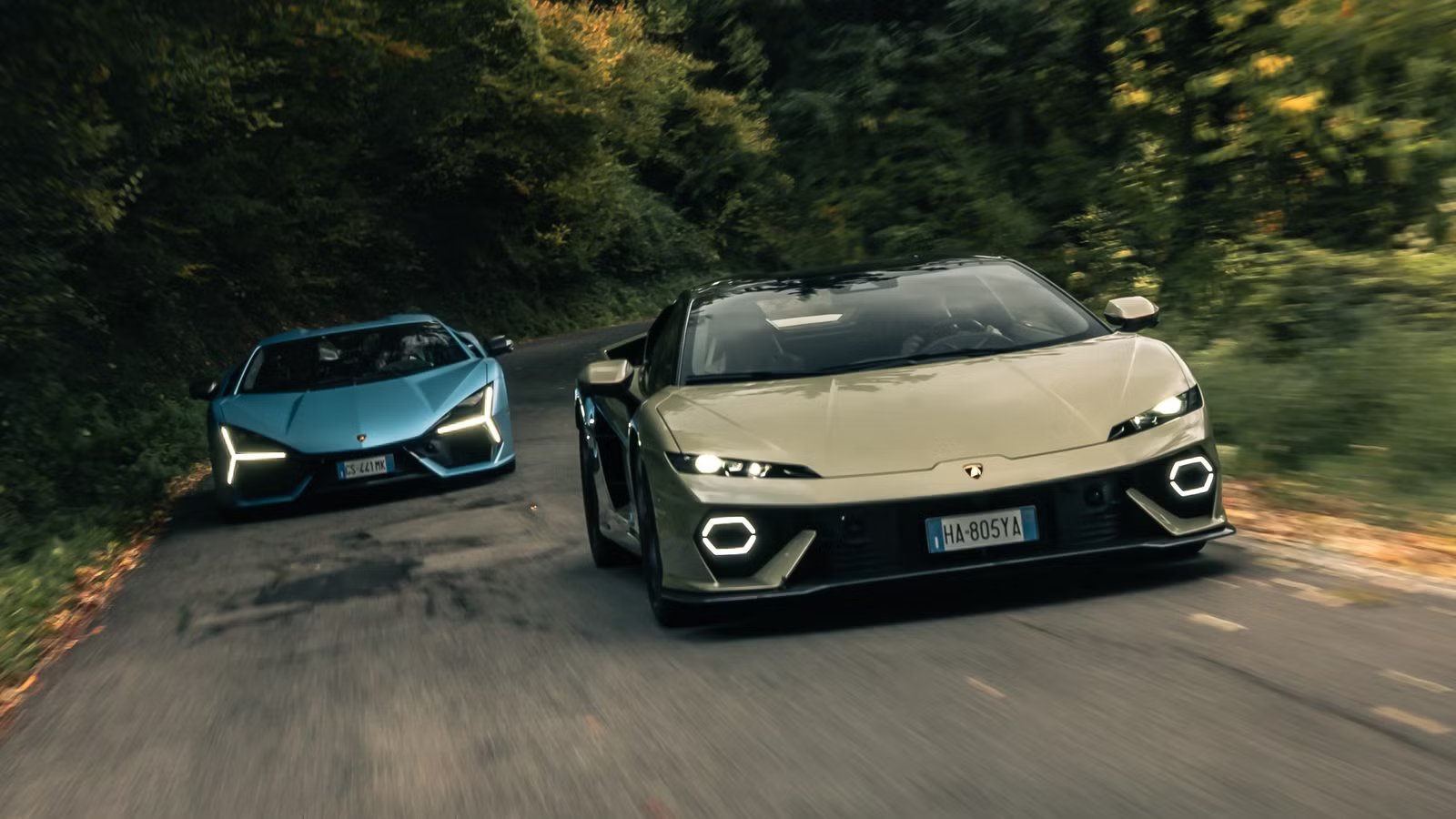
The Huracan successor is a more closely watched development. Lamborghini has not confirmed a launch date, but the hybrid architecture is expected to further the brand’s commitment to high-revving combustion cores complemented by electric motors on the axles. The Revuelto has already demonstrated what it does at the top of the Formula range – a 6.5-liter V12 paired with three electric motors producing 1,001 combined horsepower. The Huracán replacement is expected to apply a similar philosophy to the V10 segment, possibly with a smaller displacement engine and electric torque-fill instead of a wholesale powertrain swap.
How hybrid tech lets Lamborghini reach emissions targets without going full EV

EU CO2 regulations are tightening by the end of the 2020s, and low-volume supercar makers face real pressure to reduce fleet emissions. The plug-in hybrid architecture offers Lamborghini a reliable path forward: electric range on a PHEV like the Urus SE counts favorably in regulator calculations, and the combined-cycle efficiency of the hybrid system is meaningfully better than the pure combustion counterpart.
Crucially, this approach does not require Lamborghini to compromise on what its buyers really want. A hybrid V10 or V12 can still rev freely, still provide the acoustic signature that defines the brand, and still hit 0-60 times that justify the price. The electric component adds low-end torque and launch response – things that make cars faster, not softer. Lamborghini’s own engineers, speaking at Goodwood this week, explained that their in-house hybrid calibration is tuned differently from what Audi applies to its performance models, while preserving the brand’s distinctive driving character.
What EV delays really mean for enthusiasts

The honest read here is that Lamborghini enthusiasts are getting more time with the powertrains they already love, with meaningful performance upgrades. A hybrid Huracán successor that revs to 8,500 rpm and adds electric torque instantly off the line, there are no compromises – it’s a faster, more capable car than the one it replaces.
The concern that some purists express is about weight. Hybrid systems add mass, and Lamborghini has always been about a distinctive power-to-weight experience. How the engineering team manages battery placement and system weight will matter as much as the headline horsepower figures. The Revuelto’s reception shows that buyers are willing to accept some extra weight when the performance numbers and driving experience support it.

As far as full EVs are concerned: there is a wide window after 2030, and battery energy density is improving. Lamborghini’s position is that it will not launch an EV until the technology can truly mimic or exceed a combustion supercar on the track. That’s a high bar, and it’s the right one to set for this brand.
For now, the direction of the lineup is clear: hybrid first, electric when the technology is ready. Enthusiasts who were preparing for a sudden change to silent supercars have more time with the engines that made Lamborghini what it is – just with significantly more horsepower.