(Michael Ciaglo/Bloomberg)
| Update:
key takeaways:
- JBS is closing a beef plant in Souderton, PA, and a value-added facility in Memphis amid pressure on its U.S. beef business.
- The company said the closure reflects a 75-year decline in the U.S. cattle herd due to drought and high costs, which have forced cattlemen to cull animals.
- JBS will shift production to other plants as meatpackers including Tyson Foods and Cargill cut capacity to accommodate lower cattle supplies.
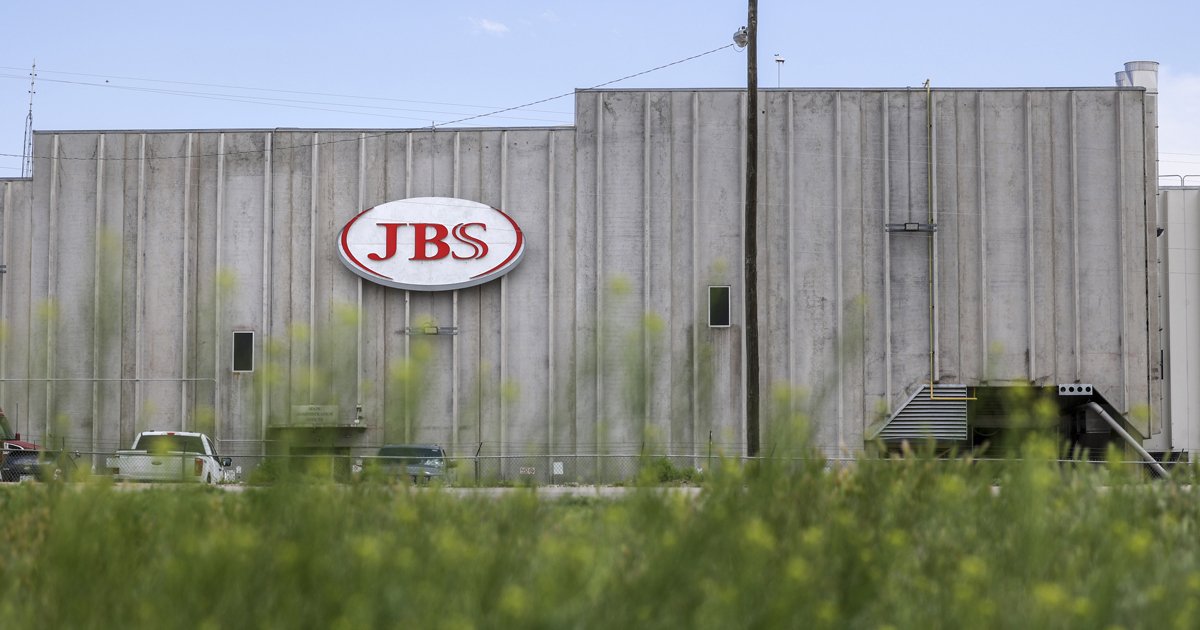
JBS NV is closing a beef plant in Pennsylvania, the latest sign of the pressure meatpackers are facing amid a severe cattle shortage in the US.
In addition to the beef production facility in Souderton, PA, the world’s largest meat supplier also said it is closing a value-added facility in Memphis, Tennessee, which packages various proteins. The company said last month that it was facing mounting losses at its U.S. beef unit, so it was closing it.
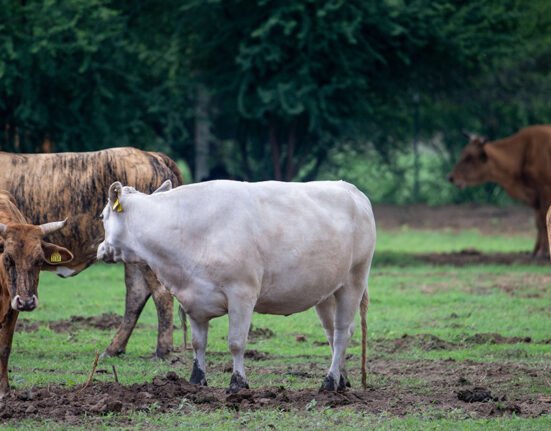
The US cattle herd is at a 75-year low as cattlemen grappling with drought and higher production costs have had to cull more animals. The drought, which is deepening again, is set to further delay the process of rebuilding the herds, JBS USA Chief Executive Officer Wesley Batista Filho said during a May conference call.
The return of the parasitic New World screwworm in Texas is also increasing uncertainty for the industry, potentially delaying the rebuilding of the US herd and resuming shipments of live cattle from Mexico to the US.
The outlook for that trade, which is largely halted through the end of 2024, has become more complex, making capacity cuts “the most likely mechanism for rebalancing the industry,” said Citi Research analysts Renata Cabral and Luis Felipe Terzarriol.
“JBS has now moved faster than we expected,” analysts wrote in a June 12 note. “For a company that has historically maintained its U.S. beef footprint through prior cattle cycles, today’s announcement underscores the extraordinary nature of the current environment.”
Production from the affected JBS facilities will be shifted to other plants, the company said. The Souderton plant has more than 1,700 employees and has a daily slaughter capacity of approximately 2,000 cattle, making it one of the largest plants on the East Coast. Citi analysts estimate the facility represents about 8% of JBS’s beef processing capacity in the US.
The JBS closure is the latest move by meatpackers to maximize efficiency and reduce capacity in line with reduced animal supply. JBS had already said late last year that it would close a facility in California. Pierce Tyson Foods Inc. and Cargill Inc. have also closed plants in Nebraska and Milwaukee, respectively. A measure of beef processing margins from HedgersEdge has been largely negative for the past year and a half, even as record consumer prices have drawn antitrust scrutiny from the Trump administration.

TT Top 100 Logistics Companies
The largest 3PL in North America faced volatile business conditions last year, ranging from compressed margins to tariff-driven supply chain turmoil. read more
Barclays analysts said beef profits, initially expected to recover in the second half of 2027, are now more likely to occur in fiscal 2028.
According to a statement, JBS said the June 12 action is part of a broader strategy to modernize operations, and that its investments in facilities in other states are “focused on enhancing our prepared foods and value-added capabilities, modernizing operations and enhancing the company’s ability to serve customers.”
Production from the affected JBS facilities will be shifted to other plants, the company said. The Souderton plant has more than 1,700 employees and has a daily slaughter capacity of approximately 2,000 cattle, making it one of the largest on the East Coast.
On June 12, JBS shares rose as much as 2.9% to their highest price in two weeks.
JBS USA is ranked 68th on Transportation Topics’ Top 100 list of the largest private carriers in North America and 10th among agricultural/food processing carriers.