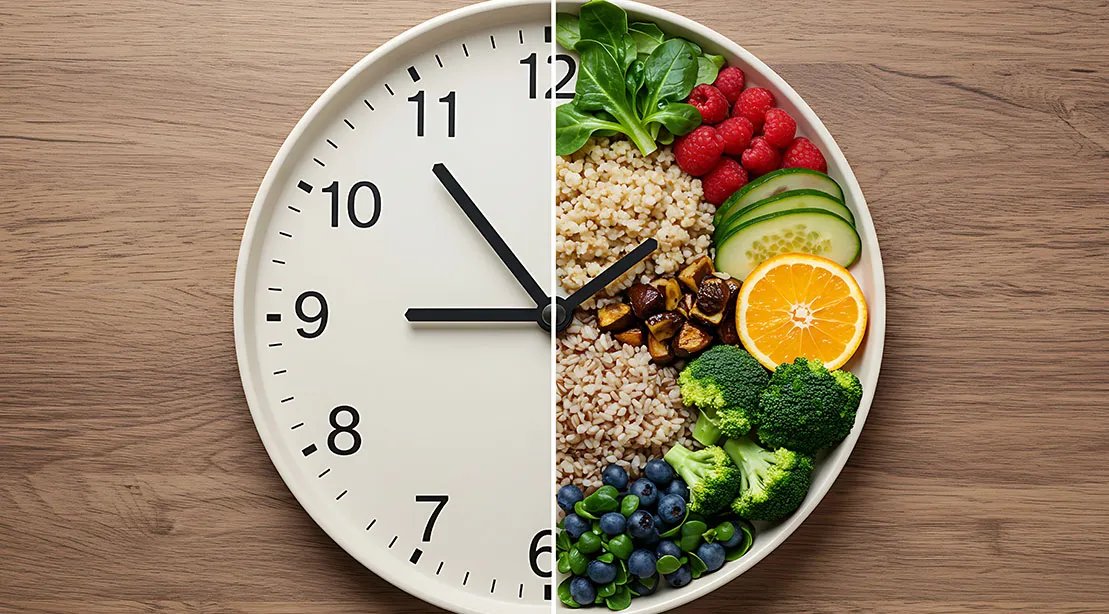
The idea that intermittent fasting could help in the fight against unwanted flare-ups is nothing new, but leading studies show that periodic energy restriction is boosting brain function, while driving positive changes in the gut microbiome.E.
New research shows that fasting can reactivate the brain
an unprecedented study in China, held in 2023, has since been supported by the promise of follow-up work, Which also includes 2024 The project showed how fasting and protein pacing not only helps with weight loss, but also improves the presence of positive gut bacteria. The theory is that fasting not only burns fat, but it also changes your body’s ability to handle cravings, even going so far as to reconfigure the brain.
“The gut microbiome is believed to communicate with the brain in a complex, bi-directional manner,” Dr. Xiaoning Wang of the Institute of Geriatrics of PLA General Hospital explainedwho served as coauthors on the 2023 study. “The microbiome produces neurotransmitters and neurotoxins, which reach the brain via nerves and blood circulation. In turn, the brain regulates eating behavior, while nutrients from our diet change the composition of the gut microbiome.”
This is important, because intermittent fasting results in some experiencing changes in eating behavior, including curbing cravings and more intense self-control related to taking in too many calories. Of course, with over a billion people worldwide living with obesity, a better understanding of how intermittent fasting can help in the fight against obesity is of great concern.
How intermittent fasting changes the gut microbiome
In the original study, a small sample of participants were placed on a 32-day fasting phase, gradually restricting their calorie intake until it reached 25% of their energy requirements. After this, in a phase of 30 days, 500 calories were consumed per day for women and 600 calories for men. By the end of the trial, subjects had lost approximately 7.8% of their original body weight, experienced a reduction in body fat and waist measurements. But that was not all. Blood pressure levels improved, as well as cholesterol and liver enzymes. Using magnetic imaging, the scientists also showed that brain areas associated with appetite, emotion and reward were reconnected.
“A healthy, balanced gut microbiome is important for maintaining energy homeostasis and normal weight,” said co-author Dr. Yongli Li. “In contrast, an abnormal gut microbiome may alter our eating behavior by affecting certain brain areas involved in addiction.”
The link between brain function and fat loss
Changes in brain activity suggest that intermittent fasting does not help burn fat only when there is a calorie deficit. It can also help us better control our decisions about the food choices we make. 2023 study and follow-up reviews It has been shown that the presence or lack of certain bacteria in the gut may be directly related to brain functioning. For example, the presence of flavonoid inhibitor Plauty was linked to greater attention levels, emotional regulation, and learning ability.
Since one of the biggest obstacles standing in the way of fat loss is the issue of willpower, the idea that intermittent fasting could put us in a better position to make positive choices without the need for medication is welcome. “The next question to be answered is the precise mechanism by which the gut microbiome and the brain communicate in obese people, including during weight loss,” Dr. Liming Wang said. “Which specific gut microbiomes and brain regions are important for successful weight loss and healthy weight maintenance?”. Important work is ongoing in this exciting area of study to determine the best type of fasting, protein, and calorie consumption to produce the best results.