American motorcycling has always had a personality problem – in the best possible way. For decades, riding culture on this side of the Atlantic was defined by big, blaring air-cooled machines that oozed character, produced torque at walking speeds, and didn’t particularly care whether you were comfortable doing it or not. The romance was real. So there was back pain also.
However, something changed in the last decade, and the change was not subtle. The American cruiser market began to grow rapidly, with a wave of riders who wanted the soul of a traditional V-twin without sacrificing corner-carving capability or interstate endurance. The result is the modern performance bagger – part custom, part grand tourer, completely American.
Why are baggers the preferred choice for an American tourer?
A good bagger hitting a good spot means a lot on American roads. Interstate miles can be mind-numbing, side winds can be constant, and pavement quality is not always what it should be. Baggers respond that with a low seat, comfortable riding position, hard luggage and adequate wind protection the rider can sit rather than fight the bike. It’s easy to see why this format has become so natural for riders who spend real time crossing states rather than just traveling across town.

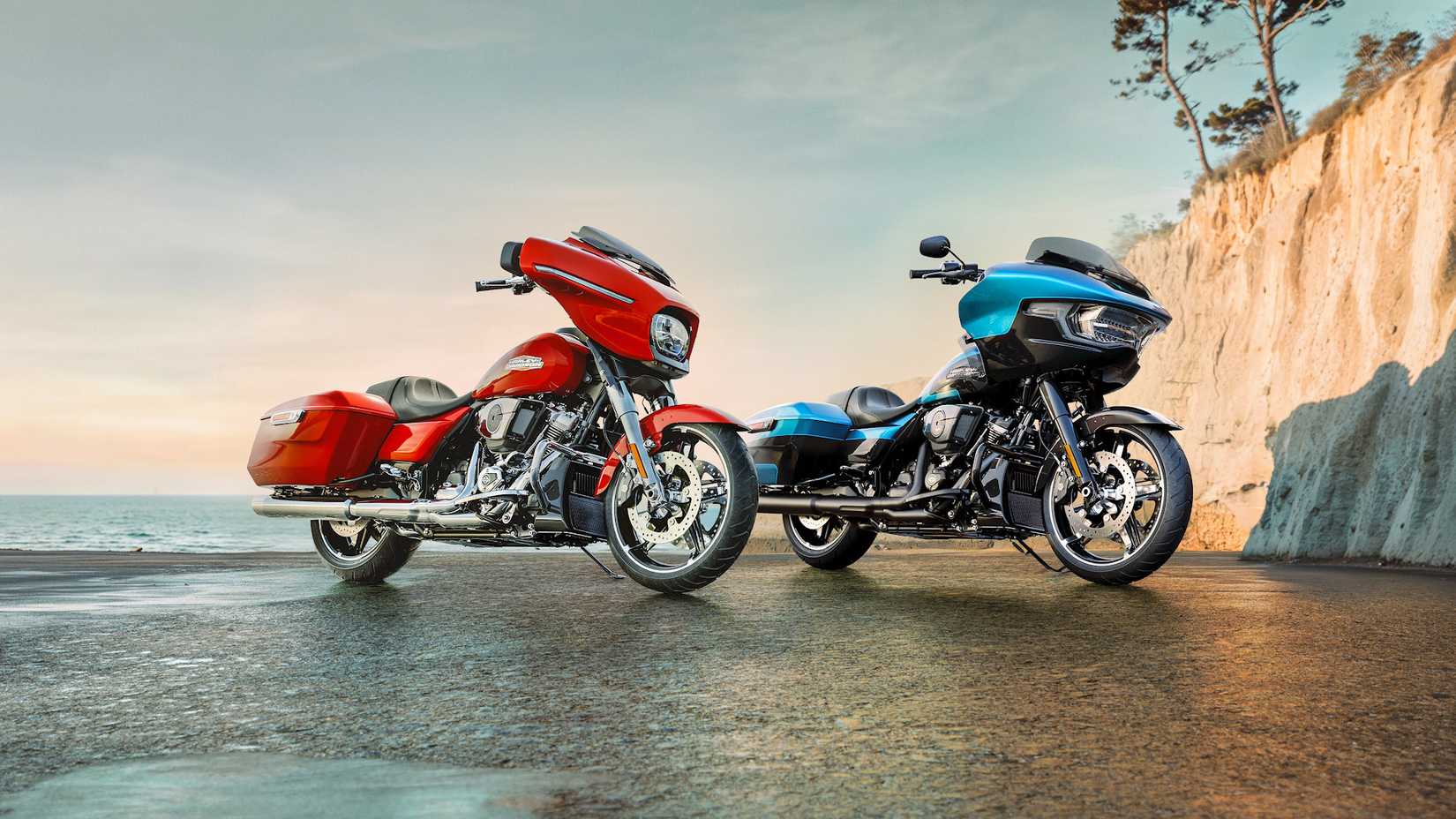
The American bagger market is still dominated by Harley-Davidson and Indian, but the nature of competition has changed. It is no longer just about tradition versus tradition. It’s about who can make a heavy motorcycle feel composed, comfortable and surprisingly composed when the road starts to bend. And Indians are ahead in this matter due to their engineering capability.
Indian Challenger PowerPlus balances comfort, capability and confidence
Base price: $27,999
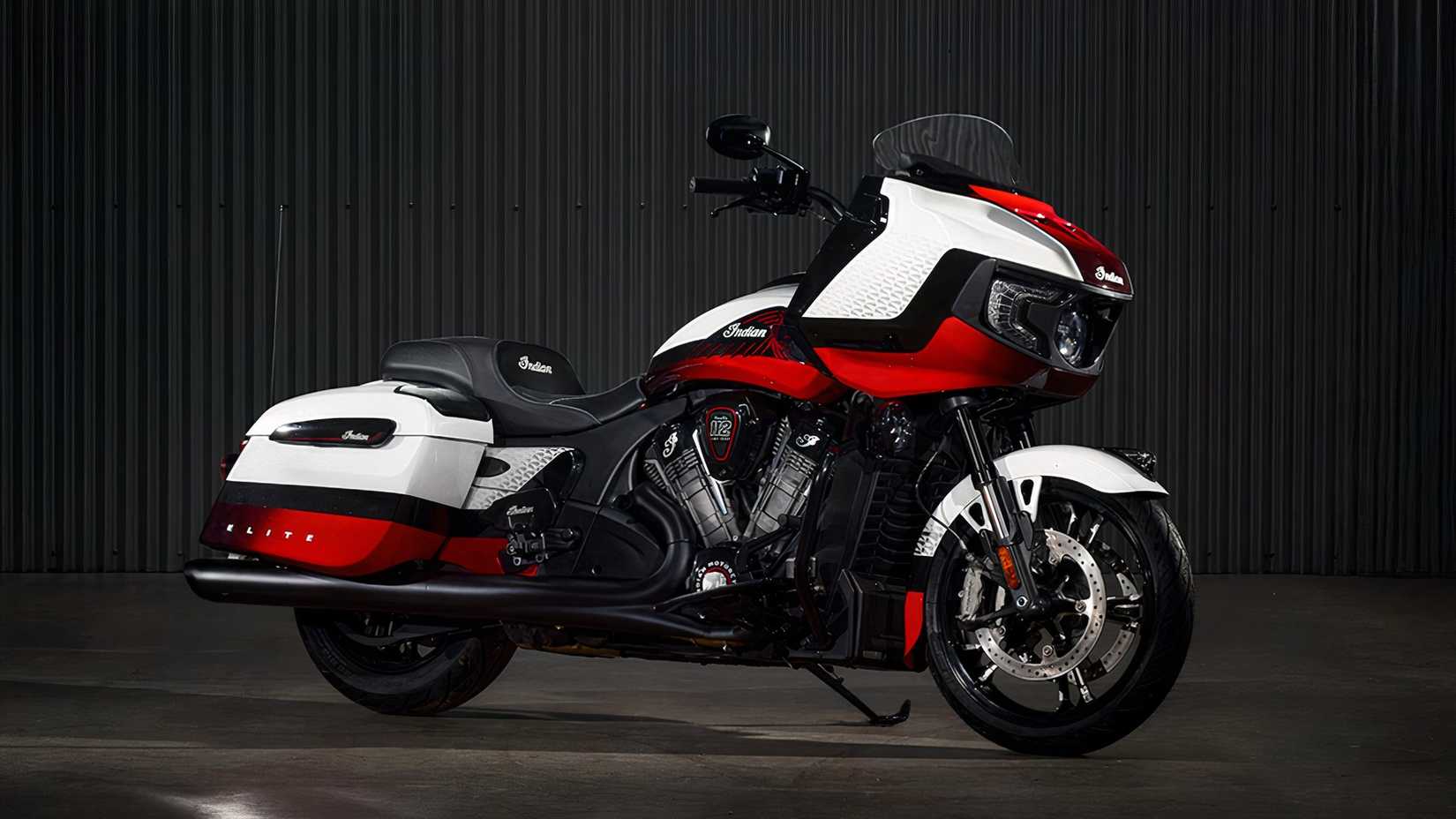
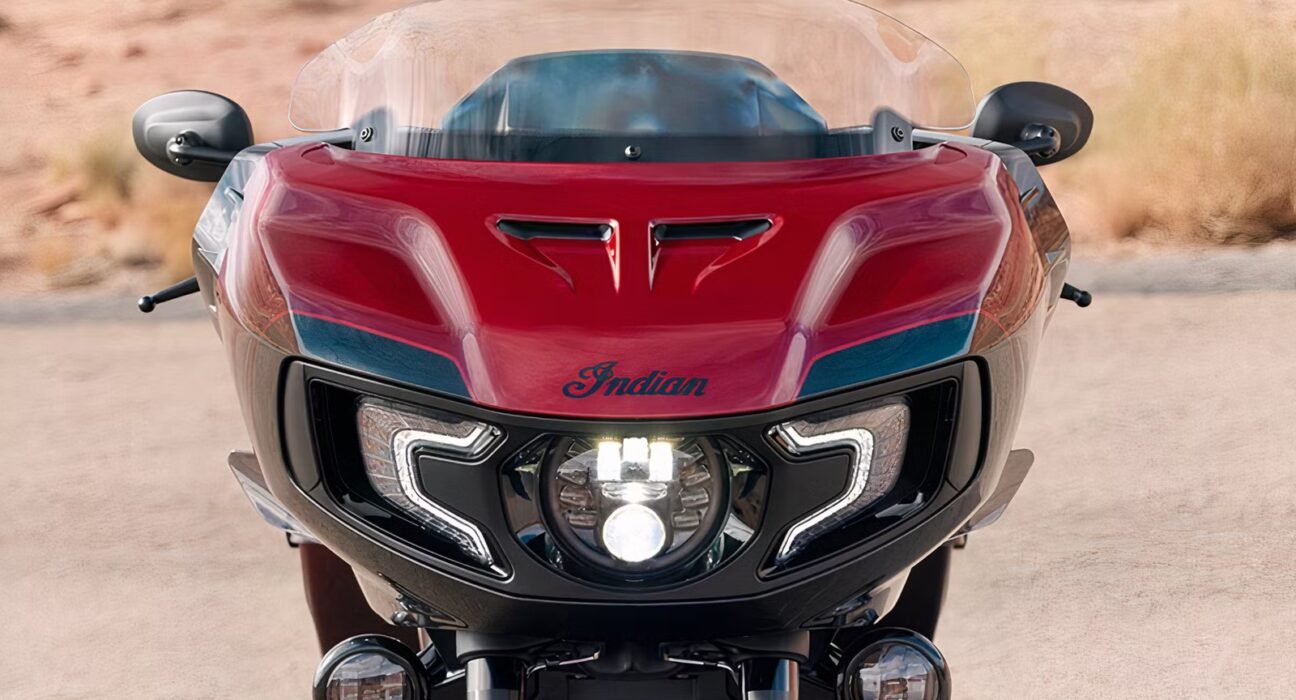
The Indian Challenger starts with a simple but strong idea: build a bagger based on real performance rather than just styling. At a base price of $27,999, the Challenger isn’t cheap, but it also doesn’t feel like an expensive bike just for the sake of being expensive. This starting price puts it in territory where a rider expects serious hardware, serious touring capability, and enough sophistication to justify paying. Indian’s current PowerPlus lineup uses liquid-cooled V-twin architecture in two forms: the standard 108-cubic-inch and 112-cubic-inch.
This is where the Challenger’s poise really starts to show. Many touring bikes ask you to choose: comfort or cornering, stability or responsiveness, comfortable ergonomics or attractive manners. The challenger tries to reject that deal. Indian Motorcycles has designed the Challenger as a platform where the brand first proved that a modern performance bagger could be both comfortable and athletic, and the company emphasizes that the bike emphasizes stability, high-speed control and rider confidence.
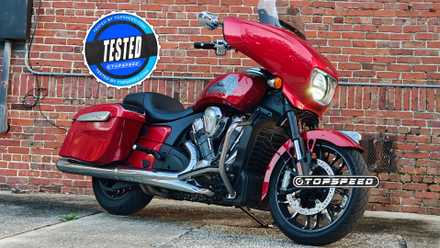

American Muscle Makes 2025 Indian Sardar the Biggest and Baddest Bagger on the Planet
We rode the latest Indian Chieftain PowerPlus and it surprised us.
Liquid-cooled muscle for the open road
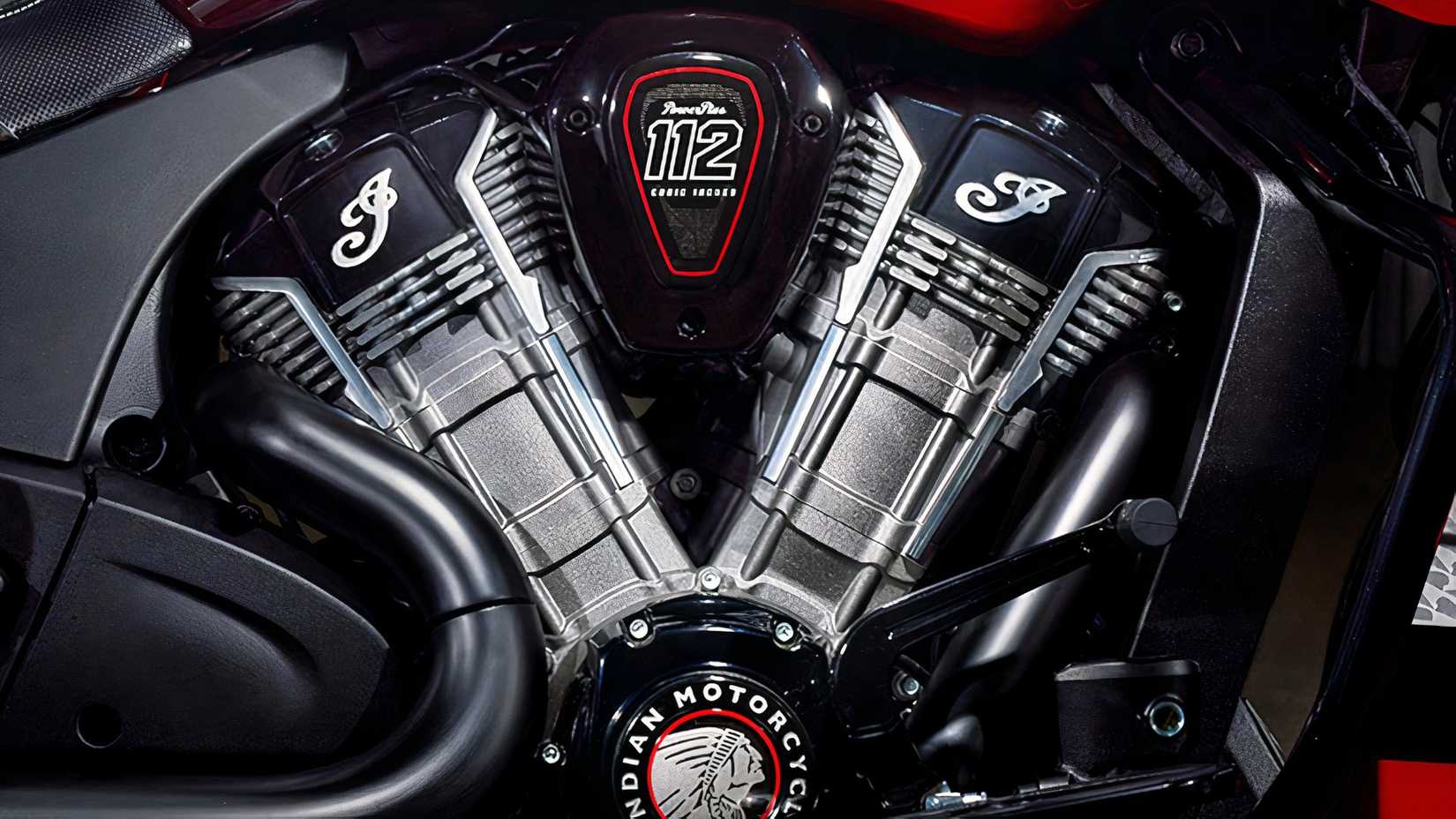
The biggest difference between the Challenger and the old-school cruiser formula is the engine cooling strategy. Indian’s PowerPlus motor is liquid-cooled, which helps in managing heat as part of rider comfort on a hot day, in stop-and-go traffic, or during extended summers. Indian also emphasizes that the PowerPlus is a high-revving, overhead-cam design with four valves per cylinder, giving it a more flexible powerband than older pushrod V-twins. In practice, this means the Challenger can feel calmer and less stressed when you’re asking it to do real work across a wide range of motion.
Class-leading power sweetens the pot
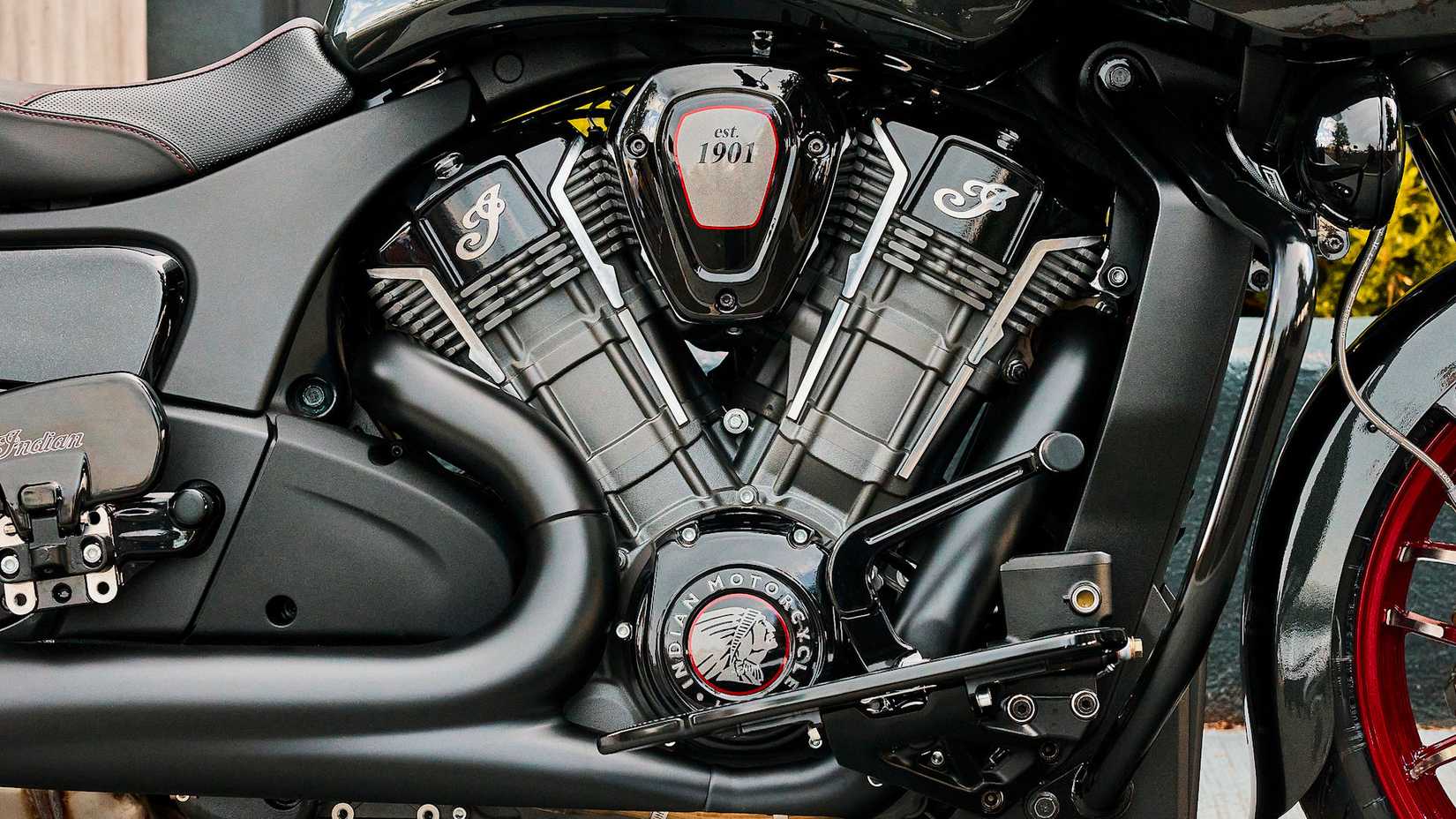
Indian says the standard Challenger’s PowerPlus 108 engine produces 122 horsepower and 128 lb-ft of torque. Whereas, the 112 cubic-inch PowerPlus variant unlocks 126 hp and 133 lb-ft straight from the factory. Those numbers aren’t just for bragging rights. They translate into the kind of effortless passing power that makes riding easy on a two-lane highway and the kind of low-end push that matters when the bike is carrying a passenger, luggage and all-day miles.
Track-tested confidence earned from King of the Baggers

Bagger racing seems like a joke until you actually see it. The first impression is that the bike is impossibly agile for a huge bagger – it actually goes faster than the stock FTR, the bike is more than 100 pounds lighter than the Indian Challenger’s 620-pound minimum curb weight for the class. Racing these machines at speeds in excess of 160 mph forced Indian engineers to rethink everything – frame stiffness, suspension calibration, tire selection, aerodynamics.
The improvements that emerged from those racing seasons didn’t just last on the track. The cast aluminum frame at the heart of the street-legal Challenger was developed with exactly this context in mind – eliminating the frame flex and high-speed weave that had plagued heavy touring bikes for decades.
Lean angle and electronic control
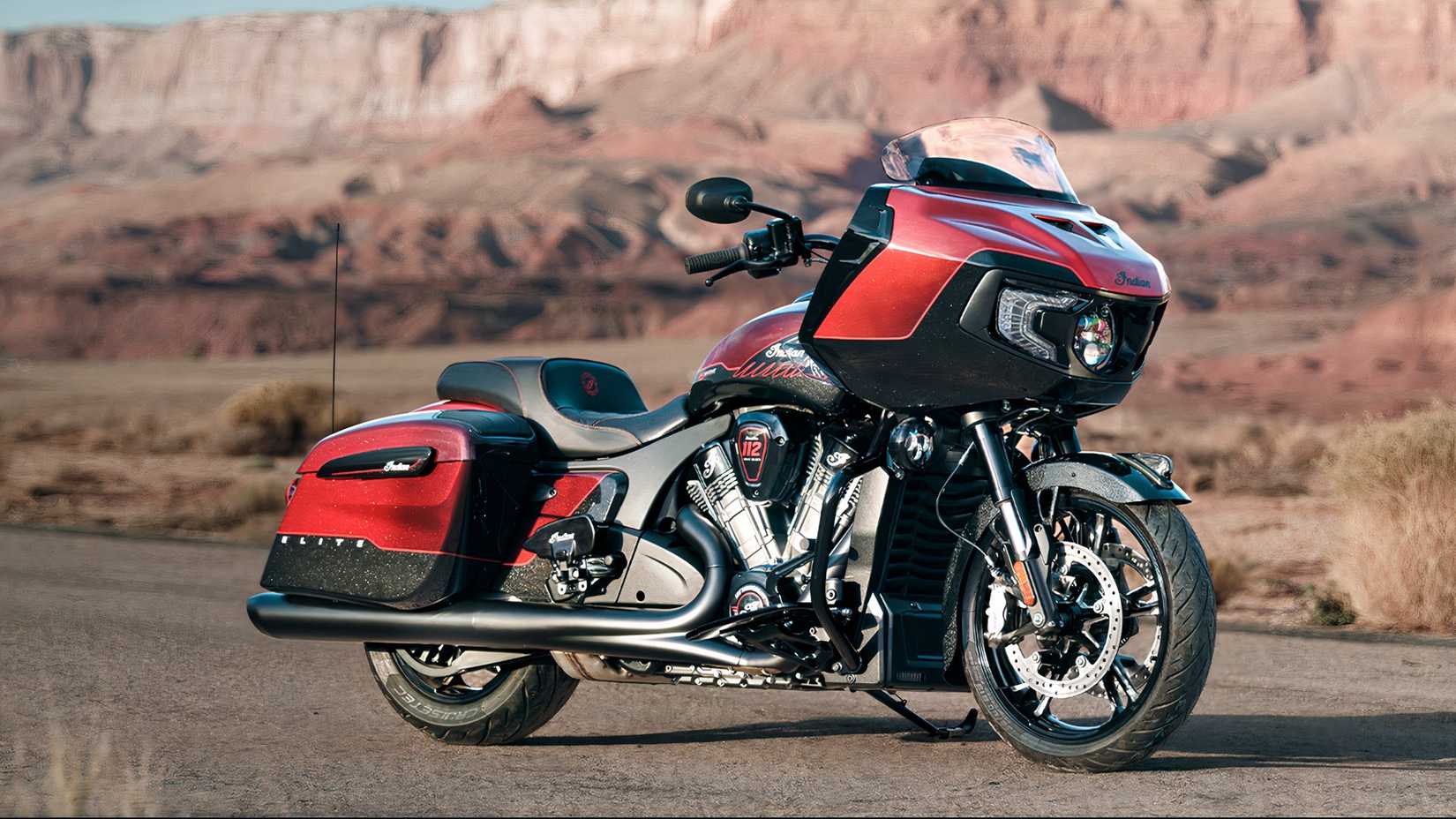
The Elite variant of the Indian Challenger notes a 31-degree tilt angle. This tells you that the Challenger isn’t pretending to be a sports bike, but it also makes it clear that the chassis is built to do more than paw in a straight line. The bike’s rider-assist suite adds another layer of confidence through SmartLin technology and, on the updated PowerPlus family, systems like traction control and cornering ABS are managed through a six-axis Bosch IMU. Indian says these electronics are meant to improve rider awareness and comfort, which is what you want in an 800-plus pound machine when the road changes character unexpectedly.
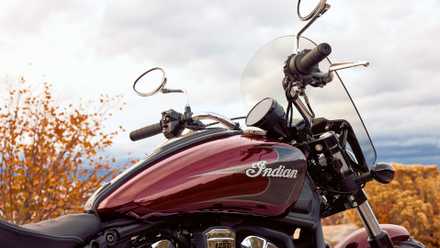
The V-twin cruiser that balances style, comfort and everyday rideability
While you’d expect a Harley-Davidson here, there’s an Indian Scout waving an American flag
Best-in-class suspension that redefines bagger comfort

The Indian bike’s aluminum frame and inverted front suspension are the main reasons it handles with more precision than you’d expect from a full-sized American bagger. The standard Challenger uses a 43 mm inverted front fork and single rear shock with 5.1 inches and 4.5 inches of travel, respectively. The Indian Challenger uses the layout to support particularly precise handling, and many reviewers have praised the well-tuned suspension as one of its defining strengths. The result is less fork dive, better response through the bars, and a front end that feels more settled.
Fox rear suspension adapted to real life
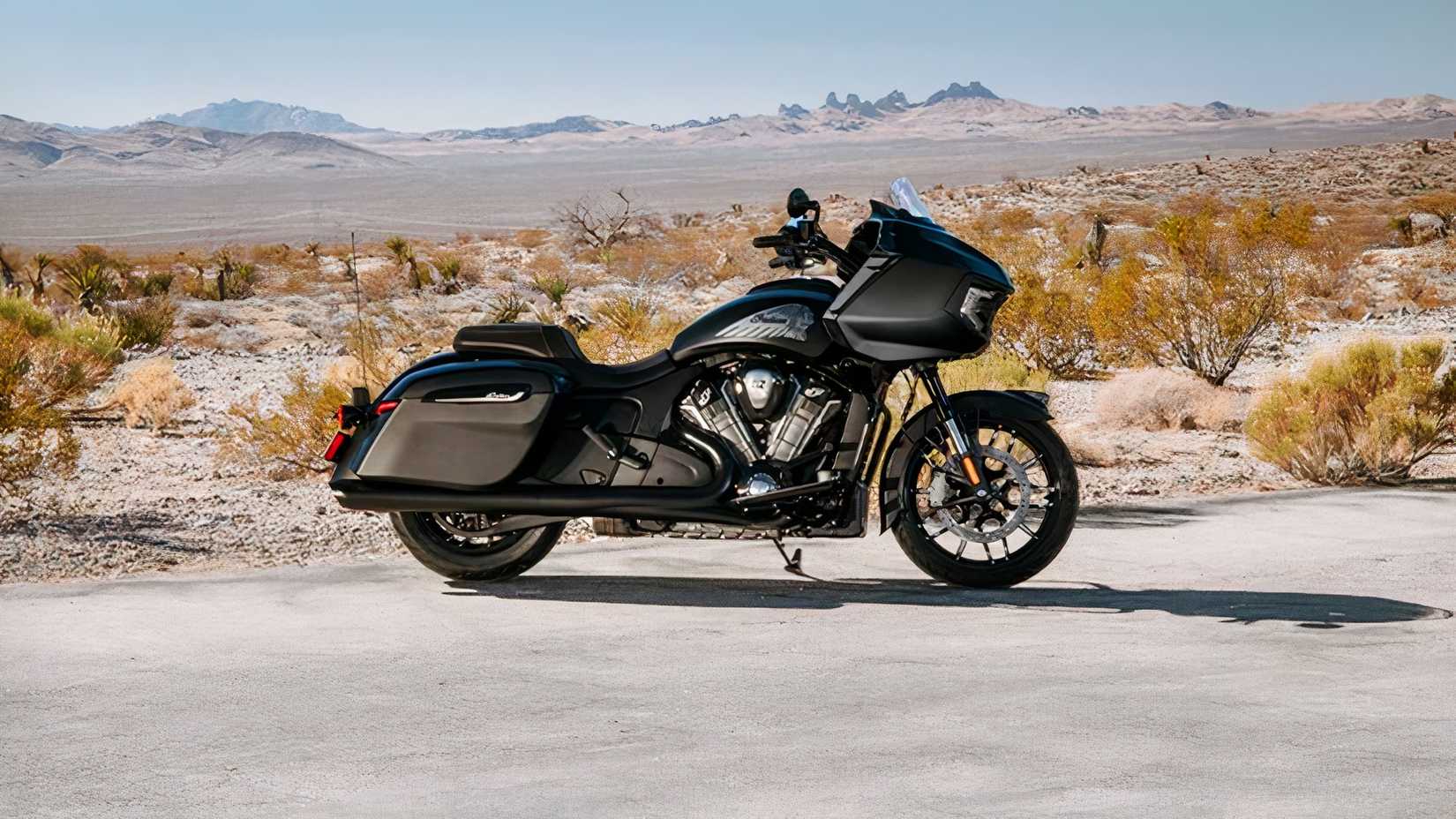
At the rear, the Indian uses a Fox shock setup with preload adjustment depending on trim and configuration. The Challenger’s rear suspension is meant to keep the bike composed during those turns, rather than asking the rider to slide down a wall, or endure an awkwardly engaged rear end. Both Indian’s own materials and dealer literature describe the rear setup as a major contributor to the bike’s stability and comfort.
Ergonomics and technology that maximize long-distance comfort
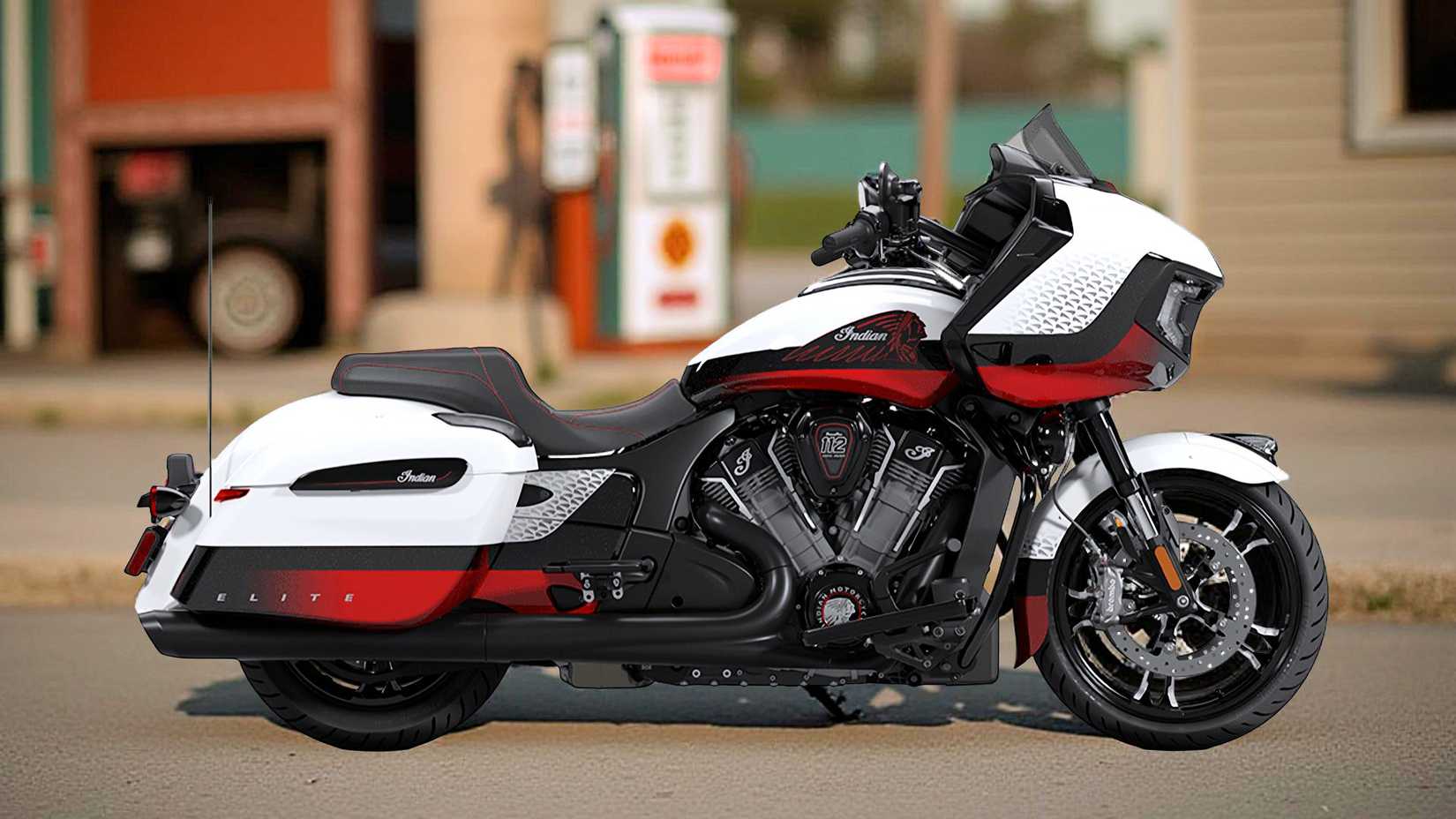
The Challenger’s comfort story isn’t just about the suspension. The chassis-mounted fairing is also a big part of this. Because the fairing is attached to the frame rather than the forks, wind protection remains constant, and steering inputs are not affected by fairing movement. Indian also offers an adjustable windscreen on the Challenger, and on upper trims, this becomes a push-button feature that lets riders tune the airflow on the fly.
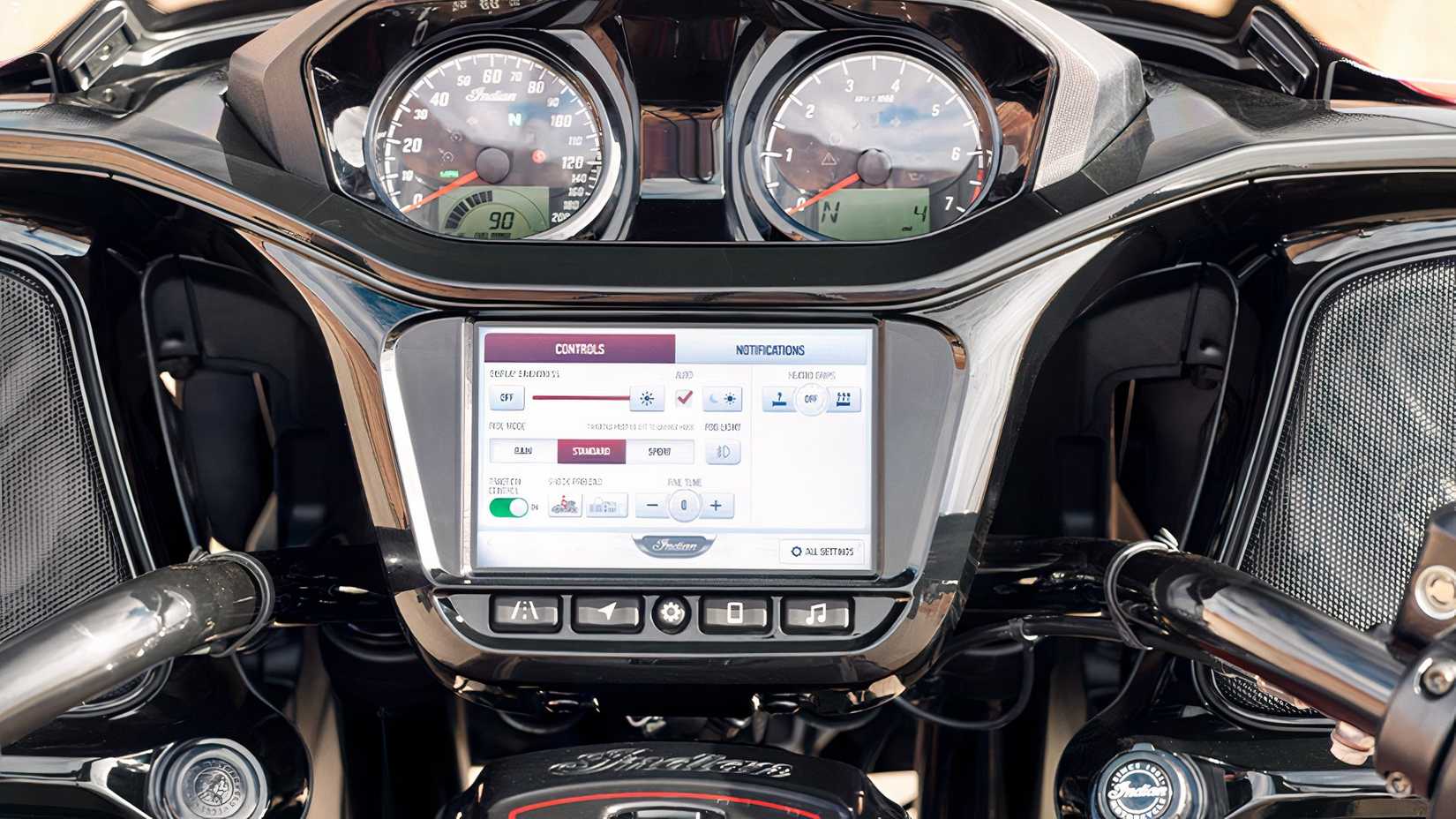
Inside the cockpit, the Challenger uses a 7-inch Ride Command display, and Apple CarPlay is supported. Higher-spec PowerPlus models also bring more serious audio hardware; Indian has added powerband audio to the Challenger Elite with four 100-watt speakers, as well as a nine-band dynamic equalizer that adjusts for road, wind and engine noise. Add cruise control, keyless ignition, USB charging, remote-locking saddlebags, and the available rider backrest, and the Challenger starts to feel less like a motorcycle stripped for distance and more like a long-range tool that looks aggressive.
Source: indian motorcycles