Honda will spend $3 billion on a new Ohio auto plant built around hybrid demand, lifting U.S. capacity to 1.3 million vehicles a year. Tariffs have reminded automakers that building where you sell is smart long-term planning.
Advertising
Torque News has been covering Honda’s American-market insourcing for two decades. For us, today’s Honda announcement makes perfect sense. The fact that Predident Trump has reminded automakers that they need to build their products here if they want stability and prosperity is secondary, since Honda has been making vehicles in America since the Reagan administration.
Honda Commits $3 Billion to a New Ohio Plant
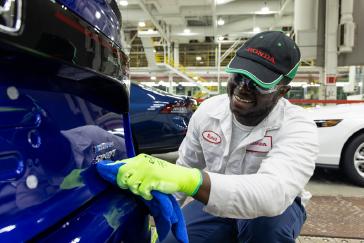
Honda’s announcement today is that it will invest $3 billion to build a new hybrid vehicle plant in Central Ohio on land between its East Liberty and Marysville plants, with production expected to start in 2029. The plant will add more than 2,000 jobs and 240,000 vehicles of annual capacity, bringing Honda’s total U.S. auto production capacity to about 1.3 million vehicles a year.
Honda says the line can build hybrids, gas
Honda says the line can build hybrids, gas models and battery-electric vehicles, but the reason for this plant is really hybrid demand. I wrote earlier this year about how Honda will change to a hybrid engine in its next Ridgeline pickup, and the new V6 hybrid engine headed for Alabama is part of this same plan. If you have been comparing an American-made Honda Ridgeline against the Hyundai Santa Cruz, you already know Honda’s light trucks are built here, and this investment pushes more of what goes under the hood into U.S. plants too.
Honda has been building close to its customers since Marysville started auto production in 1982, but it has not always made its hybrids here. Back in 2016, Honda moved Accord Hybrid production to Japan for a stretch, as Torque News reported when Honda’s hybrid sales jumped 385 percent after the car returned to dealer lots. Under the new plan, engines, hybrid systems, and vehicle assembly will all sit within about 500 hundred miles of each other in Ohio, Alabama, and Georgia.
Tariffs Changed the Math for Automakers
The Trump administration’s tariff policy has pushed automakers to take a hard look at where they build cars for American buyers, and Honda is a clear example. In early 2025, Honda decided to build its next-generation Civic Hybrid in Indiana instead of Mexico, a move Reuters tied to the proposed tariffs on Mexican imports. Nikkei later reported that Honda was aiming to build about 90 percent of the vehicles it sells in the U.S. right here. S&P Global Mobility said the U.S. landed roughly $50 billion in new automotive investment in the 11 months after tariffs took effect.
Tariffs do cost automakers real money,
Tariffs do cost automakers real money, and an Automotive News analysis found they had paid $35.4 billion in tariffs since 2025, and Honda has absorbed its share. Still, a new assembly plant is a decision that runs 30 years or more. A company that builds where its buyers live is less exposed to shipping disruptions and to whatever trade policy comes after this one. Honda’s release does not mention tariffs. The company credits customer demand and its long-standing practice of building close to the customer, which is accurate. It seems logical that tariffs made that approach a lot easier to justify.
Honda also says that nearly 99 percent of the Honda and Acura vehicles it sold in the U.S. in 2025 were made in North America. Keep in mind that figure includes Canada and Mexico.
Hybrid Powertrains Built in Ohio, Alabama, and Georgia
The part of this announcement that interests me most as an engineer reporting on green cars is the powertrain work. The Honda Transmission Plant in Ohio is converting a transmission line into a second hybrid system line, which will raise Ohio’s hybrid system capacity by 250 percent. The Georgia transmission plant will add a new assembly line for the larger hybrid system, and the Anna Engine Plant is retooling for a next-generation 4-cylinder Atkinson-cycle engine. Automotive World, citing Nikkei, reported that Honda is also considering raising its U.S. sourcing of hybrid motors and inverters from about 20 percent to 90 percent by 2029.
In Alabama, Honda will add production
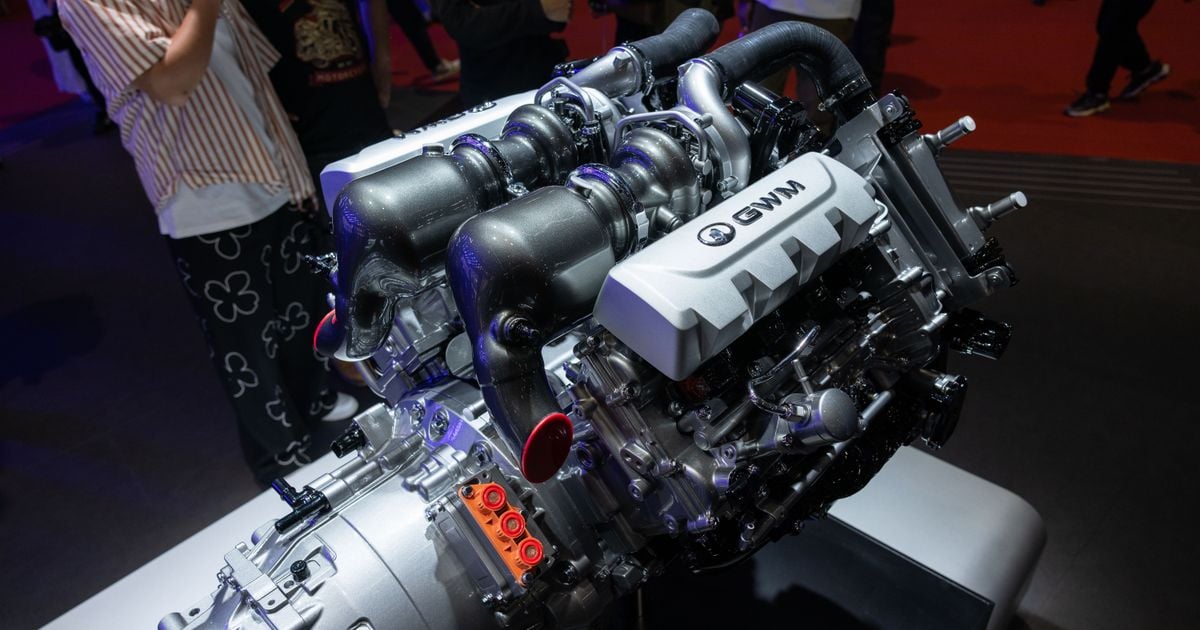
In Alabama, Honda will add production of a new V6 hybrid engine and rework Line 1 to build the Passport. Torque News has written that the Ridgeline’s 3.5-liter could be the last true V6 pickup engine, and it looks like the V6 will stay, now paired with electric motors. Having engines, hybrid systems, and assembly a short truck ride apart can save a world of hassles when a supplier part runs short.
Carscoops reported in September that Honda was “betting big on hybrids for the North American market.” At that time, the reported price was up to $2.5 billion with a 2030 start, so Honda’s final plan costs more and is due about a year sooner.
Ohio Governor Mike DeWine said Honda “chose Ohio because there are so many advantages to being here.” Honda’s cumulative North American manufacturing investment now tops $28 billion. The company will also retool its Alliston, Ontario plant for next-generation hybrid and gas models, including a return of engine production there.
As hybrids continue to outsell EVs by three
As hybrids continue to outsell EVs by three to one in America, Honda is putting $3 billion and more than 2,000 jobs into Ohio to build the hybrids Americans are buying. Tariffs did not invent Honda’s build-where-you-sell approach, but they have reminded the whole industry why it pays off over the long run. I would like to know which models Honda assigns to the new plant first. Larger hybrid SUVs seem likely, but Honda has not said. What would you like to see built in Ohio? Tell us in the comments below.
John Goreham is a 15-year veteran of Torque News. An accomplished writer and a long-time expert in vehicle testing, Goreham also serves as the Vice President of the New England Motor Press Association and has a growing social media presence. He’s also a 10-year staff writer and community moderator for Car Talk. Goreham holds a B.S. in Mechanical Engineering and an undergraduate Certificate in Marketing. In addition to vehicle and tire content, he offers deep dives into market trends and opinion pieces. You can follow John Goreham on X and TikTok, and connect with him on LinkedIn. He can be reached at [email protected]