- Ford’s next-generation EV will feature native Apple Maps navigation.
- Apple Maps will replace Google Maps as the built-in navigation system.
- The new software is expected to improve EV route planning and charging guidance for iPhone users.
Ford is taking its partnership with Apple beyond the basic CarPlay connection. The automaker announced that its next-generation electric vehicles will have Apple Maps built directly into the vehicle’s infotainment system. So long, Google.
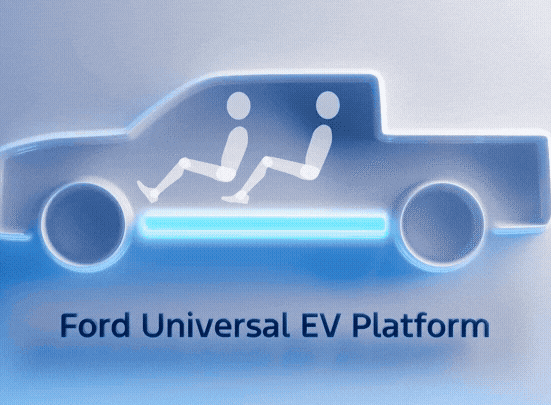
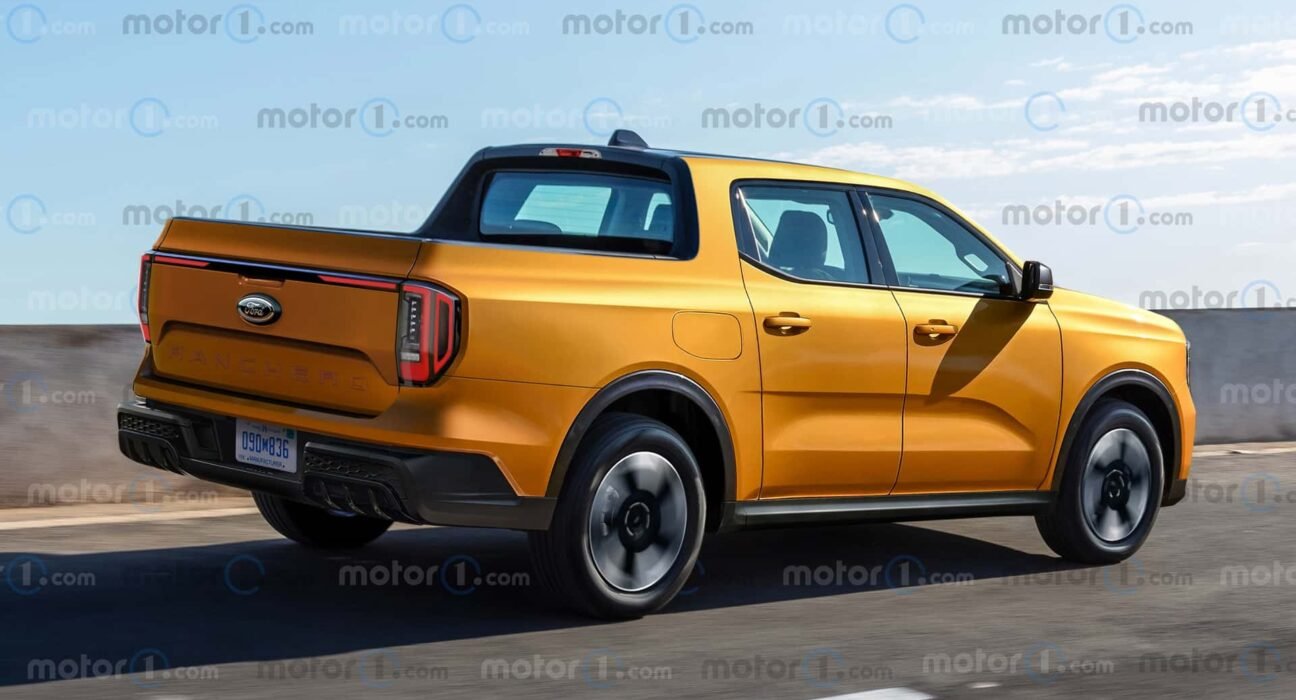
The new software will launch on Ford’s upcoming Universal Electric Vehicle (UEV) platform, starting with the brand’s $30,000 midsize electric pickup. That truck is scheduled to launch sometime in 2027.
Unlike the normal Apple Maps setup, which requires an iPhone running CarPlay, the new system runs natively in the vehicle. This means every driver—not just iPhone owners—will have access to Apple Maps navigation with real-time traffic, EV route planning, and battery preconditioning. CarPlay will still be available for those who want it.
apple carplay ios 18 apple maps
Photo by: Jeff Perez/Motor1
On top of the native integration, Ford says Apple Maps’ detailed street-level data will help power the next evolution of its BlueCruise hands-free driving system. The data will reportedly improve the system’s ability to operate from highway on-ramps to off-ramps.
Ford is clearly taking a different approach than some of its competitors. General Motors has abandoned Apple CarPlay and Android Auto in favor of its own Google-based software, while Tesla and Rivian continue to rely on their own native infotainment systems.
Ford’s first vehicle built on the Universal Electric Vehicle platform is expected to arrive in 2027. In addition to introducing a new low-cost EV architecture, it will serve as the launch point for the company’s most ambitious software experience to date – one that puts Apple Maps at the center of the driving experience.
Motor1’s Opinion: we over here motor1 Apple is a proponent of Maps, so it’s good to see Ford coming to the dark side, too. With better road data and advanced EV features, the move makes sense for Ford.