Almost exactly a year ago, I attended what will probably always be the funniest, worst, most surreal press event I’ve ever attended: the unveiling of the Faraday Future FX Super One minivan. After an hour of endless presentations about AI technology and other nonsense, some of which was with Justin Bell and Paul Walker’s brother on the mic, they brought out a rebadged Chinese van with a giant screen on the front to demonstrate an AI assistant that talked to the audience. it was a disaster.
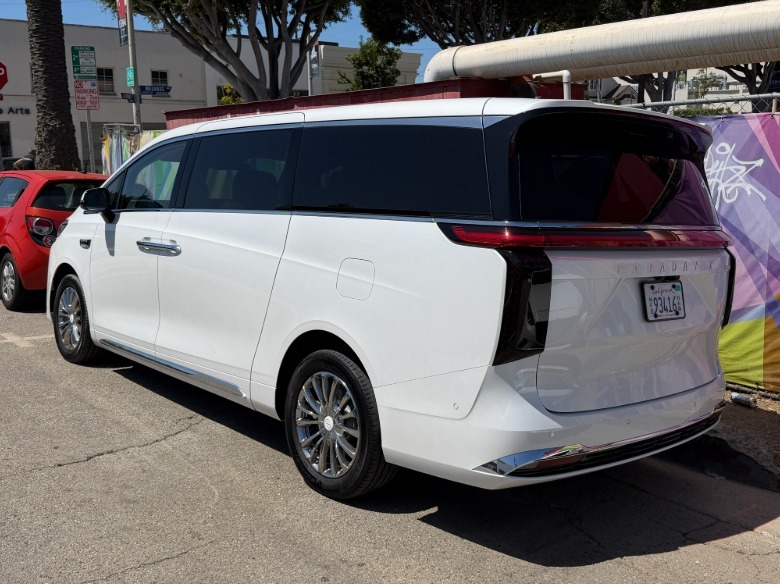
Faraday Future is apparently importing all the components from Wei Gaoshan, a third-tier van made by Great Wall Motor in China and then assembling the vans here in California before allegedly selling them to actual customers. Apart from some stickers on the front screen, different badges and taillights, the FX Super One is identical to the Gaushan. The company said the FACE screen is “a window (for the vehicle embedded agent) to understand, interpret, and communicate with the outside world,” and that wasn’t even close to the weirdest thing they said.
 Daniel Golson/Jalopnik
You would think that Faraday Future would be dead by now, but somehow the automaker is still alive and kicking. The company will take your pre-order dollars for its van (and for the FF91, which is apparently still a thing), though it’s been delayed because FF is converting it to an 800-volt architecture, and also because it doesn’t have the necessary funding. No big deal. Like any completely normal and real company, Faraday Future is showing off so many of the robots it has promised it will build. But don’t worry, it’s still focused on vans! A few weeks ago, Faraday patented a range-extender system for the FX Super OneAnd it’s testing the van rigorously in California.
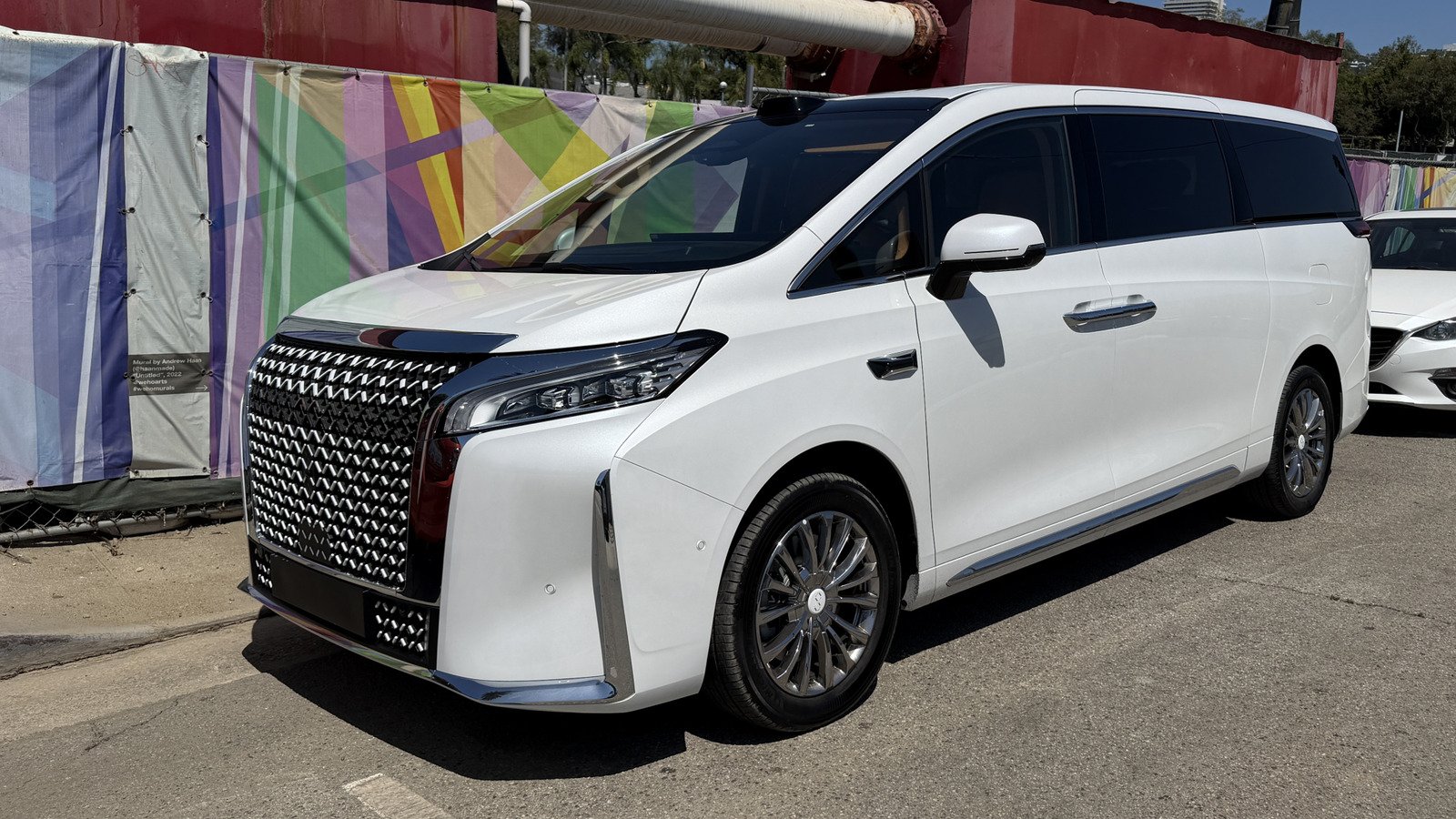
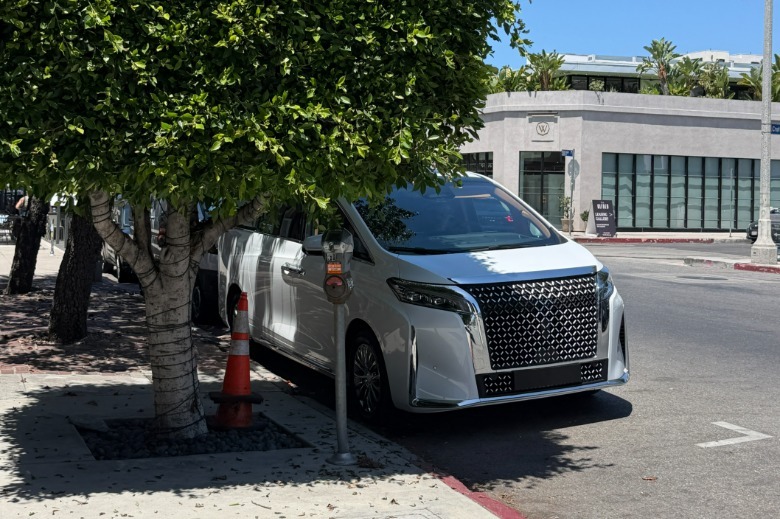
I know this firsthand because today, not only did I see a manufacturer-plated FX Super One parked in West Hollywood, but I saw the same van again only forty minutes later, this time even closer to my house. Mom, can you pick me up? I am scared.
This is not AI
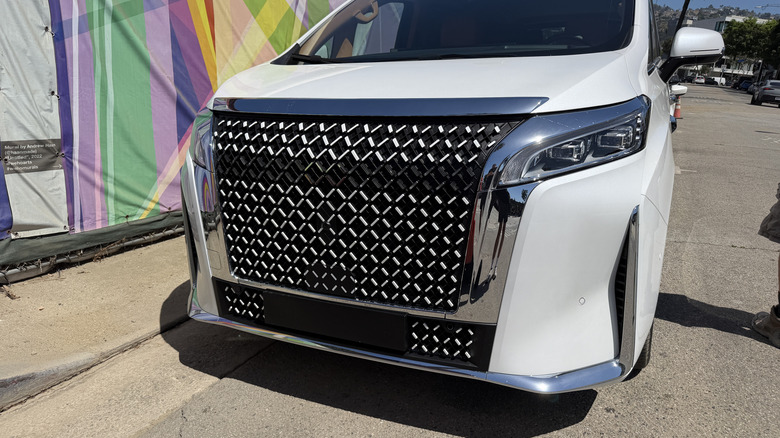
As you can see in the pictures, this white FX Super One is missing the AI-enabled screen, instead sporting a big ugly grille with a mesh pattern made up of repeating Faraday Future logos. This makes it even more clear that FF has put their logo on the existing van without changing anything. I’ve seen photos of driving various FX Super Ones around California, and none of them had a screen. I think the company did say the screen would be an option, but that doesn’t give me any hope that the FF will actually follow through on its completely ridiculous promises.
 Daniel Golson/Jalopnik
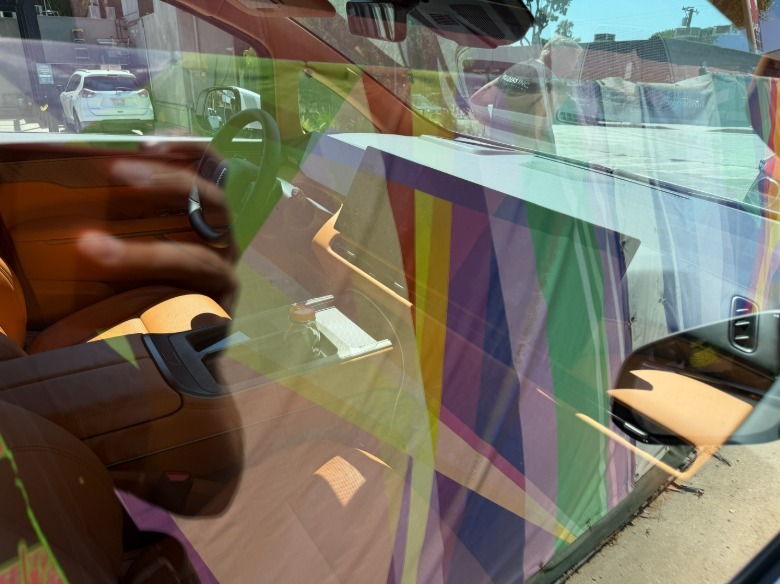
Apart from the grille, this test car has a few other differences compared to the show cars seen last year – and they all make the FX Super One look more like the van on which it is based. Instead of color-matched trim, this van has all of Gaushan’s chrome accents. Instead of the nice little multispoke wheels, this van has smaller Gaoshan wheels with the FF logo stamped on them. This van also has the Wei logo on its steering wheel instead of FF. All this makes it especially funny how hard some of the Faraday Future employees tried to stop me from taking pictures of the interiors of the show cars.
 Daniel Golson/Jalopnik
If you go to Faraday Future’s website, the page for the FX Super One is exactly the same as it was after it was unveiled last year, which is not a good sign. Maybe Faraday Future will somehow find funding to produce the FX Super One while avoiding Trump’s tariffs and anti-Chinese-car legislation. And maybe, if that happens, some poor people will actually buy them. I highly doubt it, but I may be proven wrong, and the Faraday Future will overwhelm us all, like the cockroaches that survived the Chicxulub impact.
Let’s hope FX Super One doesn’t keep following me. At least it’s less scary than if the AI’s face were there, yelling and mumbling under its breath as it chased me down the street – it would make Christine look like a puppy dog.