Medical experts have called on men experiencing erectile dysfunction and mental health difficulties to overcome stigma and seek professional medical assistance before their conditions become more complicated.
The specialists said erectile dysfunction, anxiety and depression were treatable health conditions that should not be hidden out of embarrassment or fear of social judgement.
They made the appeal on Friday during the 2026 Men’s Health Summit organised at the Federal Teaching Hospital Lokoja (FTHL) in Kogi State.
The event, themed *”Getting Back in the Game: Finding Solutions to Erectile Dysfunction,”* brought together medical professionals to discuss challenges affecting men’s sexual health, psychological well-being and general quality of life.
Dr Ayodeji Ogunmola, a Consultant Urologist and Team Lead of the Men’s Health Summit Collaborators, said the initiative involved more than 25 specialists from different medical disciplines within the hospital.
He explained that the multidisciplinary team included urologists, psychiatrists, physicians, surgeons, radiologists and nephrologists, among other specialists.
According to Ogunmola, the summit was designed to encourage men to take greater responsibility for their health and seek appropriate treatment when symptoms arise.
Erectile dysfunction affects men across different age groups
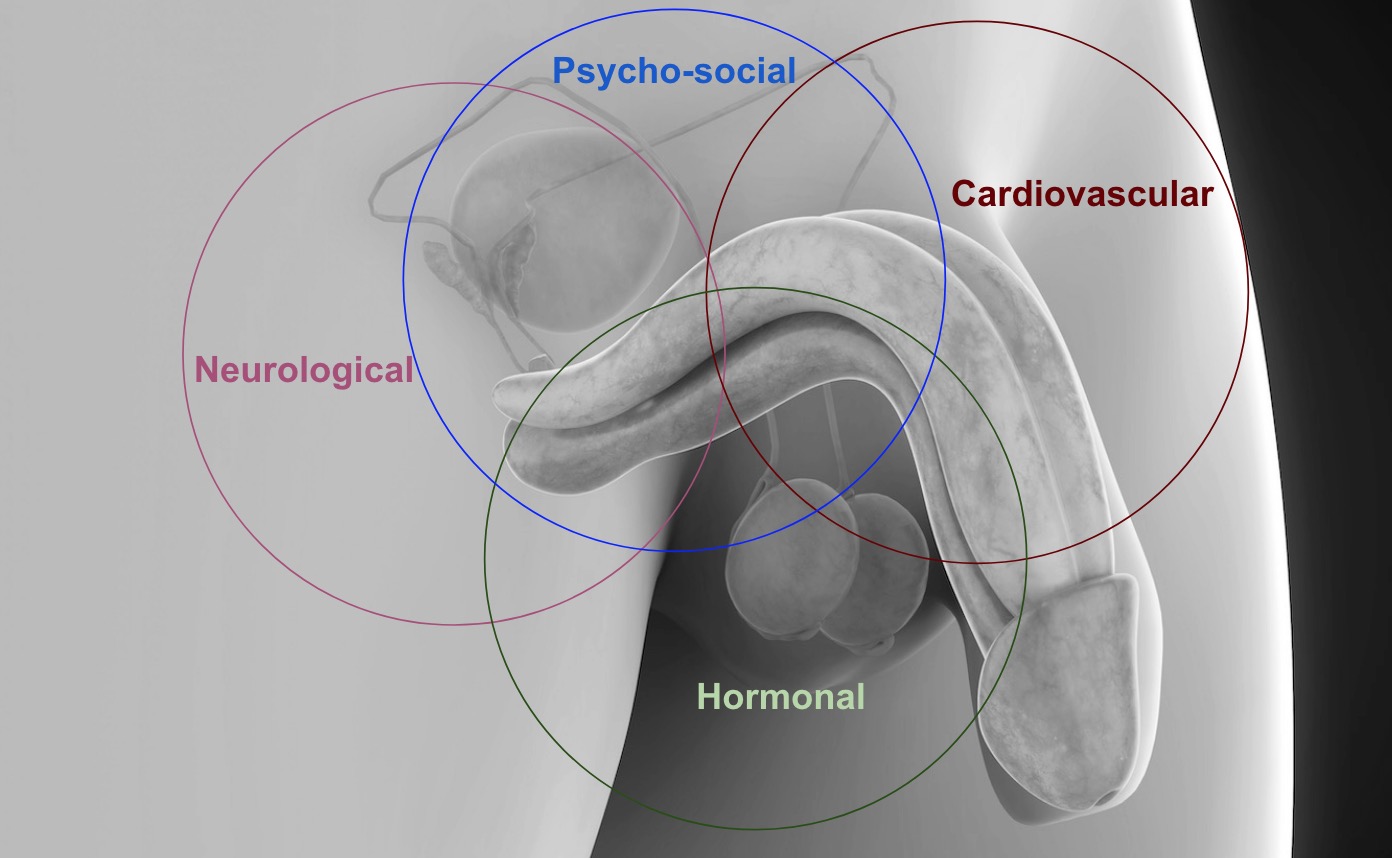
Ogunmola explained that erectile dysfunction could result from several medical and psychological factors, including hypertension, diabetes, certain medications and mental health difficulties.
He cautioned against the assumption that the condition affected only elderly men, noting that younger adults could also experience difficulties with erectile function.
The consultant said estimates presented at the summit suggested that as many as 70 per cent of men could experience some form of erectile dysfunction during their lifetime.
He stressed that the condition should not be regarded as aentify underlying health problems and appropriate treatment options
Experts warn against ignoring mental health
The urologist also drew attention to the psychological challenges affecting men, including persistent anxiety, low mood, reduced energy and depression.
He observed that some men resorted to alcohol and other harmful coping mechanisms instead of discussing their difficulties or seeking professional support.
According to him, untreated mental health problems could interfere with relationships, employment, social participation and overall well-being.
He said the summit was intended to encourage early intervention and prevent men from reaching severe levels of psychological distress, including suicidal thoughts.
The specialists therefore urged men experiencing emotional or sexual health difficulties to speak with qualified healthcare professionals rather than suffer in silence.
Hospital promotes wider men’s health awareness
Ogunmola noted that November is internationally recognised as Men’s Health Awareness Month, popularly associated with the Movember campaign.
He encouraged men to use the period to pay attention to important health indicators, including blood pressure, blood glucose and prostate-specific antigen (PSA) levels, where clinically appropriate.
He also appreciated the hospital’s Chief Medical Director and management for supporting the summit, expressing hope that the programme would become an annual event.
The consultant recalled that the 2025 edition focused on prostate cancer awareness and subsequently contributed to the establishment of a support group earlier in 2026.
The organisers said the latest summit was part of continuing efforts to create greater awareness of men’s health conditions and encourage timely access to medical care.